

readwithpride.com
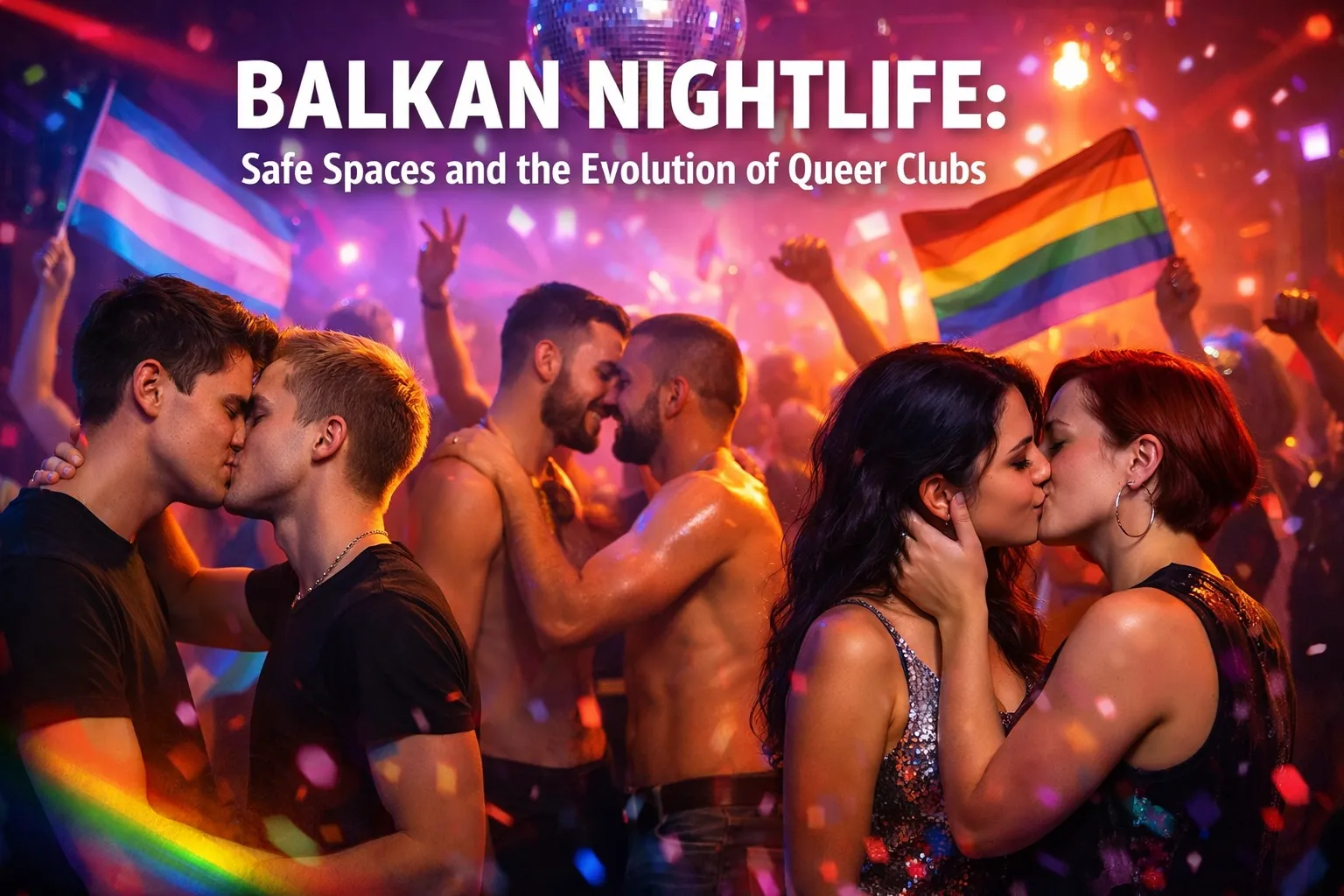
If you’ve ever scrolled through a travel blog or picked up one of those "Top 10 Cities to Visit in 2026" lists, the Balkans usually get pigeonholed into two categories: stunning coastal getaways or somber historical tours. But for those of us in the LGBTQ+ community, there’s a third layer: a pulse that beats in the basements of Belgrade, the art squats of Ljubljana, and the neon-lit corners of Sofia.
At Read with Pride, we’re obsessed with stories. Usually, those stories are found in the pages of MM romance books or intense queer fiction, but sometimes the most compelling narratives are written on the dance floors of cities that weren’t always ready to invite us in. The history of Balkan queer life isn't just a tale of struggle; it’s a story of "normative fantasies," socialist tolerance, and a relentless drive to create safe spaces where none existed.
The 1980s: When Yugoslavia Was the Queer Frontier
Believe it or not, back in the mid-80s, while much of the world was still figuring things out, socialist Yugoslavia was having a bit of a moment. In 1984: the same year George Orwell warned us about: a group called Magnus in Ljubljana organized the region's first-ever LGBT festival. It wasn’t just a party; it was a cultural revolution.
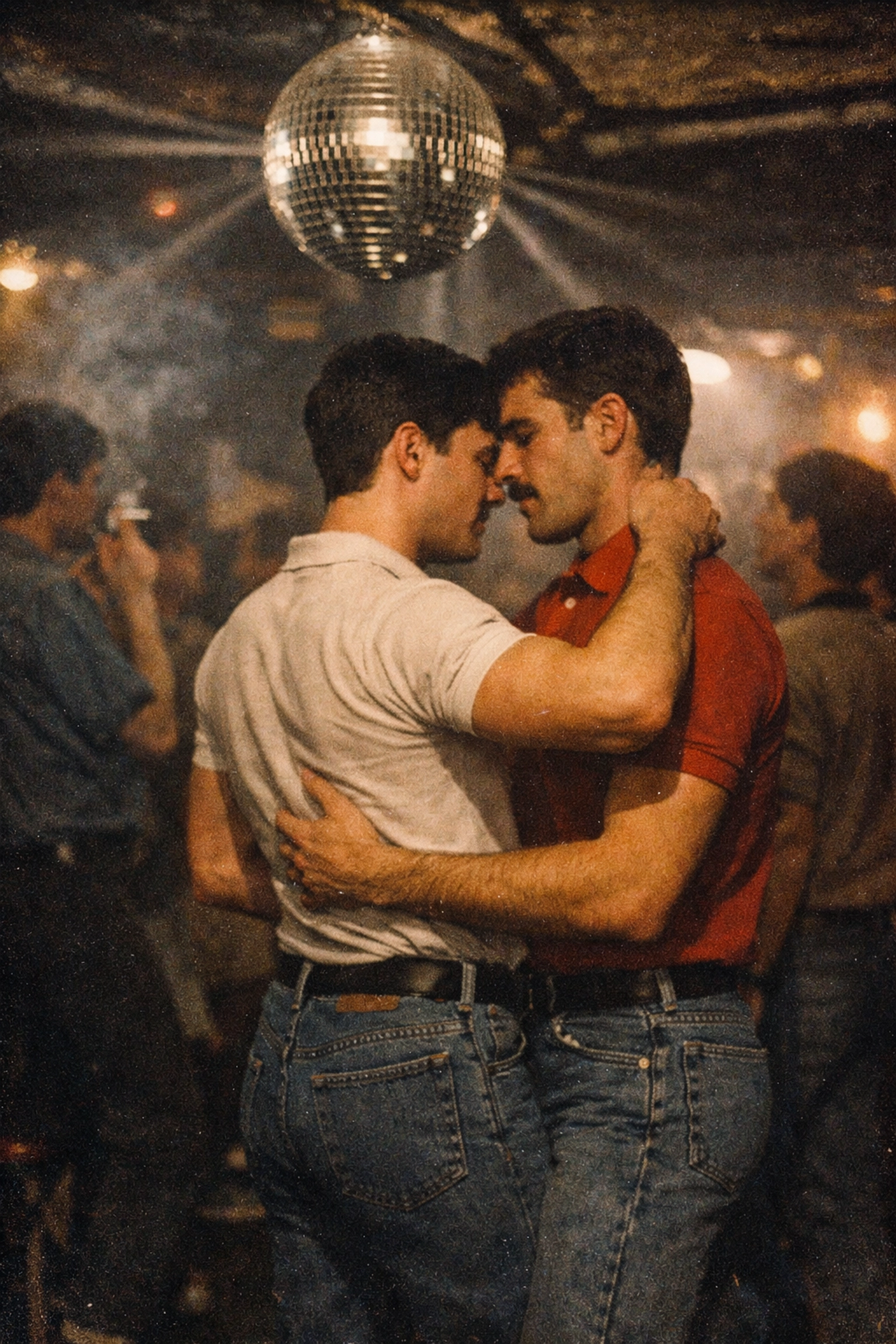
This era was fascinating because it existed within a socialist framework that, while not exactly "woke" by 2026 standards, tolerated queer cultural activity as long as it stayed within certain boundaries. Magnus even organized the first gay disco that same year. For a few years, it felt like the Balkans might lead the way in European queer liberation.
However, history is rarely a straight line (pun intended). The late 80s brought the AIDS crisis and a subsequent wave of media-fueled homophobia. The state security services started keeping "pink lists" of homosexual individuals, and by 1987, the Magnus festival was effectively shut down. This shift is the kind of high-stakes drama you’d expect in a gay psychological thriller, but for the activists on the ground, it was a harsh reality that forced the movement to get political.
Belgrade: The "Normative Fantasy" of Club Pleasure
Fast forward to today, and Belgrade is often called the "Berlin of the Balkans." But for the local queer community, the nightlife serves a much deeper purpose than just cheap drinks and techno.
In Serbia, homosexuality wasn't decriminalized until 1994. Because of this late start, queer spaces like Pleasure (a legendary Belgrade spot) didn't try to mimic the hyper-specialized "leather bars" or "drag lounges" of London or New York. Instead, they adopted the aesthetics of mainstream Serbian nightlife.
Why? Because of something researchers call the "normative fantasy." Many queer people in Belgrade don’t want to be "othered" further. They want a space where they can experience the same glitz, glamour, and "turbo-folk" energy as everyone else, but without the fear of being harassed for holding their partner's hand. It’s about the right to be ordinary. If you’re a fan of gay contemporary romance, this is the perfect setting for those "hidden in plain sight" tropes we all love.
Ljubljana and Zagreb: From Squats to Sanctuaries
If Belgrade is the grit, Ljubljana and Zagreb are the avant-garde older siblings.
In Slovenia, Klub Tiffany is the gold standard. Located within Metelkova Mesto: an autonomous social center in a former military barracks: it feels less like a commercial club and more like a community fortress. It’s gritty, covered in incredible street art, and fiercely protective of its patrons. It’s the kind of place where you might find a poet, a punk, and a tech nomad all sharing a drink under a disco ball.
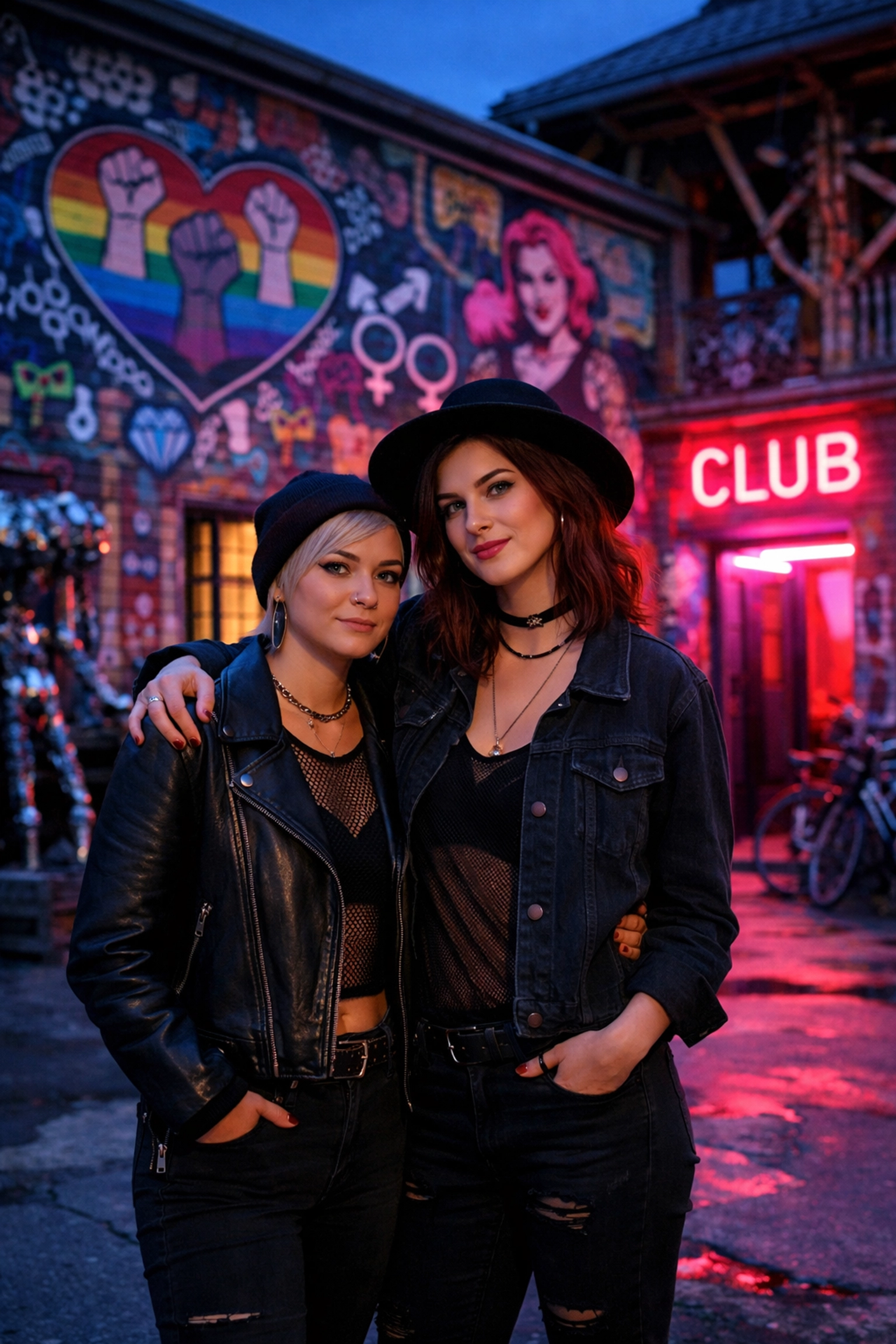
Zagreb, meanwhile, has seen a steady rise in "pop-up" queer events. While permanent venues face the usual economic struggles, the community here is resilient. They’ve turned coffee shops into safe havens by day and dance floors by night. For travelers, these cities offer a blend of history and modernity that feels incredibly authentic.
Sofia: The Rising Star of 2026
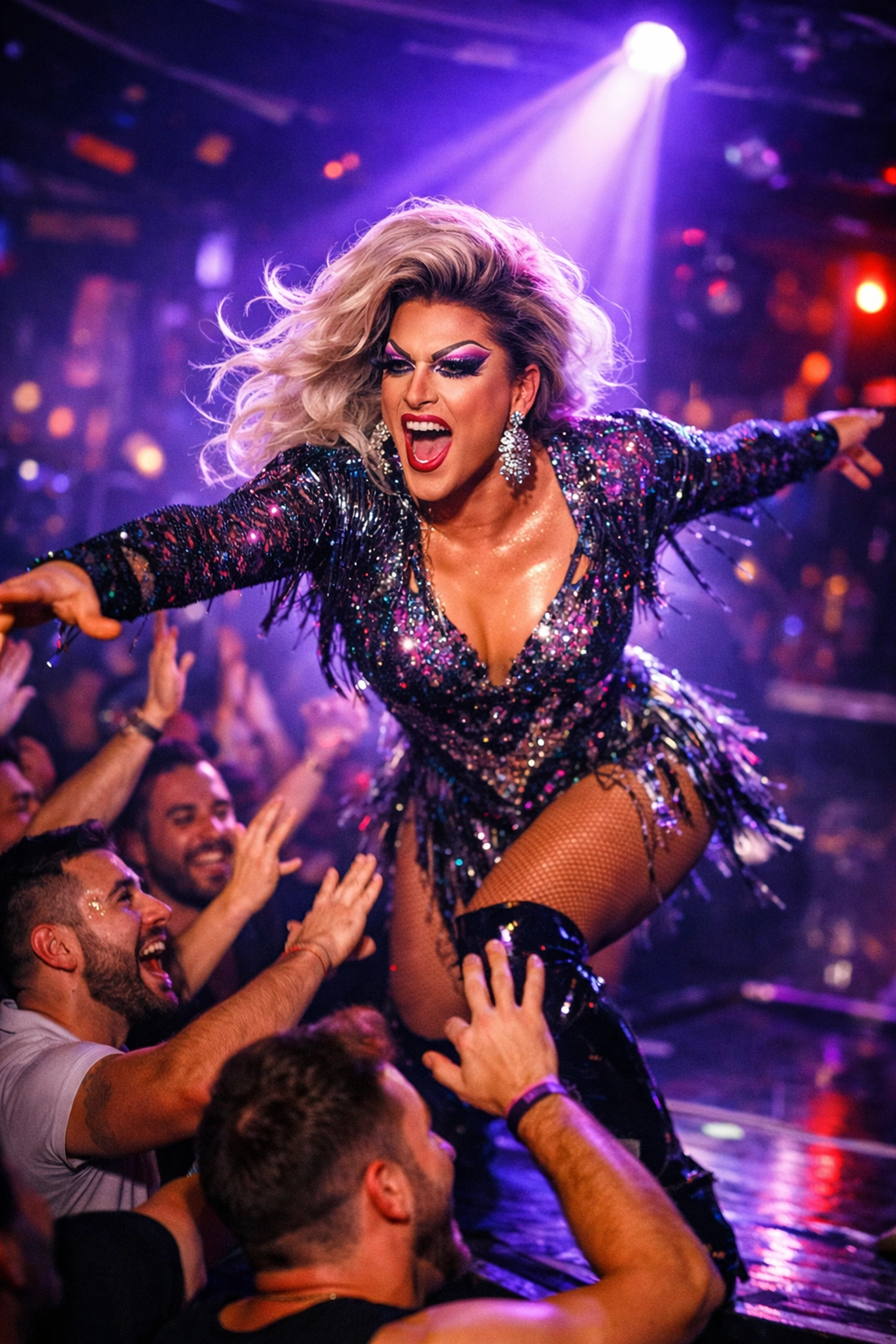
Bulgaria’s capital, Sofia, is often overlooked, but its queer scene is blossoming. It’s a city where the "Old World" architecture meets a very "New World" sense of identity. The nightlife here is becoming more visible, with drag culture taking off in a big way.
The evolution of these spaces is a testament to the local activists who have fought to keep the doors open. Traveling here requires a bit of research: knowing which door to knock on or which Instagram page to follow: but that’s part of the magic. It feels like a secret society, a theme we see a lot in gay adventure romance or gay spy romance novels.
Why Balkan History Matters for Queer Fiction
As a publisher focusing on LGBTQ+ literature, we see a huge surge in interest for stories set in non-Western locales. Readers in 2026 are looking for more than just the "big city" tropes of Manhattan or Paris. They want the complexity of an MM historical romance set in the ruins of a socialist empire, or a gay love story that navigates the nuances of Izzat (honor) and family dynamics in Eastern Europe.
The Balkans provide a backdrop of "forced proximity" and "slow burn" tension that is inherently cinematic. When the world outside a club is conservative, the world inside becomes ten times more vibrant. That contrast is the heartbeat of great storytelling.
If you're an author working on 2026 gay books, don't sleep on these settings. The tension between tradition and the neon glow of a Belgrade club is gold for steamy MM romance or heartfelt gay fiction.
Staying Safe and Finding Community
If you're planning a trip to explore these Balkan safe spaces, here are a few tips from the Readwithpride.com team:
- Use the Apps, but be Smart: Grindr and Scruff are active, but many locals use them specifically to find out where the "secret" parties are.
- Follow the Art: Queer life in the Balkans is deeply tied to the arts. Look for galleries and independent theaters; the people there will know where the safe clubs are.
- Respect the "Safe Space" Rules: Many of these clubs have strict no-photo policies to protect the privacy of those who aren't out to their families or employers.
- Support Local: Buy your drinks at the queer-owned spots. These venues often operate on thin margins and rely on the community to survive.
The Future of the Balkan Night
The trajectory of queer life in the Balkans is one of survival and transformation. From the "pink lists" of the 80s to the pride parades of today that march through the streets of Belgrade and Sofia, the progress is undeniable, even if it is hard-won.
As we continue to highlight the best MM romance books of 2026 and beyond, we look to these real-world safe spaces for inspiration. They remind us that queer joy is a form of resistance, and that even in the most conservative corners of the world, we will always find a way to dance.
For more stories about queer history, travel, and the latest in gay fiction, check out our latest releases at Read with Pride. Whether you’re looking for a gay fantasy romance or a steamy MM romance, we’ve got your next favorite read.
Join the Conversation
What’s your favorite queer travel destination? Have you explored the nightlife in Eastern Europe? Let us know on our socials!
- Follow us on Facebook: Read with Pride Facebook
- Check out our Instagram: @read.withpride
- Catch the latest updates on X: @Read_With_Pride
- Browse our full library: readwithpride.com
#LGBTQ #BalkanNightlife #QueerHistory #MMRomance #GayTravel #ReadWithPride #2026GayBooks #SafeSpaces #BelgradeNightlife #GayFiction #QueerCulture

Leave a Reply
You must be logged in to post a comment.