

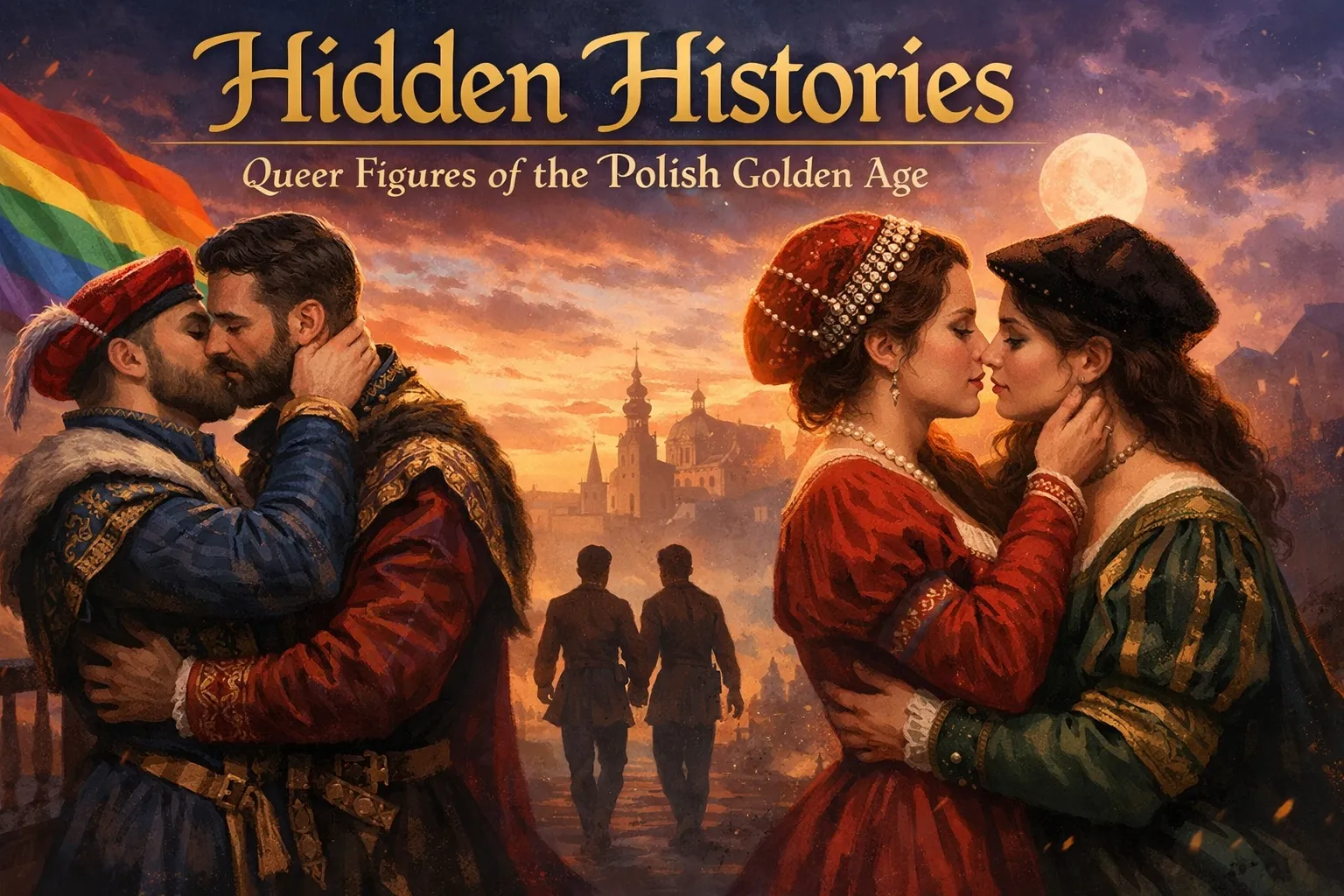
readwithpride.com
When we think of the Polish Golden Age, roughly the late 15th to the mid-17th century, we usually picture grand winged hussars, the sprawling Polish-Lithuanian Commonwealth, and a time of unprecedented religious tolerance. It was a "state without stakes," a rarity in a Europe burning with the fires of the Inquisition. But while historians love to talk about the grain trade and the "Golden Liberty" of the nobility, there’s a quieter, more colorful history tucked between the pages of old chronicles.
At Read with Pride, we’re obsessed with uncovering the stories that history books tried to smudge out. Because, let’s be real, wherever there are humans, there is queer joy, queer struggle, and queer love. If you’re a fan of gay historical romance or MM romance books, you know that the past is often much more "lavender" than we were taught in school. Today, we’re digging into the Polish Renaissance to find the figures who lived outside the heteronormative lines of their time.
The King Who Loved Too Much: Władysław III Warneńczyk
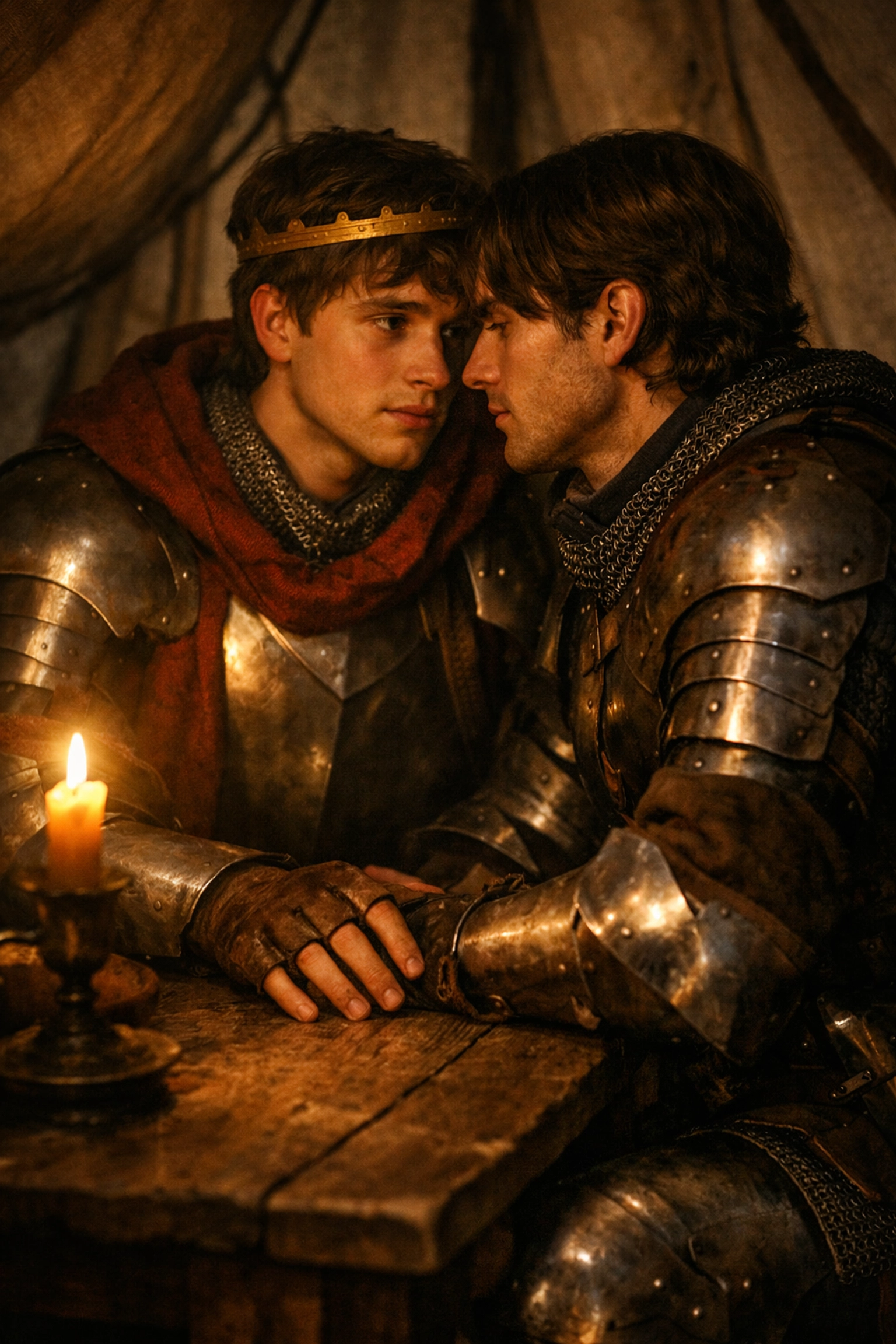
Let’s start with a royal mystery. Władysław III, known as the "King of Varna," is a national hero in both Poland and Bulgaria. He was young, brave, and died in battle against the Ottomans at the age of 20. But if you look at the writings of the most famous Polish chronicler of the time, Jan Długosz, things get interesting.
Długosz wasn't exactly a fan of Władysław’s private life. In his chronicles, he lamented that the young king was "subject to his own lusts" and hinted heavily at "unnatural desires." While modern historians sometimes debate if Długosz was just a grumpy cleric with a grudge, the descriptions of Władysław’s refusal to marry and his close, intense bonds with male favorites point toward a queer identity that the 15th century didn't have a modern word for.
Imagine a MM historical romance set in the camps of the Polish army, where a young king struggles with the weight of a crown and the secret of his heart. It’s the kind of high-stakes drama that makes gay fiction so compelling.
Henryk Walezy: The King in High Heels
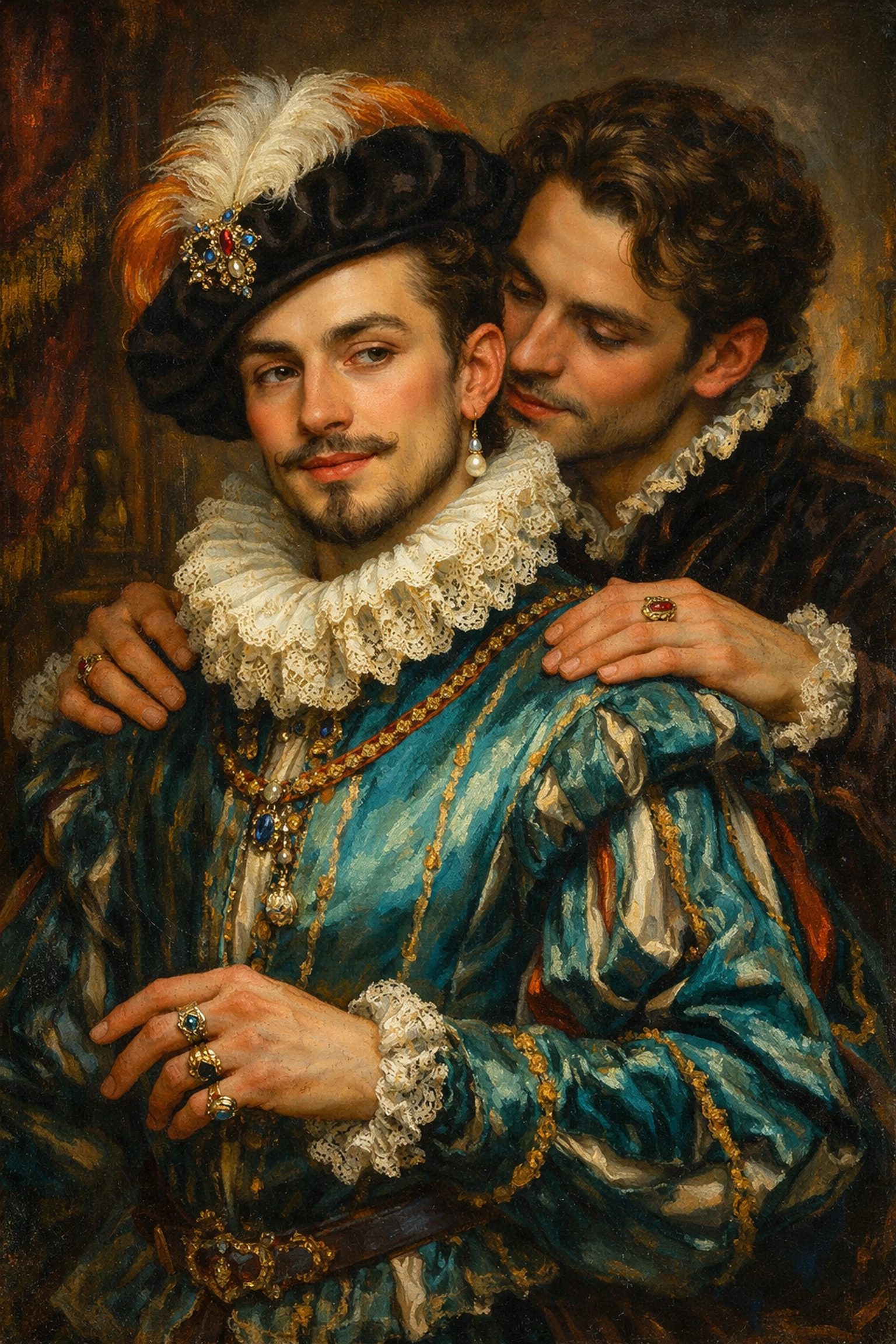
Fast forward a bit to 1573. The Polish nobility, in their infinite wisdom, elected a French prince to be their king: Henryk Walezy (Henry III of France). Henry arrived in Kraków, and to say he caused a "culture shock" would be the understatement of the century.
Henry brought with him a retinue of "mignons", fashionable, young, male favorites who wore heavy perfume, earrings, and elaborate lace. Henry himself was famous for his love of jewelry, dancing, and fashion that the rugged Polish nobles found… well, a bit much. The Polish "Sarmatians" (the warrior-nobility) were all about furs, sabers, and masculinity, while Henry was living his best flamboyant life.
Henry’s reign in Poland lasted only a few months: he literally snuck out of the Wawel Castle in the middle of the night to claim the French throne after his brother died: but his presence highlighted the clash between different expressions of masculinity. For readers of gay literature and MM contemporary stories that play with gender expression, Henry is an icon of "not fitting in" and doing it with style.
The "Sarmatian" Friendship: Love or Loyalty?
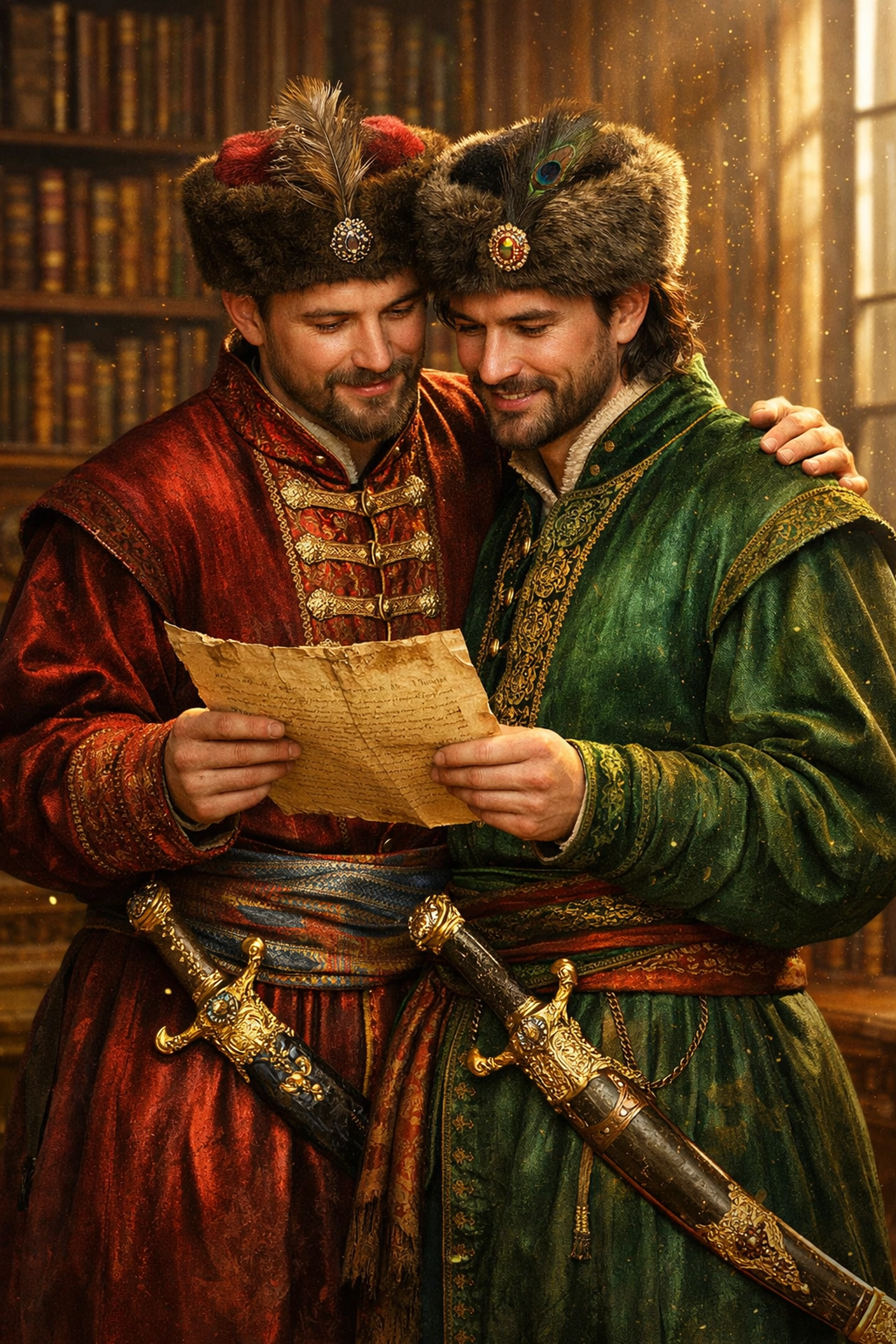
One of the most fascinating aspects of the Polish Golden Age was the concept of "Sarmatism." The Polish nobility believed they were descended from ancient Iranian warriors. This culture placed a massive emphasis on "brotherhood" and male-to-male bonding.
In many gay romance novels, we see the "brothers to lovers" or "comrades in arms" tropes. In 16th-century Poland, these bonds were legally and socially protected. Men would form "affined brotherhoods," swearing loyalty to each other that often superseded their loyalty to their wives or families. While many of these relationships were platonic, the language used in letters between these "brothers" is often incredibly intimate, full of longing and devotion.
For a writer of queer fiction, the Polish-Lithuanian Commonwealth is a goldmine. You have a society that values male intimacy above almost everything else, providing the perfect "slow burn" or "forced proximity" setup for a MM romance story.
Why We Need These Stories in 2026
You might be wondering, "Penny, why does this matter now?"
It matters because when we see ourselves in the past, it validates our presence in the future. In 2026, the landscape of LGBTQ+ fiction is broader than ever, but we still fight the myth that "queerness is a modern invention." By looking at the Polish Golden Age, we see that queer people have always been kings, soldiers, and thinkers.
Whether you're looking for popular gay books or diving into the best MM romance of the year, historical context adds a layer of richness to the reading experience. It’s why books like The Swordsman's Compass (which you can find at Read with Pride's store) resonate so deeply. They bridge the gap between "what was" and "what could have been."
The Renaissance of Queer Fiction
The Polish Golden Age wasn't just about politics; it was a time of intellectual flowering. Humanism brought a rediscovery of Greek and Roman texts: texts that often celebrated male-male love. Scholars and poets in the royal courts of Kraków were reading Virgil and Sappho, finding beauty in the very things the church condemned.
This intellectual freedom allowed for a "don't ask, don't tell" atmosphere that was remarkably progressive for the era. It’s a vibe we try to replicate in our community: a place where you can explore gay love stories without judgment. If you're looking to expand your digital library, check out our LGBTQ+ Kindle books for a trip through time and emotion.
Finding Your Own Golden Age
The history of the Polish-Lithuanian Commonwealth reminds us that even in "traditional" societies, there are always cracks where the light gets in. The queer figures of the Polish Golden Age might have been hidden by time, but they aren't gone. They live on in the archives, in the "unnatural" complaints of chroniclers, and in the gay historical romance novels we write today.
At Readwithpride.com, we’re committed to bringing you the best in MM fiction and queer authors who aren't afraid to dig into these hidden corners of history. From steamy MM romance to heartfelt gay fiction, our collection is designed to celebrate the full spectrum of the human experience.
What to read next?
If this dive into Polish history sparked your interest, you might enjoy exploring:
- Enemies to lovers MM romance set in Renaissance courts.
- Gay fantasy romance inspired by Slavic folklore.
- Top LGBTQ+ books of 2026 that reimagine historical figures.
History is only boring if you leave out the best parts. Let’s keep reading, keep writing, and keep uncovering the pride that was always there.
Stay authentic, stay curious.
Follow us for more queer history and book recs:
- Facebook: Read with Pride
- X (Twitter): @Read_With_Pride
- Instagram: @read.withpride
#ReadWithPride #MMRomance #QueerHistory #PolishGoldenAge #GayBooks2026 #GayHistoricalRomance #LGBTQFiction #MMFiction #GayLiterature #HiddenHistories

Check out our full catalog and more blog posts at readwithpride.com. Whether you're after free gay romance previews or the newest gay romance series, we've got you covered. Happy reading!

Leave a Reply
You must be logged in to post a comment.