
readwithpride.com
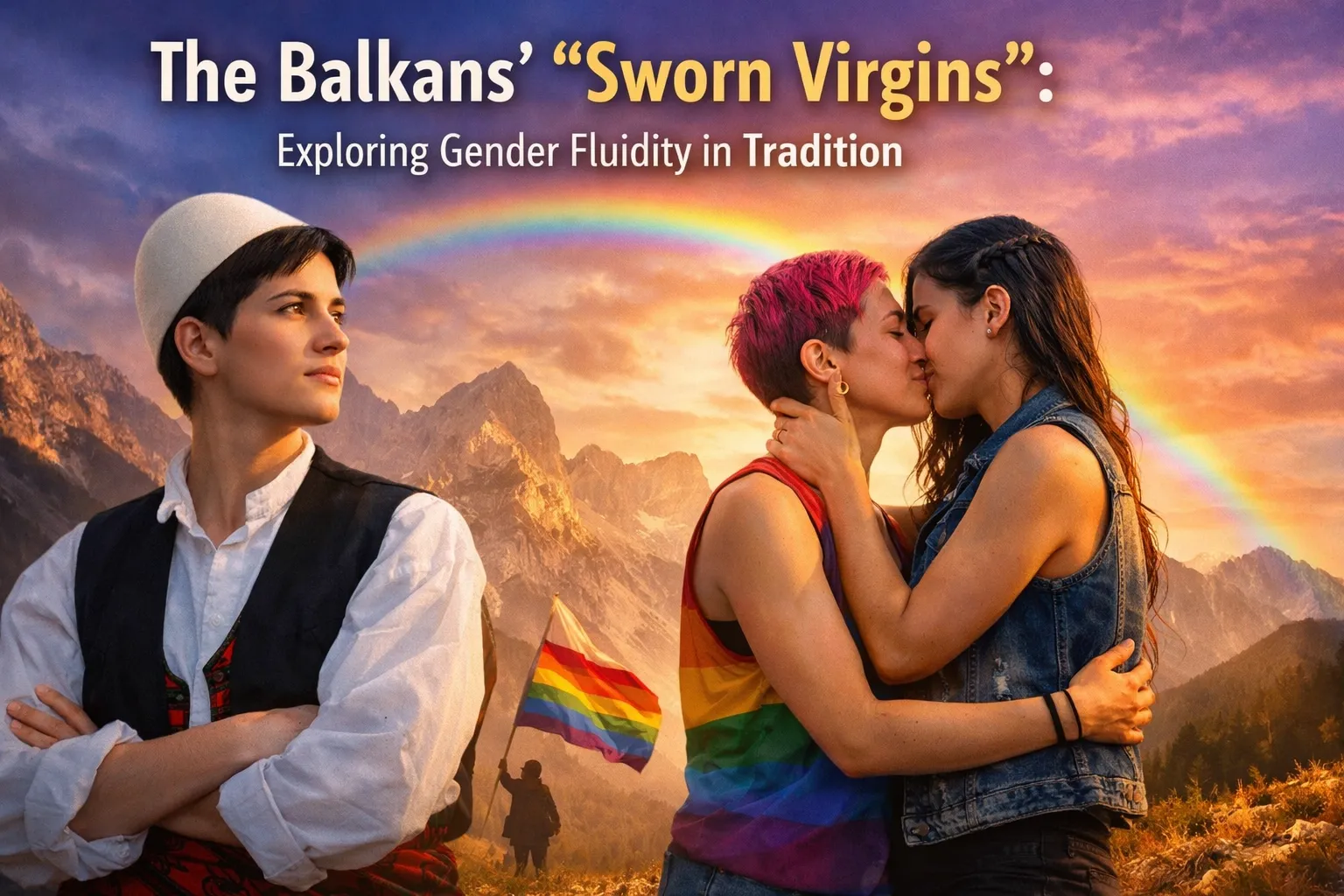
When we talk about gender fluidity today, it often feels like a very modern, digital-age conversation. We’ve got our labels, our TikTok explainers, and our beautiful, growing library of LGBTQ+ fiction that helps us navigate who we are. But if you head into the rugged mountains of Northern Albania, Kosovo, or Montenegro, you’ll find a tradition that’s been flipping the script on gender for over five hundred years.
Meet the Burrneshas, or the "Sworn Virgins" of the Balkans.
Long before the first MM romance books hit the shelves or the term "non-binary" entered the mainstream lexicon, these individuals were living a life that defied biological expectations. They weren't just "passing" as men; they were men in the eyes of their community. At Read with Pride, we’re obsessed with stories that challenge the status quo, and the history of the Burrneshas is perhaps one of the most fascinating real-life examples of how gender is often more about social performance than what's under your clothes.
The Law of the Mountains: The Kanun
To understand why someone would choose to live as a sworn virgin, you have to understand the Kanun of Lekë Dukagjini. This wasn't just a set of suggestions; it was a strict code of customary law that governed everything from property rights to blood feuds in the Ottoman-era Balkans.
In this world, society was strictly patriarchal. Men owned property, led the household, and, crucially, were the only ones allowed to participate in blood feuds (gjakmarrja). If a family lost all its male heirs to a feud or illness, they faced a crisis. Without a man, the family would lose its land, its wealth, and its social standing.
Enter the Sworn Virgin.
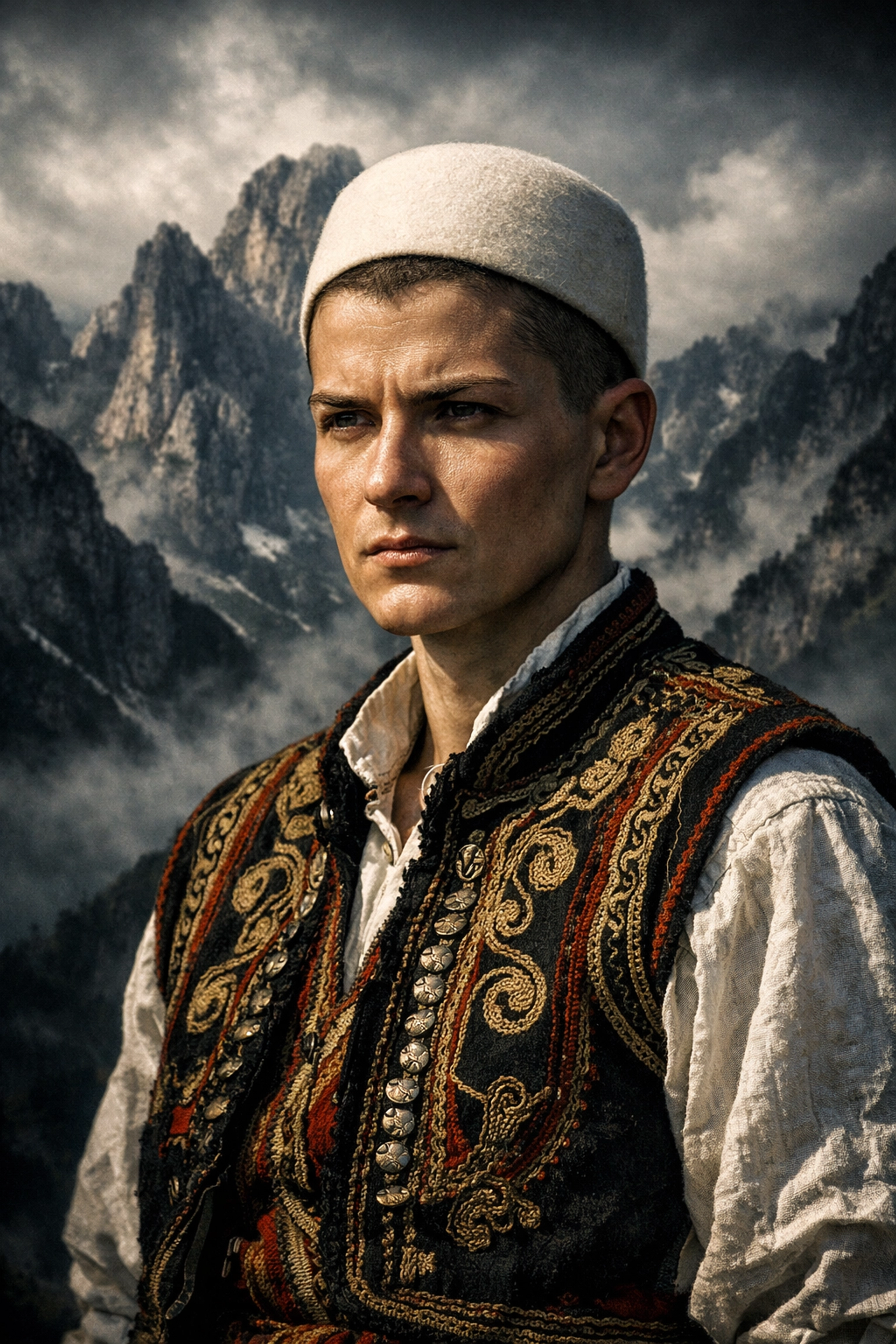
A woman could choose (or sometimes be pressured by family needs) to take an irrevocable vow of celibacy before twelve village elders. By swearing this oath, she transitioned into a man. She would cut her hair short, swap skirts for trousers, take a male name, and carry a gun. From that moment on, she was treated as a man in every single aspect of life.
Living the Life: More Than a Costume
What makes the Burrneshas so interesting to those of us who love gay historical romance or complex gender narratives is that this wasn't just a "hidden identity" trope. In many of our favorite MM novels, a character might cross-dress to survive or find love, but the Burrnesha tradition was a formal, socially recognized gender transition.
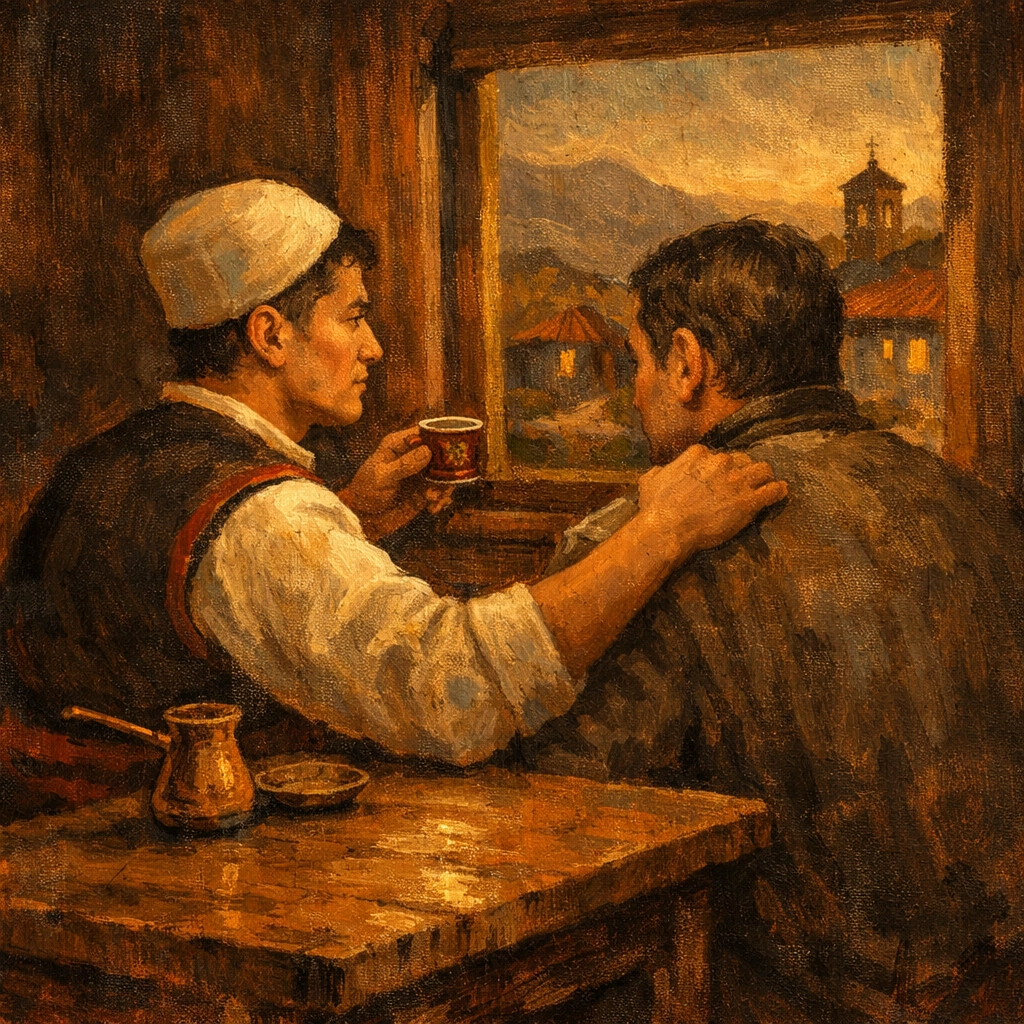
Once the vow was taken, the "true sex" of the person was never mentioned again. To do so was a grave insult, sometimes even punishable by death. These individuals didn't just play at being men; they sat with the men in the coffee houses, smoked, drank raki, and made decisions for the community. They were the heads of households.
For many, this was a massive upgrade in terms of agency. In a society where women were often treated as property, forced into arranged marriages, and expected to endure endless labor and childbearing, becoming a Sworn Virgin offered a path to freedom. It was a way to opt-out of the patriarchal "wife" role and step into a position of power and respect.
Connecting the Past to Our Modern Bookshelf
At Readwithpride.com, we see the echoes of these traditions in the tropes we love. Think about the "hidden identity" or "gender-bending" themes in gay fiction. Whether it’s a historical setting where a character must navigate a rigid society or a gay fantasy romance where magic allows for physical transformation, the core remains the same: the human desire to be seen for who we feel we are, rather than what society dictates.
The Burrnesha tradition shows us that gender has always been a bit of a construct. If a 15th-century tribal society could look at someone assigned female at birth and say, "Okay, you're a man now, let’s go get a drink and talk politics," it proves that the rigid gender binary we fight against today isn't as "natural" or "permanent" as some people like to claim.
The Cost of the Vow
Of course, this wasn't a perfect queer utopia. The price of this social transition was a lifetime of celibacy. To break the vow of "virginity" was to bring deep shame upon the family and potentially restart those aforementioned blood feuds.
In our M/M books and gay love stories, we usually want that "Happily Ever After" (HEA) that involves a romantic connection. For the Sworn Virgins, the HEA was independence and social authority, but it came at the cost of romantic and sexual expression. It’s a bittersweet trade-off that adds a layer of melancholy to their history: a theme often explored in emotional MM books and award-winning gay fiction.
The Decline of a Tradition
As the 21st century rolls on, the Burrnesha tradition is fading. Modernization, the fall of communism in Albania, and the slow creep of global LGBTQ+ awareness mean that young people in the Balkans have more options than their ancestors did. You don't have to swear a vow of celibacy to wear trousers anymore, and the legal systems of these countries are (slowly) catching up to the rest of Europe.
Today, there are only a handful of Sworn Virgins left, mostly in their 70s and 80s. They are the last of their kind: living relics of a time when gender was a tool used to navigate survival and honor.
Why This Matters for LGBTQ+ Readers in 2026
Why are we talking about this in 2026 gay books and blogs? Because history gives our identities roots. When we read gay literature or browse the latest new gay releases, we are part of a long, long line of people who realized the "standard" way of living didn't fit.
The Burrneshas weren't necessarily "trans" in the way we define it today, but they inhabited a space that challenged the binary. They remind us that human identity is incredibly flexible and that communities have always found ways: however strange or strict: to accommodate those who don't fit the mold.
If you’re looking for stories that dive into these complex themes of identity and sacrifice, check out our curated lists of popular gay books and MM contemporary titles. We love highlighting authors who aren't afraid to look at the messy, beautiful reality of being human.
Wrap Up and Read On
The Balkans have a complex relationship with LGBTQ+ rights today, but the history of the Sworn Virgins proves that "tradition" isn't always as straight-laced as people think. From the rugged peaks of Albania to the digital pages of your favorite LGBTQ+ Kindle books, the story of gender is still being written.
Want to explore more? Dive into our sitemaps to find your next favorite read:
Don't forget to follow our journey and join the conversation on social media! We’re always talking about the best MM romance books and the queer history that inspires them.
- Facebook: Read with Pride
- Instagram: @read.withpride
- X (Twitter): @Read_With_Pride
Whether you’re into steamy MM romance, gay psychological thrillers, or gay historical romance, there’s a story waiting for you at readwithpride.com. Let’s keep reading, keep learning, and keep living with pride.
#LGBTQHistory #Burrnesha #SwornVirgins #BalkanHistory #ReadWithPride #MMRomance #GayBooks #GenderFluidity #QueerCulture #2026Reading #GayLiterature

Leave a Reply
You must be logged in to post a comment.