
readwithpride.com
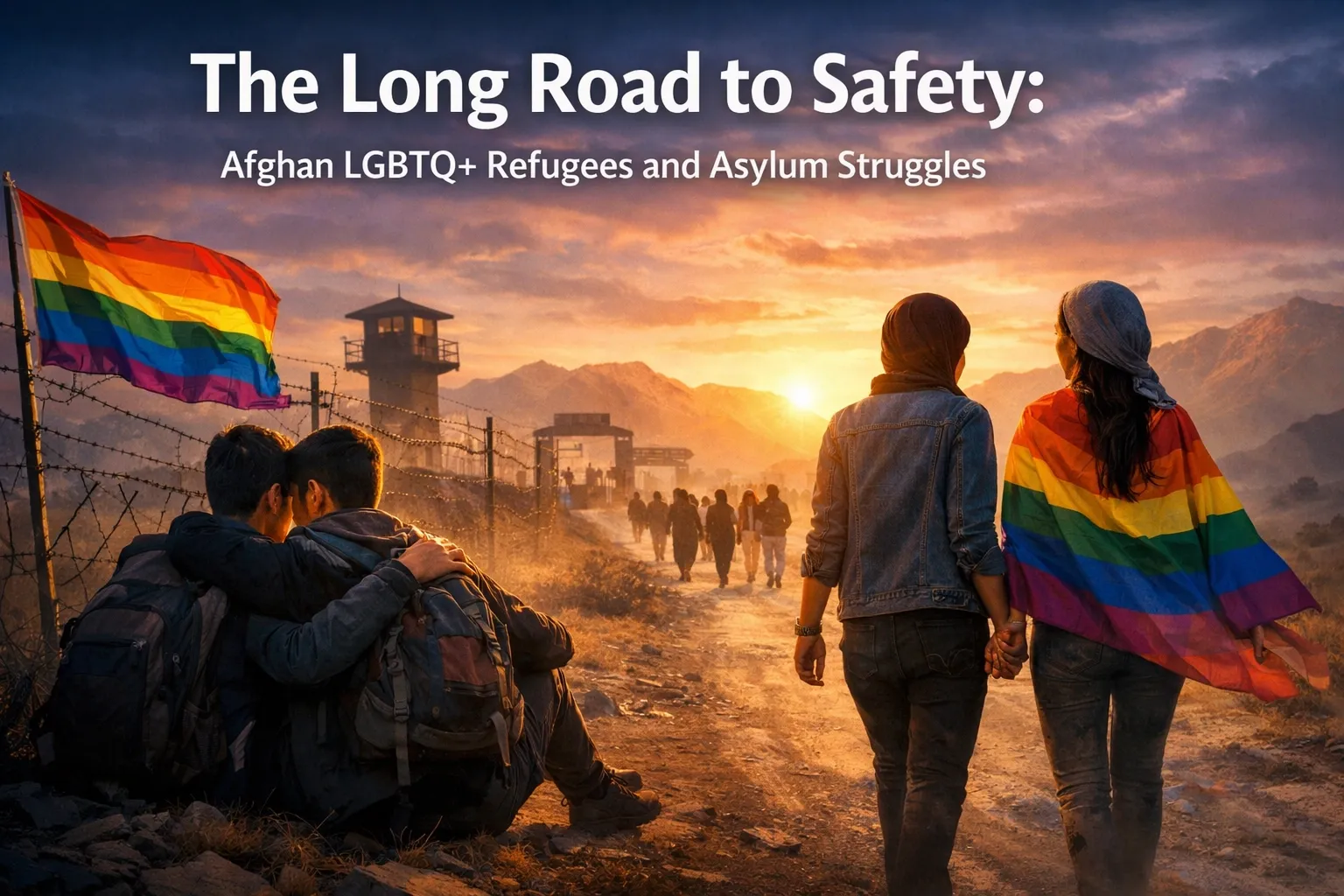
At Read with Pride, we spend a lot of our time celebrating the "Happily Ever After." We dive deep into the world of MM romance books, swoon over the latest gay romance novels, and lose ourselves in LGBTQ+ fiction where love always wins against the odds. But today, we need to talk about a reality that is far from a fictional trope. It’s a story of survival, resilience, and a road to safety that is paved with more obstacles than any gay adventure romance could ever depict.
The situation for the LGBTQ+ community in Afghanistan has shifted from difficult to catastrophic. While we talk about the best MM romance books of 2026, queer Afghans are living through a timeline that feels like it’s been dragged back centuries.
A History of Shadows and Silence
To understand where we are, we have to look at where we’ve been. Historically, Afghanistan has never been a "Queer Mecca," but there was a time: before the 2021 collapse: where a subterranean life existed. In the larger cities like Kabul, there were whispers of a community. People found each other. There were secret parties, coded language, and a sense of shared identity, even if it was lived entirely behind closed doors.
It wasn't legal, sure. But it wasn't the systematic, state-sponsored hunt we see today. Since the Taliban regained control in August 2021, the safety net (as thin as it was) has been shredded. The community has gone from living in the shadows to living in a literal bunker.
The Taliban’s Definition of "Moral Criminals"
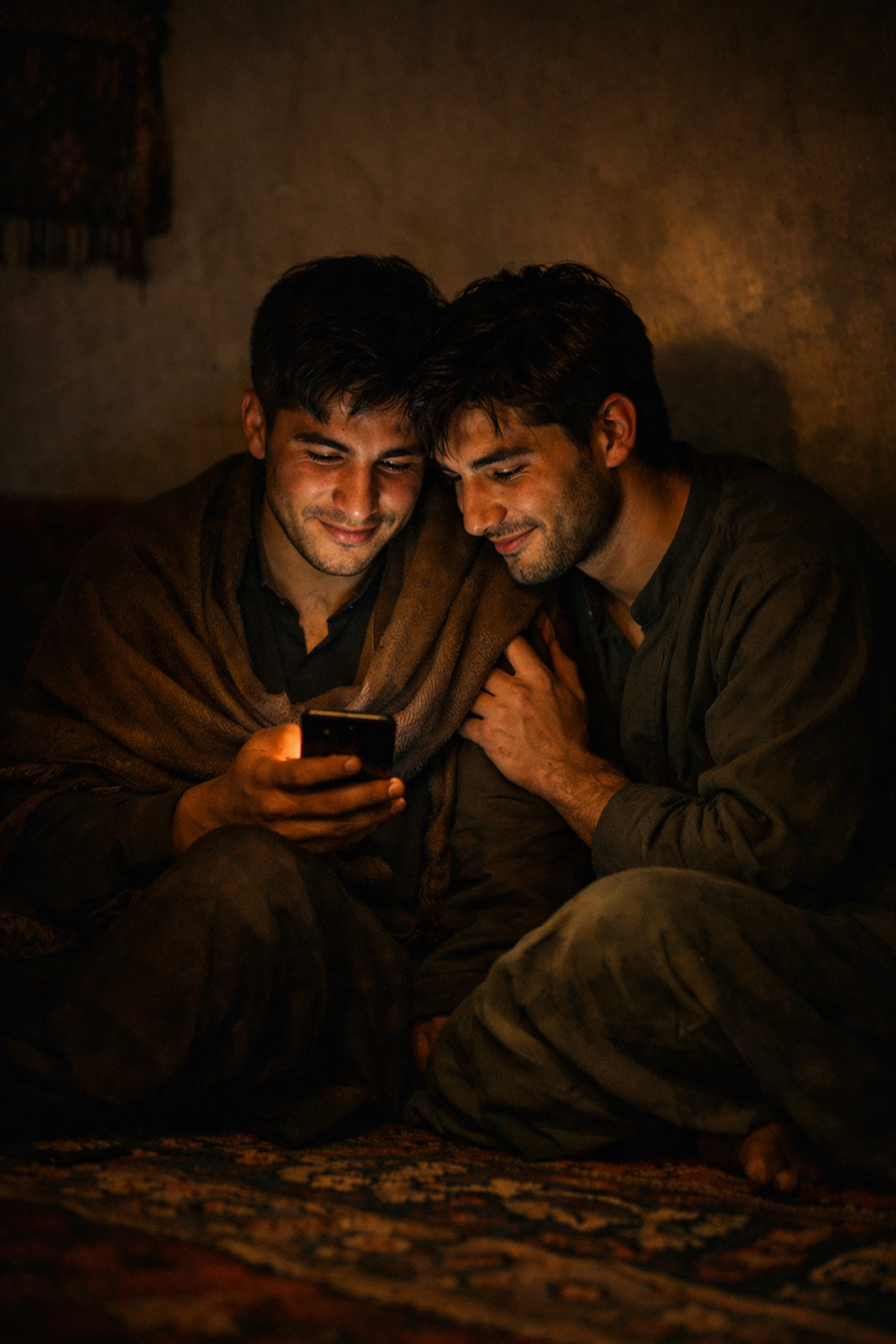
The current regime doesn't just disapprove of LGBTQ+ people; they view them as "moral criminals." We aren't just talking about social stigma here. We are talking about systematic abuse. According to reports from survivors and international human rights groups, the tactics used are nothing short of medieval. Harassment, torture, and extrajudicial executions: including the horrific practice of crushing individuals under walls: have become the ultimate threat used to keep the community in a state of constant terror.
For many of us who read gay psychological thrillers, the tension is something we enjoy because we know we can close the book. For a gay man or a trans woman in Kabul right now, that tension never ends. Transgender individuals are in particularly high peril. Gender identity is often harder to mask than sexual orientation, making them walking targets for Taliban members or even hostile neighbors looking to prove their "piety."
The Impossible Choice: To Stay or to Flee?
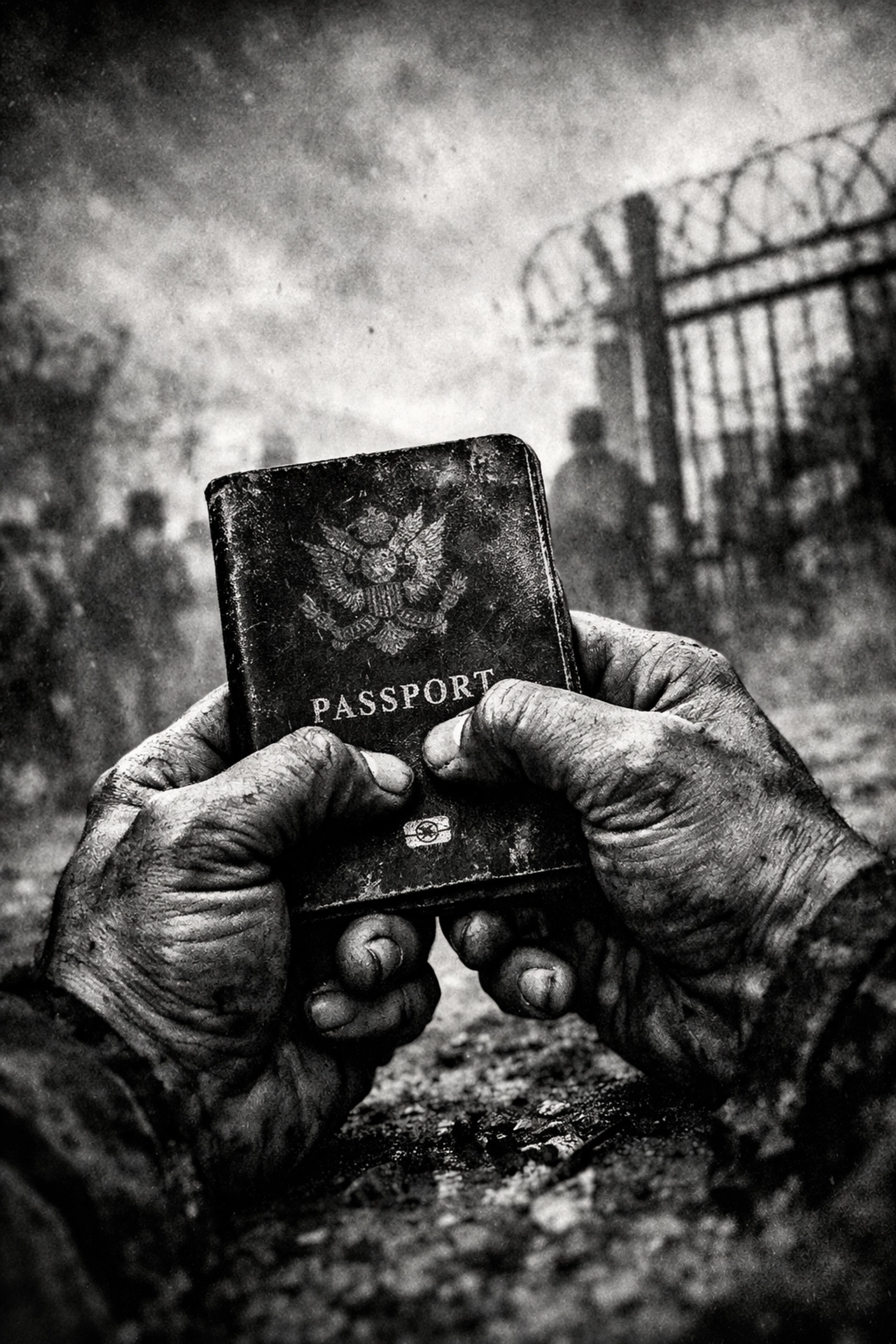
You might wonder why everyone doesn't just leave. If only it were that simple. Imagine trying to get a passport when the very office you have to visit is run by the people who want you dead. For a gender-nonconforming person, walking into a government building is like walking into a trap.
Checkpoints are everywhere. Taliban officials scan faces, check phones, and look for any sign of "deviance." If you don't have a passport, your only option is to cross borders illegally, which requires money and connections: two things that many queer Afghans, who have been cut off from their families and jobs, simply don't have.
The Paradox of Exile: Out of the Frying Pan…
For those lucky enough to make it across the border into neighboring countries like Pakistan or Iran, the nightmare doesn't necessarily end. This is the part of the "refugee story" that often gets left out of mainstream news. Most countries neighboring Afghanistan also criminalize same-sex relations.
You flee a country where you can be killed for being gay, only to end up in a country where you can be imprisoned for it. Refugees live in a constant state of limbo, fearing that if they are caught without legal residency, they will be deported back to the Taliban. It’s a paradox of persecution: you’re a refugee because you’re queer, but you have to hide being queer to survive as a refugee.
The Asylum Maze: Proving You’re "Gay Enough"
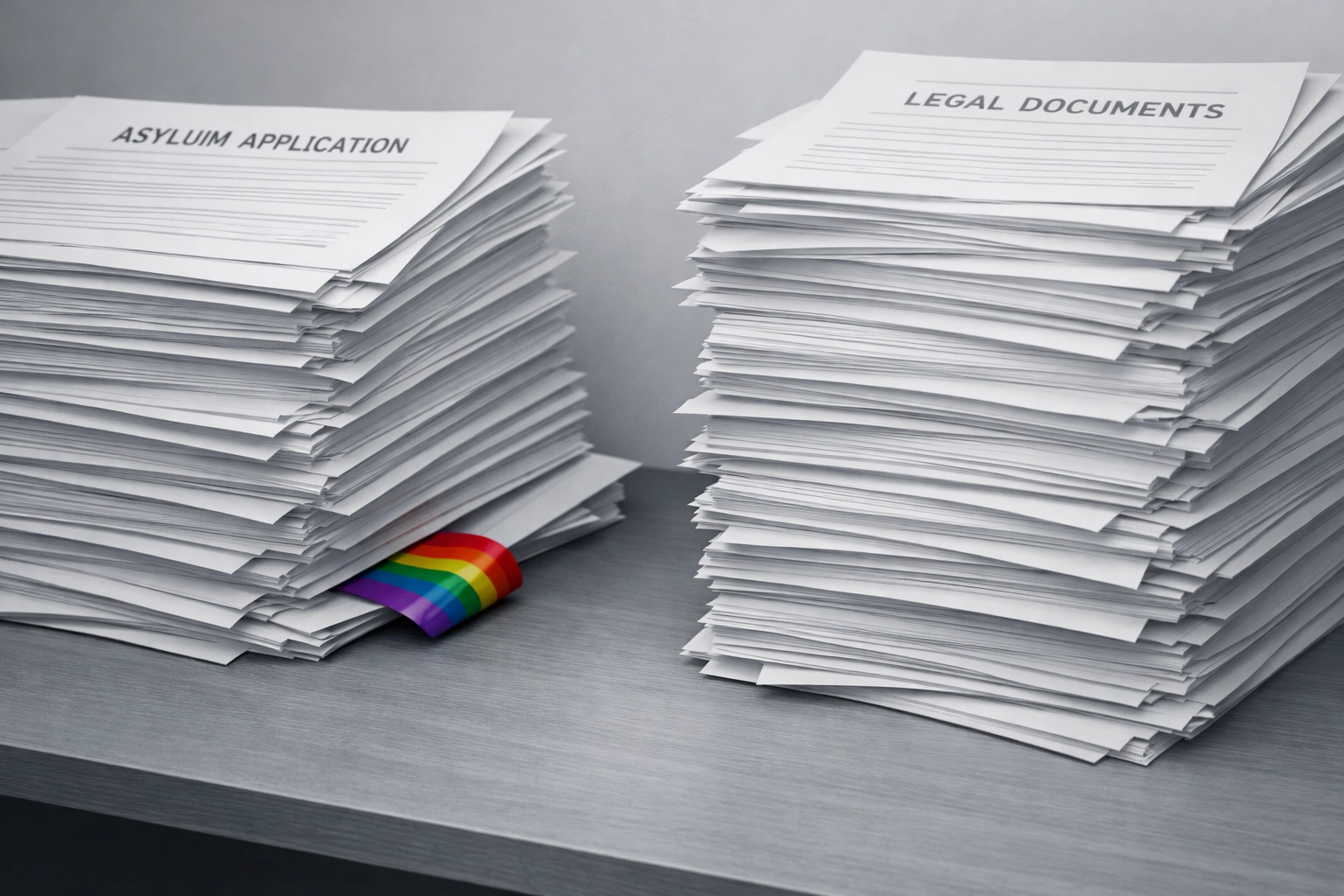
If an Afghan LGBTQ+ person manages to reach a Western country or begins the asylum process through the UN, they hit a new, bureaucratic wall. This is where the struggle becomes a matter of paperwork and "proof."
Asylum adjudicators often require "evidence" of a person's sexual orientation or gender identity. But how do you provide evidence for a life you’ve spent twenty years hiding? Many Afghan queer people have entered into heterosexual marriages as a survival strategy: a common theme in gay historical romance that remains a brutal reality in 2026. To a Western bureaucrat, a marriage certificate might look like "proof" that the person isn't actually gay, ignoring the fact that the marriage was literally a shield against death.
The burden of proof is heavy, and the support is light. This is why we at Read with Pride believe in the power of queer fiction and gay literature to bridge the empathy gap. These aren't just "stories." They are the blueprints of lives lived in secret.
Why Visibility Matters in 2026
You might be thinking, "I’m just here for the heartfelt gay fiction and the steamy MM romance." And that’s okay! But the reason we advocate for popular gay books and new gay releases is that every time a queer story is told, it makes it harder for the world to ignore queer lives.
When we read M/M books, we are validating the existence of gay love. When we support queer authors, we are ensuring that the narrative doesn't just belong to those in power. For an Afghan refugee, seeing their identity reflected in a gay love story: even if it's one from a different culture: can be a lifeline. It’s proof that they are not "broken" or "moral criminals," but part of a global family that is rooting for them.
How the Community is Fighting Back
Despite the darkness, there is a incredible resilience. Underground networks continue to help people find safe houses. "Unicorn" soldiers and activists are working from the outside to provide digital security training to those still inside. The international community is slowly: very slowly: starting to realize that LGBTQ+ status should be a priority category for resettlement.
How You Can Help
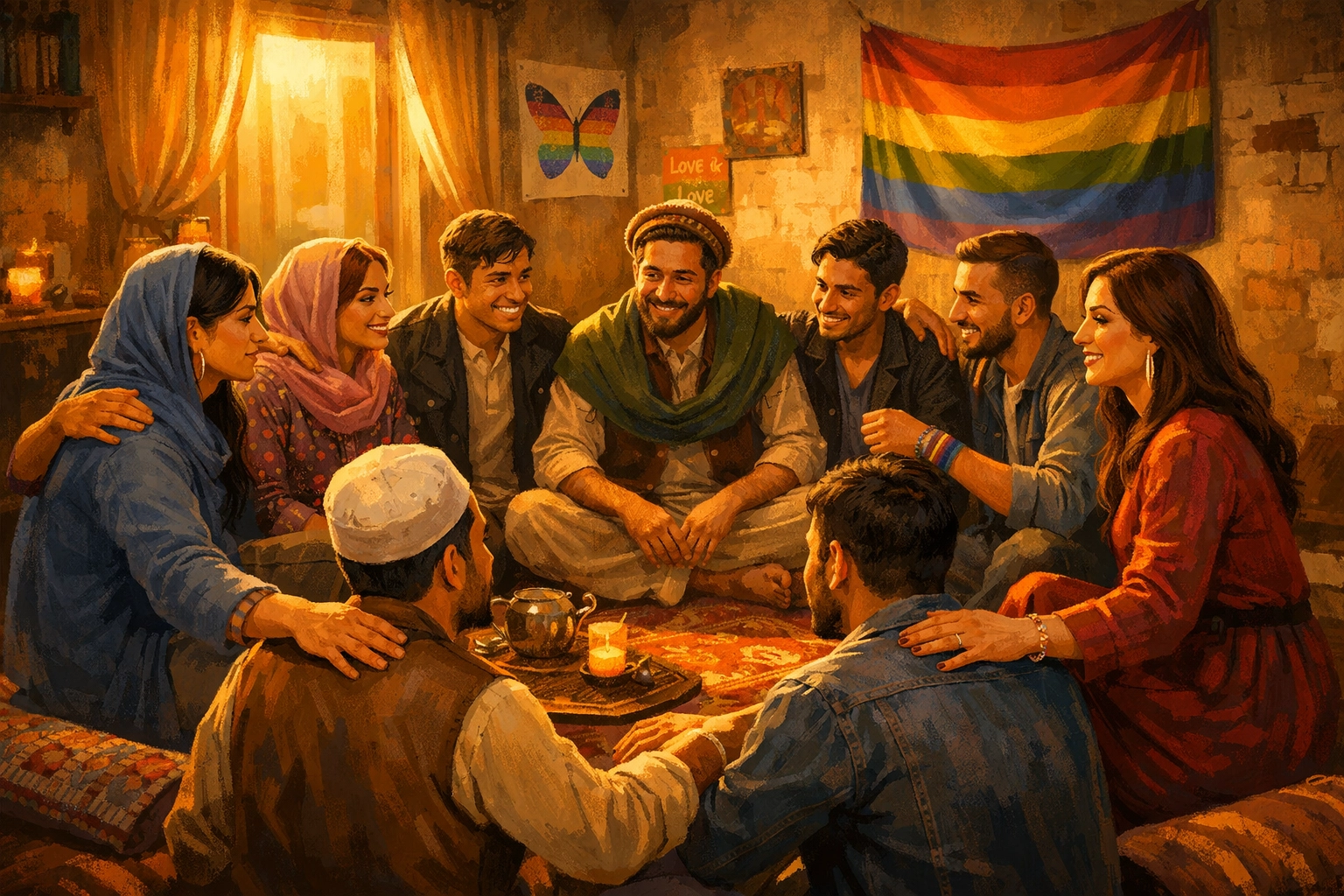
We aren't just a publisher; we are a community. If you want to do more than just read gay romance novels, here are a few ways to support Afghan LGBTQ+ refugees:
- Support Organizations: Groups like Rainbow Railroad and Aman Project do the heavy lifting of getting people to safety.
- Raise Awareness: Share articles like this. Use your platform to remind the world that the crisis in Afghanistan didn't end when the news cameras left.
- Advocate for Fair Asylum: Support policies that recognize the unique dangers faced by LGBTQ+ refugees.
At readwithpride.com, we believe that everyone deserves their "Happily Ever After." For our siblings in Afghanistan, the road is long, and it is dangerous, but they aren't walking it alone.
Stay tuned for more updates on LGBTQ+ history and modern struggles from around the globe. Whether we're discussing top LGBTQ+ books or serious human rights issues, we remain committed to being an authentic voice for the community.
Check out our blog-category-sitemap1.xml for more deep dives into queer history, or visit our store to support the authors who keep our stories alive.
Follow us for more updates:
#ReadWithPride #LGBTQRefugees #AfghanQueerLife #GayBooks #MMRomance #QueerHistory #HumanRights2026 #GayFiction #SupportRefugees #LGBTQVisibility

Leave a Reply
You must be logged in to post a comment.