readwithpride.com
When we talk about the "coming out" narrative in Western queer fiction, it usually follows a pretty standard script: there’s a secret, a dramatic reveal, maybe some initial friction, and then: hopefully: a celebratory brunch. But for those navigating the intersection of Afghan identity and LGBTQ+ life, that script doesn’t just need a rewrite; it needs an entirely different language.
At Read with Pride, we believe that every story deserves to be told, especially the ones that exist in the quiet spaces between cultures. Being Afghan, Muslim, and queer isn't a contradiction, though the world often tries to tell us it is. It’s a complex, beautiful, and sometimes harrowing journey of balancing ancient traditions with modern truths.
The Layers of Afghan Queer Identity
To understand the Afghan LGBTQ+ experience, you have to look past the headlines. For many, identity is a tapestry woven from family loyalty (khandaan), faith, and a deep-seated cultural pride that doesn’t just vanish because of who you love.
In many Western gay romance novels, the protagonist’s primary struggle is finding "the one." For a queer Afghan person, the struggle is often about maintaining "the all": keeping the connection to their community and heritage while surviving in a world that might not have a category for them yet.
A Look Back: History Beyond the Headlines
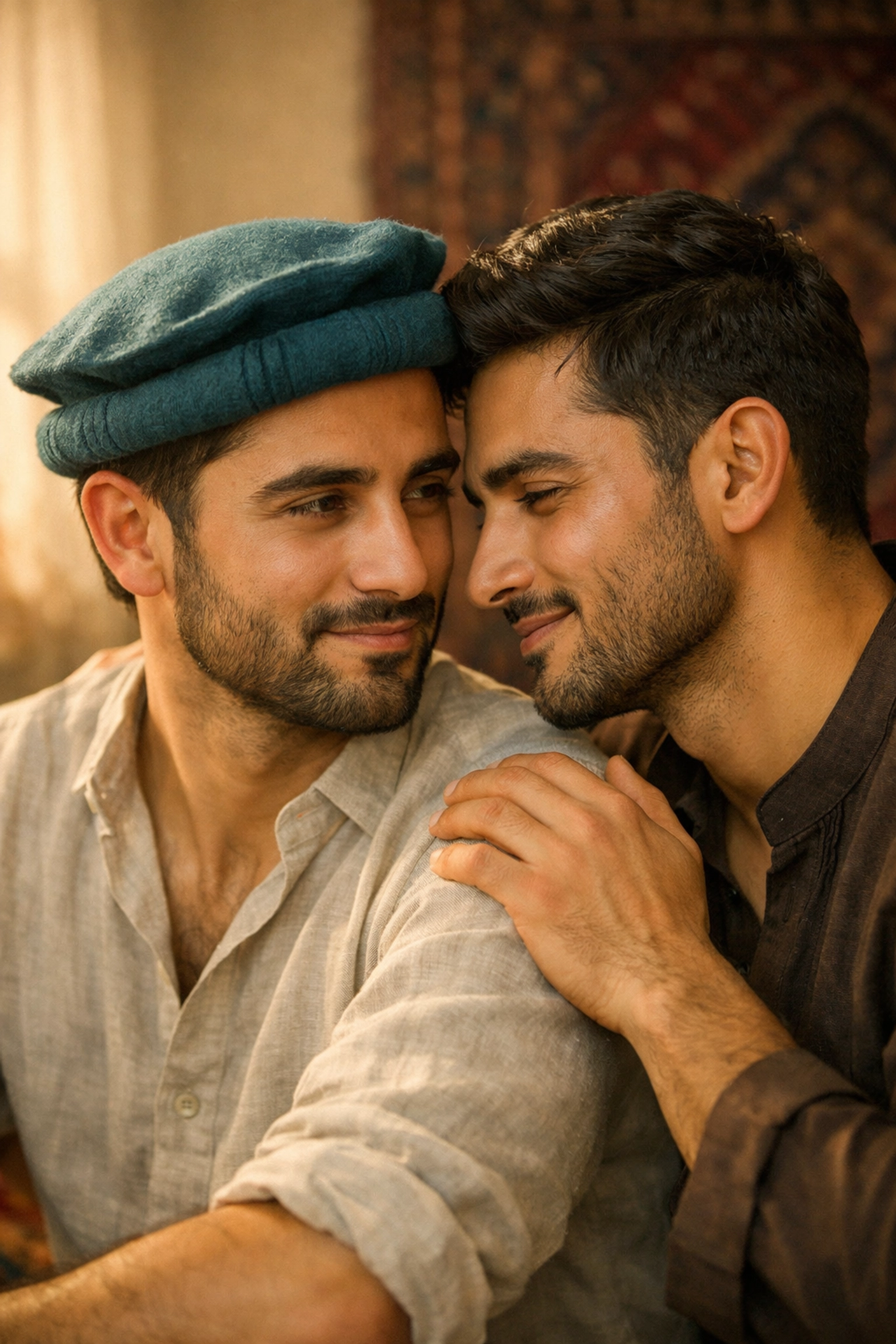
It’s a common misconception that LGBTQ+ identities are a "Western import" to the East. History tells a much different story. If you dig into the history of the region, you’ll find a long tradition of homoerotic poetry and a nuanced understanding of gender that predates modern Western labels.
Before the geopolitical shifts of the late 20th century, cities like Kabul were hubs of artistic expression. While it wasn’t an "out and proud" culture in the way we see in San Francisco or London today, there were subtexts and secret languages. The "Bacha Bazi" practice is often cited by outsiders, but it’s a deeply problematic and abusive practice that is distinct from the consensual, romantic gay love stories that have always existed in the shadows of Afghan history.
Understanding this history is vital. It reminds us that being queer isn't "un-Afghan." It’s a part of the human fabric that has always been there, even when the laws tried to iron it out.
The Faith Factor: Being Muslim and LGBTQ+
One of the biggest hurdles many in our community face is the perceived wall between Islam and queerness. For an Afghan person, Islam isn't just a religion; it’s the rhythm of daily life. The calls to prayer, the holidays, and the moral framework are deeply embedded.
Navigating this doesn't always mean walking away from faith. Many LGBTQ+ Afghans find ways to reconcile their spirituality with their sexuality, interpreting their relationship with the Divine as one based on love and inherent worth. It’s about moving from a place of "forbidden" to a place of "intentional."
The Harsh Reality: 2021 and the Taliban Shift
We can’t talk about Afghan queer life in 2026 without acknowledging the seismic shift that occurred in August 2021. The return of the Taliban transformed a difficult situation into a lethal one.
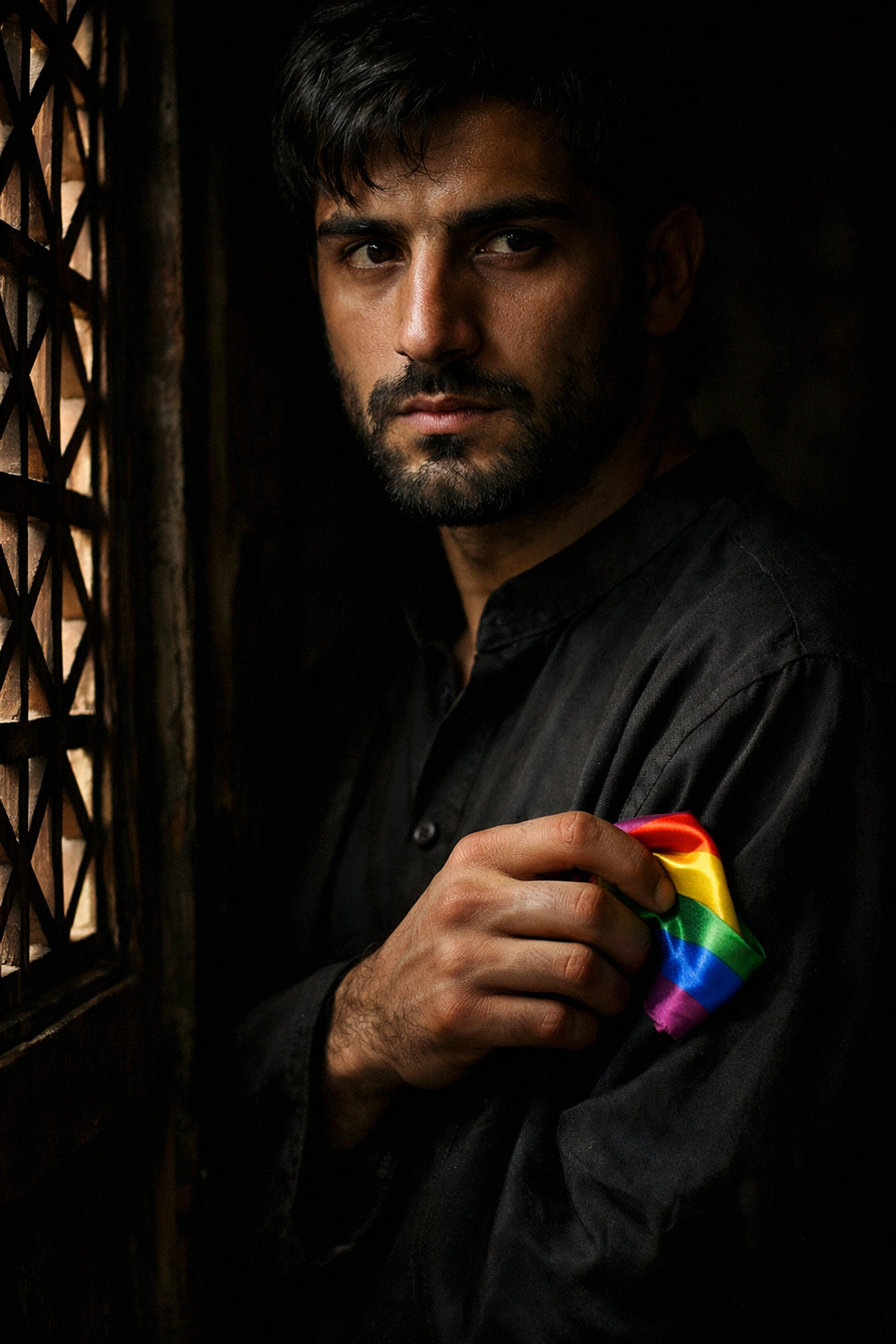
Under the current regime, the legal context is terrifying. We’re talking about "kill lists" and methods of execution that sound like they belong in a dark gay psychological thriller, not modern reality. For those still in the country, life is lived in a state of total surveillance.
- State Persecution: Explicit targeting by the Taliban, where being outed can lead to a death sentence.
- The Threat of Betrayal: Perhaps the most heartbreaking aspect is the fear of being reported by neighbors or even family members: sometimes out of malice, and sometimes out of a desperate attempt to protect the rest of the family from the regime's wrath.
- The Trans Experience: For trans Afghans, the danger is doubled. With ID cards reflecting assigned sex at birth, simple checkpoints become life-or-death gambles.
Why We Need Afghan Queer Stories in 2026
This is why Read with Pride exists. When the physical world becomes too small or too dangerous, stories provide the oxygen. Whether it’s through LGBTQ+ ebooks or community blogs, seeing a reflection of yourself is a revolutionary act of survival.
In the world of MM romance books, we’re starting to see more diverse voices. We need more gay historical romance that explores the Silk Road, and more gay contemporary romance that deals with the reality of the diaspora. These aren't just books; they are blueprints for a life that feels possible.
If you’re looking for stories that bridge these worlds, check out our blog category sitemap or browse through our product categories to find narratives that honor the complexity of intersectional identities.
Living in the Diaspora: The New Frontier
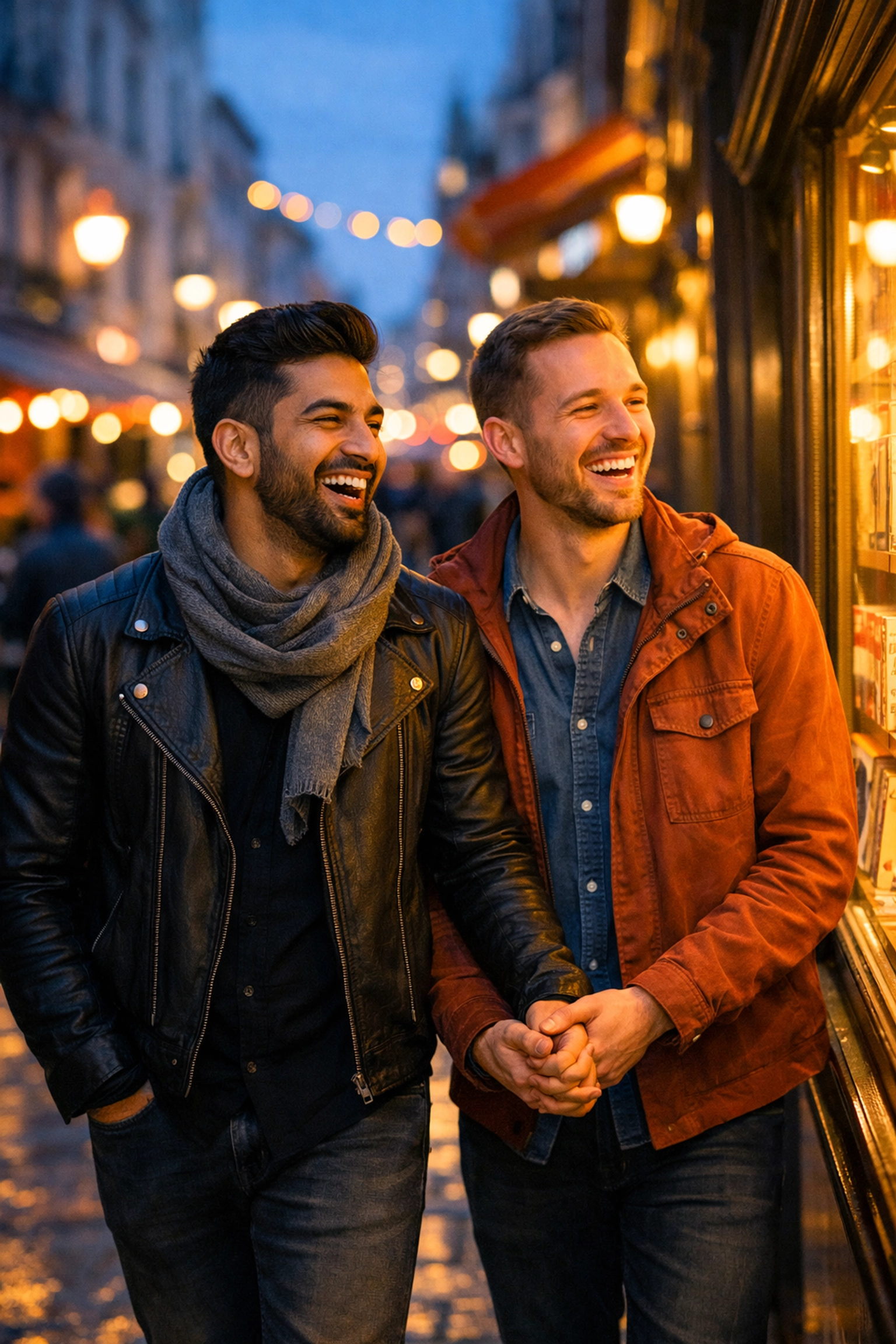
For the lucky few who have managed to flee to the UK, Europe, or North America, the struggle doesn't end; it just changes shape. There’s the "double closet": feeling not Afghan enough for the diaspora and not "white" enough for the mainstream LGBTQ+ scene.
Many Afghan refugees find themselves searching for popular gay books that resonate with their specific cultural trauma and triumph. They aren't just looking for a "happily ever after"; they’re looking for a "happily and authentically ever after."
How to Support the Community
If you're reading this and wondering how to help, it starts with visibility and advocacy. Support organizations that focus on LGBTQ+ refugees. Amplify the voices of Afghan queer creators.
And, of course, keep reading. Every time you pick up one of the best MM romance titles featuring diverse leads, or share a post from our Instagram, you’re helping to shift the cultural needle. You’re saying that these stories matter.
The Future of the "Unicorns"
In Ukraine, queer soldiers took on the symbol of the unicorn. In the Afghan context, the symbols of resistance are often more private: a piece of poetry, a secret social media group, or the silent resilience of staying alive.
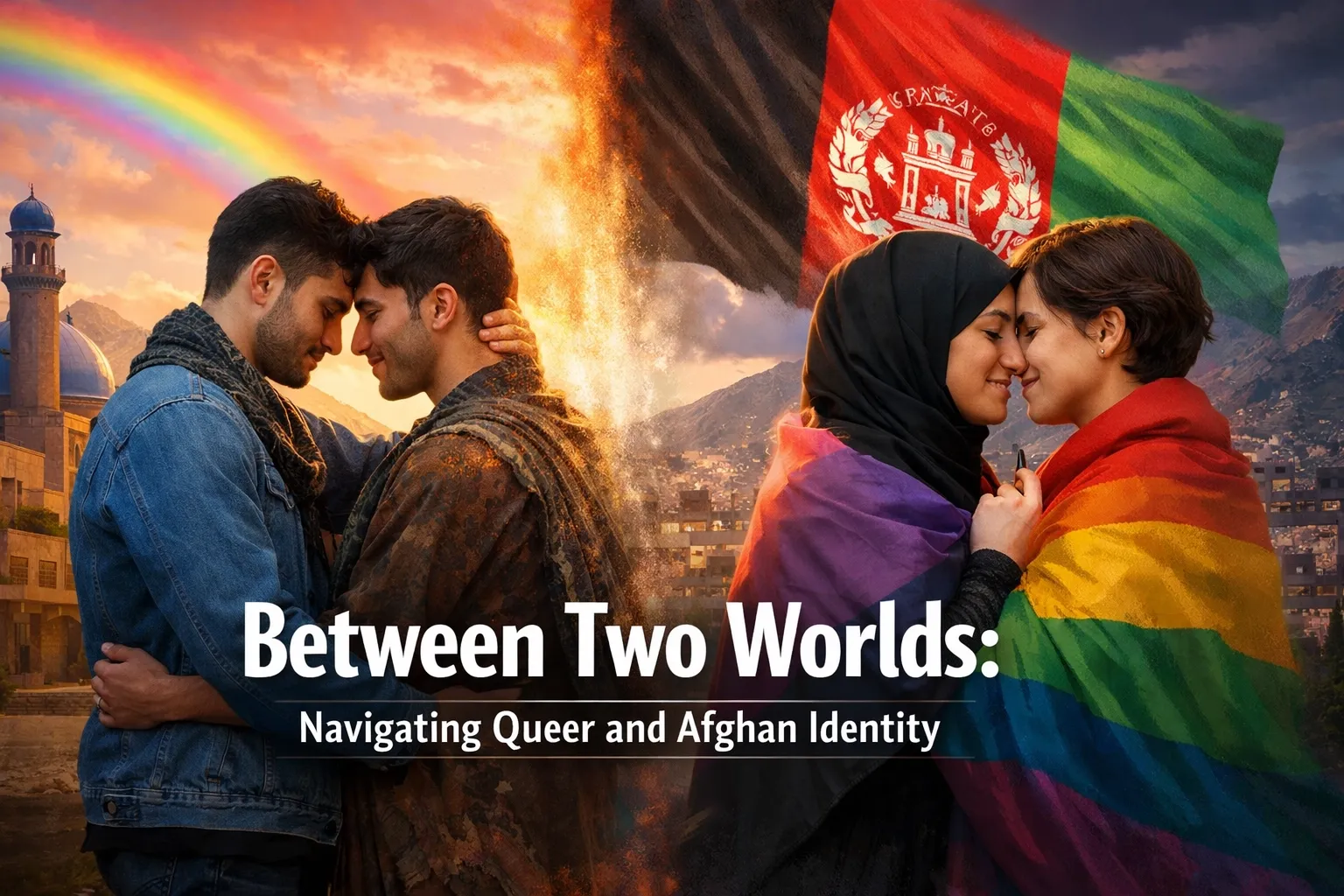
The future of Nordic equality (which we recently discussed) feels like a world away from the streets of Kabul, but the goal is the same: the right to exist without fear. As we move through 2026, let’s commit to not forgetting the people living "between two worlds."
Join the Conversation
We want to hear from you. Have you read any gay novels or queer fiction that accurately captured the intersection of faith and identity? What tropes in MM romance would you love to see applied to more diverse cultural backgrounds?
Stay connected with us for the latest 2026 gay books and updates:
- Follow us on Facebook
- Catch our latest thoughts on X (formerly Twitter)
- See the beauty of our community on Instagram
At Readwithpride.com, we aren't just publishing books; we're building a library of human experience. Whether you’re looking for a steamy MM romance, a gay spy romance, or a heartfelt gay fiction piece that makes you weep, you’ll find a home here.
Explore more:
Let’s keep reading, keep sharing, and keep showing the world that pride has no borders.
#ReadWithPride #AfghanLGBTQ #QueerIdentity #MMRomance #GayBooks2026 #Intersectionality #LGBTQStories #GayRomanceNovels #ReadWithPride2026

Leave a Reply
You must be logged in to post a comment.