

readwithpride.com
When we talk about the history of queer life in Afghanistan, it’s easy to get caught up in the headlines of today. We see a landscape that feels incredibly rigid, but if we peel back the layers of history: like a well-plotted MM historical romance: we find a story that is far more complex, fluid, and, frankly, surprising. At Read with Pride, we believe that understanding the past is the only way to write a better future.
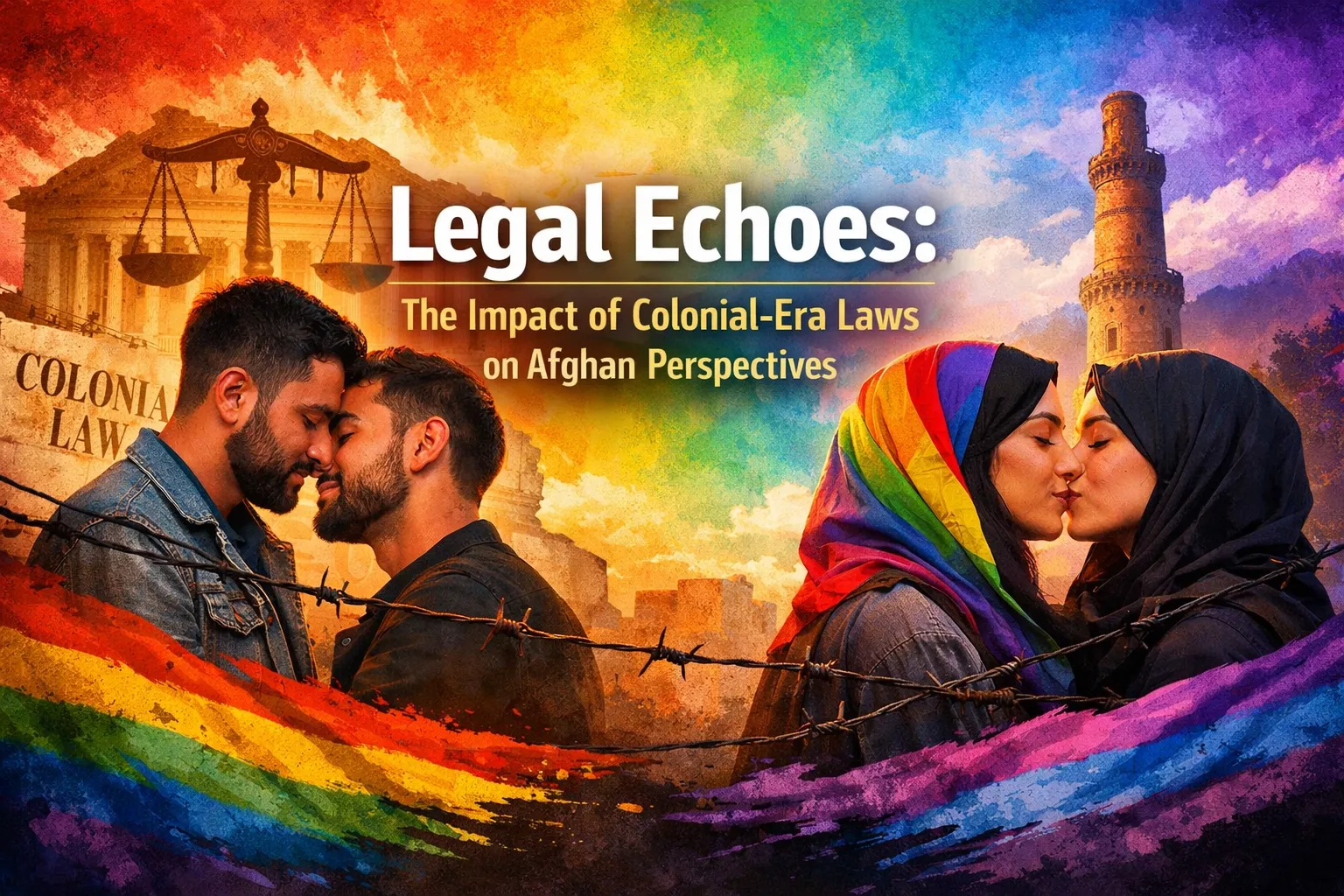
The reality is that modern-day perceptions of homosexuality in Afghanistan weren't birthed in a vacuum. They are, in many ways, the "legal echoes" of colonial-era frameworks and foreign influences that reshaped a culture which once had a very different relationship with gender and desire. Today, as we navigate the world of LGBTQ+ fiction and gay literature in 2026, it’s vital to look back at how these legal structures were built and how they continue to impact lives today.
The Pre-Colonial Fluidity: A Different Kind of Story
Before the "Great Game" between the British and Russian empires turned Afghanistan into a literal buffer state, the region’s views on masculinity and same-sex attraction didn't mirror the Western binary we know today. If you dive into classical Persian and Pashto poetry: the kind of stuff that would make for the most heartfelt gay fiction: you’ll find themes of male beauty and devotion that were woven into the very fabric of society.
Historically, same-sex love wasn't always framed as an "identity" in the way we talk about being "gay" or "bisexual" in 2026. Instead, it was often a recognized, if sometimes complicated, part of the social hierarchy. From the courts of kings to the verses of Sufi mystics, the "beloved" was often male. This wasn't a "utopia," but it was a space where the strict legal prohibitions we see now hadn't yet been codified by Western-style penal codes.
The British Shadow and Victorian Morality
While Afghanistan was never formally a British colony, it was heavily influenced by the legal "reforms" happening right across the border in British India. The British brought with them a very specific brand of Victorian morality: one that was obsessed with "purity" and the criminalization of what they called "unnatural offenses."
Section 377 of the British Indian Penal Code of 1860 is perhaps the most infamous legal export in history. It criminalized same-sex acts and set the tone for how "modern" legal systems should treat queer people. As Afghan rulers sought to "modernize" their state to survive the pressures of the British and Russians, they often adopted these European frameworks of governance and morality to appear "civilized" on the world stage.

At Readwithpride.com, we often see these themes mirrored in gay historical romance. The "clash of cultures" isn't just a trope; it was a lived reality that systematically erased indigenous ways of being and replaced them with rigid, imported legal definitions.
The 1964 Constitution: A Modernist Glimmer
Fast forward to the mid-20th century. Many people don't realize that Afghanistan had a "Golden Age" in the 1960s and 70s. The 1964 Constitution was a massive departure from traditional governance. it formalized the separation of powers and a bill of rights. It was a move toward a more secular, centralized legal system that treated state legislation as the primary source of law.
During this time, Kabul was a cosmopolitan hub. While it wasn't exactly a "Pride parade" atmosphere, there was a level of tolerance and a push toward education and modernization that allowed for a broader range of expressions. This era is a favorite for many writers of gay contemporary romance set in the Middle East, as it represents a "what if" moment in history.
However, even these modernist frameworks were built on the foundations of the colonial-era administrative structures that the British had helped establish during the 19th century. The idea of the state having the power to regulate private morality was a concept that had been strengthened by colonial influence.
The Reversal: From Modernism to Supremacy
The tragedy of the late 20th and early 21st centuries in Afghanistan is the radical rejection of these modernist (and by extension, foreign-influenced) legal models. When the Taliban first rose to power, and again in their current iteration, they explicitly rejected the 1964 constitutional model.
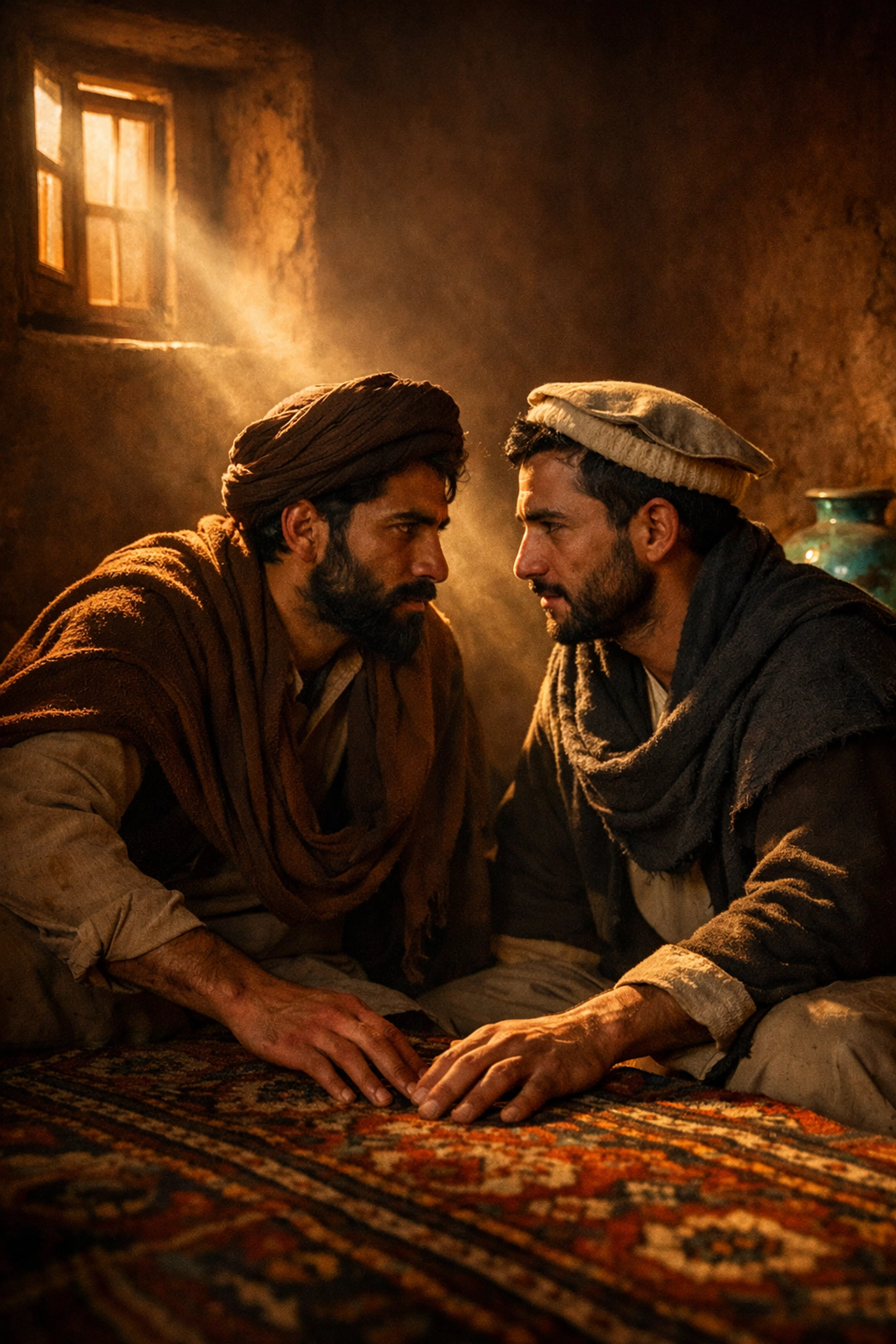
Instead of the hybrid legal system that blended state law with local custom, they elevated a specific, hardline interpretation of Hanafi jurisprudence to supreme legal authority. In doing so, they didn't just return to "tradition": they created a new, hyper-legalistic environment where the state uses its power to police gender and sexuality with a severity that would have been alien to the Sufi poets of old.
The irony? By framing their opposition to LGBTQ+ rights as a rejection of "Western values," they are actually reacting against a legal rigidity that the West helped introduce through colonial-era border-making and moral policing in the first place.
Queer Resilience and the Power of Storytelling in 2026
So, where does that leave us today? For queer Afghans, life is a masterclass in resilience. Despite the legal echoes of the past and the harsh realities of the present, the community survives. They find ways to connect, to love, and to tell their stories, often in secret.
At Read with Pride, we believe that MM romance books and queer fiction are more than just entertainment. They are a way to reclaim the narrative. When we read or write gay novels that explore these complex histories, we are challenging the idea that being queer is a "Western import." We are affirming that our stories have always existed, in every corner of the globe, including Afghanistan.
If you’re looking to dive deeper into these themes, check out our latest releases at Readwithpride.com/store/dickfergusonwriter. We specialize in stories that don't shy away from the hard truths but always center on the beauty of queer connection.
Why These History Lessons Matter for the MM Romance Community
You might wonder, "Penny, why are we talking about 19th-century penal codes in a blog for a publisher?" It’s simple: the books we love: the top LGBTQ+ books of 2026: don't exist in a vacuum. Every MM contemporary or gay thriller is informed by the world we live in.
Understanding that the current legal situation in Afghanistan is a product of historical layering: colonial influence, followed by modernist reform, followed by radical traditionalist backlash: helps us support Afghan activists more effectively. It allows us to see that the struggle for rights isn't just about "changing minds"; it's about dismantling centuries of legal frameworks that were never designed to protect us.
For those of us in the gay book club world, let’s make a pact to seek out queer authors from diverse backgrounds. Let’s read the stories that have been silenced by these legal echoes.
Looking Forward: The Best MM Romance Books of 2026 and Beyond
As we move further into 2026, the landscape of gay literature continues to evolve. We are seeing more gay historical romance that explores the nuances of the Silk Road and the pre-colonial Middle East. We are seeing MM fantasy that reimagines what a world without Victorian hang-ups might look like.
If you're passionate about keeping our stories alive and ensuring that creators keep their hard-earned profits, check out our post on The Royalties Revolution: Keeping Your Profits for Your Creative Work. We are all about empowering authors to tell the stories that matter.
The legal echoes of the past are loud, but our voices: our stories, our books, and our love: are louder. Let’s keep reading, keep writing, and keep reading with pride.
Explore more of our world:
- Publishing with Pride: The Platform Designed for Our Stories
- Amazon for Discovery, Readwithpride for the Soul
- Our Full Catalog
Follow the Journey:
- Facebook: Read with Pride
- X (Twitter): @Read_With_Pride
- Instagram: @read.withpride
#LGBTQHistory #Afghanistan #ReadWithPride #MMRomance #GayLiterature #QueerHistory #ColonialImpact #GayFiction2026 #MMHistoricalRomance #GayRomanceNovels

Leave a Reply
You must be logged in to post a comment.