

readwithpride.com
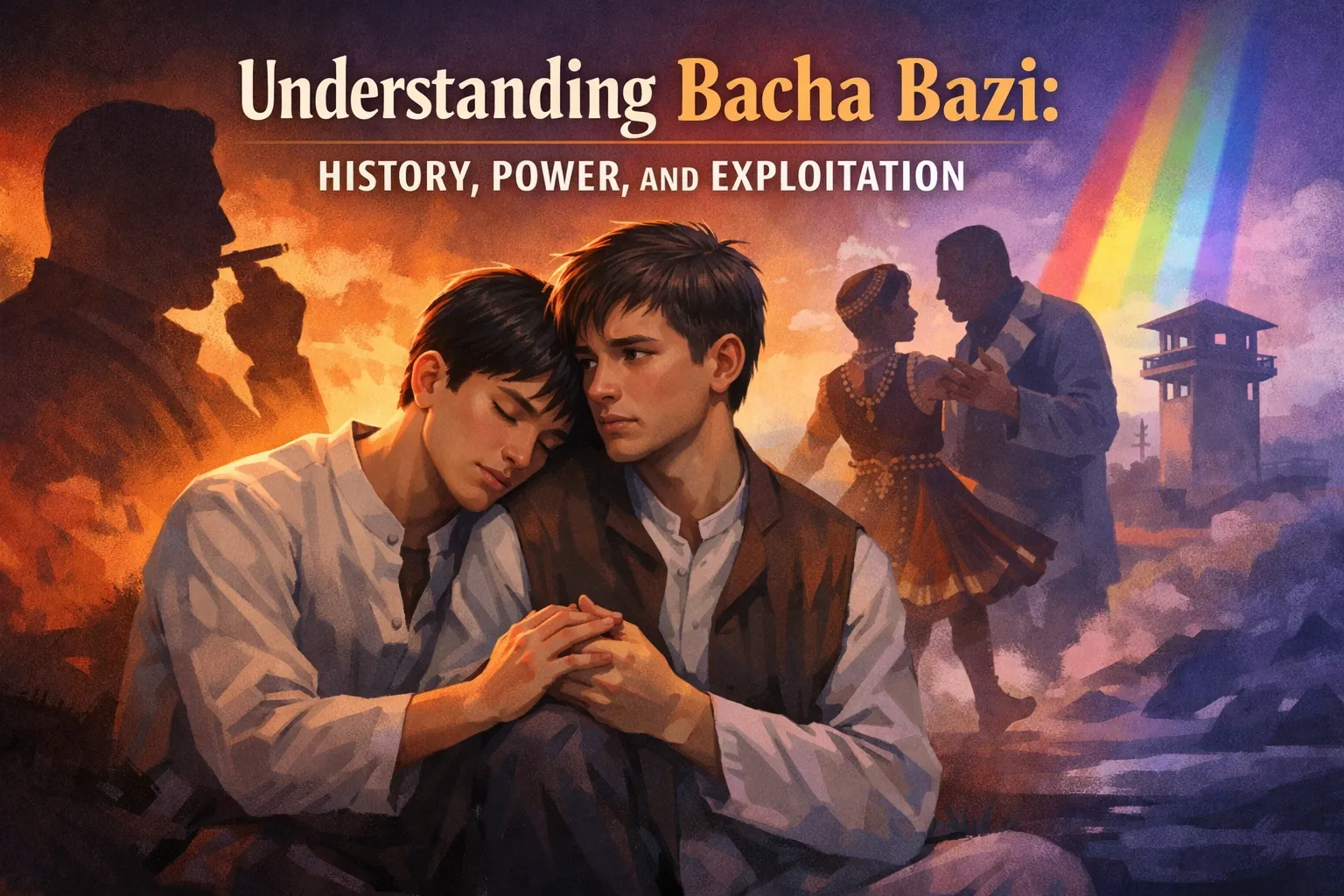
When we talk about queer history and contemporary life at Read with Pride, we usually celebrate the triumphs of love, the heat of a great MM romance, and the vibrant diversity of our community. But being authentic means looking at the shadows too. To truly understand the landscape of queer life in Afghanistan, we have to talk about a practice that is often misunderstood, frequently exploited by political regimes, and tragically centered on the abuse of the vulnerable: Bacha Bazi.
Literally translating from Persian as "boy play," Bacha Bazi is a pederastic practice that has existed in various forms across Central Asia for centuries. However, in the modern context, it has evolved into a system of sexual slavery and power signaling that has very little to do with sexual orientation and everything to do with the exploitation of the powerless.
The Roots of the Practice: A Historical Perspective
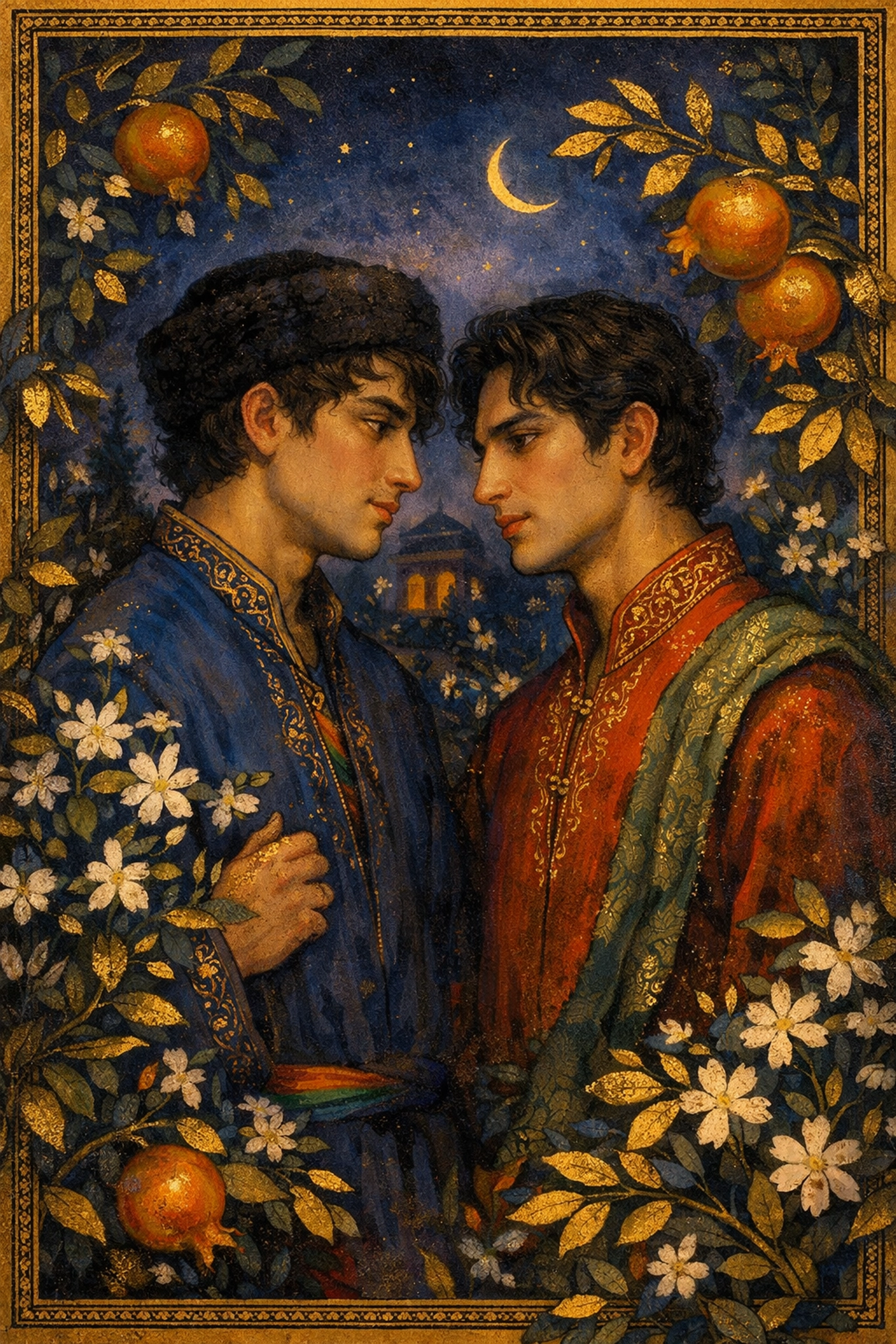
To understand Bacha Bazi, we have to look back at the cultural history of the region. Historically, in parts of the Persianate world, there was a tradition of appreciating the beauty of "beardless boys." This wasn't always synonymous with the systemic abuse we see today; in classical Persian poetry, the "gaze" upon a beautiful youth was sometimes framed as a spiritual or aesthetic experience.
However, as society became more rigidly gender-segregated, this appreciation curdled into something far more transactional and predatory. In a world where women were: and often still are: completely removed from the public sphere, powerful men turned toward adolescent boys to fill the roles of entertainers and objects of status.
By the time of the 1921 General Penal Code in Afghanistan, the state was already trying to grapple with the legalities of this. That code imposed fines and jail time for those keeping "bachas" (the boys) and prescribed the death penalty for those who committed sodomy against them. It’s a stark reminder that even a century ago, the line between "tradition" and "crime" was being fiercely debated.
The Power Dynamics of "Boy Play"
If you’re a fan of gay historical romance or MM romance books, you know that the best stories are built on mutual respect and consent. Bacha Bazi is the antithesis of this. It is a performance of power.
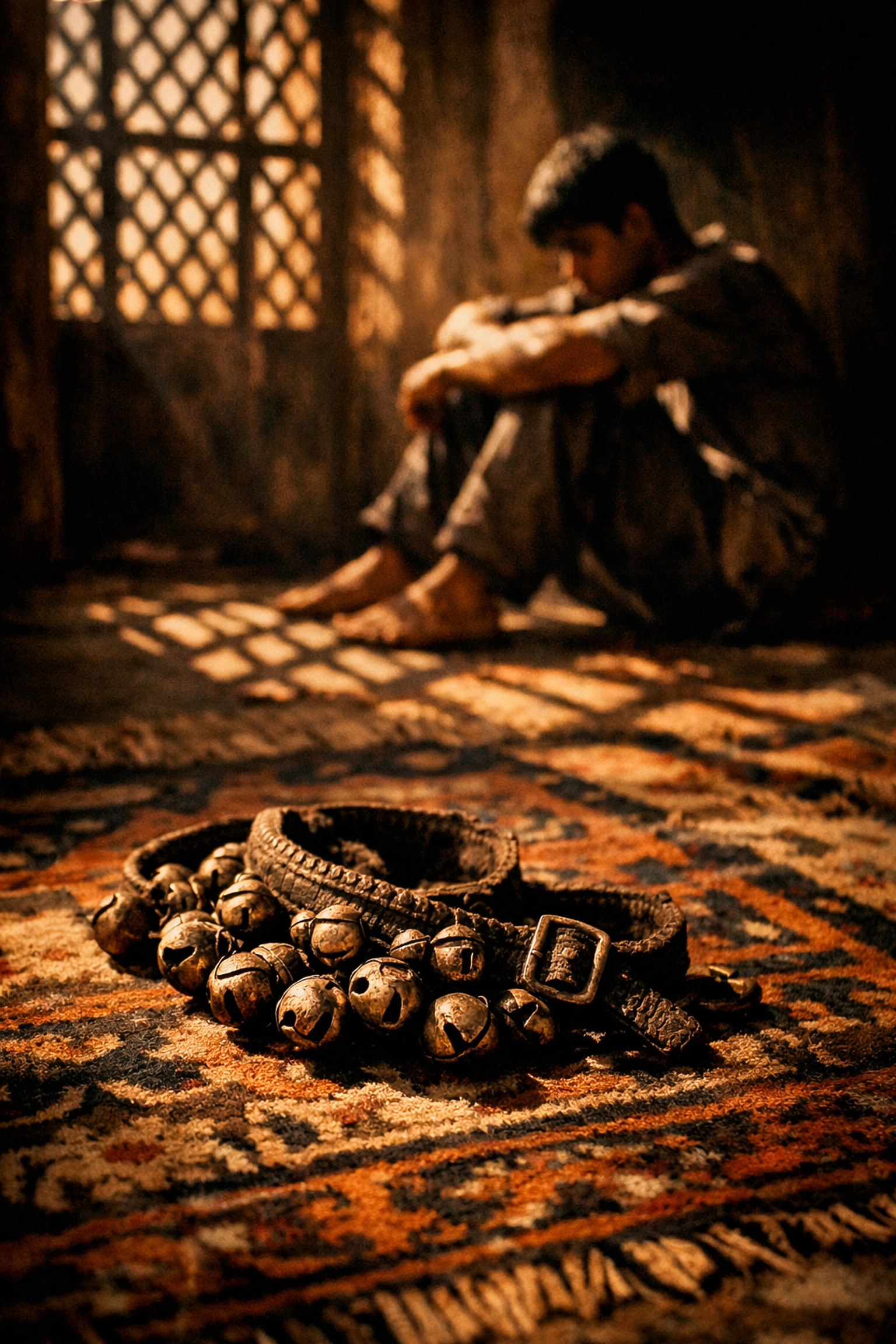
The boys, known as Bacha Bareesh (beardless boys), are typically between the ages of 10 and 18. They are often scouted from impoverished families or refugee camps, lured with the promise of food, education, or a job. Once "recruited," they are cross-dressed in feminine clothing, adorned with bells on their ankles, and forced to dance at all-male parties.
The men who "own" these boys: the bacha baz: are rarely "out" in any sense we would recognize. In fact, many are married men with children. In their social circles, owning a beautiful, talented dancing boy is a status symbol, much like owning a fast car or a high-end weapon. The tragedy is that these boys are subjected to horrific physical and psychological abuse, including internal injuries and long-term trauma.
The Political Seesaw: From the Taliban to the Mujahideen
The history of Bacha Bazi in the last thirty years is a grim reflection of Afghanistan's political instability. When the Taliban first rose to power in the 1990s, they virtually eradicated the practice. Under their strict interpretation of Sharia law, Bacha Bazi was viewed as a moral abomination, and those caught were often executed.
However, after the 2001 U.S. invasion, the practice saw a massive, terrifying resurgence. Why? Because the "warlords" and commanders who helped the international coalition oust the Taliban were the very same men who practiced Bacha Bazi. For nearly two decades, international forces often turned a blind eye to the abuse happening on their own bases because they relied on these local commanders for security.
By 2014, reports indicated that the practice was more widespread than ever. It wasn't until February 2018 that a revised penal code specifically criminalized Bacha Bazi, targeting not just the perpetrators but also those who attended the parties. But as we know, law on paper is very different from law on the ground.
The "Unicorn" Soldiers and Modern Queer Identity
It’s crucial to distinguish Bacha Bazi from the burgeoning, brave LGBTQ+ community in the region. While Bacha Bazi is a system of exploitation, there are thousands of Afghan men and women who identify as queer and seek genuine, consensual love.
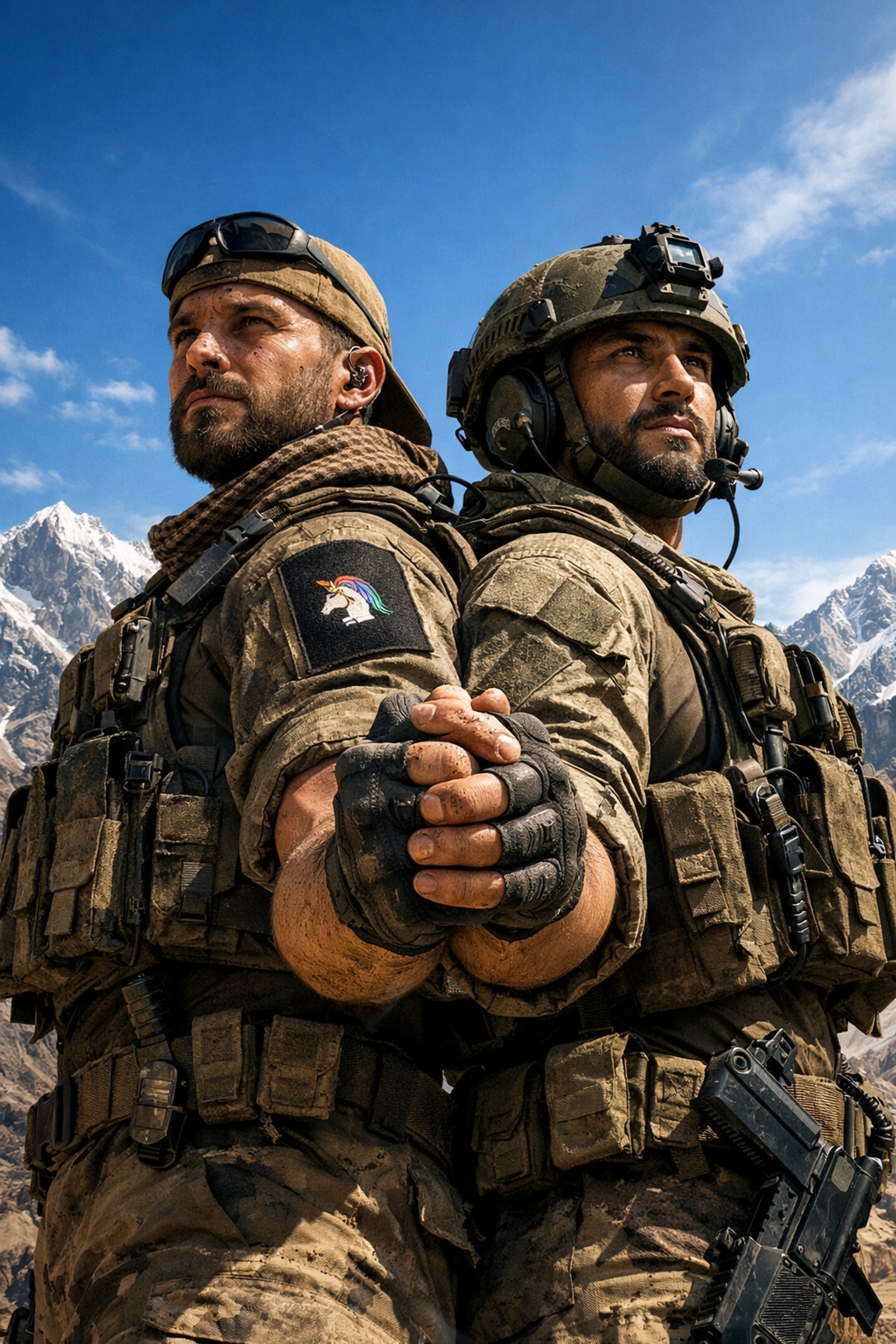
In recent years, particularly in the wake of the 2022 conflicts and the continued pressure on the region, we’ve seen the rise of "unicorn" soldiers: LGBTQ+ individuals serving in various capacities who are fighting for a version of their country where they can simply exist. At Read with Pride, we believe that representation matters. Whether it's through queer fiction or real-world activism, the goal is always to move toward a world where identity isn't a death sentence.
If you’re interested in how writers tackle these complex themes of identity and survival, check out our guide on 7 mistakes you’re making with LGBTQ+ character development. It’s vital to write these stories with the nuance they deserve.
Why This Matters for the LGBTQ+ Community
You might wonder why a site that specializes in MM novels and gay love stories is tackling such a heavy topic. The reason is simple: when the media or hostile governments conflate predatory practices like Bacha Bazi with "homosexuality," it endangers every queer person in the region.
The perpetrators of Bacha Bazi often claim they aren't "gay" because they don't "love" the boys; they see it as a purely physical or status-driven act. Meanwhile, actual gay men in Afghanistan face the dual threat of being persecuted by the state and being incorrectly associated with child abusers.
We need to champion popular gay books and heartfelt gay fiction that show the beauty of consent. By highlighting the difference between the systemic abuse of Bacha Bazi and the authentic experience of being LGBTQ+, we help strip away the excuses used by those who would oppress our community.
Looking Forward: 2026 and Beyond
As of March 2026, the situation in Afghanistan remains precarious. The return of the Taliban in 2021 brought back the harsh repression of both Bacha Bazi and the LGBTQ+ community at large. While the "dancing boy" parties are once again being driven underground, the boys themselves are now being used in even more dangerous ways: as bodyguards or even forced into combat roles.
For those of us in safer parts of the world, our job is to keep these stories alive. We need to support organizations that provide safe passage for queer refugees and continue to read and share gay literature that humanizes the struggles of those in Central Asia.
If you're looking for stories that explore the intersection of culture, history, and romance, our MM romance books often dive into how love survives in the most difficult circumstances. From gay fantasy romance to contemporary thrillers, there is always room for hope.
Join the Conversation
The history of Bacha Bazi is a difficult chapter, but it's one we must understand to be true allies. Authentic storytelling is at the heart of what we do at Read with Pride. Whether we're discussing the latest steamy MM romance or deep-diving into historical injustices, we stay committed to the truth.
Stay connected with us for more deep dives, book recommendations, and community news:
- Facebook: Read with Pride
- X (Twitter): @Read_With_Pride
- Instagram: @read.withpride
- Website: readwithpride.com
Don't forget to explore our sitemaps to find your next favorite gay romance novel or to learn more about our MM authors.
Let's keep reading, keep learning, and above all, keep reading with pride.
#ReadWithPride #LGBTQHistory #BachaBazi #HumanRights #GayLiterature #QueerHistory #Afghanistan #MMRomanceBooks #GayFiction2026 #AuthenticVoices #EndExploitation

Leave a Reply
You must be logged in to post a comment.