

readwithpride.com
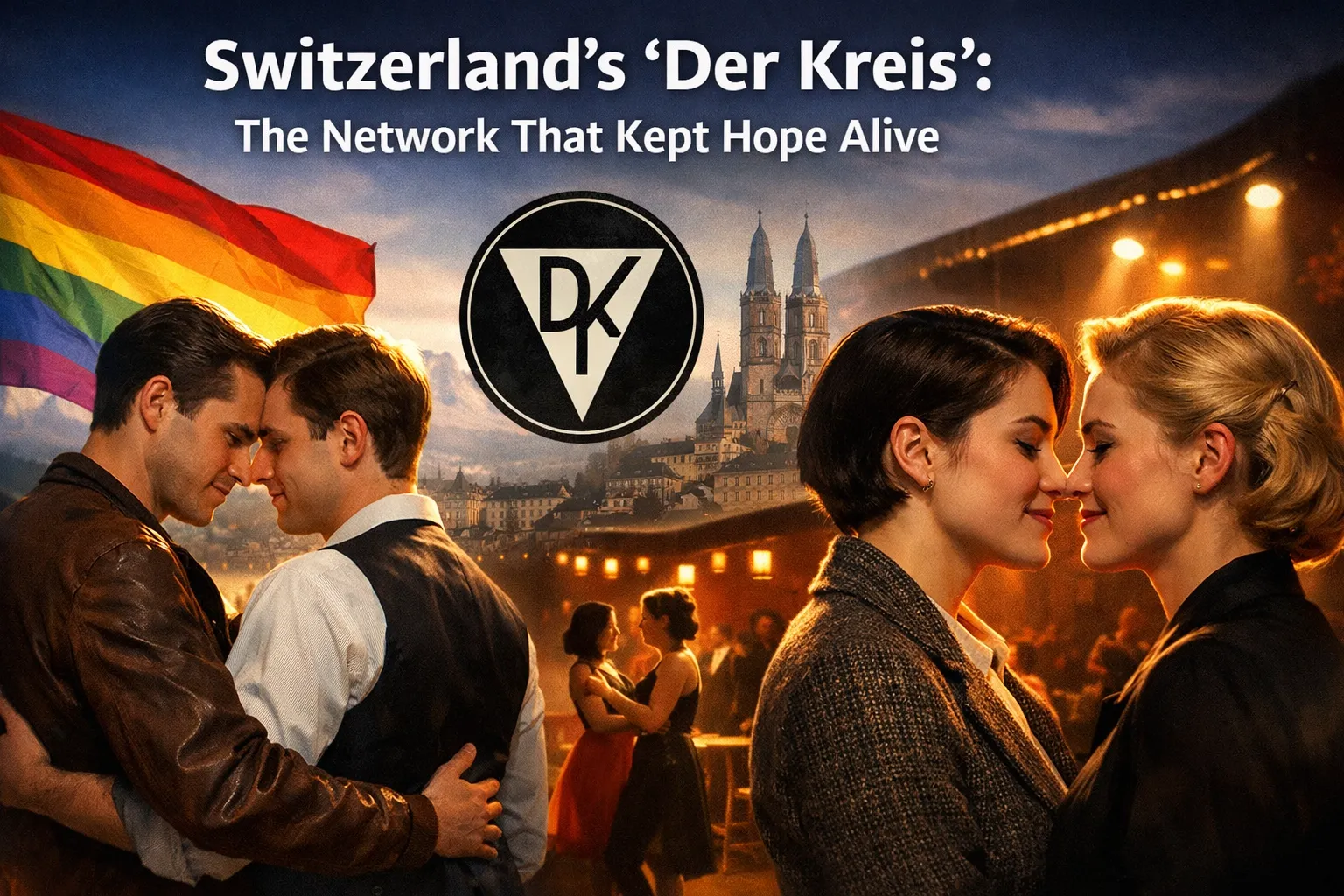
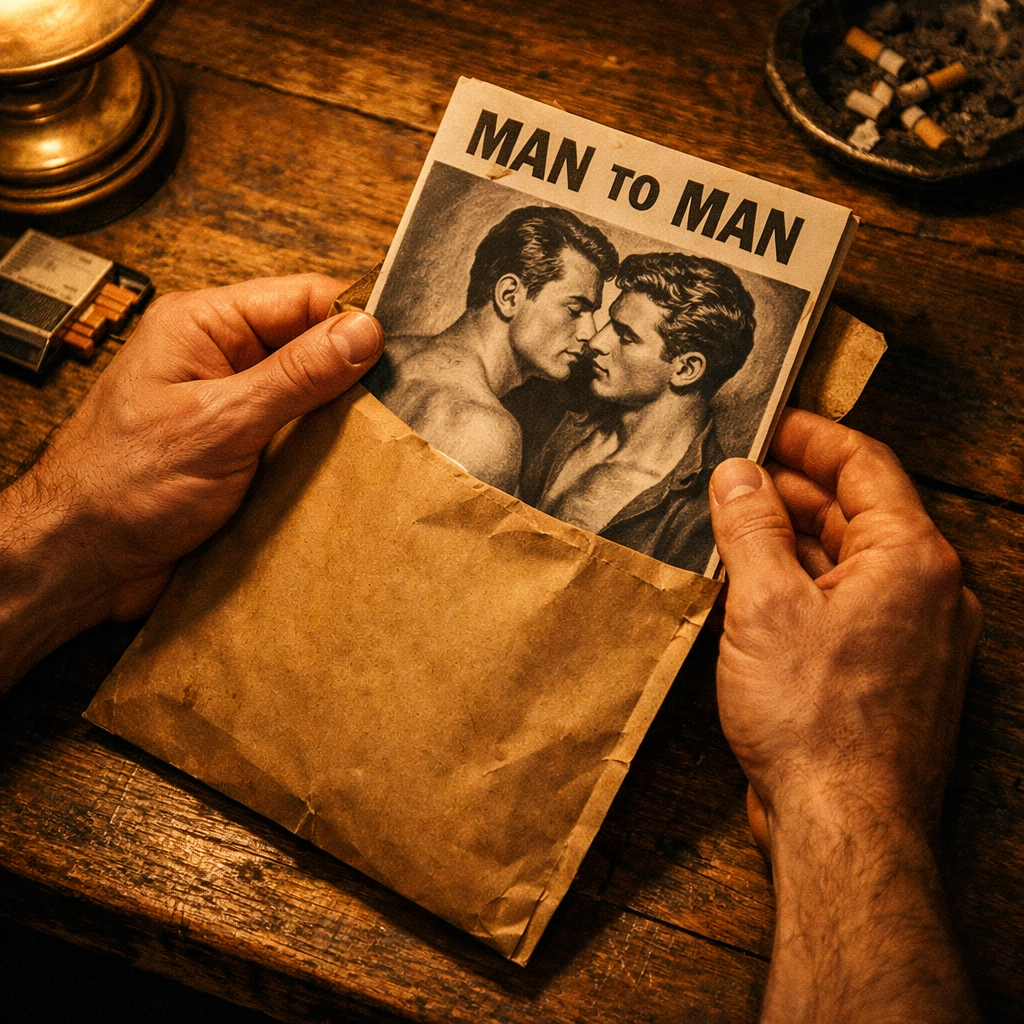
Long before we had Reddit threads, Discord servers, or even the colorful shelves of gay fiction at your local bookstore, there was a secret. It wasn't whispered in the shadows of back alleys, but delivered right to people's front doors in plain, unmarked envelopes. This was the world of Der Kreis (The Circle), a Zurich-based organization and magazine that became a literal lifeline for the LGBTQ+ community from the 1930s through the late 60s.
At Read with Pride, we talk a lot about the power of storytelling and how MM romance books provide a mirror for our lives. But to understand where our modern queer literature comes from, we have to look back at the pioneers who risked everything just to print a poem or host a dance. This is the story of how a small group of Swiss activists built a global network of hope during some of the darkest decades of the 20th century.
The Birth of a Revolution (in an Unmarked Envelope)
It might surprise you to learn that Der Kreis didn't actually start as a magazine for men. Its roots trace back to 1932 and a publication called Freundschaftsbanner (Friendship Banner), which was actually a lesbian magazine. However, by 1942, under the leadership of Karl Meier (who wrote under the pen name "Rolf"), it transformed into the male-focused publication we remember today.
In an era where "homosexual acts" were criminalized across most of Europe, Switzerland was a bit of an anomaly. While not exactly a rainbow-clad paradise, Zurich was relatively tolerant compared to its neighbors: especially Nazi Germany. Because of this, Der Kreis became much more than a local newsletter. It was a trilingual beacon (publishing in German, French, and English) that reached nearly 2,000 subscribers worldwide.
Imagine being a gay man in a small town in the 1950s, feeling like you were the only person like you in existence. Then, once a month, a plain envelope arrives. Inside are stories, art, and news from a world where you aren't a criminal or a "deviant," but a member of a sophisticated community. It was the original LGBTQ+ fiction experience, providing the same validation that a great gay love story gives us today.
More Than Just Ink: The Secret Club
If the magazine was the soul of the movement, the Der Kreis-Club was its heart. The organization didn't just print words; they created physical spaces where men could be themselves. They held weekly meetings in Zurich where members could discuss philosophy, hear lectures, or just have a drink without looking over their shoulders.
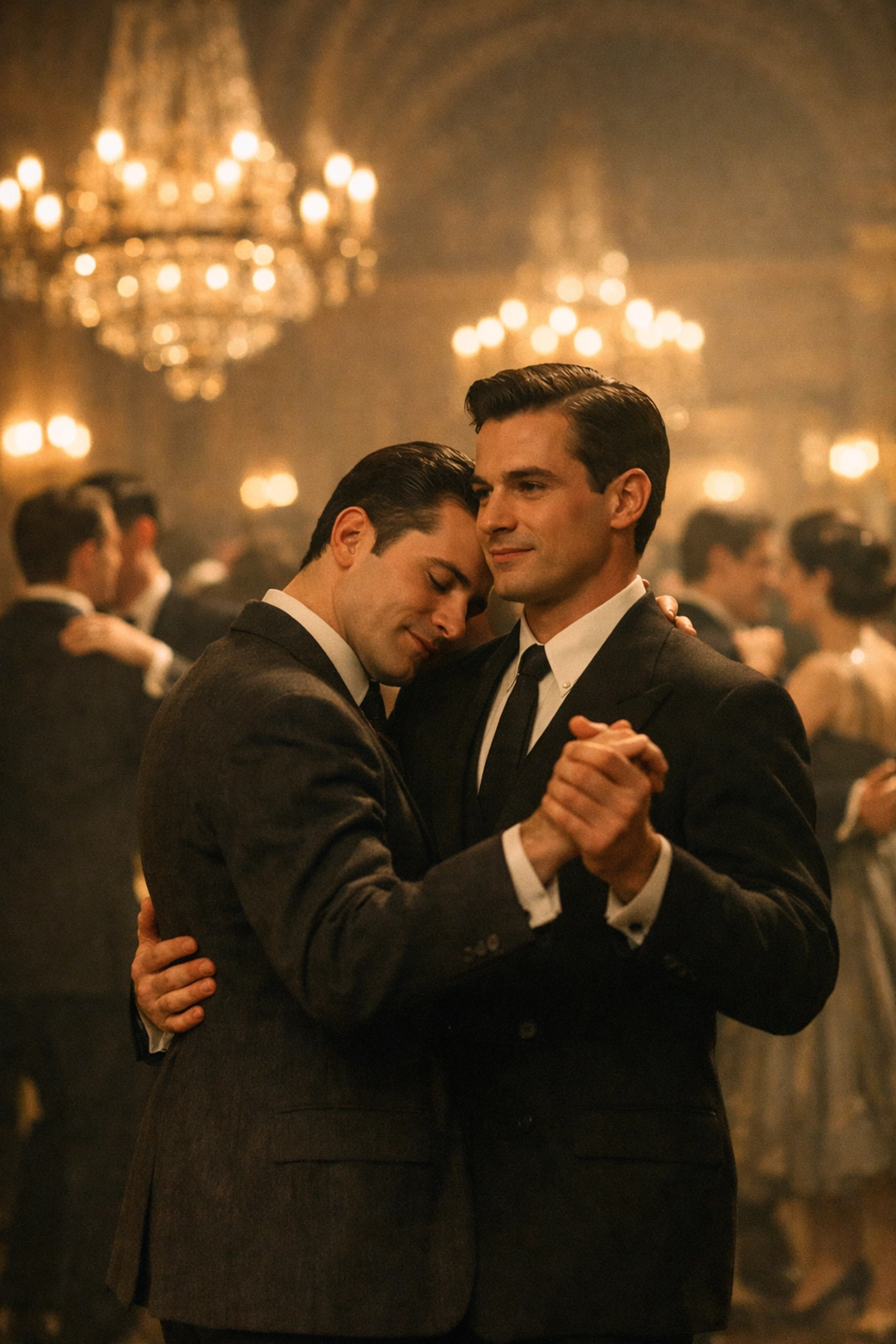
But the real legends were the annual international balls. These weren't just small get-togethers; they were grand affairs that attracted hundreds of men from all over Europe. For many, this was the only time of year they could dress up, dance with a partner of the same sex, and feel truly free. It’s the kind of high-stakes, emotional atmosphere we love to see in a gay historical romance or a MM historical romance novel, but for these men, the stakes were incredibly real.
The club was built on a foundation of "ideal friendship": a concept that emphasized dignity, culture, and respectability. While some modern critics might find their approach a bit conservative, it was a necessary survival tactic. By presenting themselves as "respectable citizens," they fought against the predatory stereotypes of the time.
The Oven and the Resistance
Operating a "gay club" in the mid-20th century wasn't all glitter and dancing. It was dangerous work. The Zurich police tolerated Der Kreis, but only under strict conditions: no one under 20 was allowed, and there could be no "indecency."
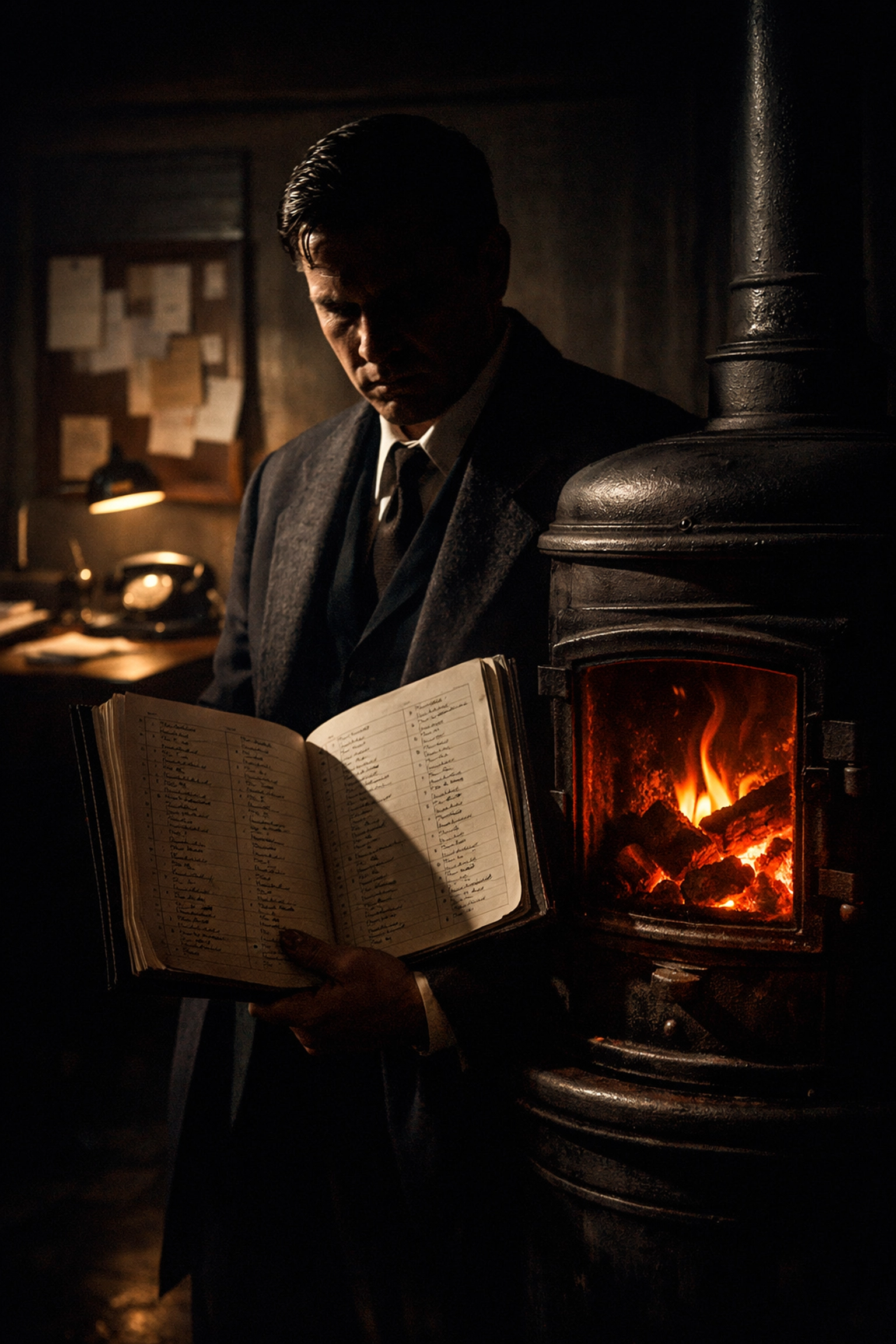
The most chilling detail of their operation was the "Membership Oven." The publishers knew that if the police ever seized their subscription list, thousands of lives would be ruined. Men would lose their jobs, their families, and their safety. To prevent this, the membership lists were kept in a room with a wood-burning stove already packed with kindling. If the police ever raided the office, the goal was to toss the lists into the fire before the door was kicked in.
This level of tension is something we often see in a gay thriller or a gay spy romance, but for the editors of Der Kreis, it was a daily reality. They were the gatekeepers of thousands of secrets, and they took that responsibility to the grave.
The Crackdown and the End of an Era
The relative peace in Zurich didn't last forever. In the late 1950s, a series of murders within the gay community (unrelated to the club) led to a massive police crackdown. The authorities used the crimes as an excuse to harass Der Kreis members, demanding names and trying to shut down their gatherings.
Despite the intense pressure and threats of exposure, the leadership never broke. They protected their "Circle." However, the atmosphere had changed. The joyful, open balls became smaller and more paranoid.
By the late 1960s, the world was changing. The Stonewall Uprising in 1969 signaled a new, more militant era of gay rights. Meanwhile, neighboring countries were liberalizing their laws, and more explicit or political publications were becoming available. Der Kreis, with its focus on "discreet dignity," began to feel like a relic of a bygone age. It officially ceased publication in 1967.
Why 'Der Kreis' Still Matters in 2026
You might be wondering why a publisher of MM romance and LGBTQ+ ebooks like Readwithpride.com is looking back at a magazine from nearly a century ago. The answer is simple: they laid the groundwork for the community we enjoy today.
Every time you download one of our new gay releases or get lost in a steamy MM romance, you’re participating in the same tradition of queer connection that Der Kreis started. They proved that literature and community are inseparable. They showed us that even in the most oppressive times, we will find a way to reach out to one another.
For those of you who love gay literature and want to dive deeper into how to write these complex historical themes, check out our guide on 7 mistakes you’re making with LGBTQ+ character development. Understanding the real-life struggles of organizations like Der Kreis is the best way to add authenticity to your own queer fiction.
Exploring the Legacy of Gay Fiction
The legacy of Der Kreis lives on in the vibrant world of gay novels and MM contemporary stories we see today. We’ve moved from unmarked envelopes to digital downloads, but the heart of the message remains the same: You are not alone.
If you’re looking for your next great read that captures the spirit of resilience and love, browse our product sitemap or check out the latest from Dick Ferguson. Whether it's a slow burn or a heartfelt gay fiction piece, there is a story waiting for you.
Der Kreis was more than a magazine; it was a promise. It promised that a community existed, that love was possible, and that hope was worth fighting for. At Read with Pride, we’re honored to keep that circle going.
Stay connected with us for more stories from queer history and the best in 2026 gay books:
- Follow us on Facebook: Read with Pride
- Catch us on X: @Read_With_Pride
- Instagram vibes: @read.withpride
- Website: readwithpride.com
#GayHistory #DerKreis #LGBTQBooks #MMRomance #GayFiction #ReadWithPride #QueerLiterature #HistoricalGayRomance #GayPride2026 #MMBooks
More from Read with Pride:

Leave a Reply
You must be logged in to post a comment.