

readwithpride.com
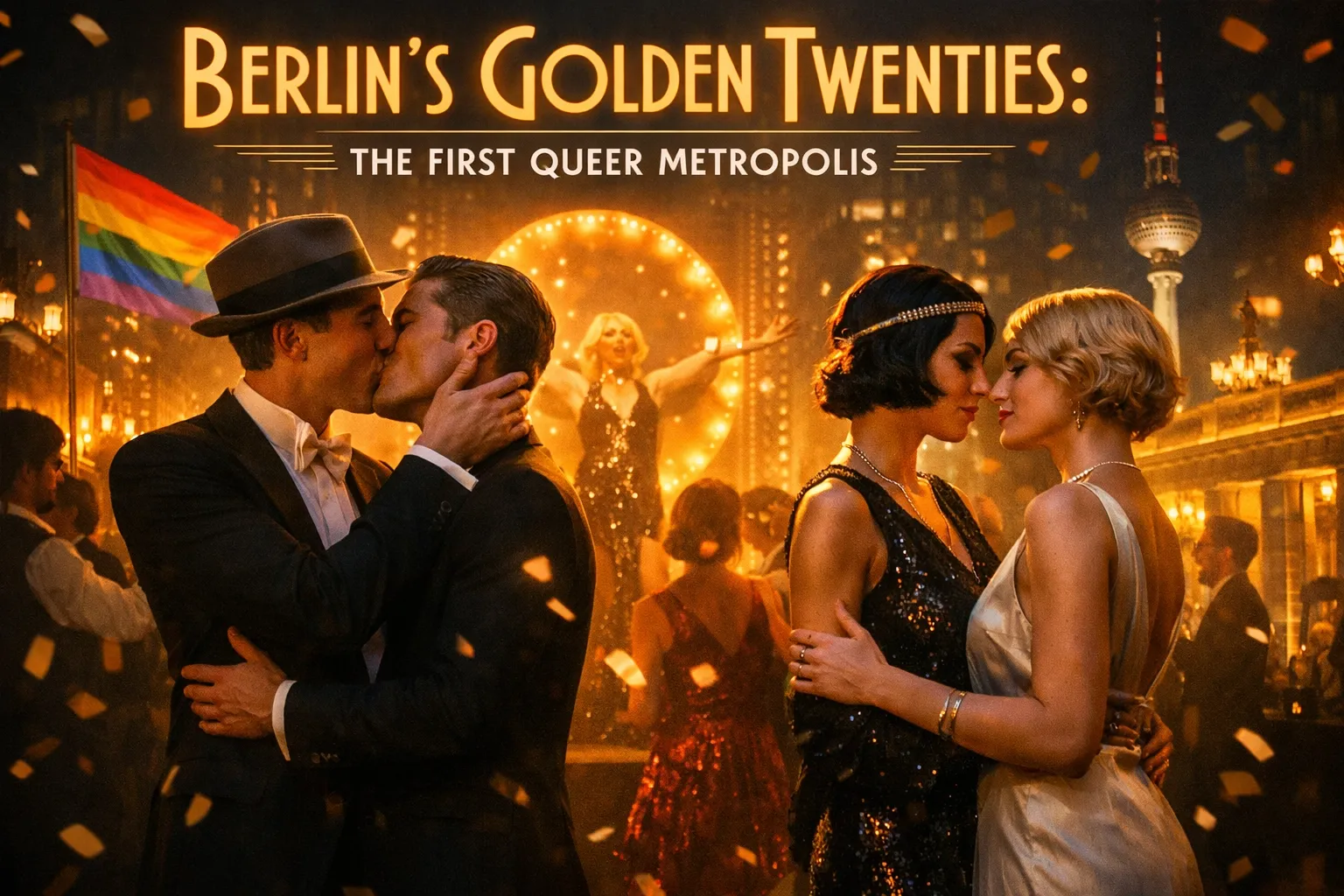
Imagine a world where the air is thick with jazz, the champagne flows like water, and for the first time in modern history, you don’t have to hide who you love. Welcome to Berlin in the 1920s. Long before the Stonewall Inn or the Pride marches of the 21st century, the Weimar Republic gave birth to a "Golden Era" that transformed Berlin into the world's first true queer metropolis.
For fans of gay historical romance and MM romance books, this era is the ultimate aesthetic. It’s a time of velvet curtains, secret knocks, and a radical sense of belonging. At Read with Pride, we’re obsessed with how this history informs the queer fiction we love today. So, let’s take a stroll down the Motzstraße and see why 1920s Berlin remains the heartbeat of our collective history.
The World’s Queerest Playground
In the 1920s, Berlin wasn't just a city; it was a beacon. While the rest of the world was largely living in the shadows, Berlin was hosting upwards of 170 gay and lesbian bars, clubs, and cafes. From the high-end glitz of the Eldorado cabaret to the gritty, working-class pubs of Kreuzberg, there was a space for everyone.
The city became a sanctuary for "sexual intermediaries," a term coined at the time to describe the beautiful spectrum of our community. It was a place where you could see men dancing with men, women in sharp tuxedos, and individuals living openly in their true gender identities. This unprecedented freedom is exactly why so many gay novels and MM contemporary stories look back at this period with such longing. It was a glimpse of what a truly liberated world could look like.
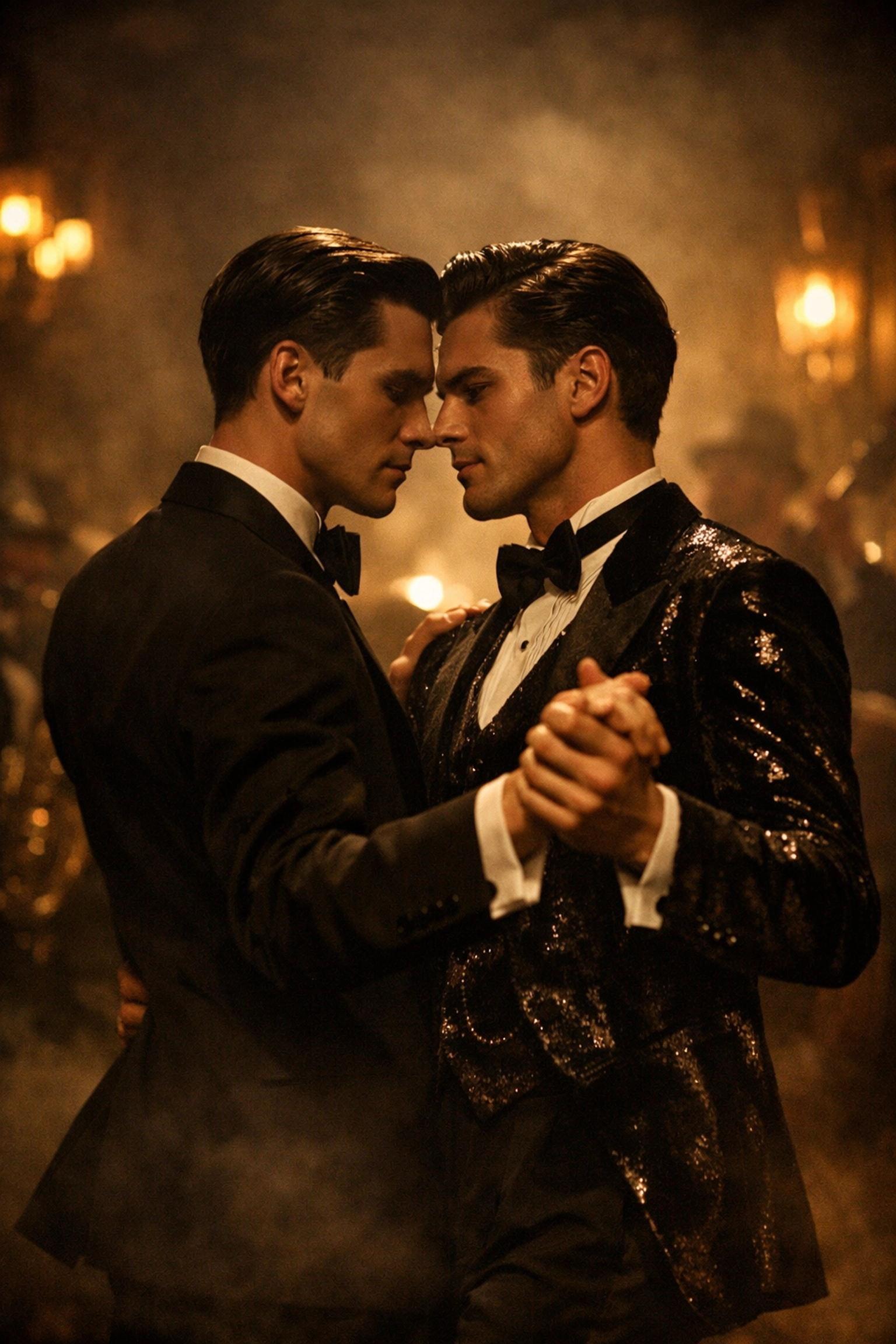
A glimpse into the smoky, vibrant atmosphere of a 1920s Berlin cabaret where boundaries were meant to be broken.
Magnus Hirschfeld: The Grandfather of the Movement
You can’t talk about queer Berlin without mentioning Magnus Hirschfeld. A Jewish physician and sexologist, Hirschfeld was a visionary who believed that "justice through science" would lead to the decriminalization of homosexuality. In 1919, he founded the Institute for Sexual Science (Institut für Sexualwissenschaft) in the heart of Berlin.
This wasn't just a library; it was a revolution. The Institute provided medical consultations, housed a massive archive of gay literature, and: most incredibly: performed some of the first modern gender-affirming surgeries. Hirschfeld even worked with the Berlin police to issue "transvestite certificates" (Transvestitenscheine), which allowed people to dress in clothes that matched their gender identity without being arrested for "public nuisance."
For those of us who devour gay psychological thrillers or gay spy romance set in this era, Hirschfeld’s Institute often serves as a vital backdrop. It represents the intellectual backbone of a movement that was trying to prove to the world that being LGBTQ+ was a natural, beautiful variation of the human experience.
The Birth of the Queer Press
Long before we had Readwithpride.com or digital LGBTQ+ eBooks, Berliners had a thriving print culture. Magazines like Die Freundin (The Girlfriend) and Das 3. Geschlecht (The Third Sex) were sold at newsstands across the city.
These weren't just newsletters; they were lifelines. They featured short stories that were essentially the ancestors of today’s MM romance and queer fiction. They gave people a way to see themselves reflected in the world. They discussed everything from fashion and politics to tips on where to find the best gay love stories in local theaters. This era proved that our community has always had a hunger for stories that center our joy and our struggles.
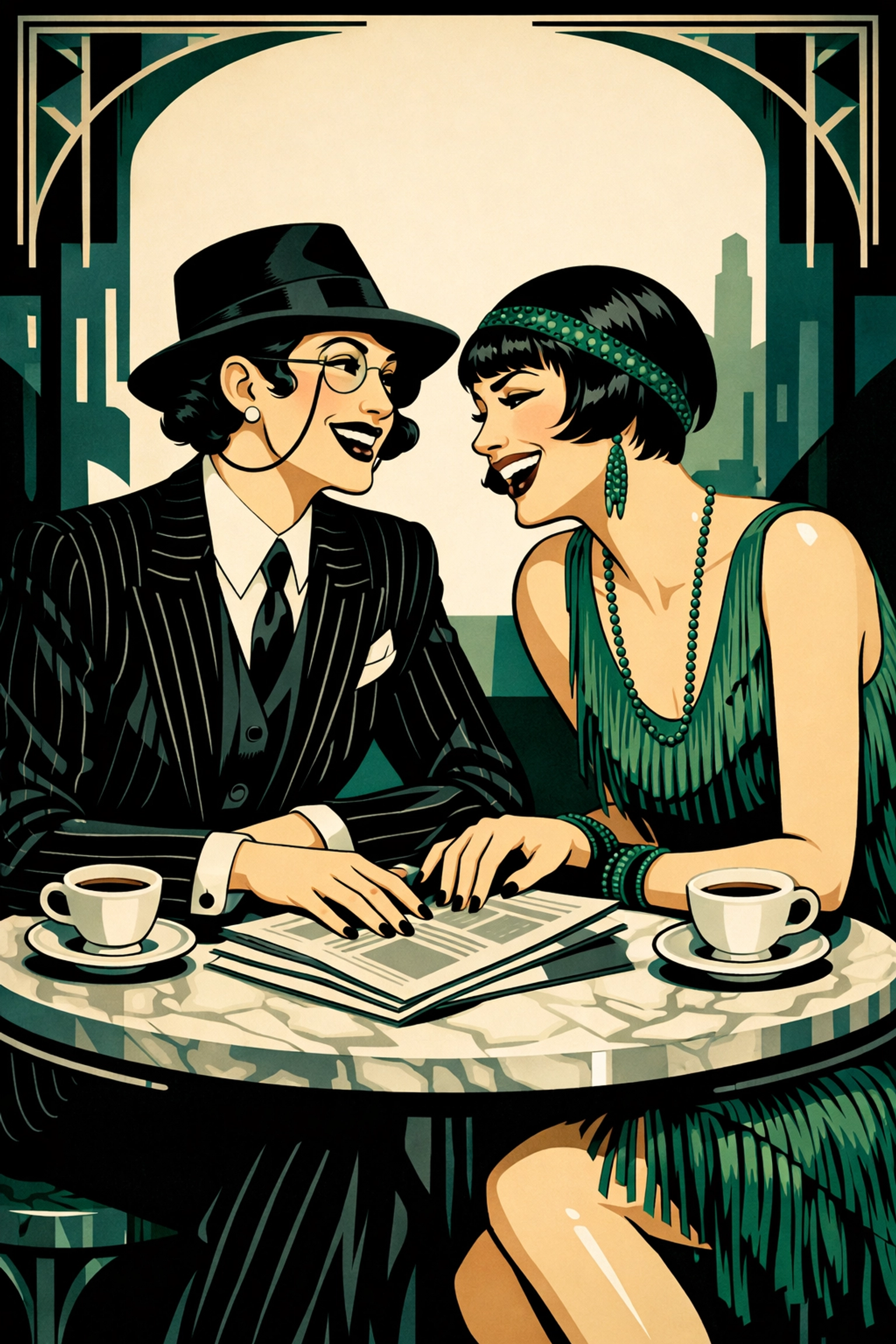
Vintage magazine covers from the 1920s, showcasing the bold and public nature of Berlin's queer publishing scene.
Cabaret Culture and the Art of Rebellion
If Hirschfeld provided the science, the cabaret provided the soul. The legendary Eldorado was the crown jewel of Berlin’s nightlife. It was a place where the elite and the outcasts mingled under the glow of stage lights. Marlene Dietrich and Christopher Isherwood (whose writings inspired Cabaret) were fixtures of this scene.
The performances were witty, subversive, and deeply political. They mocked the rigid Prussian morality of the past and celebrated a future that was fluid and free. This "anything goes" attitude is a popular trope in gay romance series today, especially those focusing on "enemies to lovers MM romance" set against the backdrop of a world on the brink of change. The tension between the glittering nightlife and the rising political shadows outside creates a "forced proximity" that writers love to explore.
Why the "Golden Twenties" Matter to MM Romance Today
Why are we still so obsessed with 1920s Berlin? Aside from the incredible fashion (who doesn't love a man in a waistcoat?), it’s the stakes. The 1920s represented a peak of freedom followed by a tragic valley. This "calm before the storm" creates a poignant, "slow burn" energy that is perfect for gay historical romance.
Modern authors often use Berlin as a setting to explore themes of resilience and the enduring power of gay love. When you read a steamy MM romance set in a Weimar-era club, you’re not just reading a story; you’re engaging with a lineage of brave individuals who dared to live out loud.
At Read with Pride, we see the echoes of this era in our new gay releases. Whether it’s a gay fantasy romance that draws on the aesthetics of the 1920s or a heartfelt gay fiction novel about finding family in a big city, the spirit of Berlin lives on.
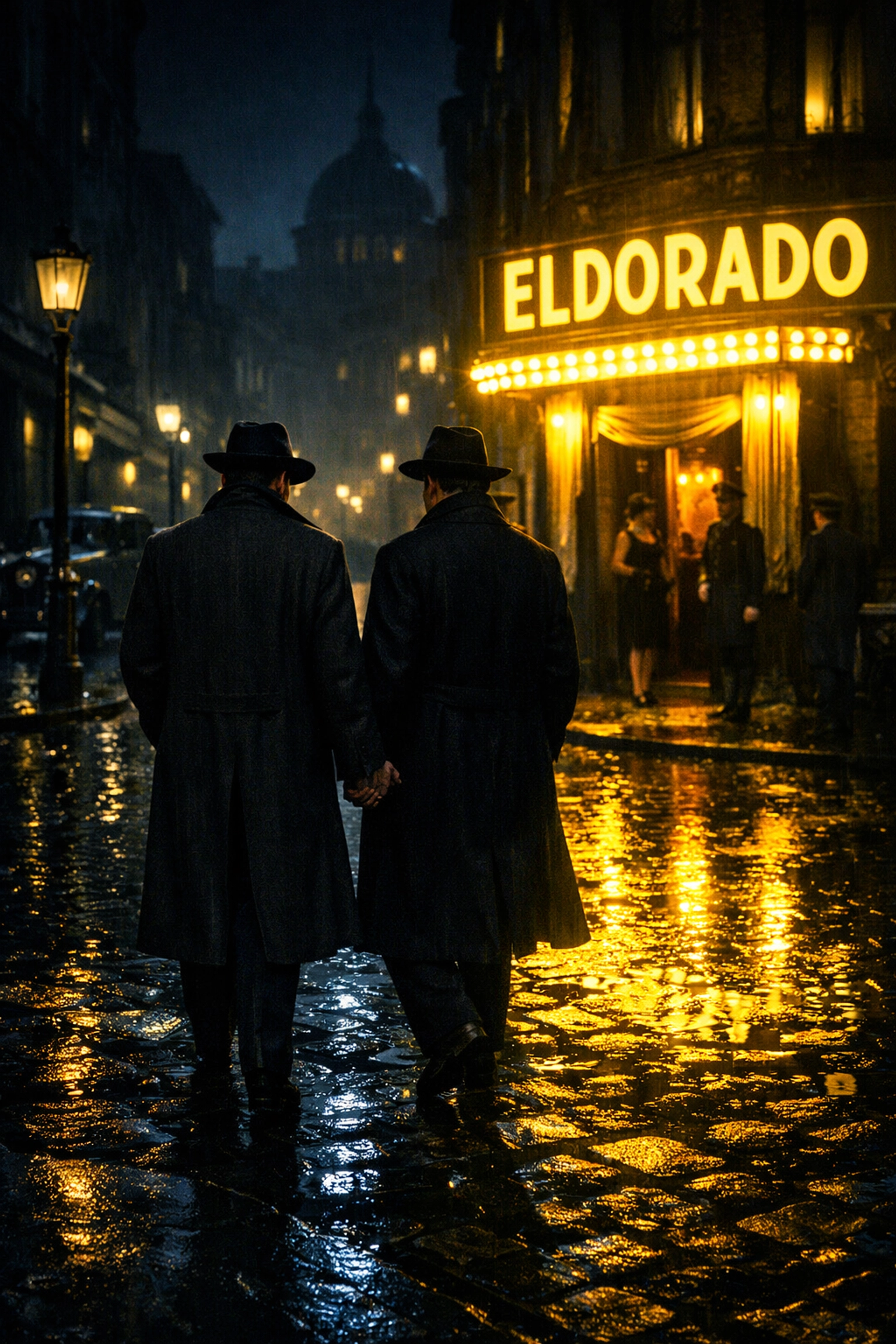
The contrast of light and shadow in a 1920s street scene, capturing the bittersweet beauty of an era that was both a beginning and a temporary end.
The End of an Era and the Legacy of Pride
As the 1930s approached, the political climate in Germany shifted. The Nazi party’s rise to power brought a violent end to the Golden Twenties. Hirschfeld’s Institute was plundered, its books burned in the streets, and the vibrant clubs were shuttered. It is a reminder of why we must continue to Read with Pride and protect our stories.
But the Nazis couldn't erase the memory of what Berlin had been. They couldn't erase the fact that, for a decade, queer people had built a world for themselves. That legacy of resistance and visibility is the foundation upon which modern Pride is built.
Finding Your Own "Golden" Story
If you're looking to dive deeper into these themes, we have a curated selection of popular gay books and top LGBTQ+ books that explore both historical and contemporary queer life. From award-winning gay fiction to the best MM romance books of 2026, there is a world of stories waiting for you.
Check out our store for the latest in gay adventure romance and MM historical romance. If you're a fan of specific tropes, our blog category sitemap can help you find exactly what you’re looking for: whether it’s "forbidden love" or "found family."
Don't forget to follow us on our social channels to stay updated on the latest gay book recommendations and queer authors:
Berlin’s 1920s may be a century in the past, but the freedom it promised is something we still fight for every day. By reading and sharing gay love stories, we keep that flame alive.
Stay curious, stay brave, and always read with pride.
#Berlin1920s #QueerHistory #MMRomance #GayHistoricalRomance #ReadWithPride #LGBTQFiction #GayBooks #WeimarRepublic #QueerCulture #GayRomanceNovels

A modern reader enjoying an LGBTQ+ eBook, reflecting the continuity of queer storytelling from the 1920s to 2026.
Quick Links:

Leave a Reply
You must be logged in to post a comment.