
readwithpride.com
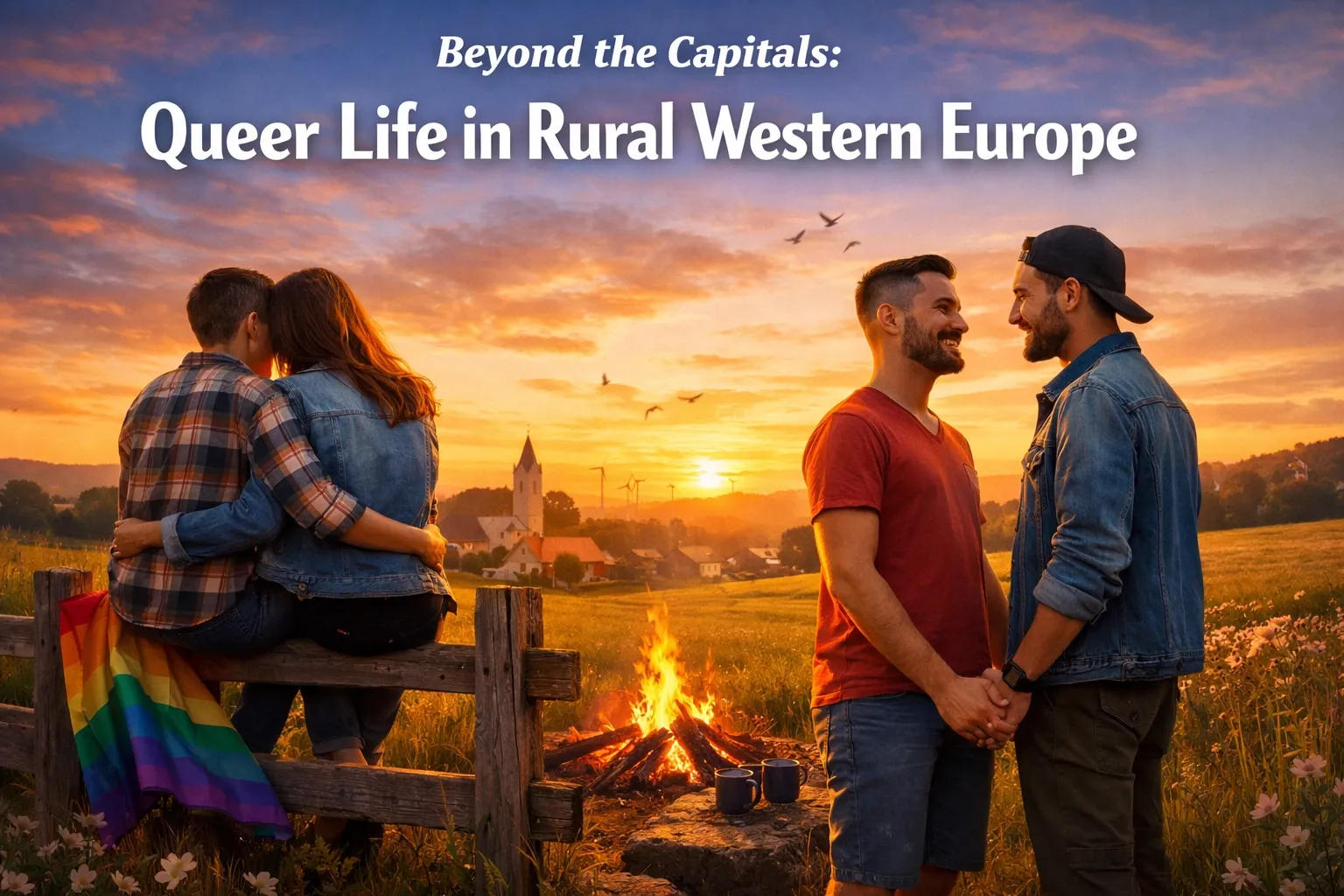
When we think of LGBTQ+ life in Western Europe, our minds immediately fly to the neon lights of Soho in London, the pride-flag-draped balconies of Chueca in Madrid, or the legendary clubbing scene of Berlin. These cities are our sanctuaries, our playgrounds, and often, the places we run to when we finally "come out." But what about the folks who stay behind? What about the queer soul living in a tiny hamlet in the French Pyrenees, a coastal village in Donegal, or a farming community in the heart of Bavaria?
At Read with Pride, we know that queer stories aren't just written in the concrete of the city. They are etched into the rolling hills, the misty forests, and the quiet cobblestone streets of rural Western Europe. Life beyond the capitals is a complex tapestry of profound isolation, unexpected joy, and the kind of high-stakes drama that makes for the best MM romance books.
The Reality of the "Glass Closet"
In 2026, Western Europe is legally one of the most progressive places on Earth for LGBTQ+ people. We have the right to marry, to adopt, and to exist: on paper. But as anyone living in a village of 500 people will tell you, the law of the land is often secondary to the law of the "local."
In many rural areas, there is a phenomenon often called the "glass closet." Everyone knows you’re queer, and you know they know, but as long as you don't make a "fuss" about it, life remains peaceful. It’s an unspoken "don’t ask, don’t tell" policy that can feel incredibly suffocating. Research suggests that while urban centers are embracing authentic living, rural regions often require a level of identity adaptation. You might find yourself dressing a bit more "traditionally" at the local pub or avoiding certain topics with the neighbors to prevent social stigma.
The Struggle of Isolation
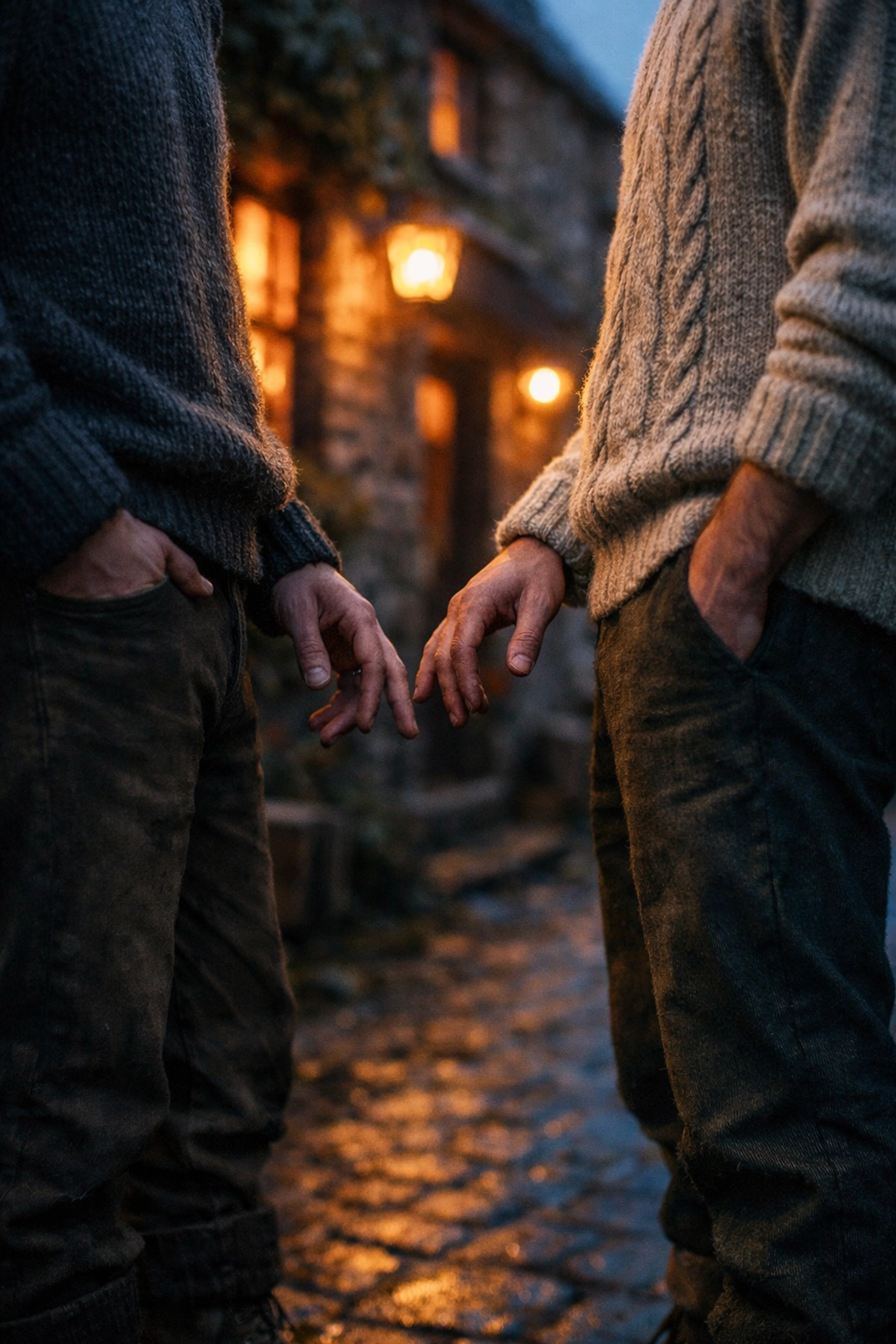
The biggest hurdle for rural queer life is, without a doubt, isolation. In a city, if you have a bad date or a falling out with a friend group, there are a million other people to meet. In a small village in the Cotswolds or rural Belgium, your dating pool might literally be… one person. And you’ve known them since primary school.
This lack of visibility leads to a unique kind of psychological toll. When you don't see yourself reflected in your surroundings, it’s easy to feel like an outsider in your own home. For many, the only way to find community is through digital spaces. Websites like readwithpride.com become more than just a place to find gay romance novels; they become a lifeline: a reminder that there is a whole world of people who feel exactly like you do.
Why We Love the Rural Setting in Gay Fiction
There’s a reason why so many of the best MM romance books of 2026 are set in the countryside. The rural landscape provides the perfect backdrop for one of our favorite tropes: forced proximity.
In a sprawling city, characters have to try really hard to keep running into each other. But in a rural setting? If the only two gay men in a twenty-mile radius are the grumpy local vet and the new guy who just inherited a crumbling farmhouse, they are going to be in each other's pockets.
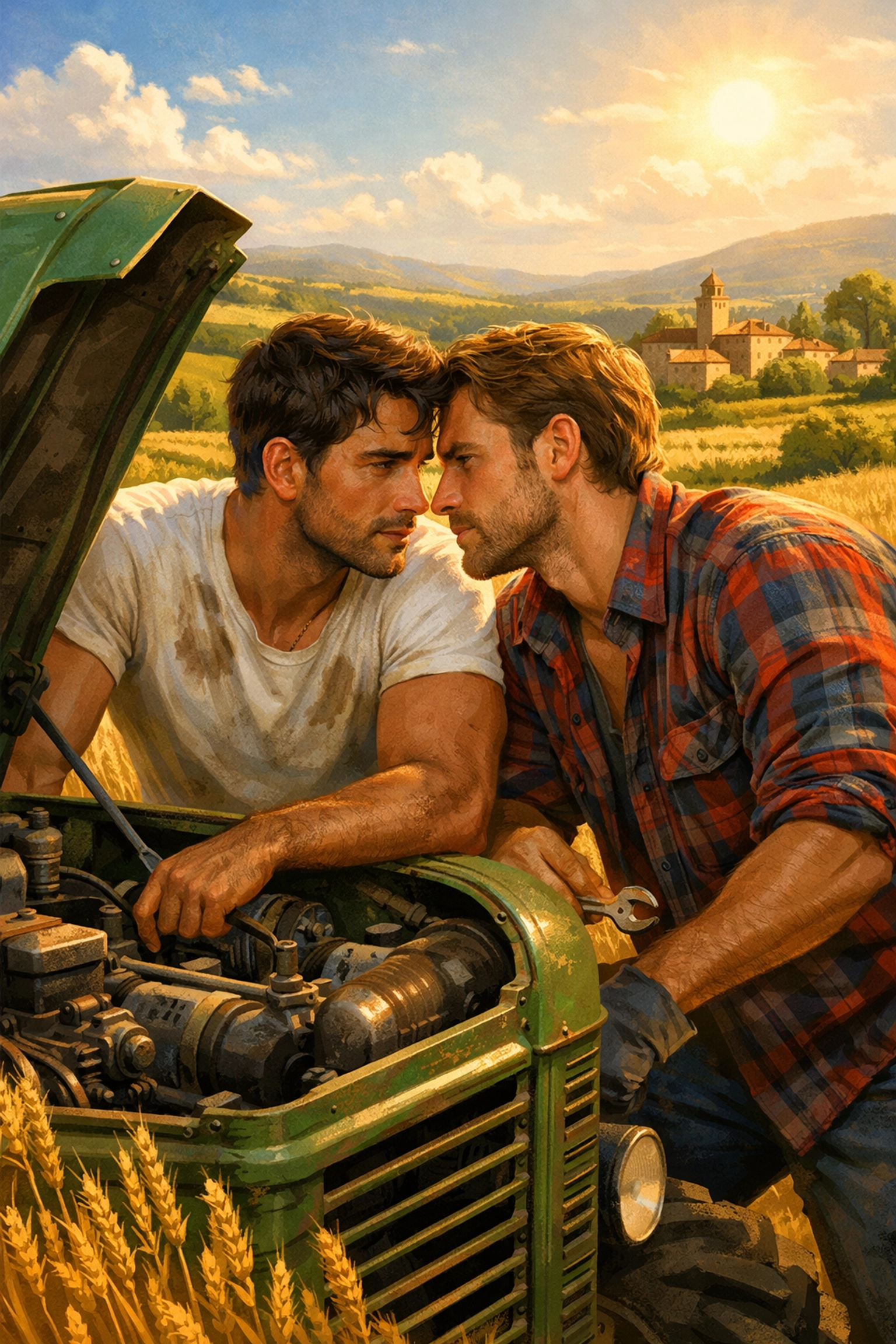
The forced proximity MM romance trope thrives in rural Western Europe. Think about it: a sudden snowstorm in the Scottish Highlands, a broken-down tractor on a dirt road in Tuscany, or being the only two people volunteering for the village festival committee. When you are "forced" to interact because there’s simply no one else around, the tension builds beautifully. It forces characters to confront their prejudices, their fears, and their desires in a way that urban settings just don't allow.
If you're looking for that specific vibe, check out some of the new gay releases that lean into this "stuck together in the middle of nowhere" magic.
The Joy of the Quiet Life
It’s not all struggle and isolation, though. There is a specific kind of joy found in rural queer life that you just can't get in London or Paris. There is the connection to nature: the ability to walk out your front door and be in a forest or by the sea within minutes. For many LGBTQ+ people, the countryside offers a peace of mind and a slower pace of life that is essential for mental health.
We're seeing a trend in queer fiction where the protagonist doesn't "escape" to the city to find happiness. Instead, they find a way to carve out a space for themselves in their rural community. They renovate the old cottage, they start the local LGBTQ+ gardening club, and they find love with the person they least expected. It’s about reclaiming the land that was always ours to begin with.
The Digital Bridge: 2026 and Beyond
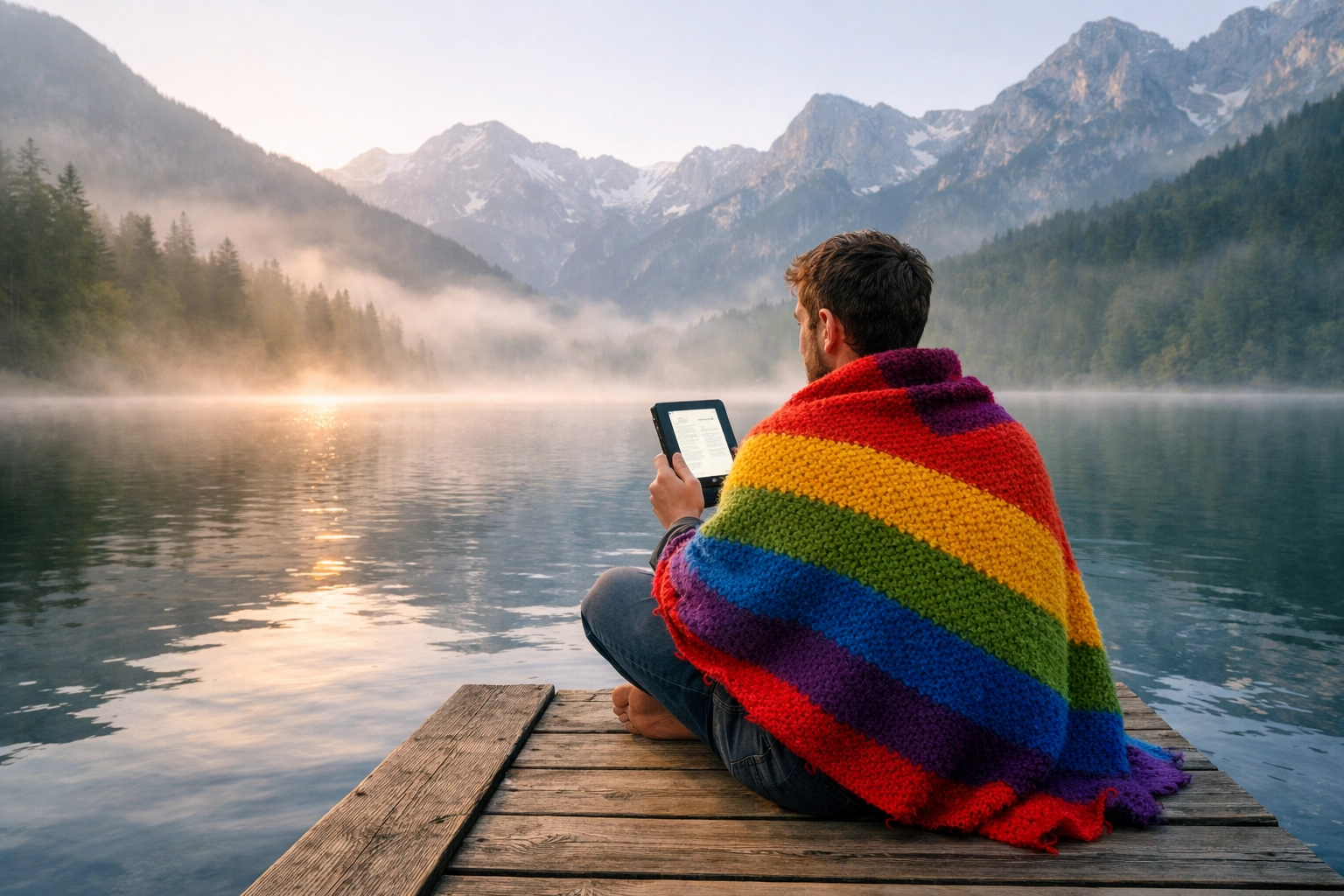
In 2026, the gap between rural and urban queer life is narrowing, thanks to the internet. Queer people in the countryside are no longer limited to the books in their local (and likely conservative) library. With LGBTQ+ ebooks and online communities, the "only gay in the village" trope is becoming a thing of the past: or at least, a lot less lonely.
Digital sanctuaries allow for the sharing of authentic stories. Whether you are reading a gay psychological thriller or a heartfelt gay love story, these narratives provide the validation that rural life often lacks. They remind us that our experiences are real, and our desire for connection is universal.
Finding Your Community
If you are living in a rural area and feeling that weight of isolation, remember that you aren't alone. Here are a few ways to bridge the gap:
- Digital Book Clubs: Join an online community of readers who love M/M books. Discussing your favorite tropes can be a great way to make friends.
- Social Media Connectivity: Follow platforms that celebrate our diversity. Check out Read with Pride on Instagram or X (formerly Twitter) to see what’s trending in the world of queer lit.
- Support Local Activism: Many regions now have "Rural Pride" events. They might be smaller than the big city parades, but they are often incredibly intimate and meaningful.
- Write Your Own Story: Sometimes the best way to see yourself represented is to put pen to paper (or fingers to keyboard). We’re always looking for new voices in gay literature.
The Future is Rural and Queer
The narrative that queer people must live in cities is a tired one. While the struggle for visibility in rural Western Europe is real, so is the resilience of our community. From the farmers in Ireland to the winemakers in France, we are everywhere.
At Read with Pride, we are committed to publishing and promoting stories that reflect the full spectrum of LGBTQ+ life. Whether it’s a gay historical romance set in the moors of Yorkshire or a contemporary MM romance in a Swiss village, we believe every setting is a queer setting if we are there to live in it.
Don't forget to avoid the common pitfalls of writing these stories! Check out our guide on 7 mistakes you’re making with LGBTQ+ character development to ensure your rural characters feel as authentic as possible.
Rural life might be quieter, but the love stories are just as loud. So, grab a tea, curl up by the fire, and dive into a world where the air is fresh, the neighbors are nosy, and the forced proximity is just a broken fence away.
#ReadWithPride #MMRomance #QueerFiction #RuralQueerLife #LGBTQBooks #GayRomanceNovels #ForcedProximity #GayLiterature2026
For more stories that celebrate the diversity of our community, visit readwithpride.com and follow us on Facebook.

Leave a Reply
You must be logged in to post a comment.