

readwithpride.com
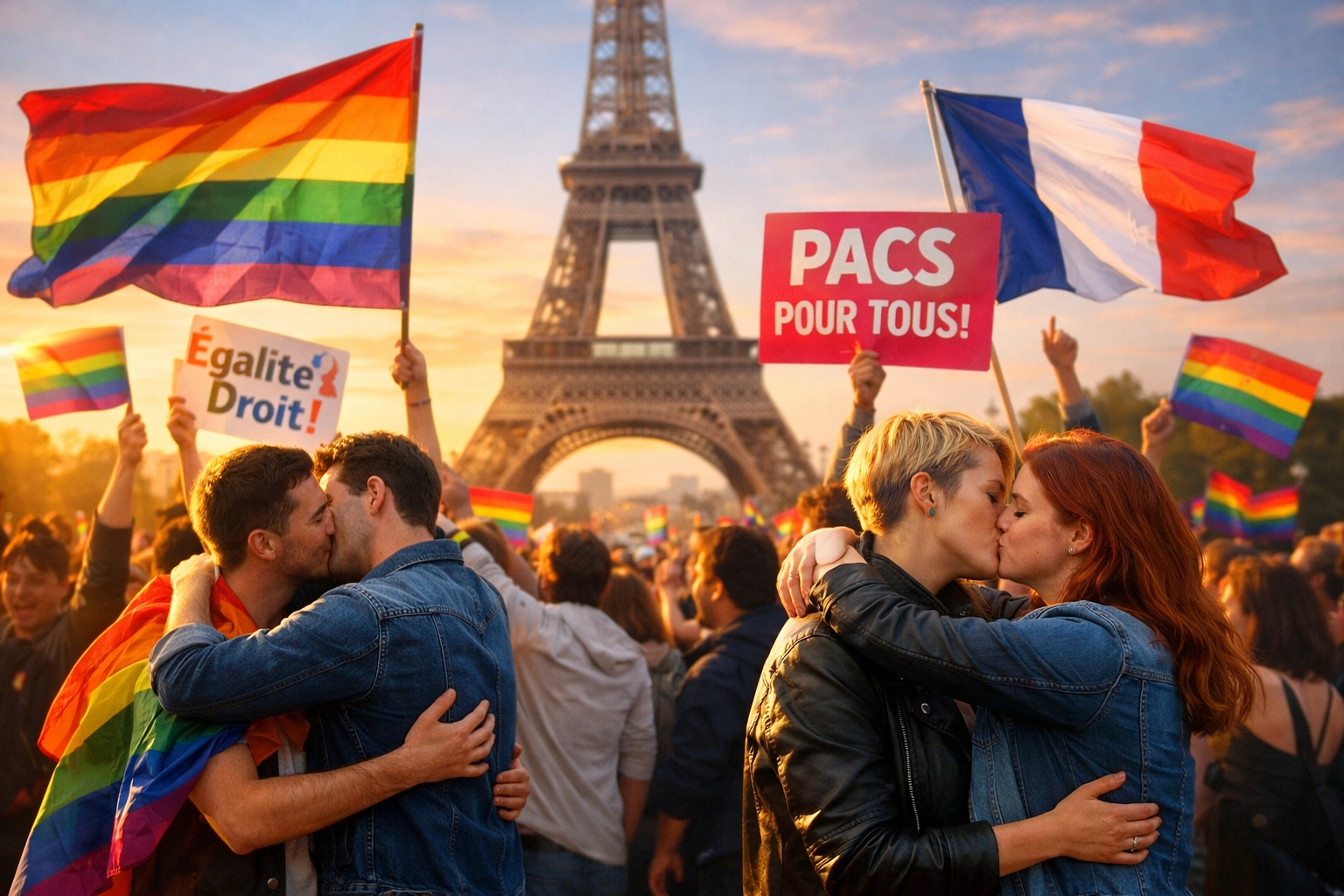
Ah, Paris. The City of Light, the city of love, and: let’s be real: the city of some of the most iconic queer history on the planet. Whether you're dreaming of a baguette-filled afternoon in the Marais or you're deep into your latest MM romance books set against the backdrop of the Seine, there’s no denying that Paris holds a special place in the LGBTQ+ heart.
But it wasn’t always glitter and rainbows. The road to the vibrant Pride parades we see today was paved with grit, radical protests, and a revolutionary spirit that only the French can truly pull off. Today at Read with pride, we’re diving into the history of Parisian visibility, the battle for legal recognition, and how the "friends to lovers" trope isn't just for our favorite gay romance novels: it was the foundation of a movement.
The "Almost" Legal City: Life Before the Parade
If you look back at the history of Europe, France was actually ahead of the game in one very specific way. During the French Revolution in 1791, homosexuality was technically decriminalized. While the UK and the US were busy throwing people in jail for "gross indecency," France took a "mind your own business" approach: as long as it stayed private.
But "private" is a tricky word. For the queer community in the 19th and early 20th centuries, visibility was a dangerous game. Gay life flourished in the shadows of Montmartre and the bathhouses of the city. One of the most famous (and slightly scandalous) parts of queer Parisian history involves the pissotières: the green cast-iron public urinals that lined the boulevards. For many, these were the only places to find community and connection.
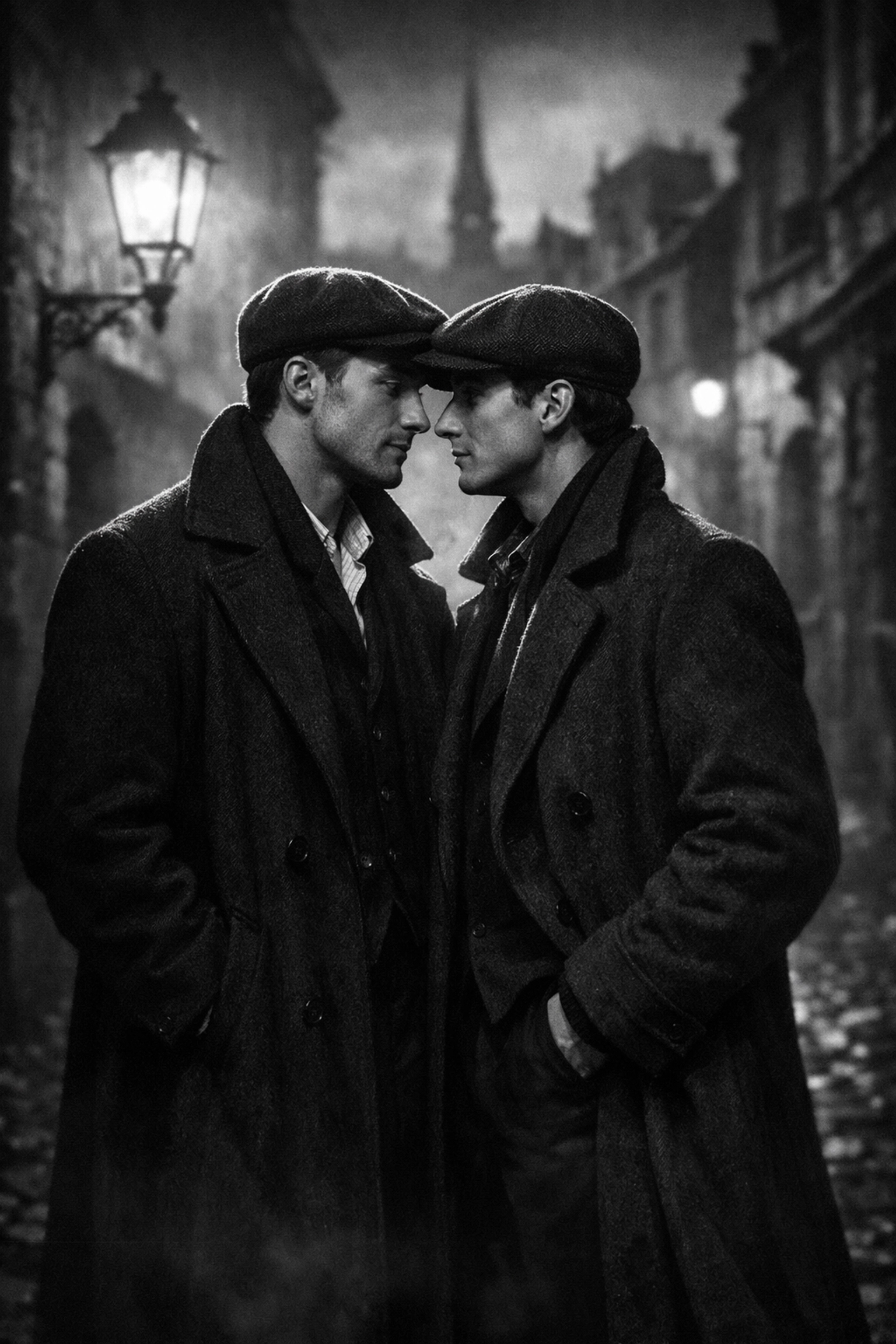
It was a world of secret codes and stolen glances, much like the high-stakes tension we love in gay historical romance. Imagine the "friends to lovers" tension of two men meeting in a jazz club in the 1920s, navigating a city that tolerated their presence but refused to acknowledge their love.
1971: The Revolution Gets Loud
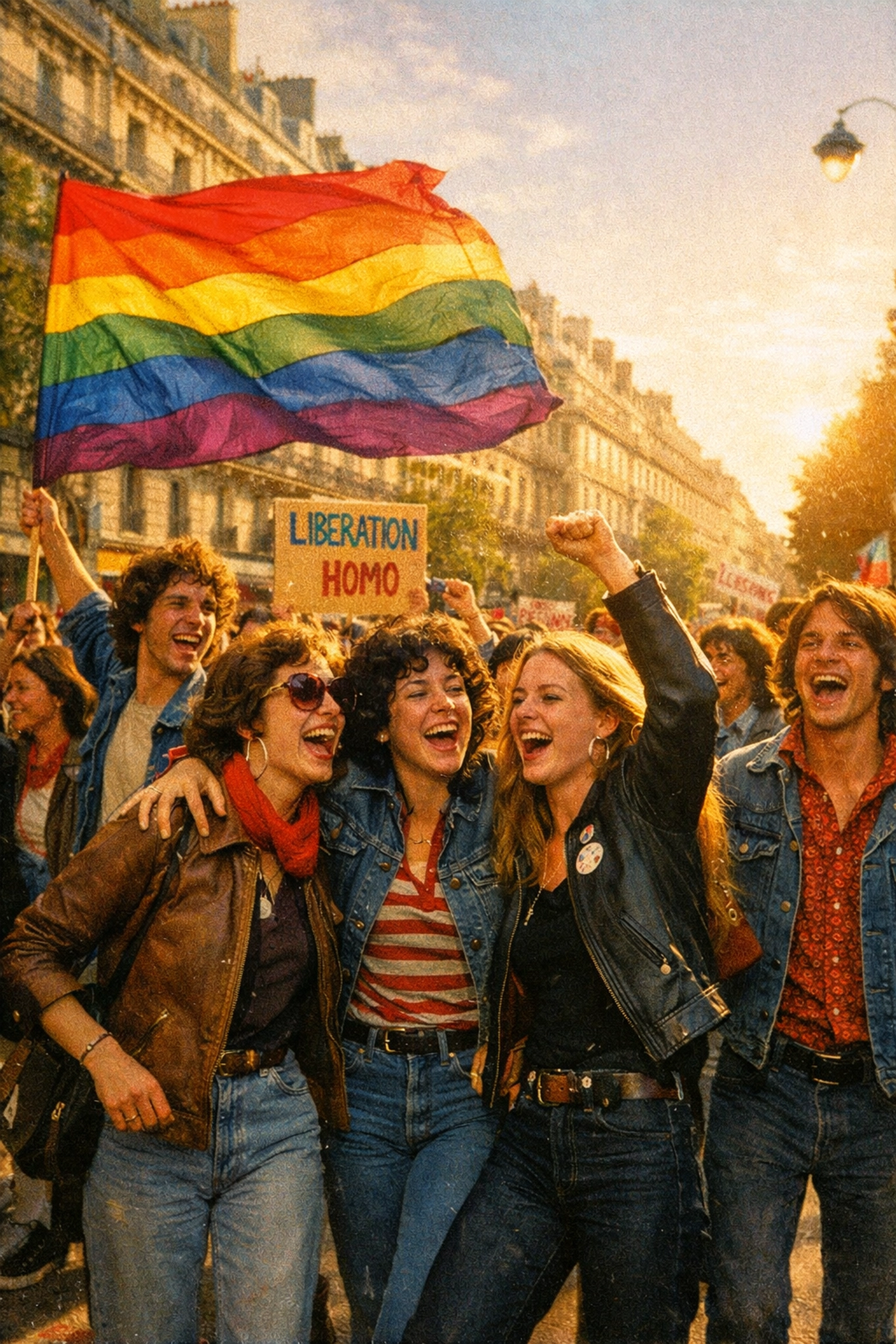
Fast forward to the 1970s. The world was changing, and Paris was ready to scream. In 1971, the Front homosexuel d'action révolutionnaire (FHAR) burst onto the scene. They didn't just want tolerance; they wanted a total overhaul of how society viewed gender and sexuality.
The first attempt at a Pride-style march happened in May 1971. A group of gay men and lesbians hijacked the traditional May Day workers' march. Imagine the scene: thousands of somber labor union members suddenly joined by a fabulous, loud, and incredibly brave group of queer activists. The unions weren't thrilled, but the message was clear: we are here, and we are part of the fabric of this country.
This era also saw the rise of the Gouines rouges (Red Dykes), led by legends like Monique Wittig. They reminded the world that the fight for queer rights was also a feminist fight. This intersectional history is why we prioritize diverse LGBTQ+ fiction and queer fiction at Readwithpride.com. Every voice matters.
1981: The First Official Pride
The real turning point for visibility came in 1981. This was a massive year for the French LGBTQ+ community. With the election of President François Mitterrand, there was a glimmer of hope for legal reform.
In April 1981, a massive demonstration was organized to demand the equalization of the age of consent (which was higher for same-sex couples at the time). Thousands took to the streets, and it worked. Mitterrand followed through on his promise, and that same year, the first "official" Pride parade in French history took place in Paris.
It was a moment of pure, unadulterated joy. It was the "lovers" part of the story finally coming into the light. If you're looking for popular gay books that capture this era of liberation and activism, you’ll find plenty of inspiration in the M/M books that explore the grit of 80s activism.
The PACS Revolution: A Civil Union Battle
While the 80s were about visibility, the 90s were about rights. For years, same-sex couples in France had zero legal standing. If a partner died, the other could be kicked out of their home or denied inheritance.
Enter the PACS (Pacte Civil de Solidarité).
The battle for the PACS in 1999 was legendary. It wasn't quite marriage (that wouldn't come until 2013), but it was a civil union that offered legal protections to unmarried couples, including same-sex ones. The debates in the National Assembly were heated. Conservative groups protested in the streets, but the queer community and its allies fought back harder.
The PACS changed everything. It normalized the idea of same-sex domesticity. It allowed couples who had been "just friends" in the eyes of the law for decades to finally have their bond recognized. This is the ultimate real-life friends to lovers mm romance story. It’s about the long game: the slow burn of a movement that refuses to give up until the happy ending is secured.
Modern Paris: The Marais and Beyond
Today, Parisian Pride (Marche des Fiertés LGBTQ+) is one of the biggest events in Europe. The Marais district serves as the heart of the community, filled with queer-owned bookstores, cafes, and bars. When you walk down Rue des Archives, you’re walking through history.
At Readwithpride.com, we love how Paris continues to inspire gay contemporary romance. There’s something about the city’s aesthetic: the rainy streets, the cozy bistros, the history of rebellion: that makes it the perfect setting for steamy MM romance or heartfelt gay fiction.
Whether you're looking for new gay releases or the best MM romance books of 2026, the spirit of Parisian Pride: the fight for visibility and the courage to love openly: is baked into every page of the books we publish.

Why We Love "Friends to Lovers" in the City of Love
There's a reason friends to lovers mm romance stories are so popular in our community. For much of our history, "friend" was the only label we were allowed to use.
- "They’re just roommates."
- "He’s a lifelong bachelor and his 'friend' lives with him."
- "They’re just very close companions."
We’ve had to reclaim that trope. In gay romance novels, the transition from friends to lovers is a beautiful metaphor for coming out and claiming your space. It’s about taking something hidden and making it visible: just like the activists did in Paris in 1971 and 1999.
If you’re craving a story that captures this vibe, check out our product-sitemap1.xml for the latest MM historical romance or browse our store for tales of adventure and heart.
Join the Movement
History isn't just something that happened in the past; it’s something we’re still writing. Every time you pick up an LGBTQ+ ebook, every time you support queer authors, and every time you stand up for visibility, you’re part of the legacy started by those brave Parisians.
Ready to find your next favorite read?
- Explore our gay romance books
- Check out our historical romance collection
- Follow our journey on social media to stay updated on 2026 gay books and more!
Stay Prideful, Stay Authentic.
Follow us for more queer history and book recs:
#ReadWithPride #MMRomance #GayHistory #ParisPride #LGBTQBooks #FriendsToLovers #QueerLiterature #GayRomanceNovels #ParisianHistory #PACSRevolution
Looking for more? Dive into our sitemaps to discover a world of gay love stories and MM fiction that will sweep you off your feet.

1 thought on “Parisian Pride: The Fight for Visibility and the PACS Revolution”
-
Pingback: Why Queer Hobbies Will Change the Way You Think About Community Building - readwithpride.com The best LGBTQ+ e-books
Leave a Reply
You must be logged in to post a comment.