

readwithpride.com
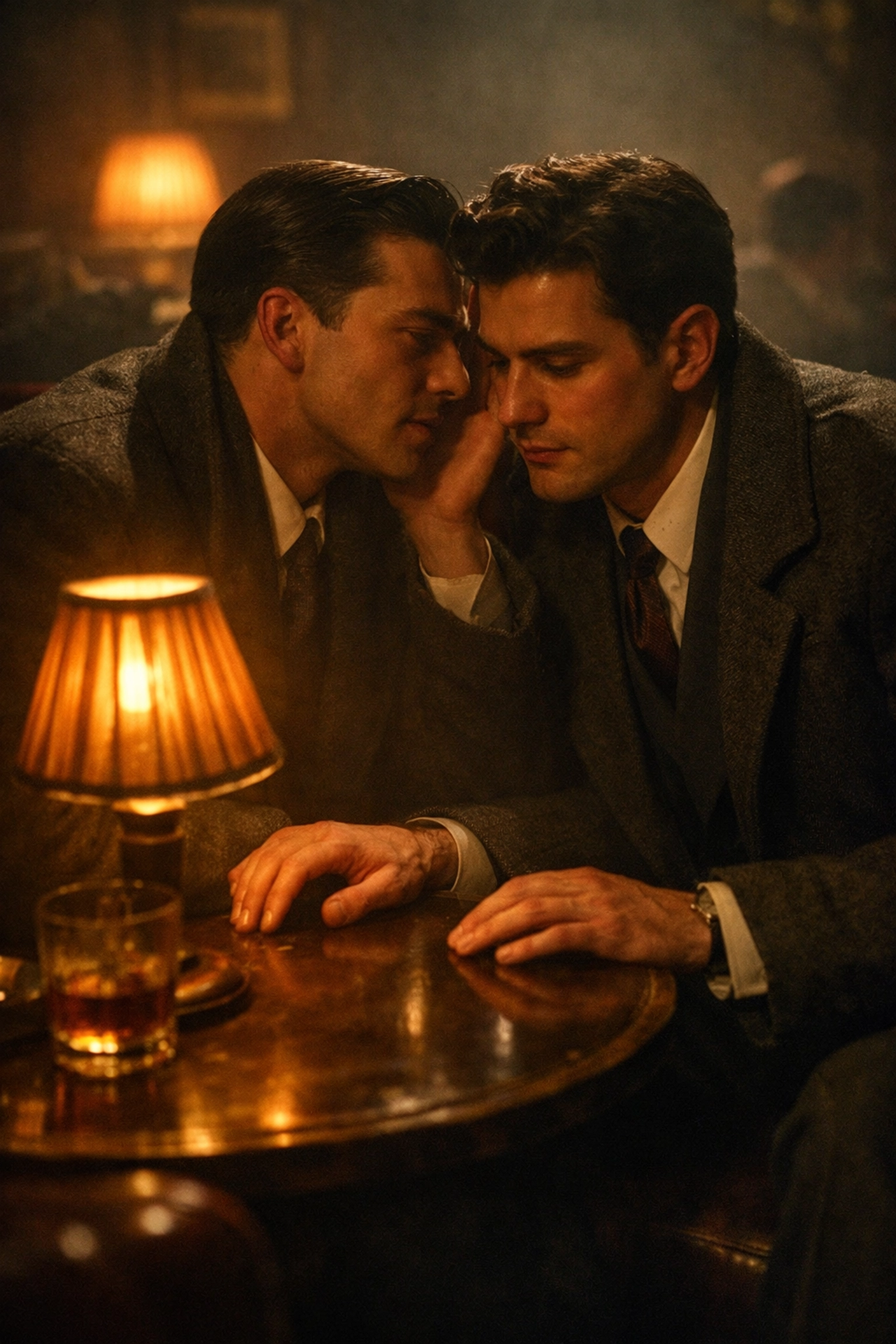
If you’re a fan of historical MM romance novels, you know that the "forbidden love" trope hits differently when the stakes aren't just social gossip, but actual prison time. We often swoon over characters stealing kisses in dimly lit 1950s jazz clubs or exchanging secret letters, but for the men living through that era in the UK, the reality was a lot less poetic and a lot more perilous.
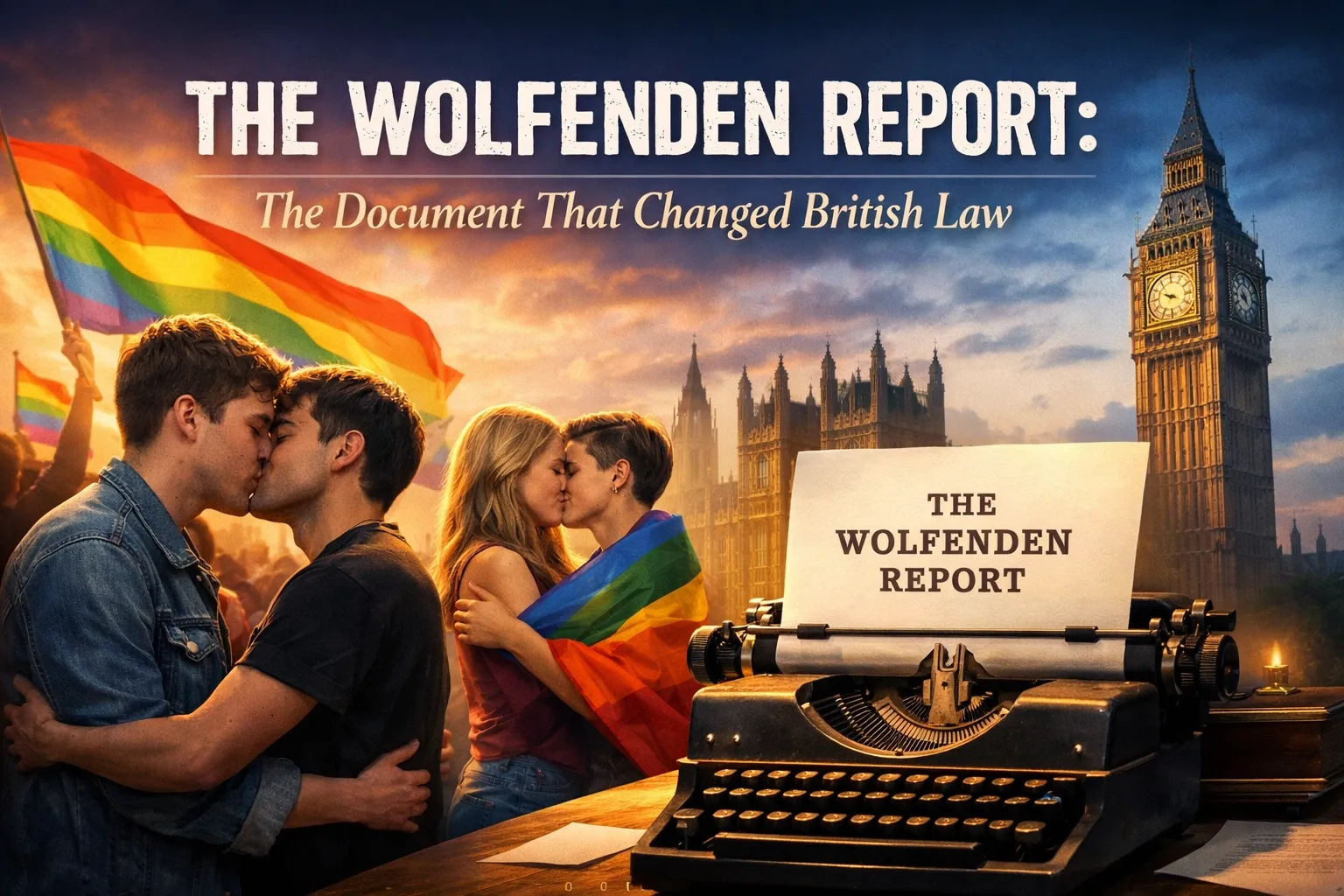
Enter the Wolfenden Report of 1957. If you’ve ever wondered why so many gay romance novels set in mid-century London feel so tense, it’s because the law was actively hunting the community. Today at Read with pride, we’re diving into the history of the document that cracked the door open for decriminalization and eventually changed the landscape of West European queer life forever.
The "Great Purge" of the 1950s
To understand why the Wolfenden Report was such a big deal, we have to look at how bleak things were before it arrived. Post-WWII Britain wasn't exactly a "Summer of Love" precursor. In fact, the early 1950s saw a massive spike in the prosecution of gay men. By 1954, over a thousand men were sitting in English and Welsh prisons just for being who they were.
The government was on a mission. High-profile arrests, like those of Lord Montagu and even the tragic case of Alan Turing, brought the "issue" of homosexuality into the public eye in a way that couldn't be ignored. The public was divided, the police were aggressive, and the government needed a way to handle the "problem."
Who was Wolfenden?
In 1954, the British government appointed a committee to look into two things that they: quite offensively: grouped together: "homosexual offences" and female prostitution. The man leading the charge was Sir John Wolfenden, a university vice-chancellor who was, ironically, a bit of a conservative figure himself.
The committee spent three years interviewing doctors, police officers, psychiatrists, and even a few brave gay men (who had to be granted immunity just to speak to the committee). It’s the kind of high-stakes research that would make for a gripping plot in one of our favorite MM historical romance titles.
The 1957 Bombshell: "Not the Law's Business"
When the report was finally published in September 1957, it sent shockwaves through the UK. Why? Because it suggested something revolutionary for the time: that what consenting adults did in private was simply none of the law's business.
The Wolfenden Report famously argued that there must remain "a realm of private morality and immorality which is, in brief and crude terms, not the law's business." This was a massive pivot from the Victorian-era mindset that the law should be the moral police of the bedroom.
The report recommended:
- Decriminalizing homosexual acts between consenting adults (over the age of 21) in private.
- Distinguishing between "sin" (which was for the church to worry about) and "crime" (which was for the state).
However, it wasn't all progress. To appease the moral majority, the report also suggested much harsher penalties for street prostitution to "clean up" the public eye. It was a classic "keep it behind closed doors" compromise, but for the gay community, it was the first time a government body had ever suggested they weren't inherently criminals.
The Intellectual Cage Match: Hart vs. Devlin
The report didn't just sit on a shelf; it sparked one of the most famous legal debates in British history. On one side, you had Lord Devlin, who argued that society would literally collapse if the law didn't enforce a shared morality. He believed that if the "man on the street" felt disgust toward an act, the law should ban it.
On the other side was H.L.A. Hart, who championed the Wolfenden view. He argued that using the law to punish people just because the majority found them "distasteful" was a violation of individual liberty. For those of us who love queer fiction that tackles social justice, this debate is the ultimate source of inspiration. It was a battle for the soul of modern British law.

The Long Walk to 1967
Even though the report came out in 1957, the government didn't jump to change the law immediately. It took another ten years of tireless activism, parliamentary debates, and shifting social tides before the Sexual Offences Act 1967 was passed.
This Act finally legalized private, consensual acts between two men over 21 in England and Wales. (Scotland and Northern Ireland had to wait even longer: until 1980 and 1982, respectively). While the 1967 Act was far from perfect: it still had many "public" restrictions that police used to harass men: it was the legal foundation that allowed the modern LGBTQ+ movement to grow.
Why This Matters for Readers of Gay Fiction
You might be thinking, "Penny, this sounds like a history lecture. Where are the MM romance books?"
The truth is, understanding the Wolfenden Report makes reading gay historical romance so much richer. When you read a story set in 1960s London, you understand why the characters are so terrified of the police, but also why they feel a spark of hope. The Wolfenden Report was the "beginning of the end" for the era of total secrecy.
It paved the way for the vibrant, out-and-proud West European gay life we see today. From the Pride parades in London to the inclusive publishing houses like Read with pride, we owe a debt to those 1950s activists who pushed for the Wolfenden Committee to see the truth.

Exploring the Era Through Books
If this history has you craving some period-accurate M/M books, there are so many incredible authors capturing this transition from shadow to light. Whether it's the tension of the 1950s "witch hunts" or the liberation of the late 60s, these stories remind us how far we’ve come.
Check out some of our curated collections to find your next obsession:
At Readwithpride.com, we believe that knowing our history makes our stories more powerful. The Wolfenden Report wasn't just a dry legal document; it was a manifesto for the right to love.
West Europe Gay Life: Then vs. Now
Looking at West Europe today, it’s hard to imagine that just 70 years ago, men were being imprisoned for a private conversation or a lingering look in a pub. While we still face challenges, the legacy of the Wolfenden Report is seen in the equality acts, the marriage equality laws, and the freedom to publish and read LGBTQ+ fiction without fear.
We've moved from "the law's business" to "our own business," and honestly, the view from here is much better.
Join the Conversation
What are your favorite historical MM romance novels? Do you prefer the high-stakes drama of the pre-decriminalization era, or the revolutionary vibes of the 70s and 80s? Let us know on our socials!
Stay authentic, stay proud, and keep reading.

Explore more with Read with Pride:
- Shop our store: Dick Ferguson Writer
- Got questions? Check our FAQ
- Browse our full Sitemap
#LGBTQHistory #WolfendenReport #MMRomance #GayHistoricalRomance #ReadWithPride #QueerFiction #BritishHistory #Decriminalization #GayBooks2026 #WestEuropeQueerLife
Follow us for more queer history and bookish goodness:
Facebook | Instagram | X (Twitter)
readwithpride.com

Leave a Reply
You must be logged in to post a comment.