
readwithpride.com
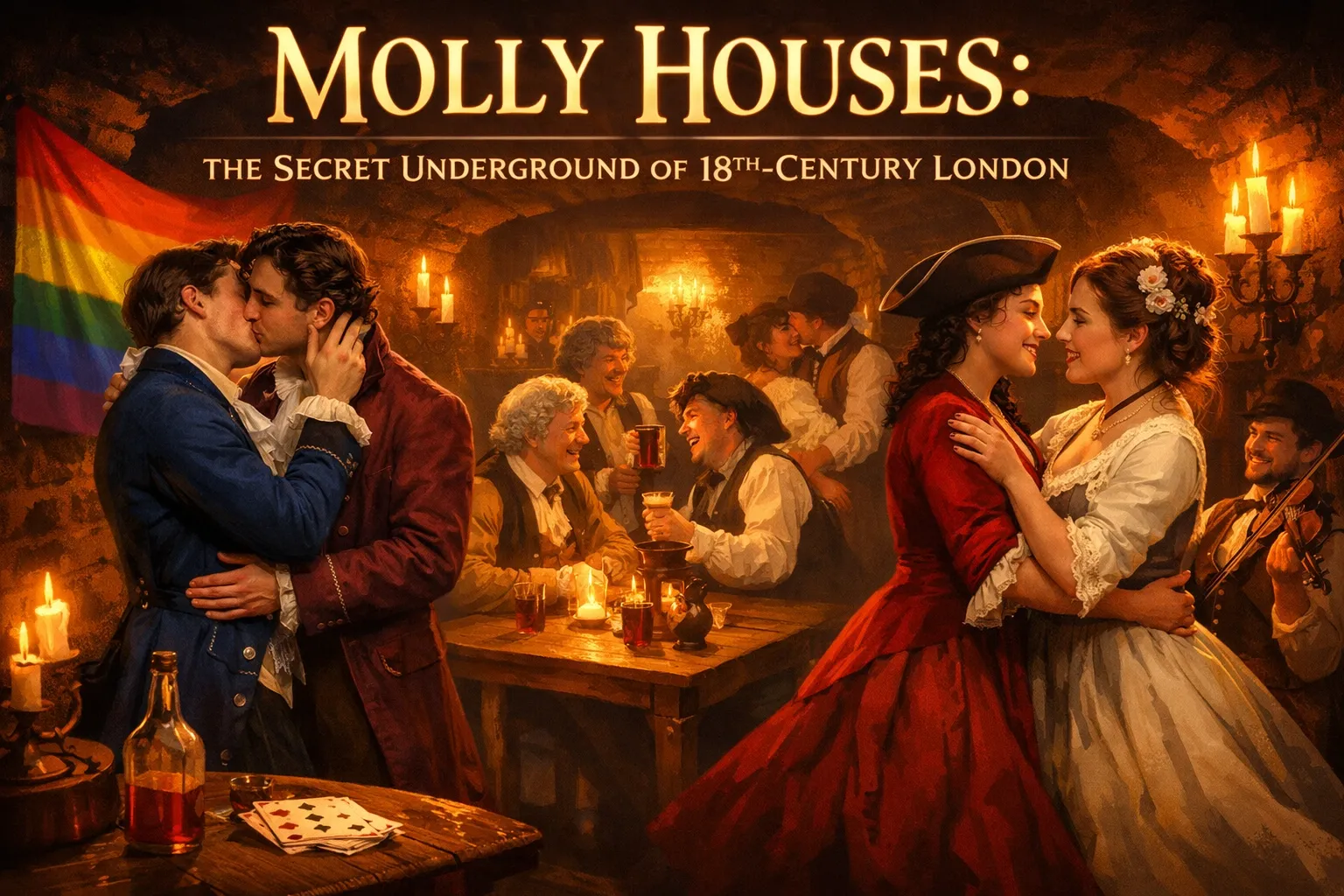
If you think the queer scene started with Stonewall, honey, we need to take a carriage ride back to the 1700s. Long before the neon lights of Soho or the apps on our phones, London had a thriving, gossiping, lace-wearing underground world. Welcome to the era of the Molly House.
At Read with Pride, we’re obsessed with the roots of our community. While we love the steam and heart of modern MM romance books, there’s something incredibly powerful about looking back at the real men who risked everything just to have a drink and a dance with someone they loved. If you’re a fan of historical mm romance novels, the story of London’s Mollies is the ultimate blueprint for every "forbidden love" trope you’ve ever devoured.
What on Earth was a Molly House?
In 18th-century London, being gay wasn't just frowned upon: it was a capital offense. Under the "Buggery Act," you could literally lose your life for being caught in the arms of another man. But queer people have always been resourceful. Enter the Molly House.
A "Molly" was a slang term for a gay man (often used as an insult, but reclaimed by the community: sound familiar?). A Molly House was essentially a private club, often tucked away in the back rooms of taverns, coffeehouses, or private homes. They were sanctuaries where men could drop the mask of heteronormative society and just be.
Mother Clap: The Original Ally
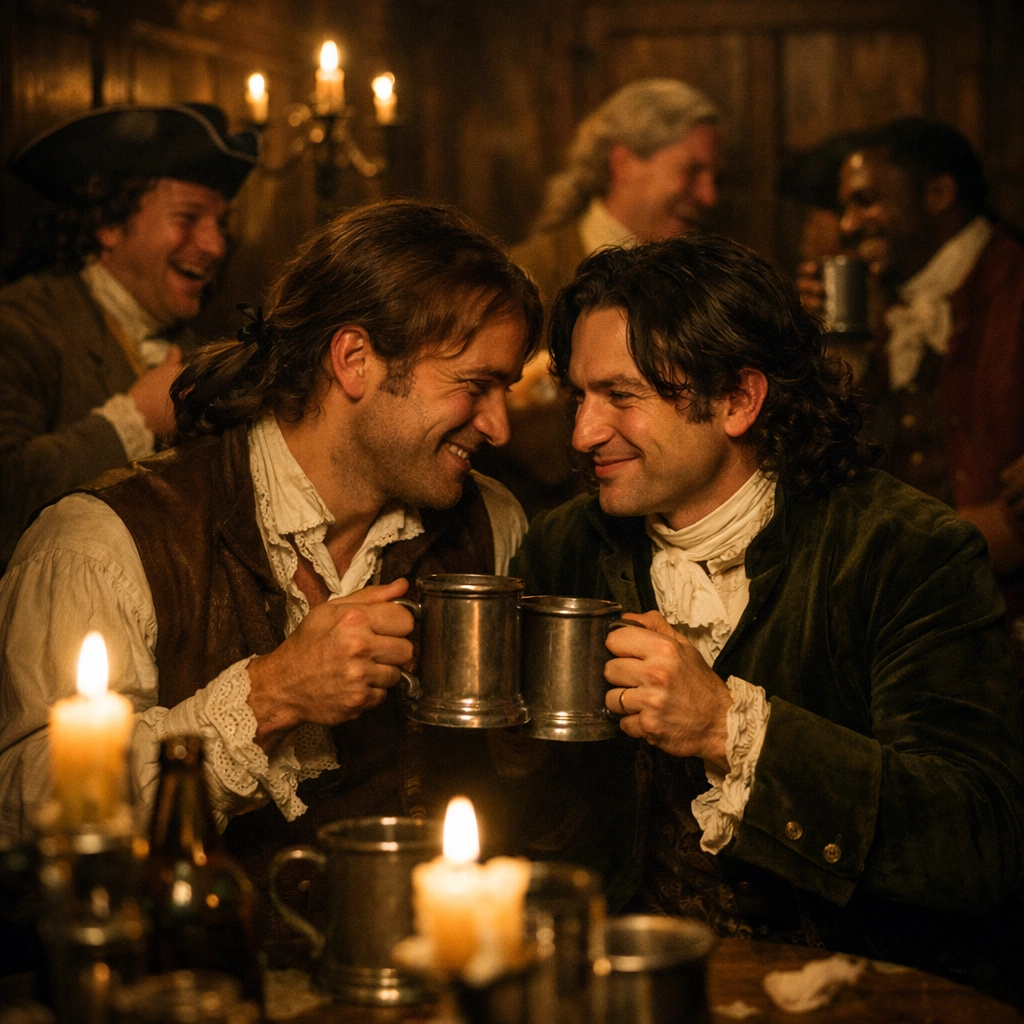
You can’t talk about Molly Houses without bowing down to the legend herself: Margaret Clap, better known as Mother Clap. She ran the most famous Molly House in London, located in Field Lane, Holborn.
Mother Clap wasn't queer herself (as far as history tells us), but she was the ultimate "hag" and protector of the community. Her house was a place where "forty or fifty Mollies" would gather every night to socialize. She provided the beer, the beds, and the protection. She even testified in court to protect "her boys," showing a level of allyship that puts some modern folks to shame.
Inside Mother Clap’s, the vibe was part pub, part drag show, and part wedding chapel. Men would give themselves "maiden names": think Princess Seraphina or Giddy Moll: and engage in "mock births" or elaborate "marriages." It was a world of camp, joy, and resistance in a city that wanted them dead.
The Secret Language of the Mollies
If you’ve ever read a gay historical romance, you know how much we love a secret code. The Mollies had their own dialect and rituals. They didn't just meet for sex; they met for community. They had "marrying rooms" where couples would exchange vows in front of their friends.
They also had a unique way of identifying one another in public. A specific cough, a tilt of the hat, or a lingering look in the "Sodomites' Walk" in Moorfields were the 1720s version of a Grindr notification. These men weren't just victims of history; they were creators of a distinct subculture that paved the way for the queer identity we recognize today.
The Dark Side: The Society for the Reformation of Manners
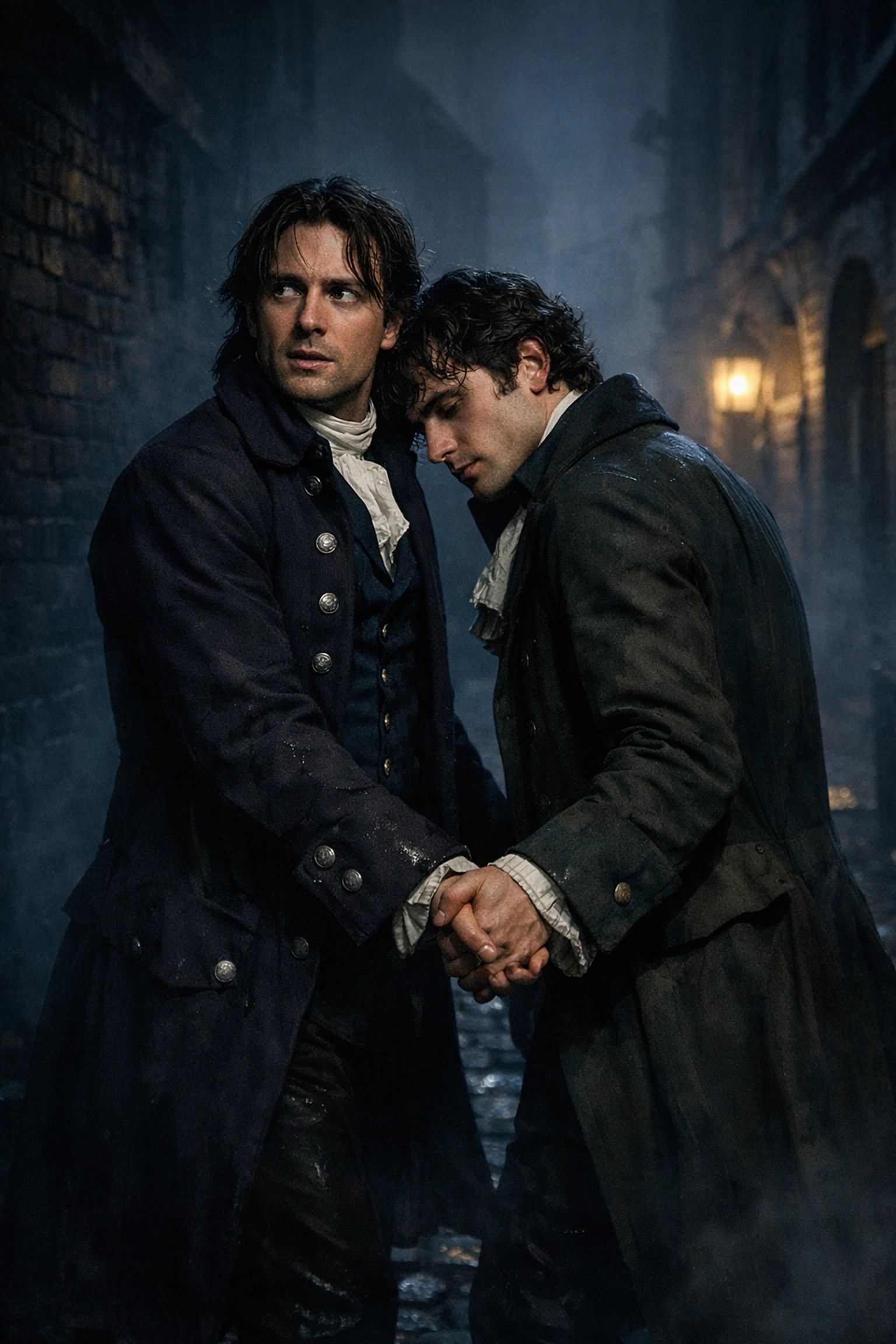
Every great story needs a villain, and for the Mollies, it was the Society for the Reformation of Manners. These were the self-appointed moral police of London. They used "agent provocateurs": essentially undercover snitches: to infiltrate Molly Houses, pretend to be interested in the men, and then arrest them.
The most notorious raid happened at Mother Clap’s in 1726. It was a brutal crackdown that led to the hanging of several men at Tyburn. It’s a sobering reminder that while our historical mm romance novels often end in a "Happily Ever After," the real-life Mollies were fighting a war for their right to exist. This tension is exactly what makes MM historical romance so compelling: the stakes couldn't be higher.
Why We Still Love Historical MM Romance Novels in 2026
You might wonder why, in 2026 gay books, we are still so drawn to the 18th century. It’s because the Molly House era represents the absolute peak of "us against the world."
When you pick up a book like The Swordsman's Compass, you’re tapping into that legacy of bravery. There’s something deeply romantic about finding love in the shadows. The tropes we love: secret identities, coded letters, and the "only one bed" (which was definitely a thing in crowded Molly Houses!): all stem from this real history.
At Readwithpride.com, we believe that knowing our history makes our fiction richer. When you read a gay love story set in the past, you aren't just reading a fantasy; you're honoring the ghosts of the men who danced at Mother Clap’s.
Exploring the Molly House Aesthetic in Fiction
If you’re looking for your next binge-read, look for stories that capture this specific atmosphere. We’re talking:
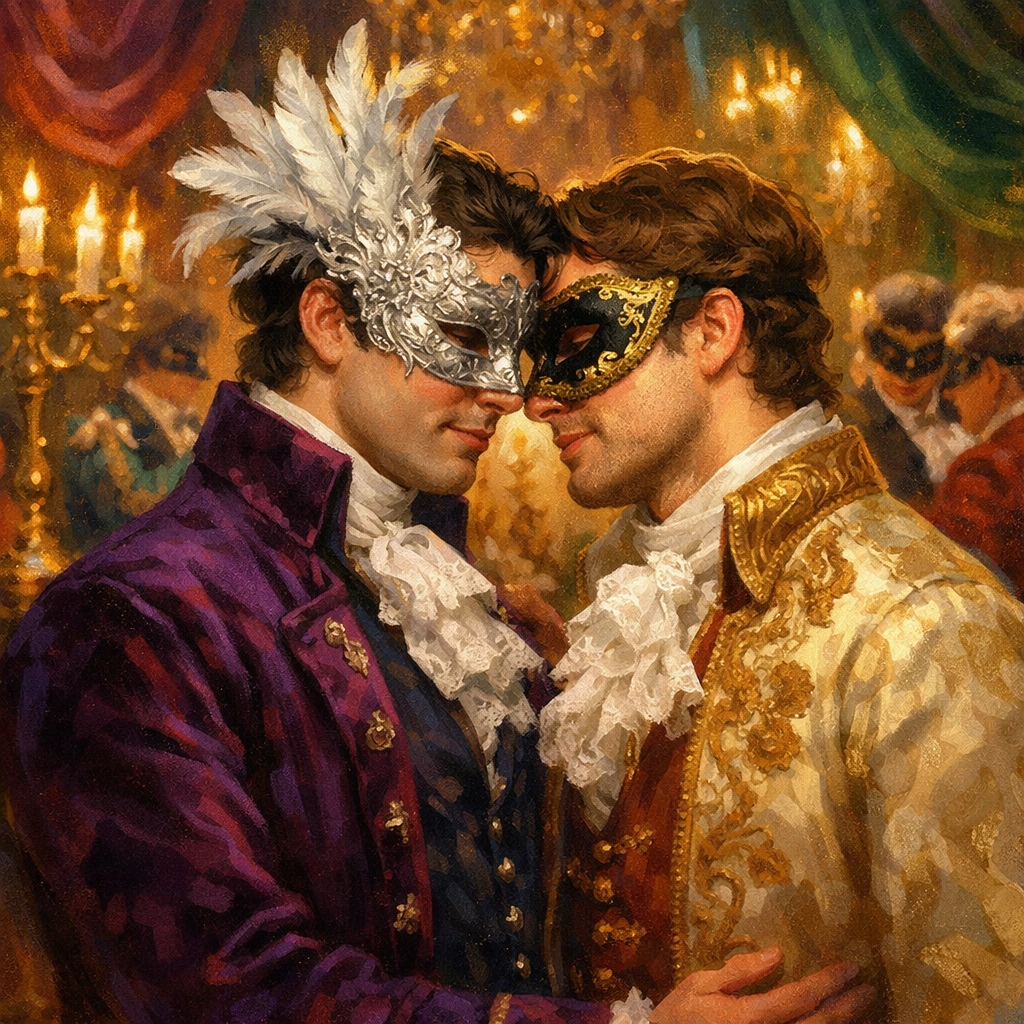
- The Masquerade Ball: Where identities are fluid and anyone can be a queen for a night.
- The Hidden Tavern: A place where the outside world stops at the door.
- The Found Family: A group of outcasts who protect each other from the "Reformers" of the world.
Whether it’s a steamy MM romance or a heartfelt gay fiction piece, the spirit of the Molly lives on.
Support Queer Publishing and History
The stories of the Mollies were almost erased from history by people who wanted to forget they ever existed. That’s why platforms like Read with Pride are so vital. We aren't just selling LGBTQ+ ebooks; we are ensuring that queer voices: past, present, and future: have a home.
If you’re a writer working on a gay historical romance, we want to see your work! Check out our ebook publisher sitemap to see how we’re bringing more queer stories to the masses. And if you’re a reader looking for the best MM romance books of 2026, our store is constantly updated with new releases that push the boundaries of the genre.
Final Thoughts: Raising a Glass to the Mollies
The next time you’re at a pride event or a gay bar, take a second to think of Mother Clap’s. Think of the men who put on silk gowns and called each other "sister" while the gallows loomed in the distance. They were the original rebels.
We carry their torch every time we write, read, or share an LGBTQ+ fiction story. The underground might not be secret anymore, but the need for safe spaces and authentic storytelling is just as strong as it was in 1726.
Stay proud, stay curious, and keep reading.
Explore more at Readwithpride.com.
Join the Conversation
What’s your favorite gay historical romance? Do you prefer the grit of 18th-century London or the glamour of the Regency era? Let us know on social media!
Follow us for more queer history and book recs:
- Facebook: Read with Pride
- Twitter/X: @Read_With_Pride
- Instagram: @read.withpride
#MollyHouses #QueerHistory #MMRomance #GayHistoricalRomance #ReadWithPride #LGBTQBooks #HistoricalFiction #2026GayBooks #GayRomanceNovels #MotherClap #LondonHistory #MMRomanceBooks

Leave a Reply
You must be logged in to post a comment.