

readwithpride.com
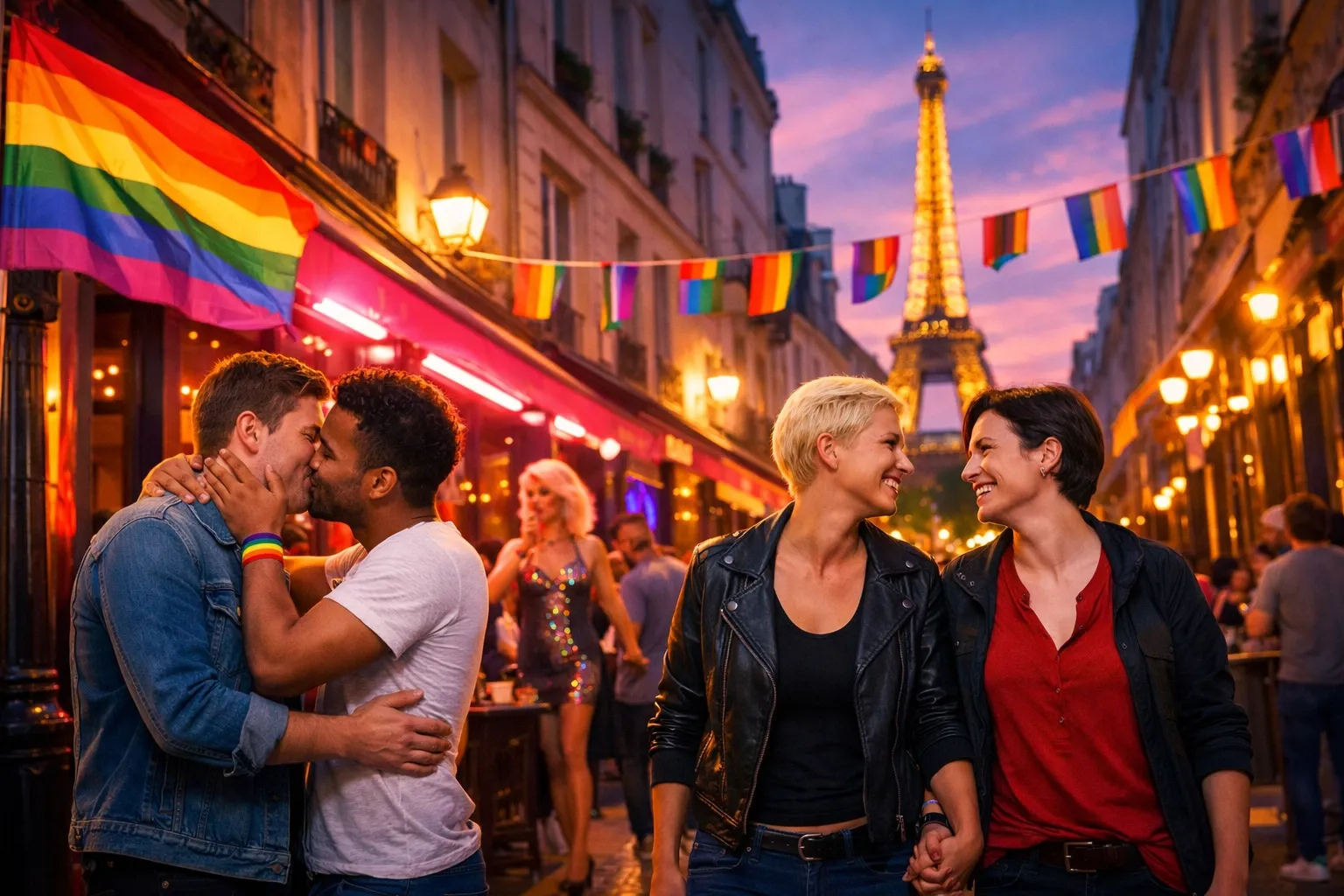
When people think of Paris, they usually conjure up images of the Eiffel Tower, overpriced macarons, and the Louvre. But for those of us in the community, the real heart of the City of Light beats in the narrow, cobblestone streets of the 3rd and 4th arrondissements. We’re talking about Le Marais.
Today, it’s the place to be for the best MM romance books scenery, high-end fashion, and rainbow flags on every corner. But Le Marais wasn't always the glittering "Gayborhood" we know and love. Its journey from a literal swamp to the epicenter of gay love stories and activism is a story of resilience, shared history, and: of course: a whole lot of style.
From Aristocracy to the "Pletzl"
The word Marais literally translates to "marsh" or "swamp." Back in the day (we're talking 12th century), it was just soggy land. By the 17th century, it became the posh place for French nobility to build their hôtels particuliers (grand mansions). However, when the court moved to Versailles, the Marais was abandoned by the elite.
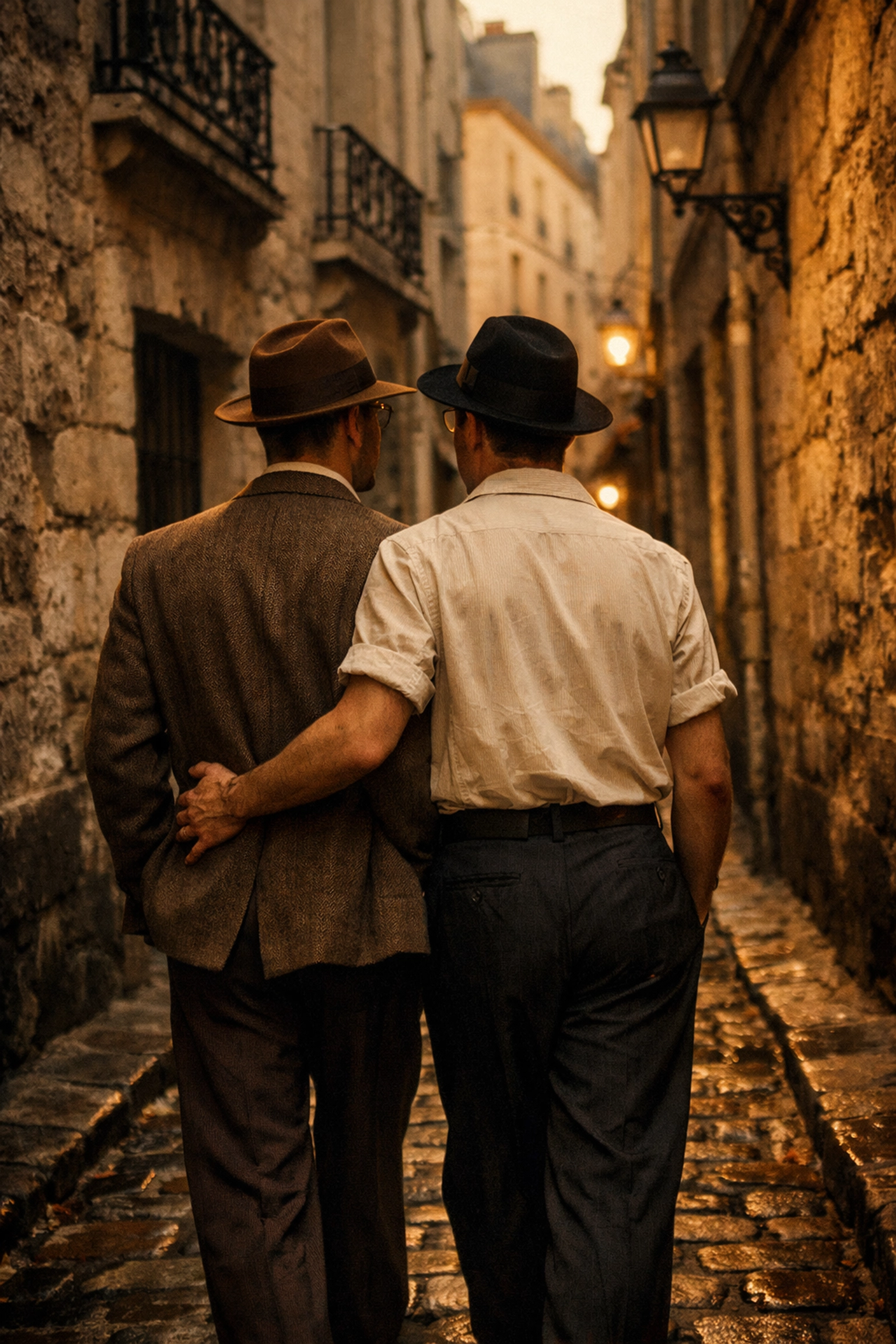
In the late 19th and early 20th centuries, it became the heart of Jewish life in Paris, known as the Pletzl. This historical layer is crucial. The Jewish community and the LGBTQ+ community both share a history of being outsiders, of facing "opprobrium and persecution," as the historians say. This shared sense of being "othered" created a unique atmosphere of tolerance that would eventually pave the way for the queer explosion of the 1970s.
The 1970s: The Great Migration
Before the Marais was "the gay area," queer life in Paris was nomadic. It drifted from the Tuileries to Montmartre and the posh clubs of Saint-Germain-des-Prés. But in the 1970s, something shifted. Artists, activists, and gay business owners were looking for a place that was central but affordable.
The Marais, which was largely neglected at the time, fit the bill perfectly. It had "shabby-chic" charm before that was even a term. In 1978, a bar called The Village opened its doors. It was a game-changer. Unlike the secretive, underground clubs of the past, The Village had large windows opening directly onto the street. It was bold, it was visible, and it signaled that the community was done hiding in the shadows.
The 80s: Activism and the Fight for Our Lives
The 1980s were a bittersweet decade for the Marais. On one hand, political progress was exploding. In 1981, François Mitterrand was elected President, and he actually followed through on his promises. By 1982, the discriminatory Vichy-era laws regarding the age of consent were repealed. The Marais celebrated at the Place de la Bastille, feeling a new sense of legal freedom.
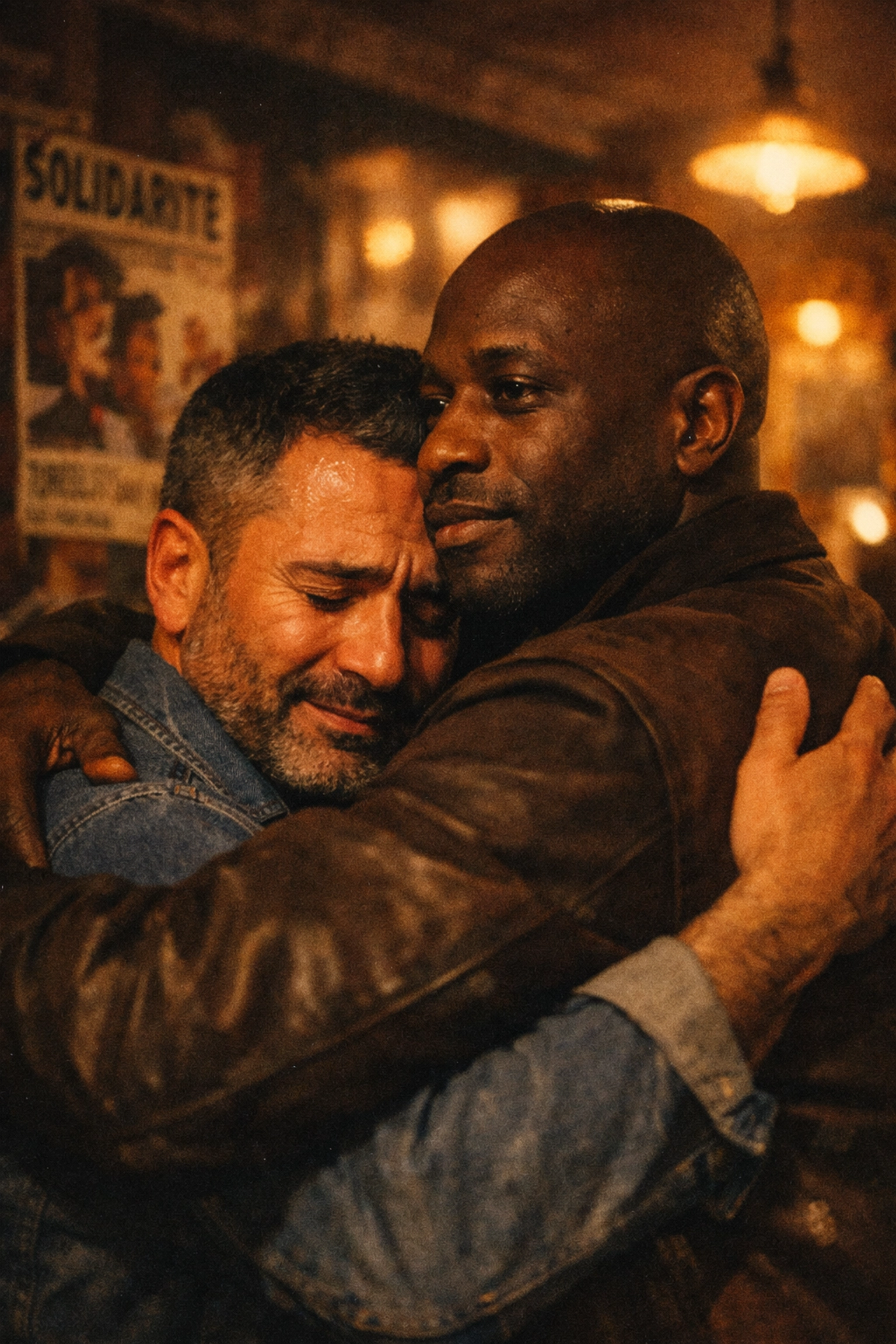
But then, the dark cloud of the AIDS crisis hit. The Marais wasn't just a place to party; it became a place of survival. In 1984, AIDES, the first French organization to fight the epidemic, was born right in the Marais, in an apartment above the Duplex bar.
The neighborhood transformed into a support network. Bars became information centers, and bookstores became hubs for community organizing. This era solidified the Marais not just as a shopping destination, but as a sanctuary. If you’re a fan of emotional MM books or gay historical romance, this period of Parisian history offers enough drama and heart to fill a library.
Gentrification and the Modern Scene
By the 90s and early 2000s, the Marais was the place to be. With Bertrand Delanoë becoming the first openly gay Mayor of Paris in 2001, the district's status was cemented. But success comes with a price: gentrification.
Today, the rents in the Marais are sky-high. Some of the gritty, authentic charm has been replaced by luxury boutiques. There is an ongoing debate in Paris about whether the "gay quarter" is shifting toward areas like Belleville or the 10th arrondissement. However, the Marais remains the symbolic home of the community. With over 250 LGBTQ+-friendly venues, it’s still the first stop for anyone looking for popular gay books, a strong espresso, or a late-night dance floor.
Spicy MM Romance Recommendations: The Paris Edition
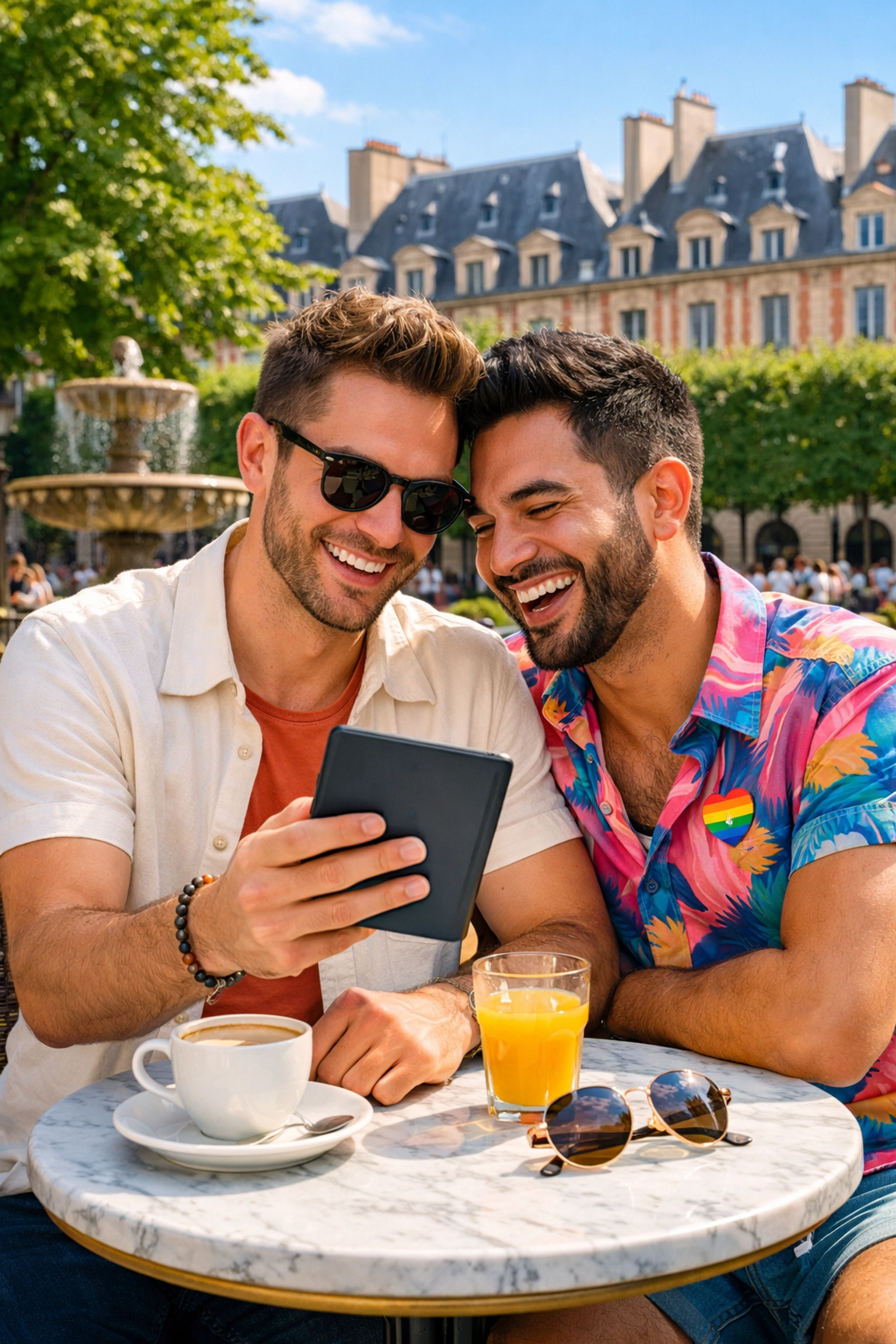
While you're wandering the Rue des Archives or sitting at a café in the Place des Vosges, you need the right soundtrack: or better yet, the right book. At Read with Pride, we know that a setting as romantic as Paris demands some steamy MM romance.
If you're looking for that perfect Parisian vibe, here are a few tropes and picks to get you started:
- Enemies to Lovers in the Latin Quarter: Think academic rivals fighting for the same internship at a prestigious Parisian publisher, only to find themselves sharing a tiny attic apartment.
- Forced Proximity in the Marais: Two strangers stuck in a boutique hotel during a flash strike (very French!).
- Gay Historical Romance: Explore the forbidden love of the 1920s jazz era in Paris.
Looking for the latest releases? Check out our 2026 gay books section for the hottest new titles. If you’re into something a bit more intense, our gay thriller category has some incredible stories set in the dark underbelly of European cities.
Why Authentic Storytelling Matters
At Readwithpride.com, we believe that stories like the evolution of the Marais are what fuel great queer fiction. When you read MM contemporary novels, you aren't just looking for a happy ending; you're looking for a reflection of our history and our triumphs.
Whether you're searching for top LGBTQ+ books or want to dive into a gay romance series, the legacy of the Marais reminds us that our spaces are worth fighting for and our stories are worth telling. Don't forget to check out our featured authors who are currently reshaping the landscape of MM fiction.
The Future of Queer Paris
The Marais is more than just a collection of bars; it’s a living monument. It represents the shift from the "hidden" life of the early 20th century to the "proud" life of today. While the neighborhood continues to change, its spirit of resistance and celebration remains.
If you’re planning a trip, make sure to visit the Archives LGBTQI+ and grab a book at Les Mots à la Bouche (the iconic queer bookstore). And when you're back at your hotel, winding down from a day of sightseeing, don't forget to browse Read with Pride for your next favorite gay love story.
Paris is always a good idea, but the Marais is a great one.
Want more queer culture and book recommendations?
Stay connected with us for the latest in LGBTQ+ ebooks and gay romance novels.
- Explore our full library: readwithpride.com
- Follow us on Instagram: instagram.com/read.withpride/
- Catch us on X: x.com/Read_With_Pride
- Join the community on Facebook: facebook.com/ReadWithPride
#LeMarais #ParisQueer #MMRomance #LGBTQHistory #GayParis #ReadWithPride #GayBooks2026 #QueerLiterature #MMRomanceBooks #GayRomanceNovels

Leave a Reply
You must be logged in to post a comment.