
readwithpride.com
There’s a certain kind of queer story that only makes sense when the nearest neighbour is a sheep, the wind has opinions, and “going out” means a 40-minute drive that includes at least one single-track road and a mild existential crisis.
The Scottish Highlands aren’t Glasgow or Edinburgh, and that’s the point. This is queer life with space. Quiet. Stark weather. Long looks. Even longer silences. It can be lonely. It can be freeing. Often it’s both in the same afternoon.
And if you’re here because you love quiet intimacy MM romance novels or you’re hunting for the vibe of historical MM romance novels set far from ballrooms and big-city bars… welcome. The Highlands have always been good at secrets, survival, and slow-burn feelings.
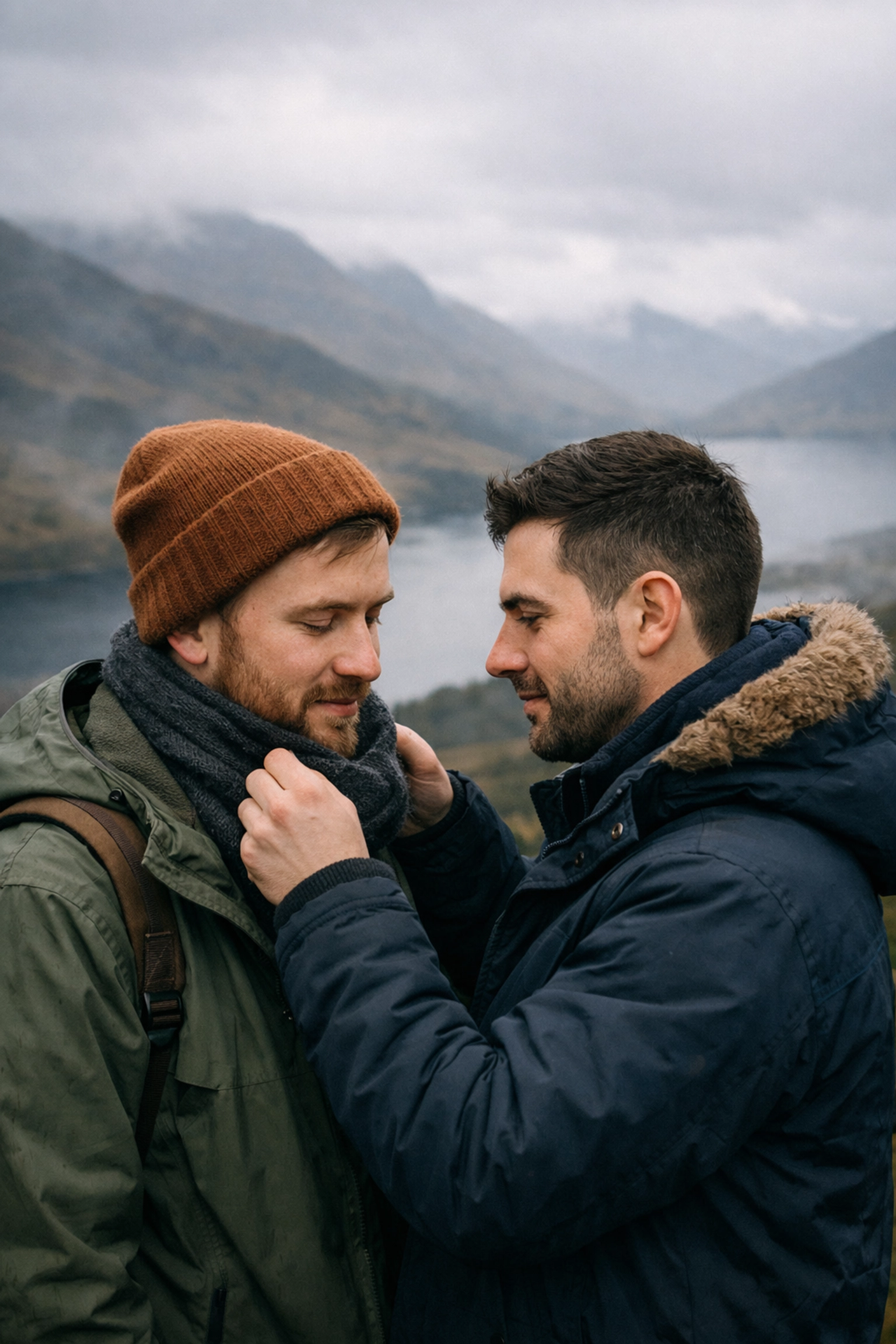
What “queer community” looks like when there isn’t a gay bar
In the Highlands, community doesn’t usually revolve around a strip of clubs or a rainbow-painted neighbourhood. It’s more like:
- a WhatsApp group that started as “anyone fancy a coffee?”
- a monthly meetup in Inverness where everyone pretends they’re casual about being excited
- a book club where half the “discussion” is basically therapy with biscuits
- friends-of-friends who become your chosen family because you’re the only out person in your postcode
A lot of regional connection flows through the Highland LGBT Forum (Inverness), which is volunteer-run and focused on fair treatment, visibility, and support, especially for trans and gender-diverse folks, plus anyone who can’t easily get to in-person events. Online spaces matter here. When you’re remote, “just pop along” isn’t a thing.
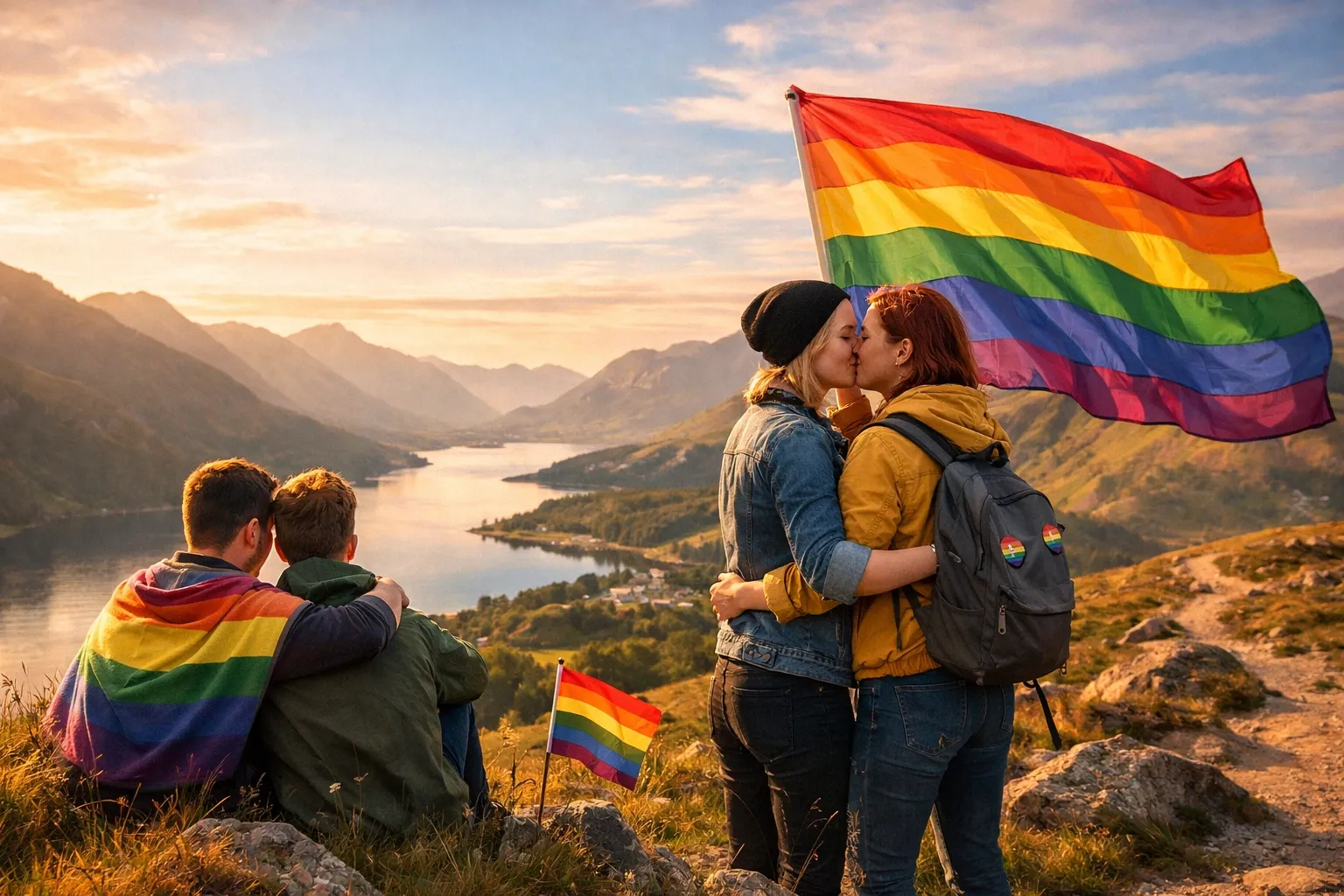
And yes, Pride exists up here too, often smaller, sometimes scrappier, and honestly? Sometimes more emotional because you know how much it took for people to show up. Pride events have been growing in rural and island communities, with gatherings in places like Oban and even the Isle of Arran. The vibe tends to be: less corporate float, more “my auntie made these rainbow cupcakes and I might cry.”
Rural queer life: the good, the hard, the real
Let’s not pretend it’s all moody landscapes and romantic eye contact across the loch. Rural queer life comes with trade-offs.
The beauty
- Privacy (the nice kind): You can build a life that feels genuinely yours. There’s space to breathe, to heal, to be weird in peace.
- Nature as a reset button: The outdoors isn’t just scenic; it’s a coping strategy. A walk becomes “mental health maintenance.”
- Slower rhythms: The Highlands are basically built for slow-burn romances. You can’t rush anything, not the weather, not the roads, not emotional breakthroughs.
The challenges
- Visibility can feel risky: In a small community, you’re not just out, you’re “known.” For some people that’s affirming. For others it’s pressure.
- Limited dating pool: Apps can be bleak. “2 miles away” might be a straight couple looking for a third (no shade, just… not your mission).
- Distance from services: Getting to affirming healthcare, counselling, and sexual health support can mean travel and planning.
- Being the first/only: In some villages, you might be the first openly queer person someone has met. That can be exhausting even when they’re trying.
Scotland has strong legal protections, including anti-discrimination law and hate crime protections tied to sexuality and gender identity. But lived experience varies, and research-based guidance still points out that homophobic incidents can be more common in rural areas than cities. Most Highland queer people learn a kind of situational awareness, without letting fear take the steering wheel.
Support and safety: what’s actually available up here
Practical info matters, because “just be confident” is not a plan.
Here are a few resources and services mentioned in regional guidance and community listings:
- Highland Sexual Health clinics: free, confidential sexual health services across the Highland area.
- Waverley Care (Inverness office): HIV prevention and support services, plus sexual health education and promotion, with a focus including gay and bisexual men.
- Out and About in the Highlands (LEAP Sports Scotland): supports LGBTQ+ health, wellbeing, and social connection through sport and physical activity (which is honestly a genius way to meet people without the pressure of “this is a queer meetup and now we must talk about our feelings”).
- LGBT+ Helpline Scotland: emotional support and information across Scotland via phone (0800 464 7000). Times can vary, so check before calling.
If you’re reading this from the Highlands: you’re not “too far away” to deserve support. And if you’re reading from elsewhere and imagining a Highland escape: remember that remoteness is romantic until you need a last-minute appointment or your car decides it’s done with life.
A quick tour: different Highland areas, different queer vibes
The Highlands aren’t one thing. Even locals argue about what counts as “the Highlands,” and they will continue arguing until the end of time.
Inverness: the social hub (and the gateway drug)
Inverness is where more organised community life tends to cluster, events, meetups, services, and the “I’m not the only one!” effect. It’s not a huge city, but it’s a place where queer life can feel more visible.
If your queer Highland story is a contemporary one, Inverness often plays the role of: “where I go when I want to breathe and be seen.”
Fort William and the outdoor crowd
Expect more outdoorsy social connection: hillwalking groups, casual pub meetups, and that particular Highland bonding experience of getting rained on together and pretending it’s fine.
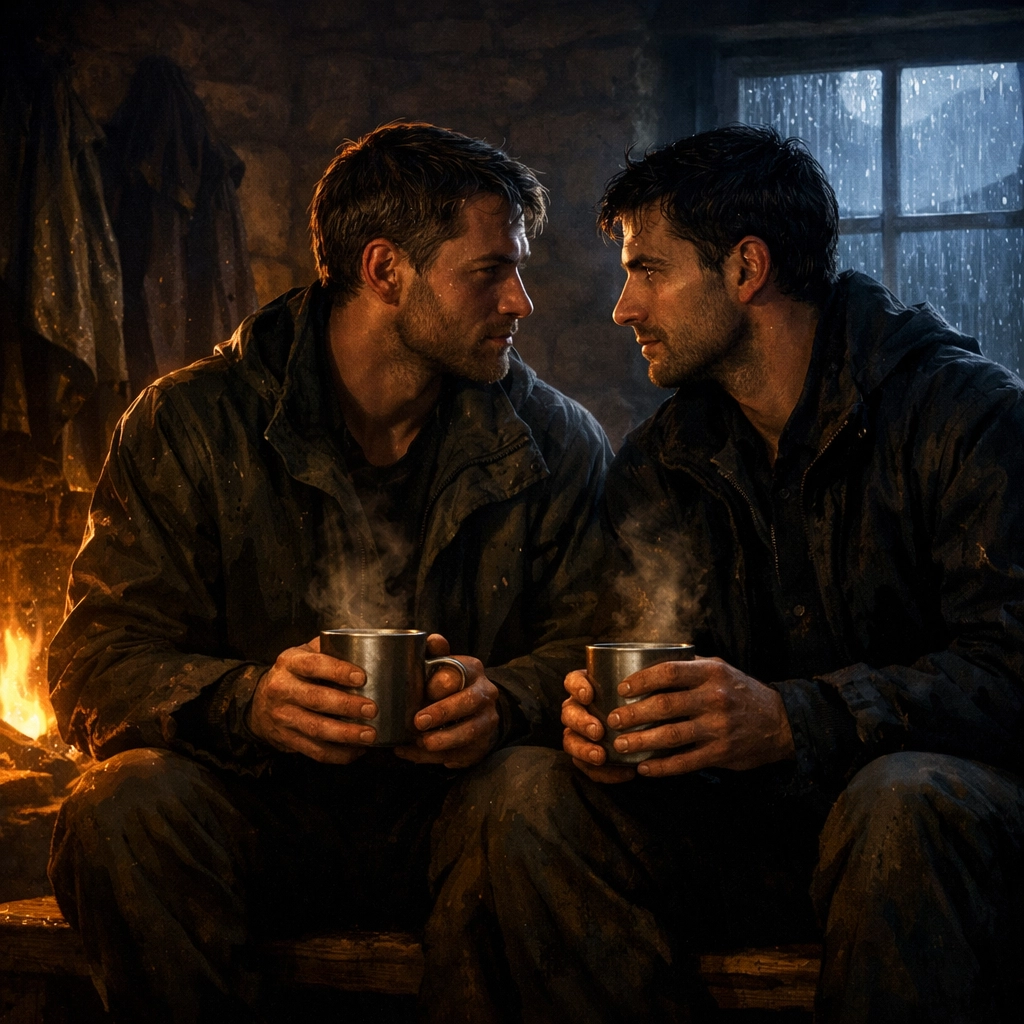
This is prime territory for forced proximity and only one bed vibes, except the “bed” is a bothy and someone forgot the stove fuel.
Skye and the islands: intimate, tight-knit, sometimes intense
Island life can be breathtaking, and it can also amplify small-town dynamics. People know each other, histories run deep, and you may need to choose your confidants carefully at first. But when you find your people, it can feel like a family you didn’t know you needed.
Tiny villages: where quiet intimacy becomes a whole lifestyle
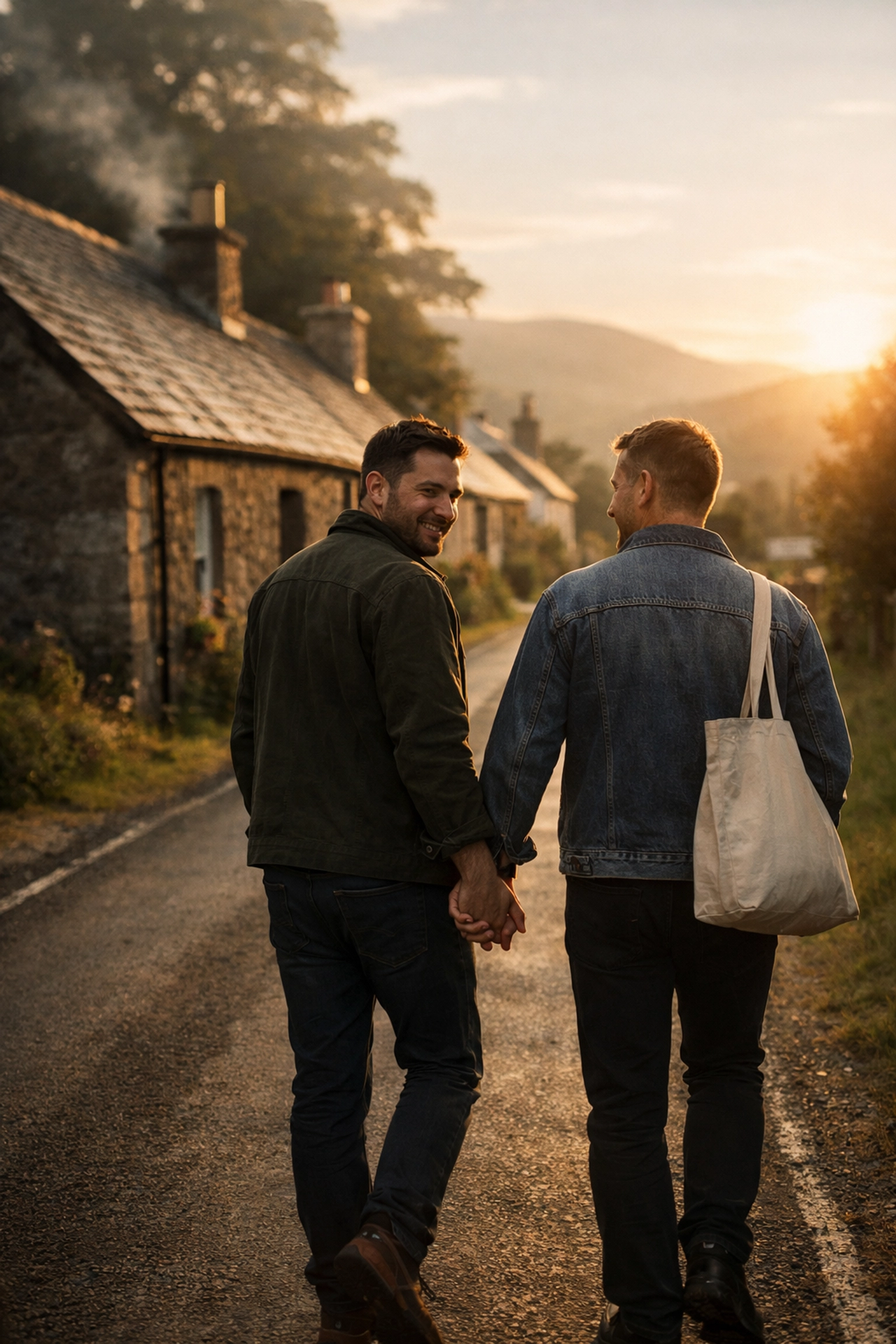
In smaller villages, queer life can look like one couple quietly existing, one person half-out, and one older neighbour who doesn’t discuss your sexuality but will bring soup when you’re ill (Highland allyship can be very “acts of service, no conversation”).
It’s not always easy. It can also be profoundly tender.
The Highlands in queer history: what survives, what’s been erased, what’s implied
Highland queer history isn’t always neatly documented. Not because queer people weren’t there, but because records weren’t kept, or were actively suppressed, or were coded in ways that made sense at the time.
In cities, you might find more written traces: newspapers, court records, organisations. In rural areas, queer history often lives in:
- letters that never said the word but said everything
- lifelong “bachelor” partnerships
- women who “shared a house” for decades
- local stories told quietly, like they’re fragile
If you love historical MM romance novels, you already understand this language: longing tucked into politeness, devotion disguised as duty, desire framed as friendship because that was safer.
A Highland historical romance doesn’t need a ballroom scandal. It needs:
- a croft,
- a storm,
- a reputation that could ruin someone,
- and the kind of love that’s built through work, loyalty, and shared silence.
That’s not just fiction fuel, it’s often closer to how queer rural history had to operate.
Why the Highlands feel like MM romance (and which tropes hit hardest)
There’s a reason readers gravitate to rural settings when they want something that hurts a little (in a good way). The Highlands naturally support some of the most satisfying MM romance book tropes, especially if you’re into slow emotional payoff.
Slow burn (the Highland default)
Remote life teaches patience. People don’t rush relationships when everyone’s connected and gossip travels faster than broadband. Slow burn isn’t just romantic, it’s strategic.
Forced proximity
Bad weather. A broken-down car. A job that requires living on-site. One spare room in the only open inn.
The Highlands practically write forced proximity MM romance on your behalf.
Grumpy/sunshine (but make it Scottish)
The grumpy one runs on black tea and emotional repression. The sunshine one moved up “for the fresh air” and is absolutely not prepared for winter darkness.
Second chances
Lots of people leave rural places to survive, then come back when they’re ready. That return, older, braver, softer, makes for elite MM contemporary and gay romance novels energy.
Hidden identity / coming out later
Still common in small communities, especially across older generations. These stories can be tender when written with care: no shame, no trauma-porn, just the complexity of timing, safety, and self-acceptance.
If you’re hunting for that vibe in your next read, Read with Pride (yes, Read with pride) curates MM romance books across tropes: from quiet, heartfelt gay love stories to spicier, high-emotion reads. Start browsing at readwithpride.com.
Reading the Highlands: what to look for in “quiet intimacy” MM romance novels
If you want the Highlands mood on the page: whether contemporary or MM historical romance: these are the ingredients that deliver:
- Setting that behaves like a character: weather, isolation, dark mornings, long twilight
- Small acts of care: fixing a fence, making tea, driving someone home without making it a big deal
- Emotional restraint that isn’t emotional absence: characters who feel deeply but speak carefully
- Community pressure that’s nuanced: not “everyone is evil,” but “everyone notices”
- A sense of belonging earned, not granted: love that builds a home
For 2026 reading lists, this niche is thriving: more queer fiction is moving beyond city-centric stories and into rural, regional realities: because lots of us live there, or crave that kind of quiet in our heads even if we don’t in real life.
“But is it safe to visit?” A realistic (not scary) travel note
If you’re visiting the Highlands as an LGBTQ+ traveller, the honest answer is: many people will be perfectly welcoming, some will be politely indifferent, and occasionally you’ll run into the kind of awkwardness that’s more about unfamiliarity than hostility.
A few practical tips that don’t kill the romance:
- In very small villages, read the room before heavy PDA. Not because you should hide, but because you deserve to feel comfortable.
- Choose accommodation with clear inclusivity signals (reviews often tell you).
- Keep in mind distances: plan transport like an adult, not like a romcom protagonist.
And if you’re not just visiting, but considering moving? Try a “winter test.” Summer Highlands and winter Highlands are different planets.
Building a queer life beyond the big cities (without having to be a hero)
One of the myths about rural queer life is that you either have to be a brave pioneer or you have to leave. Reality is more ordinary, and that’s good news.
A queer life in the Highlands can be:
- quietly happy
- locally rooted
- private without being hidden
- connected without being crowded
It can also be a work in progress. Many people create a “hybrid” life: local day-to-day calm, plus occasional trips to bigger cities for nightlife, big events, or just the feeling of being one face in a thousand.
And in the meantime? Stories help. Books help. Seeing yourself: on the page and in the world: helps. That’s why we keep publishing and recommending gay romance novels and MM romance books that aren’t all big-city apartments and Pride parades (though we love those too). Sometimes the most powerful queer joy is a quiet one.
If you’re building your 2026 reading stack: whether you want gay romance books, tender MM novels, or queer fiction that understands rural life: browse new picks at readwithpride.com.
Find us online:
- Website: https://readwithpride.com
- Instagram: https://www.instagram.com/read.withpride/
- X: https://x.com/Read_With_Pride
- Facebook: https://www.facebook.com/profile.php?id=61586883027069
#ReadWithPride #MMRomanceBooks #GayRomanceNovels #QueerFiction #LGBTQEbooks #ScottishHighlands #RuralQueerLife #SlowBurnMMRomance #ForcedProximity #MMHistoricalRomance #QuietIntimacy #BestMMRomanceBooksOf2026

Leave a Reply
You must be logged in to post a comment.