readwithpride.com
So, you’ve got a story burning a hole in your pocket (or your hard drive), and you’re ready to share it with the world. First off, welcome! The world of gay romance novels and queer fiction is expanding faster than a drag queen’s wig collection on tour, and there is always room for more voices. Whether you’re looking to pen the next big MM romance books hit or a niche historical drama, writing for our community is an act of both art and activism.
Today, we’re diving deep into the craft. We aren’t just talking about grammar and punctuation: we’re talking about the soul of the story. Specifically, we’re looking at one of the most beloved tropes in the galaxy: friends to lovers mm romance stories. If you want to capture the hearts of readers at Readwithpride.com, you need to know how to balance the "aww" with the "oh!"
1. The Slow Burn of "Friends to Lovers"
In 2026, readers are craving connection. The friends to lovers mm romance stories trope is perennial because it’s built on a foundation of trust. But here’s the secret: the transition from "bestie" to "boyfriend" shouldn't happen overnight.
To make it authentic, you need the pining. You know the feeling: the accidental hand brush that lingers a second too long, the internal monologue that screams do they know?, and the shared history that makes every look feel heavy with meaning. When you’re writing gay love stories, the history between characters is your greatest weapon. Use it to create tension. If they’ve known each other since they were five, how does that change the way they look at each other at twenty-five?

2. Beyond the Coming Out Narrative
While coming out is a monumental part of many lives, queer fiction in 2026 has moved toward "post-coming out" joy. We want stories where the conflict isn't just "am I gay?" but rather "how do I navigate this spy mission while falling for my partner?" or "can we save the family bakery and still find time for a date?"
When writing MM romance, don't feel pressured to make the trauma the center of the universe. Authenticity doesn’t always mean pain; it means truth. Sometimes the truth is just two guys trying to figure out who’s going to do the dishes. Check out some of our genre-bending titles to see how authors are pushing these boundaries.
3. Tropes Are Your Friends (If You Use Them Right)
Let’s talk about the heavy hitters: forced proximity, enemies to lovers, and the slow burn. These aren’t "clichés": they are frameworks. Readers search for best MM romance specifically using these terms because they want a certain emotional payoff.
If you're writing friends to lovers mm romance stories, consider adding a secondary trope. Maybe they are friends who are also forced to share a bed at a crowded wedding? (Classic!). Or maybe they are childhood friends who became rivals and are now finding their way back to each other? Layering these expectations keeps your gay novels feeling fresh while satisfying that deep-seated itch for a happy ending.

4. Character Development: The "7 Mistakes" Rule
Developing a character is like seasoning a fine meal: too much of one thing and it’s ruined; too little and it’s bland. We’ve seen a lot of authors fall into the same traps, like making a character "the gay one" without giving them a hobby, a flaw, or a weird obsession with 1980s synth-pop.
Before you get too far into your draft, take a peek at our guide on 7 mistakes you're making with LGBTQ+ character development. It’ll help you steer clear of stereotypes and help you build men that feel like people we actually want to hang out with (and maybe fall in love with).
5. Setting the Scene: From Rural Ireland to London Streets
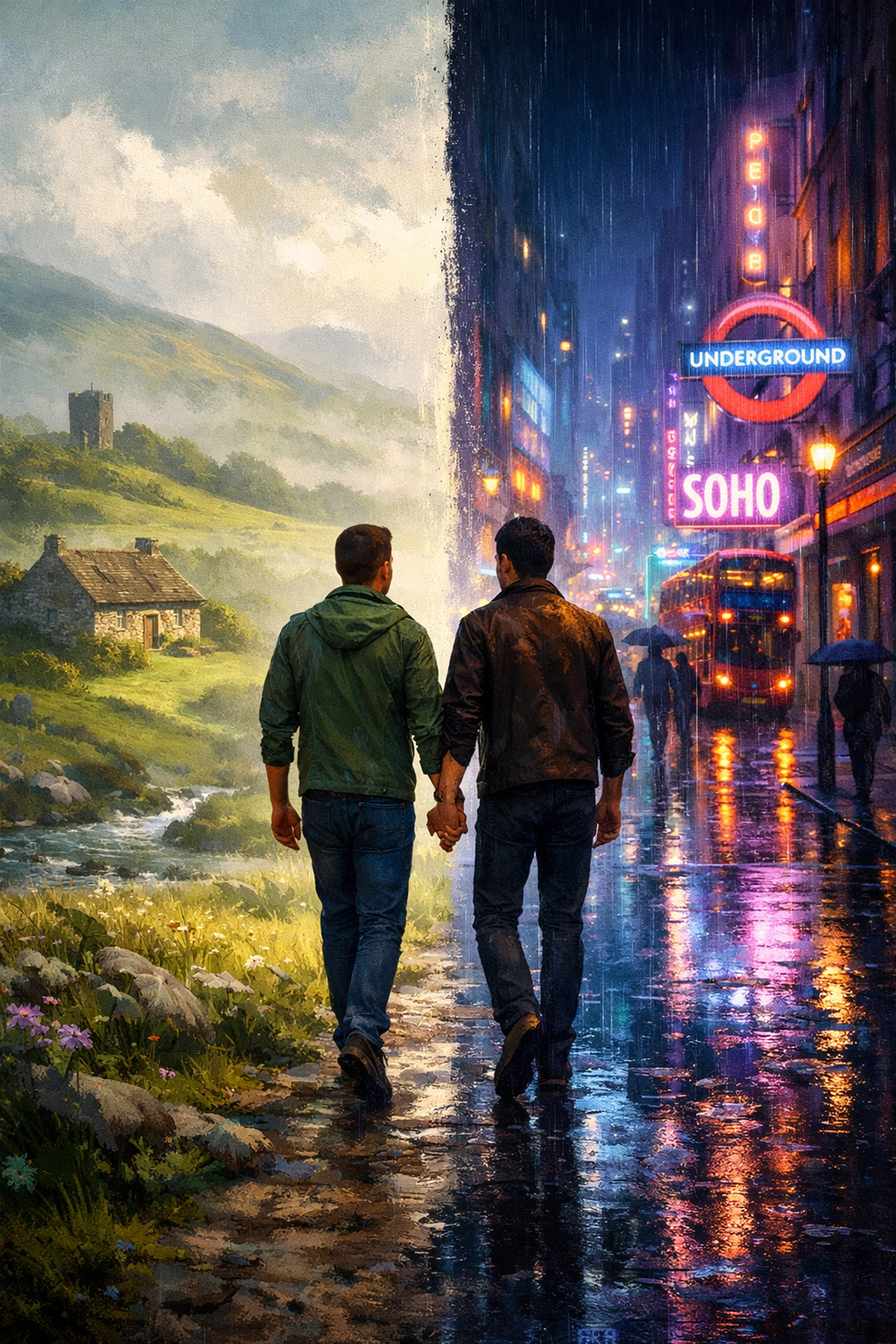
Where your story takes place matters. Are you writing a gay historical romance set in a rainy village in the 1920s? Or a gay contemporary romance set in the tech-heavy heart of London? The setting should act as a third character.
In friends to lovers mm romance stories, the environment often reflects the internal state. A cozy, familiar hometown can represent the safety of the friendship, while a big, scary move to a new city can be the catalyst that pushes them to finally admit their feelings. Use your surroundings to heighten the emotional stakes.
6. The Importance of Inclusive Language
At Read with Pride, we believe in the power of words. Being authentic means being inclusive. Whether you’re writing gay fiction or exploring the broader spectrum of LGBTQ+ identities, ensure your language is affirming. This isn't just about being "PC": it's about making sure your readers feel seen and respected.
If your main characters are part of the MM novels world, think about how they interact with the rest of the community. Do they have trans friends? Do they support local queer businesses? These small details add a layer of realism that popular gay books often possess.
7. Writing the "Steamy" Stuff
Let's be real: many of us love a bit of heat in our MM romance books. But "steamy" doesn't have to mean "clinical." The best intimate scenes in gay romance books are the ones where the emotional connection is just as hot as the physical one.
In a friends to lovers arc, the first time they cross that line should feel like a release of years of tension. It should be clumsy, it should be sweet, and it should feel earned. Focus on the sensory details: the scent of their shampoo, the sound of a sharp intake of breath, the way they know exactly where the other person is ticklish. That's the magic of gay love stories.
8. Don't Write Alone
The biggest tip we can give any aspiring writer? Find your community. Whether it's a gay book club or a group of fellow writers on social media, having people who "get it" is vital.
Publishing can be a long road. If you're looking for inspiration, browse our ebook author sitemap to discover the sheer variety of creators currently making waves. You can also see how professionals organize their work by checking out the Read with Pride store.
9. Marketing Your Queer Masterpiece
Once the book is done, the work has just begun. In 2026, being a "queer author" means being your own biggest cheerleader.
- Keywords are King: Use terms like MM romance, gay thriller, or gay fantasy romance in your metadata.
- Social Media: Get on Instagram, X (formerly Twitter), and Facebook. BookTok and Bookstagram are huge for new gay releases.
- Newsletters: Build a list of readers who love your specific brand of heartfelt gay fiction.
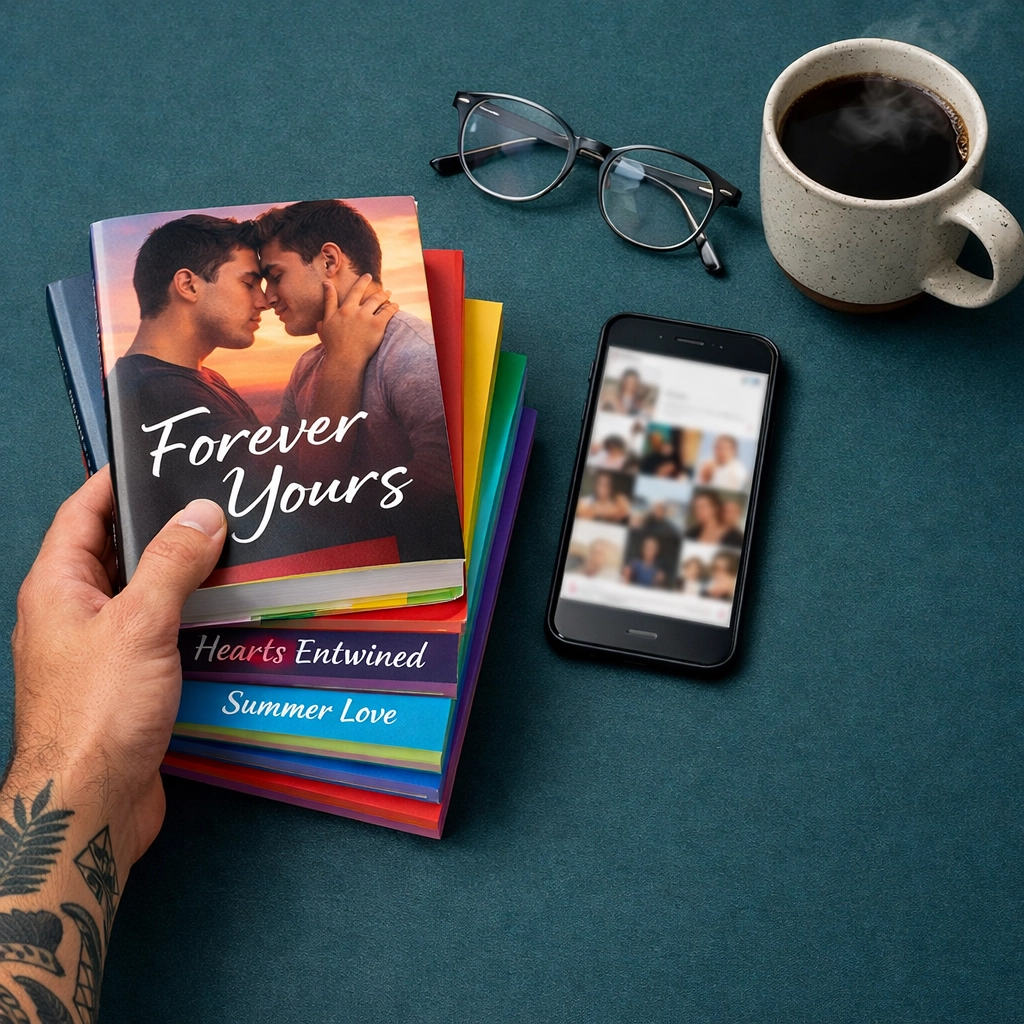
10. Final Thoughts: Just Keep Writing
The only way to fail at writing gay literature is to stop doing it. Your voice is unique. Your experiences: whether they are reflected in gay adventure romance or gay psychological thrillers: deserve to be heard.
We are currently seeing a massive surge in 2026 gay books that celebrate every facet of our lives. Don't worry about whether the market is "too full." There is always room for a story told with heart, especially if it involves a really good friends to lovers trope.
Ready to get started? Or maybe you're looking for your next favorite read to "research" (we won't tell!). Head over to the Read with Pride sitemap to explore everything we have to offer.
Go forth and write with pride!
Stay Connected with Read with Pride:
- Website: readwithpride.com
- Facebook: Read with Pride on FB
- X (Twitter): @Read_With_Pride
- Instagram: @read.withpride
#LGBTQBooks #QueerAuthors #MMRomance #FriendsToLovers #GayRomance #WriteWithPride #GayFiction2026 #ReadWithPride #MMBooks #GayLoveStories

Leave a Reply
You must be logged in to post a comment.