

readwithpride.com
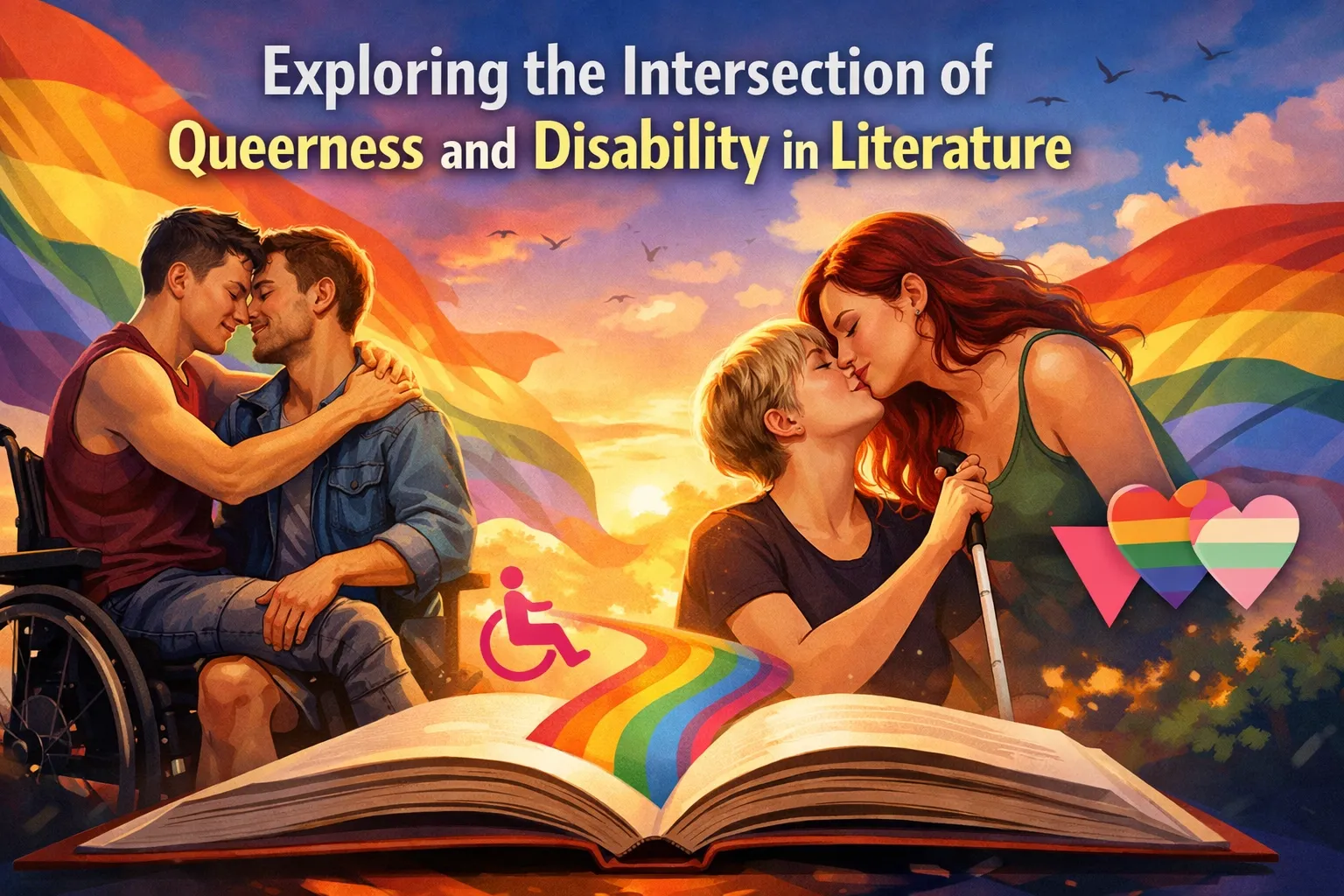
Let’s get real for a second. For a long time, the literary world treated disability and queerness like two separate boxes that rarely, if ever, sat on the same shelf. If you were reading a "disability book," it was usually a tragedy designed to make able-bodied people feel a sudden rush of gratitude for their own lives: the dreaded "inspiration porn." If you were reading a "gay book," the characters were often peak physical specimens living lives of high-octane drama.
But as we move through 2026, the landscape of MM romance books and queer fiction is shifting. We are finally seeing stories that recognize a simple truth: our identities don’t exist in a vacuum. You can be trans and neurodivergent. You can be a gay man navigating the world in a wheelchair. You can be non-binary and living with chronic illness.
At Read with Pride, we believe that intersectionality isn’t just a buzzword; it’s the heartbeat of authentic storytelling. Today, we’re diving deep into why the intersection of queerness and disability is producing some of the most profound, emotional, and sexy literature of our time.
Breaking the "Compulsory" Mold: Crip Theory Meets Queer Joy
To understand why these stories matter, we have to look at how society views "normalcy." There’s a concept in academic circles called "Crip Theory": don't worry, we're keeping it casual here: which basically says that society expects everyone to be able-bodied in the same way it expects everyone to be straight. This is called "compulsory able-bodiedness."
When a character is both queer and disabled, they are double-timing the resistance against "the norm." They aren't just breaking the rules of who they should love; they’re breaking the rules of how a body should function or look. In many gay romance novels, this intersection allows for a level of vulnerability that you just don't get in your standard "alpha-meets-alpha" tropes.
It’s about reclaiming the word "crip" alongside the word "queer." Both were once used as weapons, and both have been taken back by the community to signal power, difference, and a refusal to hide. When we read gay literature that features disabled protagonists, we aren't looking for a "cure" at the end of the book. We’re looking for a character who finds love, community, and hot sex exactly as they are.
The Magic of Quiet Intimacy in MM Romance Novels
While we love a high-stakes gay thriller or a sweeping gay fantasy romance, there is something uniquely powerful about quiet intimacy mm romance novels.
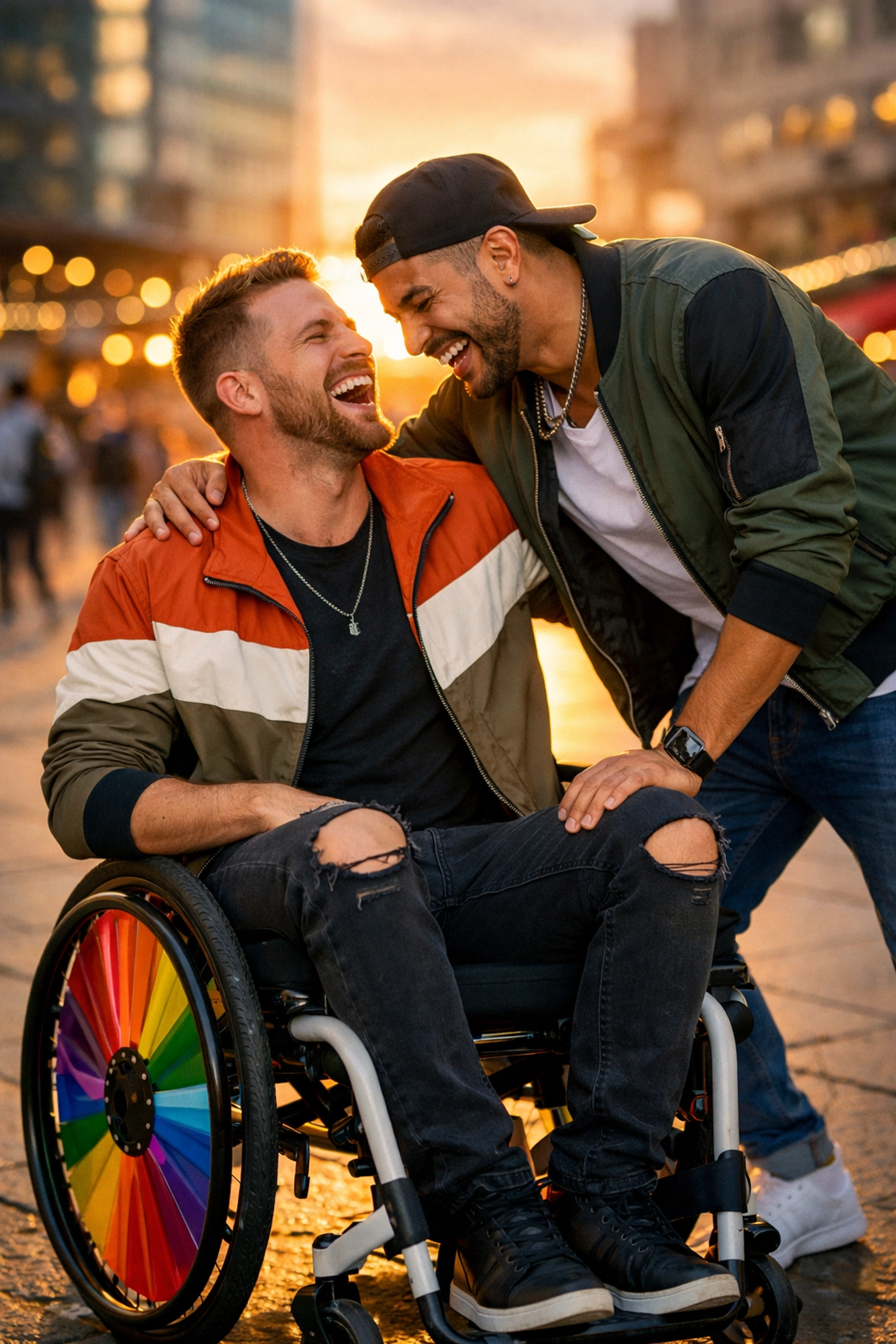
In the world of disability-led queer fiction, "quiet intimacy" refers to the moments that happen in the margins. It’s the slow burn where two people learn the specific language of each other’s bodies. It might be a scene where one partner helps another manage a flare-up of chronic pain, or the way a couple navigates a sensory-friendly date night.
These aren't "limitations": they are opportunities for deep, soul-level connection. In many MM romance books, the focus is often on physical perfection. But in these intersectional stories, the intimacy is built on trust, communication, and a radical acceptance of the "imperfect" body.
Keywords like quiet intimacy mm romance novels are trending in 2026 because readers are exhausted by the "Instagram-perfect" lifestyle. We want to see the messy, beautiful reality of domestic life. We want to see how love looks when it’s patient, when it’s adaptive, and when it’s fiercely protective.
Moving Beyond the "Tragic Disability" Trope
If you grew up reading older gay novels, you know the "Bury Your Gays" trope all too well. Add disability to the mix, and the mortality rate usually skyrocketed. Historically, disabled queer characters were either killed off to provide emotional growth for a "normal" protagonist or they were magically "healed" by the power of love.
In 2026, we’re saying thank u, next to those tired clichés.
Authentic queer fiction now focuses on "Crip Joy." This doesn't mean life is perfect or that the disability isn't a challenge; it means the character’s life has value and happiness with their disability, not despite it.
Whether it’s a gay contemporary romance set in a bustling city or a MM historical romance where a veteran navigates post-war life, the disability is a part of the character’s identity, like their hair color or their sense of humor. It informs their world, but it doesn't define their worth.
Why Authentic Representation Matters for the Reader
When you see yourself reflected on the page, something happens in your brain. For many in the LGBTQ+ community who also live with disabilities or neurodivergence, finding top LGBTQ+ books that get the details right is a form of healing.
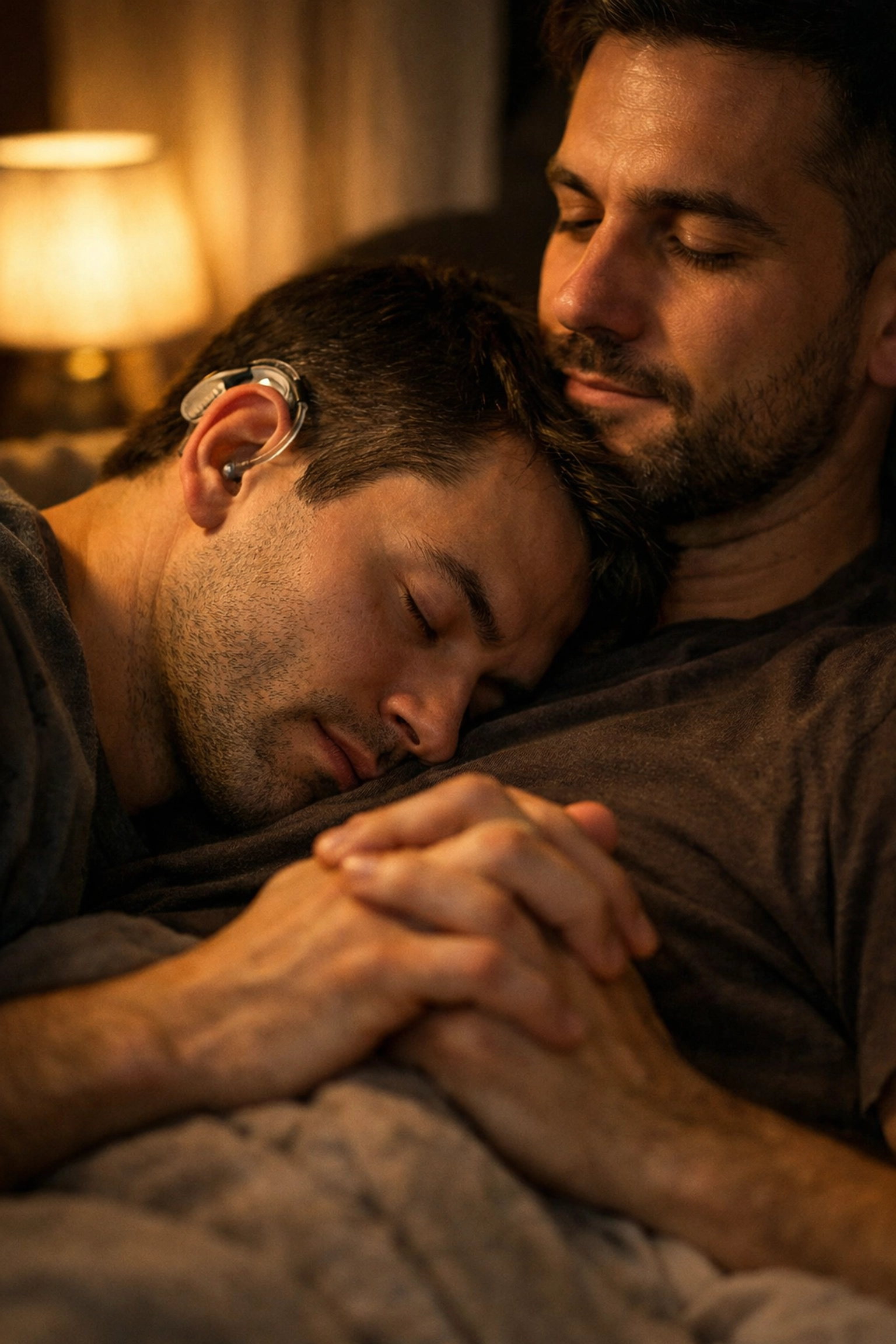
It’s about seeing a character use their inhaler before a steamy scene. It’s about a protagonist with ADHD whose "distractibility" is actually a source of creativity and charm. It’s about a deaf character who finds a partner willing to learn BSL (British Sign Language) or ASL because they want to hear every word their lover has to say.
At Readwithpride.com, we are committed to highlighting queer authors and MM authors who live these experiences. Own-voices stories bring a level of nuance that you simply can't fake. They know that a wheelchair isn't a "shackle": it's a tool for freedom. They know that being neurospicy makes the world more colorful, even if it’s a bit louder.
Building Your Intersectional TBR List for 2026
If you're looking to diversify your bookshelf, here are a few tropes and themes to look for in the latest new gay releases:
- Slow Burn & Care-Taking: Not the "I'm a burden" kind, but the "we are a team" kind. Look for stories where the care-taking is mutual and builds a foundation of indestructible trust.
- Neurodivergent Love: We're seeing a massive rise in MM contemporary stories featuring autistic or ADHD leads. The "forced proximity" trope takes on a whole new meaning when characters have to navigate each other's boundaries and routines.
- Invisible Illness: Stories that tackle chronic fatigue, fibromyalgia, or mental health with the same weight as visible disabilities.
- Gay Fantasy Romance with a Twist: Imagine a world where magic exists, but it doesn't "fix" a character’s disability: it complements it.
How to Support Queer Disabled Authors
Representation doesn't happen by accident. It happens because readers demand it. If you want more heartfelt gay fiction that explores these intersections, here’s how you can help:
- Buy the Books: Check out our store and look for titles by authors who identify as disabled or neurodivergent.
- Leave Reviews: Mention the representation in your reviews. Tell other readers how much that quiet intimacy meant to you.
- Request from Libraries: If your local library doesn't have a diverse range of LGBTQ+ ebooks, ask them to stock them!
- Follow the Journey: Stay connected with us on Instagram, X (Twitter), and Facebook to get the latest gay book recommendations.
The Future is Intersectional
The stories we tell shape the world we live in. By embracing the intersection of queerness and disability, we aren't just reading "niche" books; we’re reading the full spectrum of human experience. We’re moving toward a future where every queer person: no matter their physical or mental makeup: can find a gay love story that feels like home.
So, the next time you're browsing for popular gay books, look for the ones that challenge your perspective. Look for the MM romance books that offer a little more than just a pretty cover. You might just find your next favorite read in the quiet, intimate spaces between the lines.
Stay proud, stay curious, and keep reading with pride.
Explore more at Readwithpride.com
Check out our FAQ for more info on our publishing mission.
#ReadWithPride #LGBTQBooks #MMRomance #DisabilityInLit #QueerJoy #QuietIntimacy #GayRomanceNovels #IntersectionalQueerness #OwnVoices #2026Books #GayFiction #NeurodivergentQueer #MMRomanceBooks #GayLiterature

Leave a Reply
You must be logged in to post a comment.