readwithpride.com
Let’s be real: for a long time, finding a lesbian character on television felt like a high-stakes game of "Where’s Waldo?" except Waldo was usually a side character who died in the third act or was just "very close friends" with her roommate. But when we talk about the politics of lesbian visibility, there is one show that stands as the undisputed (and occasionally controversial) matriarch of the genre: The L Word.
Whether you’re a Bette, a Shane, or a closeted Alice, The L Word changed the landscape of LGBTQ+ media forever. It didn't just put lesbians on screen; it made their lives, their heartbreaks, and their very specific brand of drama the main event. In 2026, as we look back at the evolution of queer storytelling, it’s clear that the politics of how we are seen on screen are just as complex as the stories themselves.
The "First Wave" of Visibility: Glamour vs. Reality
When The L Word premiered in 2004, it was revolutionary. Before this, lesbian representation was often relegated to "The Puppy Episode" or tragic cautionary tales. Ilene Chaiken’s vision brought us a world of high-fashion, high-powered, and highly attractive women in West Hollywood.
But visibility has its own politics. The show was often criticized for its "lipstick lesbian" aesthetic, prioritizing a specific type of conventional beauty that felt safe for a mainstream (and often male) gaze. While it was groundbreaking to see women loving women, the early seasons struggled with trans representation and racial diversity. The "politics" here were about proving that lesbians could be glamorous, successful, and: most importantly: profitable for networks.
At Read with Pride, we believe that visibility shouldn't just be about looking good; it’s about feeling real. That’s why our collection of LGBTQ+ fiction focuses on the messy, the beautiful, and the authentic parts of our lives that TV sometimes polishes away.

The "Bury Your Gays" Trope and the Political Backlash
You can’t talk about the politics of lesbian visibility without mentioning the most exhausting trope in television history: "Bury Your Gays." For decades, it seemed like the price of admission for a lesbian romance on screen was a tragic ending. Whether it was Dana Fairbanks in The L Word or Lexa in The 100, the message was clear: queer joy is fleeting, but queer trauma is permanent.
The political fallout from these creative choices was massive. Fans didn't just get sad; they organized. They demanded stories where characters could be out, proud, and: revolutionary thought: actually stay alive. This shift in the "politics of the writers' room" paved the way for shows like Orange Is the New Black, Gentleman Jack, and the A League of Their Own series, where lesbian identity isn't a death sentence but a source of community and strength.
If you’re tired of the heartbreak on screen, you might want to dive into some MM romance books or lesbian contemporary romances where a "Happily Ever After" is guaranteed. Sometimes we just need to know our characters are going to be okay.
Generation Q and the Shift Toward Intersectionality
When The L Word: Generation Q arrived, the politics had shifted. The world was no longer satisfied with a monolithic view of the community. The reboot attempted to fix the sins of the past by introducing a more diverse cast, including trans men, non-binary characters, and a wider range of racial backgrounds.
However, visibility isn't just about "counting heads." It’s about the quality of the storytelling. The politics of visibility in the 2020s are centered on intersectionality: recognizing that a Black lesbian’s experience is different from a white lesbian’s experience, and that disability, class, and gender identity all play a role in how we navigate the world.
Television is catching up, but literature has often been the trailblazer here. Many queer authors have been writing deeply intersectional stories for years, providing the nuance that a 42-minute TV episode sometimes misses.
The "Queer Gaze" vs. The "Male Gaze"
One of the biggest political battles in television is who gets to tell the story. For a long time, lesbian scenes were filmed through a male gaze: designed to titillate a straight audience rather than reflect the actual intimacy of queer women.
The shift toward the "queer gaze" in shows like Killing Eve or Dickinson has changed how we see ourselves. It’s about the lingering looks, the subtext, and the emotional intimacy that defines our relationships. It’s less about "the sex scene" and more about the "soul scene." This authenticity is what we strive for in our gay romance novels and queer fiction at Readwithpride.com. We want stories written by the community, for the community.
Why Literature Still Holds the Crown for Visibility
While we love a good binge-watch, television is often beholden to ratings, advertisers, and executive meddling. This can lead to "queerbaiting," where shows hint at a lesbian relationship to keep queer fans watching without ever actually committing to the representation.
Books don't have that problem. In the world of LGBTQ+ ebooks, authors have the freedom to explore the depths of lesbian identity without compromise. Whether it’s a gay historical romance or a gritty gay psychological thriller, the page allows for a level of interiority that even the best actress can't always convey on screen.
Top 5 Tropes Done Better in Queer Books Than TV:
- Enemies to Lovers: TV often drags this out until the show is cancelled. In MM romance books, the payoff is spectacular.
- Slow Burn: We love the tension, but we want the fire!
- Forced Proximity: There’s only one bed, and in queer fiction, we actually get to see what happens in it.
- Found Family: TV shows often break up the "family" for drama; books tend to let them thrive.
- Coming Out: Literature offers a more nuanced look at the internal process, beyond just the "reveal" moment.
Supporting the Stories That Matter
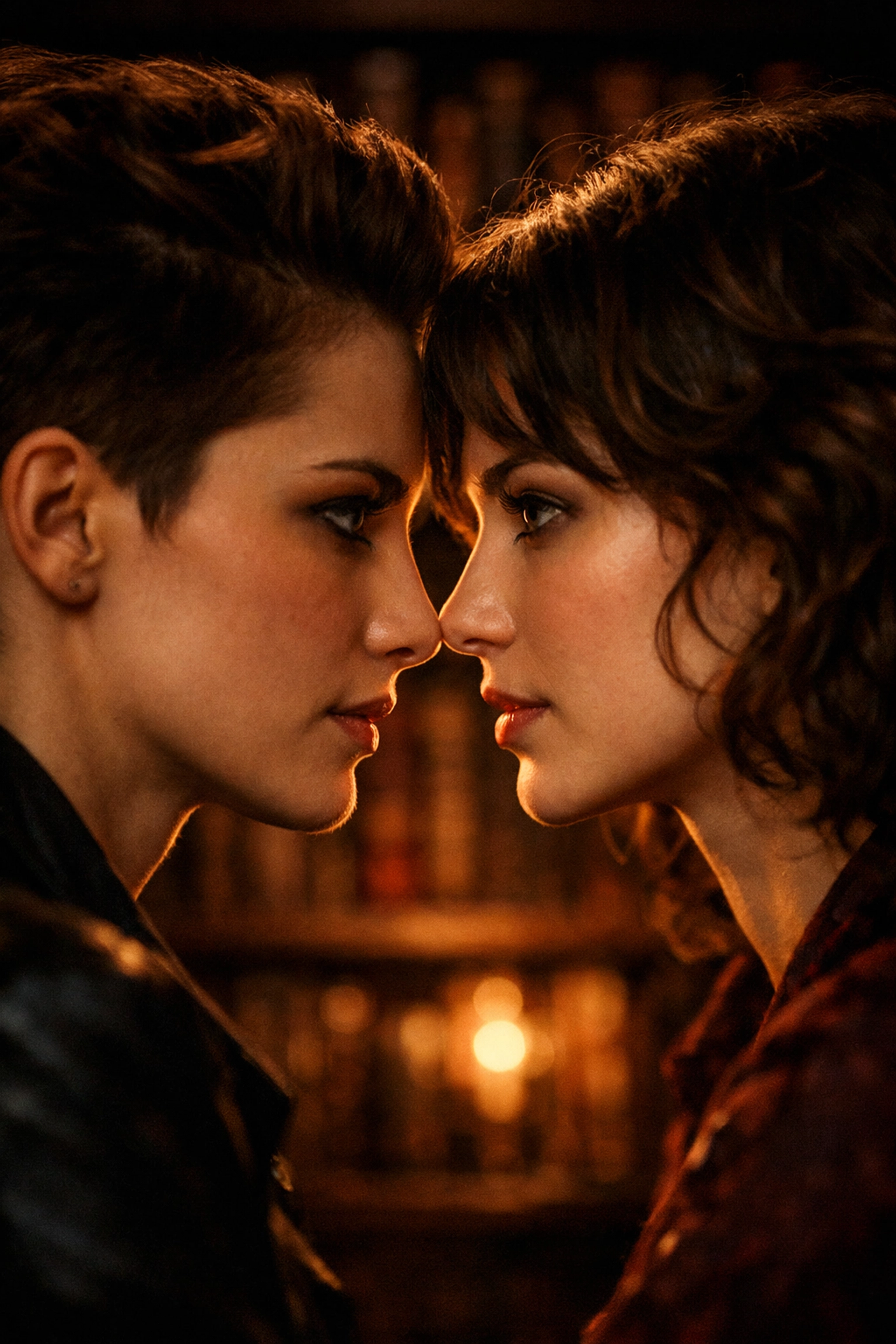
The politics of lesbian visibility are always evolving. As we move through 2026, we’re seeing more "casual visibility": where a character’s queerness is just one part of their identity rather than their entire plotline. This is progress, but we can't forget the importance of stories where our identity is the heart of the matter.
To keep these stories alive, we have to support the creators. Whether you’re watching the latest queer indie film or buying gay books from independent publishers, your engagement is a political act. It tells the industry: "We are here, we are reading, and we want more."
At Read with Pride, we are dedicated to providing a platform for these voices. Our mission is to ensure that the "politics of visibility" always leans toward authenticity, joy, and community.
Connect With Our Community
Want more recommendations or to join the conversation about queer media? Follow us on our socials:
- Facebook: Read with Pride
- Instagram: @read.withpride
- X (Twitter): @Read_With_Pride
Whether you’re looking for new gay releases or the best MM contemporary reads of 2026, we’ve got you covered. Visibility matters, but authentic visibility is the goal. Let’s keep reading, keep watching, and keep pushing for the stories we deserve.
#ReadWithPride #LesbianVisibility #TheLWord #QueerTV #LGBTQBooks #GayRomance #QueerFiction #RepresentationMatters #2026GayBooks #MMRomance
Check out more on our sitemap or browse our author archives to find your next favorite read. Be sure to check out our recent post on The Royalties Revolution to see how we’re supporting the authors who tell our stories.
readwithpride.com

Leave a Reply
You must be logged in to post a comment.