

readwithpride.com
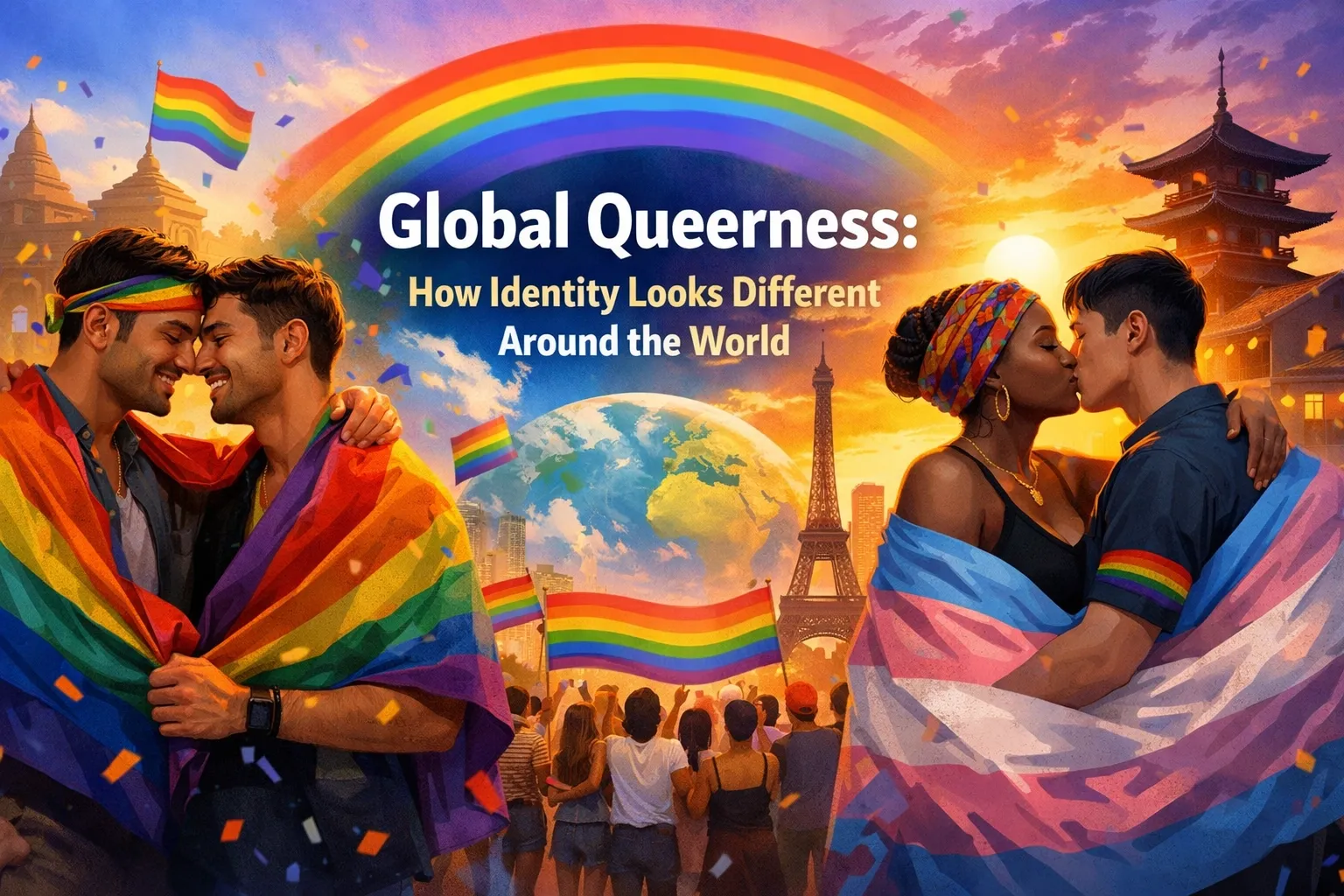
If you’ve spent any time scrolling through the MM romance books section or diving into the latest LGBTQ+ ebooks, you know that our stories are as diverse as the colors in a nebula. But here’s a truth bomb: the way we talk about being queer in London, New York, or Sydney isn't necessarily how it’s talked about in Oaxaca, Bangkok, or Lagos.
Identity is a shapeshifter. It’s influenced by history, religion, family, and: let’s be real: the local gossip. At Read with Pride, we’re obsessed with how these different flavors of queerness show up in gay literature and real life. Today, we’re taking a trip around the globe to see how "Pride" looks when you step outside the Western bubble.
The Myth of the Universal "Gay" Label
In the West, we love a good label. We’ve got the acronym (which keeps getting longer and more inclusive, thank goodness), and we’ve got specific tropes in our gay romance novels. We know what a "slow burn" or "enemies to lovers" story looks like. But in many parts of the world, the word "gay" feels like a Western import that doesn't quite fit the local vibe.
Take the term "same-gender loving." This emerged within African American communities as a way to reclaim identity outside of a white-centric "gay" label. It’s about more than just who you’re attracted to; it’s about cultural belonging. When you’re looking for 2026 gay books, keep an eye out for authors who are decolonizing their characters' identities. It makes for much richer queer fiction.
Beyond the Binary: Third Genders and Ancient Traditions
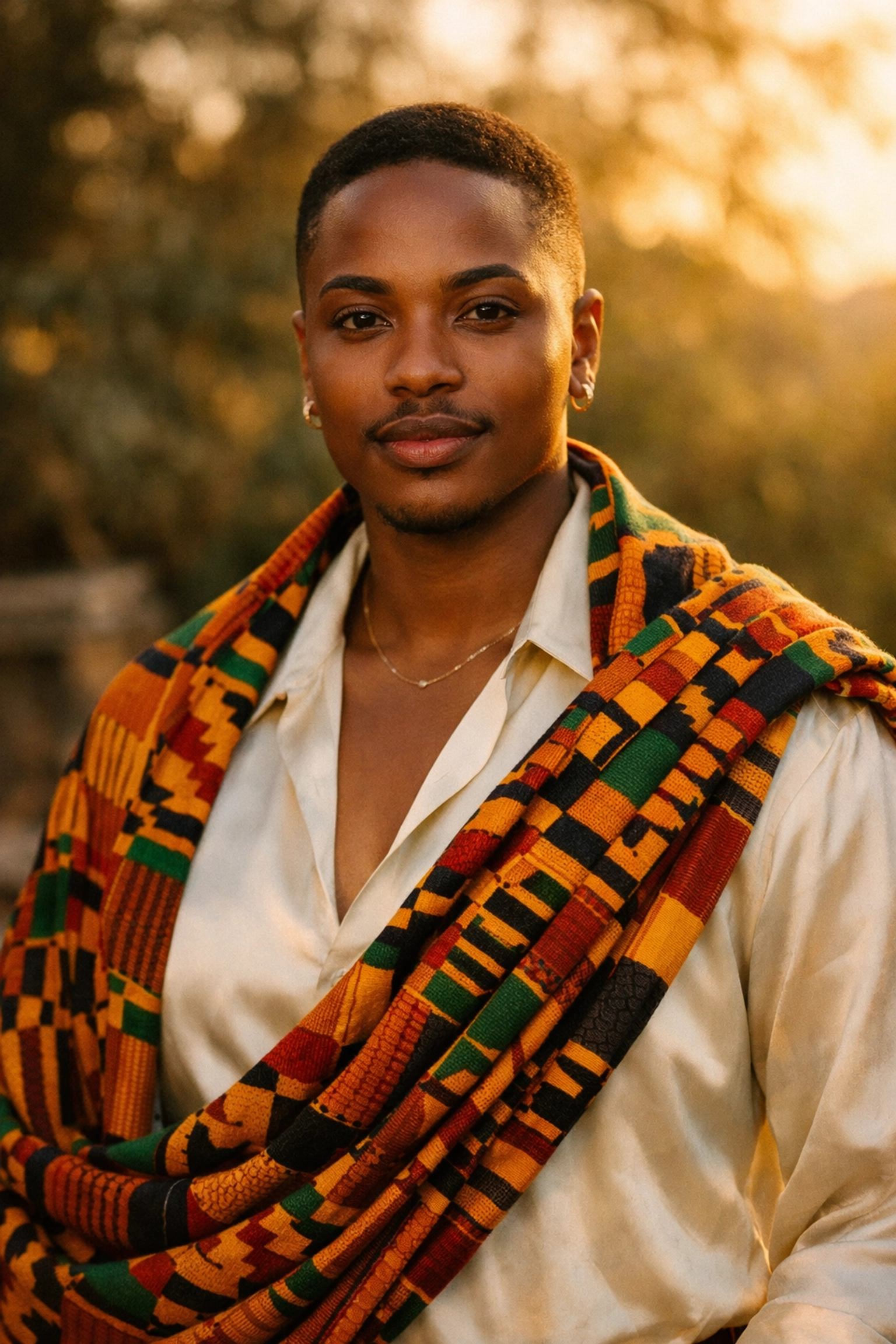
While the West is currently having a massive (and often stressful) conversation about non-binary identities, many cultures have been doing this for centuries. They didn't need a viral TikTok to tell them that gender is a spectrum.
The Muxe of Mexico
In the Zapotec culture of Oaxaca, Mexico, there are the Muxe. They are generally individuals assigned male at birth who dress and behave in ways associated with women. But here’s the kicker: they aren't necessarily "transwomen" in the Western sense. They are Muxe: a distinct third gender. They are often celebrated as pillars of their community, though they still face the complexities of navigating a broader Mexican society that isn't always as accepting.
The Hijras of South Asia
In India, Pakistan, and Bangladesh, the Hijra community has a recorded history stretching back thousands of years. Often referred to as a third gender, Hijras have a complex social structure and have recently won legal recognition in several countries. If you’re a fan of gay historical romance, exploring the history of the Hijra provides a perspective that predates Victorian hang-ups by an eternity.
The Kathoey of Thailand
Thailand is often seen as a "queer paradise" by tourists, partly due to the visibility of Kathoeys (often called "ladyboys," though that term can be loaded). While there is high visibility, the reality is more nuanced. Kathoeys often exist in a space between male and female, and while they are part of the social fabric, they still fight for full legal equality.
The "Gaysian" Experience and Intersectionality
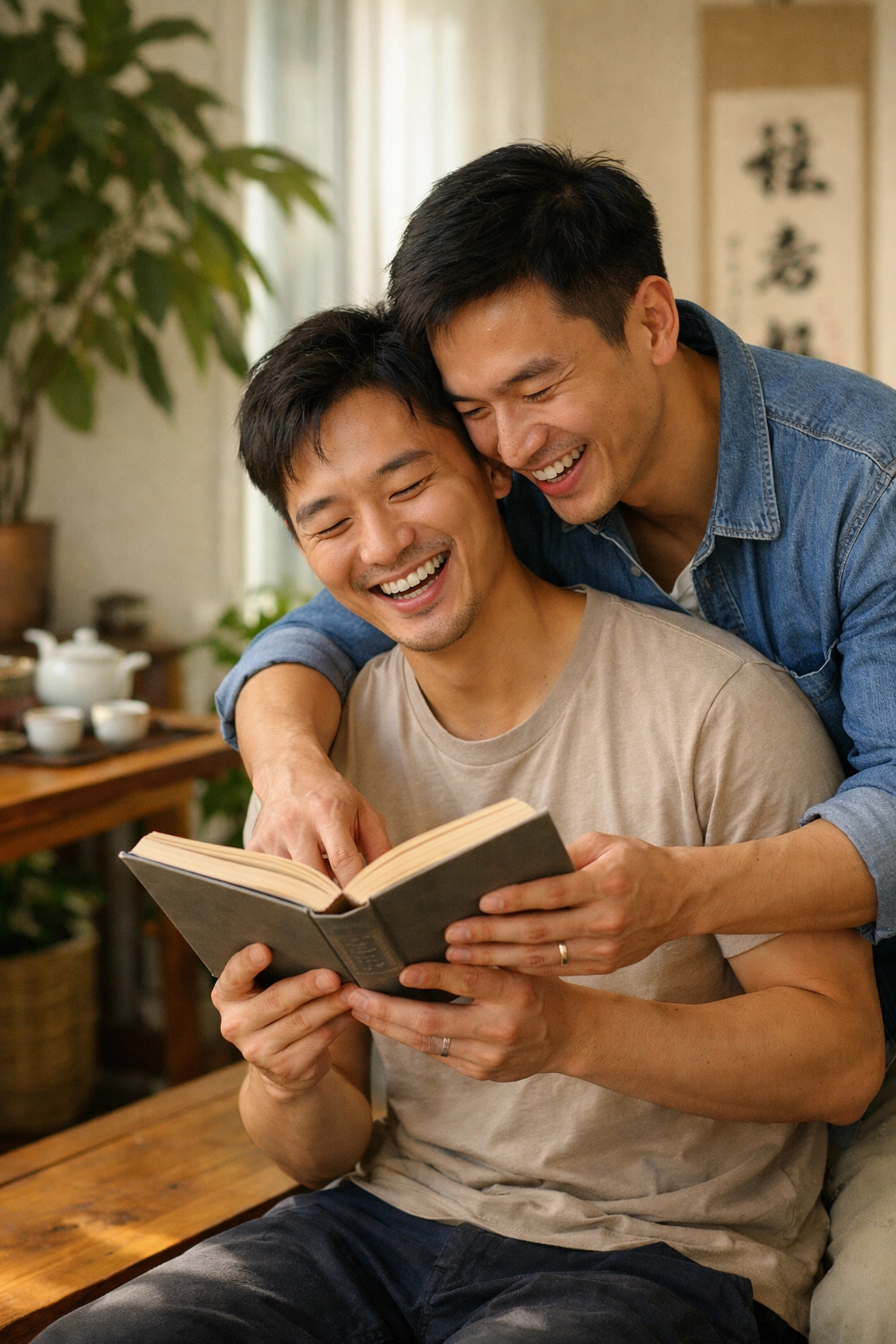
Identity doesn't exist in a vacuum. You can't just unzip your "queer self" from your "racial self." The term "Gaysian" highlights the unique intersection of being Asian and queer, particularly in Western diasporas. It’s about navigating the expectations of traditional family structures while carving out a space in a queer community that: let's be honest: has historically centered white voices.
In MM novels, we’re starting to see a beautiful surge in top LGBTQ+ books that tackle these intersections head-on. It’s not just about the romance; it’s about the family dinners, the language barriers, and the specific joy of finding someone who truly gets both sides of your world. Check out some of our MM romance books that feature diverse protagonists for a taste of this reality.
When Visibility is a Double-Edged Sword
We often talk about visibility as the ultimate goal. "Out and proud," right? But in some cultures, visibility can be dangerous.
In Latvia, for example, the social climate remains quite hostile, with constitutional protections for "traditional" marriage making life difficult for the community. In Jamaica, the situation is even more dire for many, where family rejection leads to high rates of homelessness among queer youth.
In these contexts, identity is often expressed in "underground" spaces or through coded language. This is where gay thrillers or gay psychological thrillers often find their inspiration: the high stakes of living a secret life isn't just a plot point; it's a daily reality for millions.
The Role of Queer Literature in a Global Context
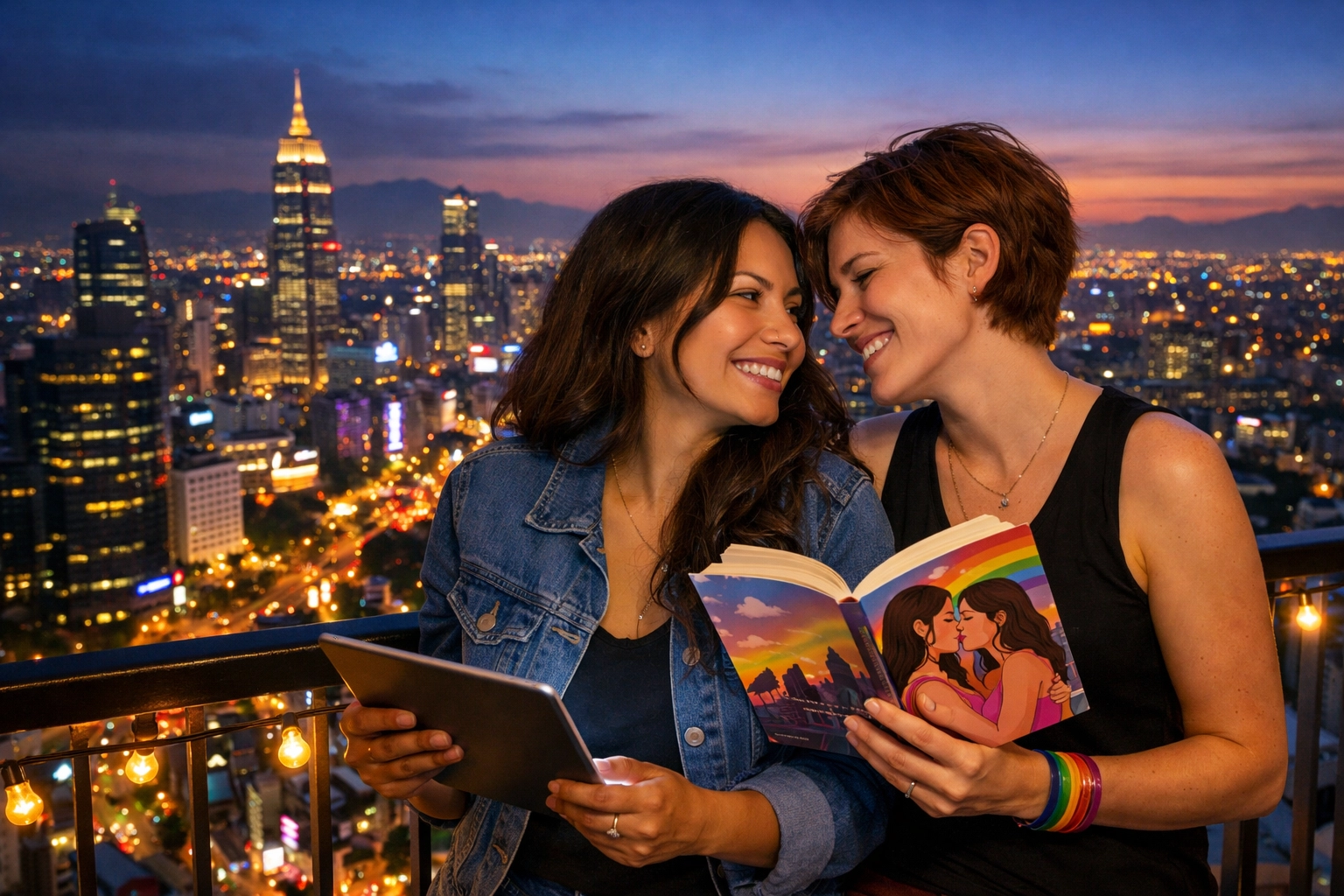
Why does this matter to you, the reader? Because gay fiction is one of the most powerful tools we have for empathy. When you read a steamy MM romance set in Seoul or a heartfelt gay fiction piece about a refugee fleeing persecution, you’re doing more than just being entertained. You’re witnessing a life.
In 2026, we’re seeing a shift. The best MM romance isn't just about white billionaires in Seattle anymore. We’re seeing:
- Gay adventure romance set in the mountains of Kyrgyzstan.
- MM contemporary stories about queer life in Lagos.
- Gay fantasy romance rooted in Indigenous folklore.
At Readwithpride.com, we believe that every story matters. Whether it's a genre-bending MM romance or a deep dive into character development, the global perspective makes our bookshelves infinitely better.
Supporting Global Queer Voices
If you want to expand your horizons beyond the standard tropes, here’s how you can support global "Read with pride" initiatives:
- Seek out Own Voices authors: Look for writers who actually live in or come from the cultures they’re writing about.
- Read stories in translation: Don't let a language barrier stop you from experiencing a masterpiece.
- Support LGBTQ+ publishers: Small presses often take risks on international stories that big houses won't. Check out our ebook publisher sitemap for inspiration.
- Be mindful of tropes: Remember that what looks like "avoidance" in a story might actually be a realistic depiction of safety in another culture. Learn how to avoid character development mistakes that erase these cultural nuances.
Final Thoughts: The Global Pride Parade
The beauty of being queer is that we are everywhere. From the smallest rural village to the most crowded megacity, we exist. Our identities might look different: we might use different words, wear different clothes, and face different battles: but the core of the experience remains the same: the search for love, authenticity, and a community that says, "I see you."
So, the next time you pick up one of your favorite gay novels, take a second to think about the setting. How does the location change the stakes? How does the culture shape the romance?
Global queerness isn't just a topic for a textbook; it’s the heartbeat of our community. Let’s keep reading, keep learning, and most importantly, keep reading with pride.
Stay connected with us for more gay book recommendations and deep dives into the world of MM fiction:
- Facebook: Read with Pride
- Instagram: @read.withpride
- X (Twitter): @Read_With_Pride
#ReadWithPride #GlobalQueer #LGBTQBooks2026 #MMRomance #GayFiction #QueerCulture #GayRomanceNovels #InclusiveLiterature #ReadMorePride

Leave a Reply
You must be logged in to post a comment.