readwithpride.com
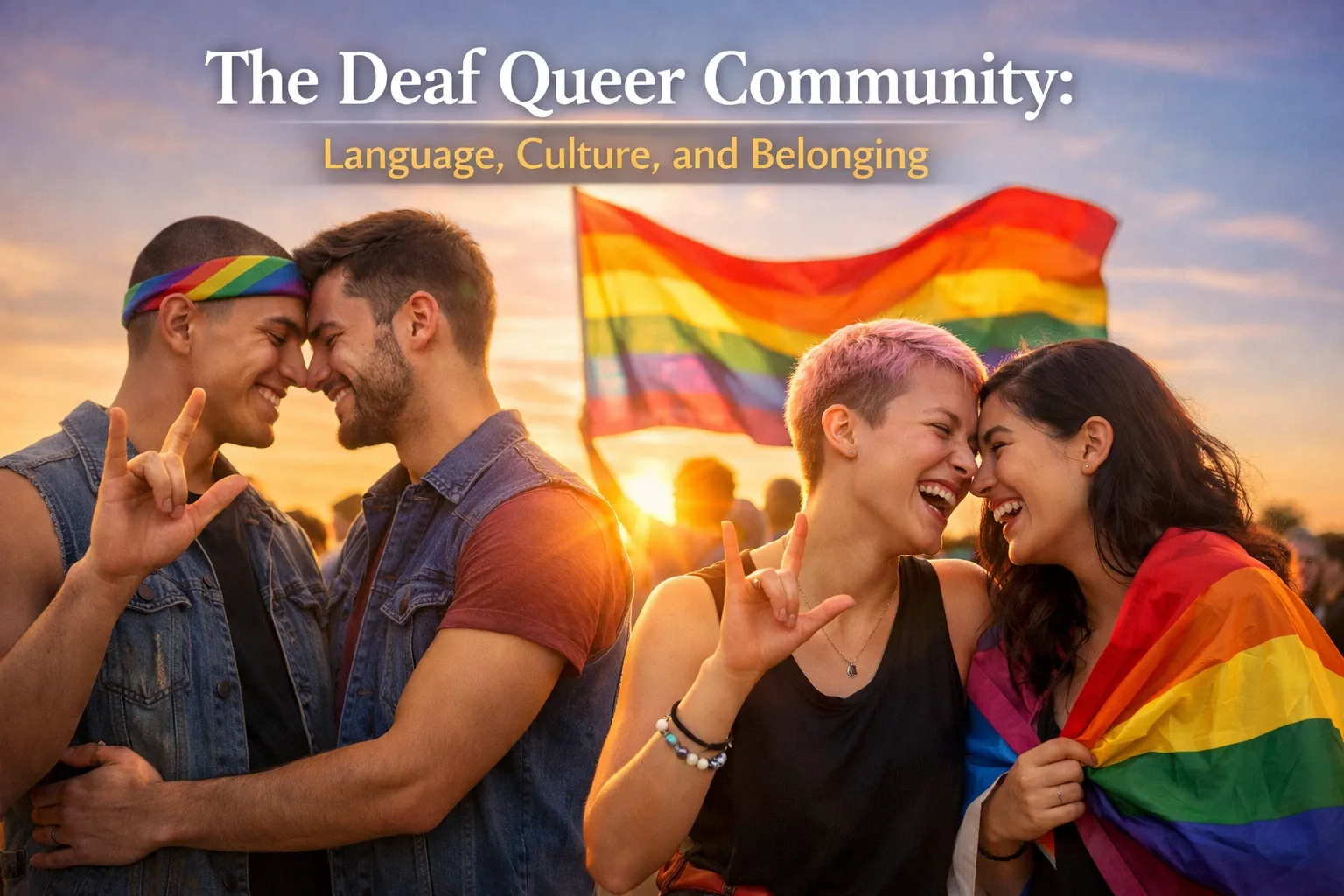
Imagine walking into a room where everyone is talking, but nobody is making a sound. The air is thick with movement: hands flashing, faces morphing through a kaleidoscope of expressions, and eyes locked in an intensity that hearing folks rarely manage. This isn't just a party; it’s a masterclass in connection. Welcome to the intersection of the Deaf and Queer communities, a space where "coming out" involves a different kind of vocabulary and "belonging" is built on visual vibes.
At Read with Pride, we talk a lot about representation in gay romance books and LGBTQ+ ebooks, but today we’re diving into a lived experience that is often sidelined. Being Deaf and Queer is essentially being a "double minority." You’re navigating a world built for hearing people (that’s audism, babe) while simultaneously dodging the heteronormative nonsense of the mainstream. It’s a lot, but as we’ll see, the Deaf Queer community has turned this double-whammy into a unique culture that is fiercely protective, deeply expressive, and honestly? Way more inclusive than most "mainstream" queer spaces.
The Power of the Visual Word
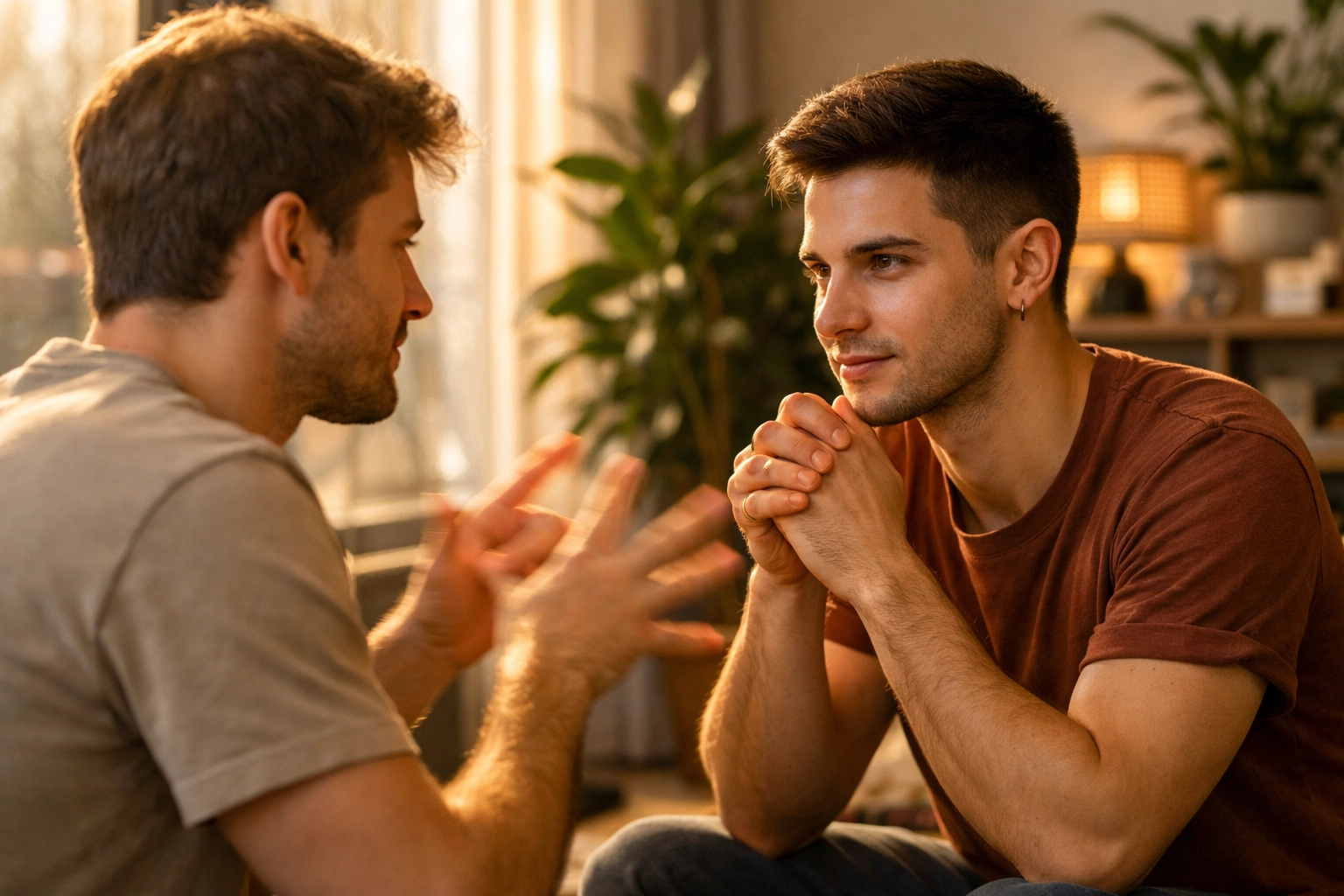
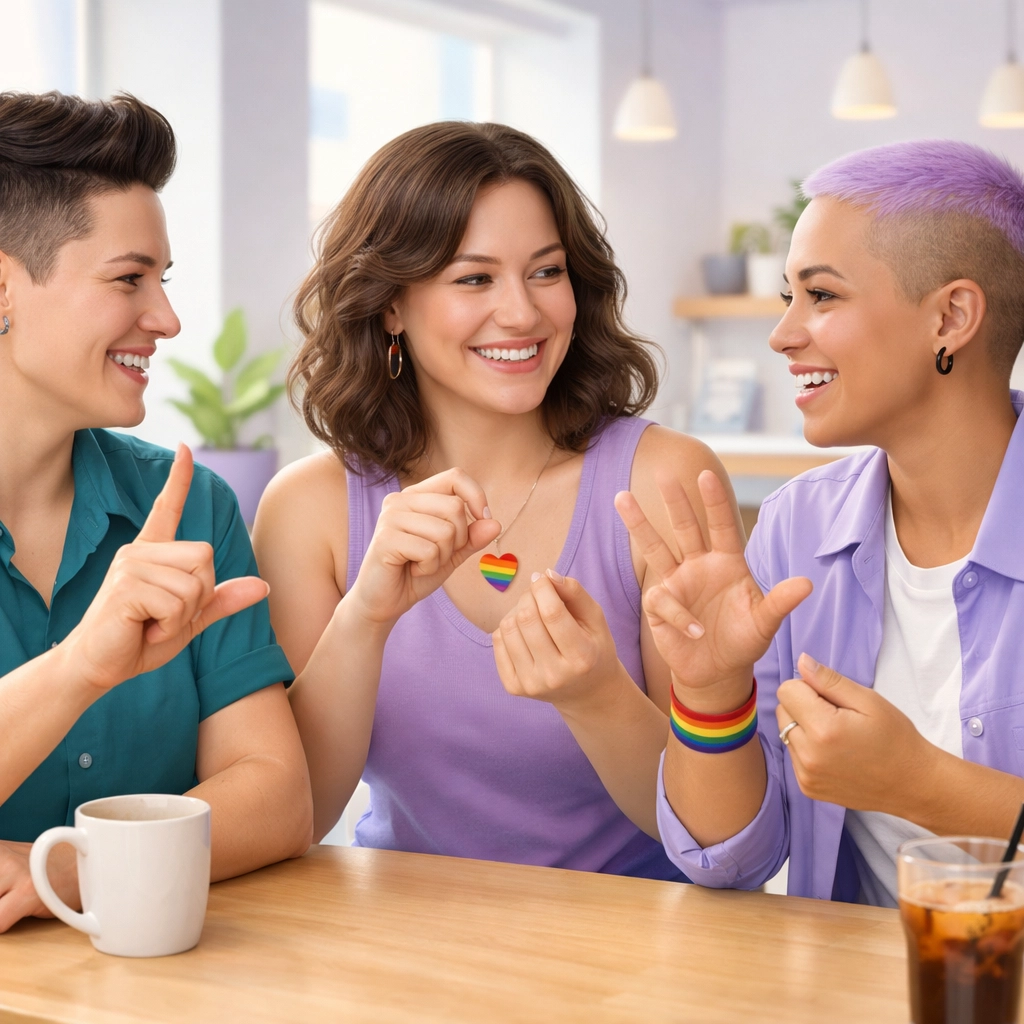
If you think sign language is just "English with hands," we need to have a little chat. Sign languages (like ASL or BSL) are rich, complex, and fully realized languages with their own grammar and slang. For the Deaf Queer community, language is the ultimate bridge.
In a world that often demands we "speak up" to be heard, the Deaf community reminds us that some of the most profound things are said in silence. Within queer fiction and gay literature, we’re starting to see more characters who use sign, reflecting the reality that communication isn't just about sound: it’s about connection. Whether it's a steamy MM romance featuring a Deaf lead or a gay historical romance exploring the hidden signs of the past, the visual nature of this community is finally getting its due on the page.
Why Deaf Queers Might Actually Have an Edge
Here is a wild stat for you: Research shows that Deaf queer people actually show greater acceptance of their sexual identity compared to their hearing counterparts: we’re talking over 15% more likely to readily accept themselves.
Why? It’s called "mutual oppression fostering acceptance." When you’ve already spent your life being "different" because you’re Deaf, adding "Queer" to the mix feels less like a crisis and more like adding another cool patch to your denim jacket. The Deaf community is tight-knit; it’s a "cushion against isolation." While coming out can be scary in any circle, the cultural bonds in the Deaf world are so strong that disownment is statistically less likely. You’re family first, regardless of who you’re crushing on in your favorite MM novels.
The Legends Who Paved the Way
The history of the Deaf Queer movement isn't just a footnote; it’s a full-on epic. Let’s talk about Ann Silver, a Deaf Jewish lesbian who basically invented the concept of "Deaf Art" (De'VIA). She was the only Deaf member of The Furies, a radical lesbian feminist collective in the 70s. She didn't just want a seat at the table; she wanted to redesign the whole dining room.
Then there’s Dragonsani "Drago" Renteria, who founded the Deaf Queer Resource Center (DQRC) back in 1995. Drago was one of the first Deaf people to publicly transition, providing a blueprint for Trans-Deaf folks everywhere. These aren't just names in a history book; they are the architects of the spaces we inhabit today. If you’re looking for top LGBTQ+ books or gay classics to add to your 2026 reading list, looking into the history of these icons is a must.
The Struggle is Real: Navigating Audism and Queer Spaces
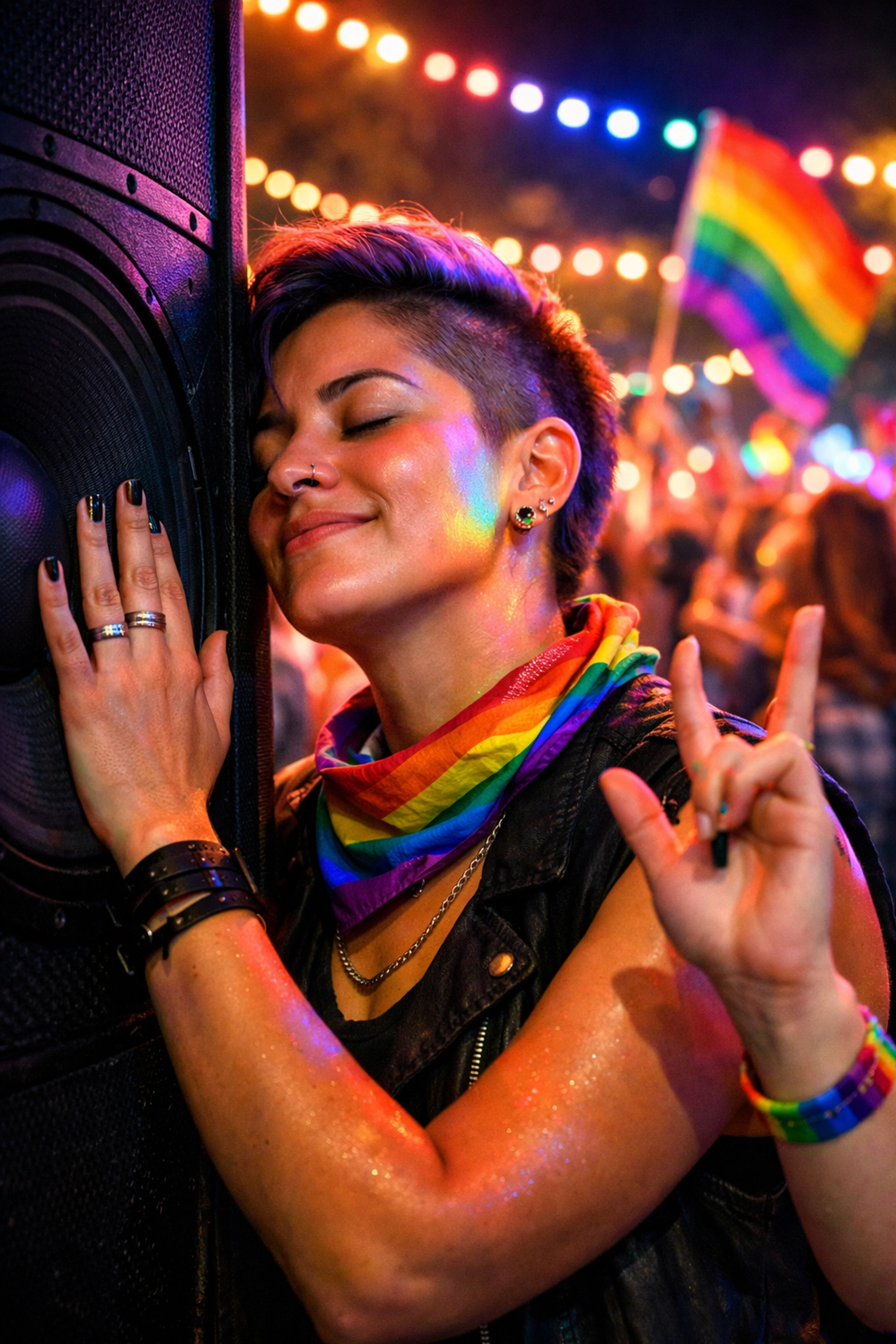
Let’s get real for a second. Being Deaf in a "mainstream" gay bar is an absolute nightmare. The music is too loud to feel the bass, the lights are too low to see hands, and most hearing queer folks have zero clue how to interact beyond a clumsy "thank you" in sign they learned on TikTok.
This is where the "double minority" struggle hits hardest. Deaf queer individuals often face:
- Accessibility Fails: Pride events without interpreters? In 2026? It happens more than you’d think.
- Healthcare Gaps: Imagine trying to discuss your sexual health or a gay psychological thriller level of trauma with a doctor who refuses to provide an interpreter. It’s not just annoying; it’s dangerous.
- The "Small World" Problem: The Deaf Queer community is small. Your ex is probably your best friend’s roommate, and your therapist might have dated your cousin. Maintaining privacy while seeking support is like playing a high-stakes game of Tetris.
Seeing Yourself in the Story
At Readwithpride.com, we believe every reader deserves that "holy crap, that’s me" moment. We’re seeing a surge in new gay releases and 2026 gay books that finally center Deaf voices. We’re talking about MM contemporary stories where the "obstacle" isn't the deafness, but the usual stuff: like falling for your best friend or navigating a slow burn romance with a guy who doesn't realize he’s being flirted with.
Representation matters because it provides a roadmap. When a young Deaf person reads a heartfelt gay fiction piece where the protagonist is Deaf, queer, and happy, it changes their internal narrative. It moves the identity from "Formulaic" (where you feel disconnected) to "Foundational" (where you’re a badass who knows exactly who you are).
How to Be a Better Ally to the Deaf Queer Community
If you’re a hearing person in the LGBTQ+ community, you can do better than just "liking" a post.
- Demand Interpreters: If you’re organizing an event, book an interpreter. Don't make the Deaf community ask for it.
- Learn the Basics: Learn some basic signs. Not just "coffee," but "I’m queer," "Which MM romance books do you like?" and "You’re cute."
- Visual Literacy: In your online spaces, use Image Descriptions and Alt-Text. This helps everyone, including those in the Deaf-Blind community.
- Support Deaf Creators: Buy gay eBooks by Deaf authors. Support Deaf artists. Follow their TikToks.
The Future is Signed
The Deaf Queer community continues to be a vibrant, essential part of our rainbow. From organizations like Deaf Rainbow UK to the digital archives of the Deaf Queer Resource Center, the infrastructure of belonging is growing every day.
Whether you’re here for the best MM romance recommendations or you’re looking to dive deep into queer coding in literature, remember that the stories we tell are only complete when they include everyone. The Deaf Queer community reminds us that language is a choice, culture is a gift, and belonging is something we create for each other.
So, next time you're browsing our gay romance series or looking for a free gay romance to tuck into, keep an eye out for those characters who communicate with their hands and heart. They’ve been here all along, and their stories are some of the most beautiful ones we have.
Stay proud, stay loud (in whatever way you express it), and keep reading with us.
Check us out on our socials for more updates on new gay releases and the best MM romance books of 2026:
- Facebook: Read with Pride
- Instagram: @read.withpride
- X (Twitter): @Read_With_Pride
#DeafQueer #ReadWithPride #LGBTQBooks #SignLanguage #QueerCulture #MMRomance #GayLiterature #Intersectionality #DeafIdentity #2026GayBooks #QueerHistory

Leave a Reply
You must be logged in to post a comment.