readwithpride.com
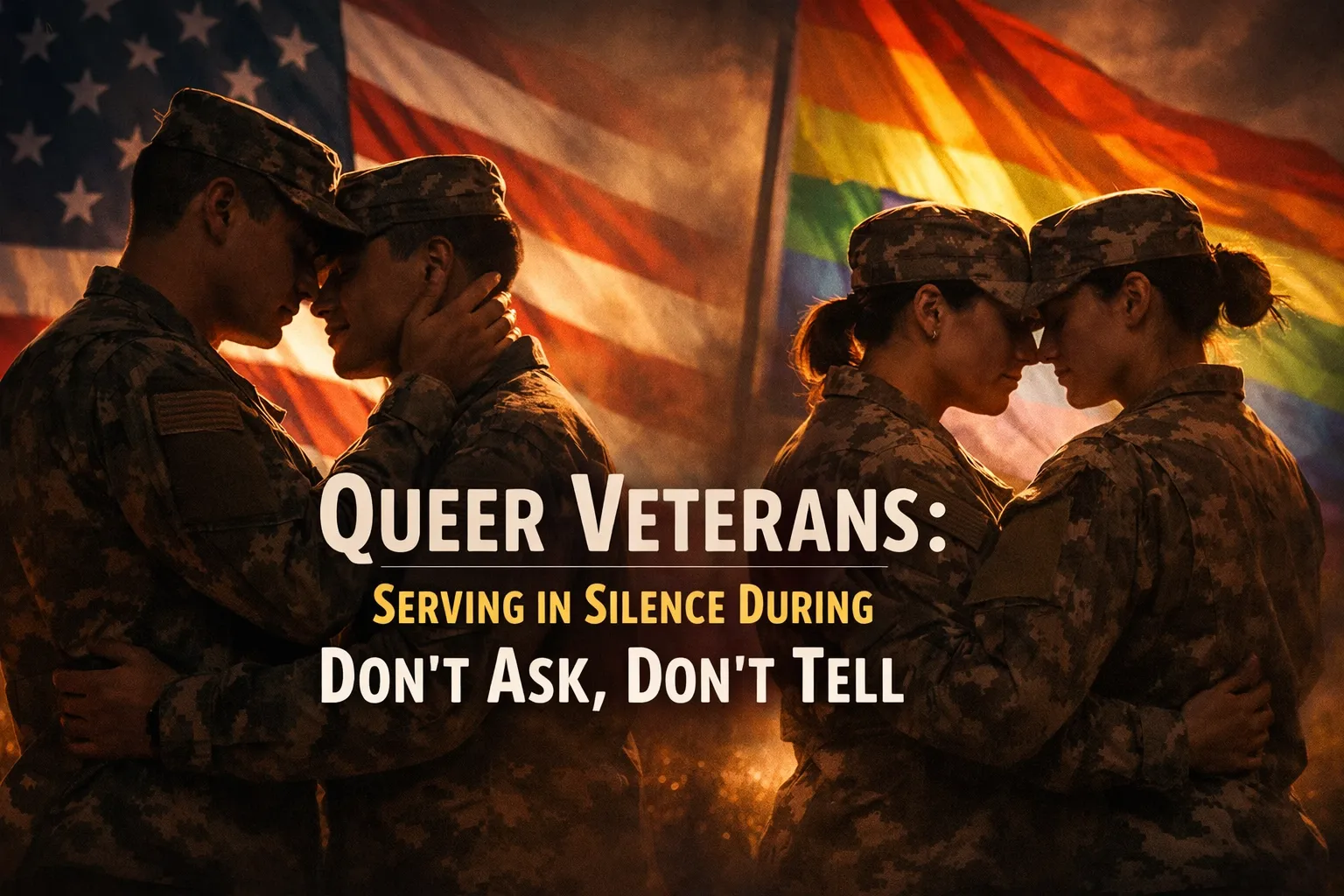
When we talk about Pride today, we often think of the glitter, the parades, and the freedom to shout our love from the rooftops. But for a huge chunk of our community's history: specifically between 1994 and 2011: there was a group of heroes who had to do the exact opposite. They served our country while living in a state of enforced silence. We’re talking about the era of "Don’t Ask, Don't Tell" (DADT), a policy that essentially told LGBTQ+ service members: "We want your service, but we don't want your truth."
At Read with Pride, we believe every story deserves to be told, especially the ones that were once forcibly silenced. Today, we’re taking a deep dive into the lives of our queer veterans who navigated the military under DADT. It’s a story of incredible resilience, heartbreak, and a long road to justice that’s still being paved in 2026.
The Policy of the Shadow: What Was DADT?
For those who didn't live through it or were too young to remember the political firestorm, DADT was a compromise that satisfied almost no one. Issued in late 1993 and officially kicked off in February 1994, it was meant to be a step up from the previous total ban on queer folks in the military. Theoretically, the military wouldn't ask about your orientation, and you wouldn't tell them.
The reality? It was a trap.
While the "Don’t Ask" part was frequently ignored by suspicious commanders, the "Don’t Tell" part was strictly enforced. If a service member was caught in a "homosexual act" (which could be as simple as holding hands off-base) or made a statement indicating they were gay or bi, they were out. This created a culture of paranoia. Imagine serving in a high-stress combat zone while having to scan your every word to ensure you didn't accidentally use the wrong pronoun when talking about your partner back home. That wasn't just "discipline": it was psychological warfare against our own troops.
The 114,000: A Legacy of Discharge
The numbers are staggering. Between World War II and the final repeal of DADT in September 2011, it’s estimated that the U.S. military discharged approximately 114,000 service members simply because of who they loved or how they identified.
When a soldier was "outed," they didn't just lose their job; they often lost their entire support system. Many were given "Other Than Honorable" discharges. For a veteran, the type of discharge you have is everything. An "Other Than Honorable" status can block you from accessing VA healthcare, G.I. Bill benefits for education, and even certain types of civilian employment. Basically, the government took years of loyal service and erased them because of a private truth.
This is why many of the gay historical romance novels we love so much often carry a bittersweet edge. They reflect a reality where love was a literal risk to one’s livelihood and safety. Whether it’s an MM romance set in the trenches of the 1940s or a contemporary M/M book looking back at the 90s, the theme of "secret love" isn't just a trope for us: it’s our history.
The Psychological Toll of the Double Life
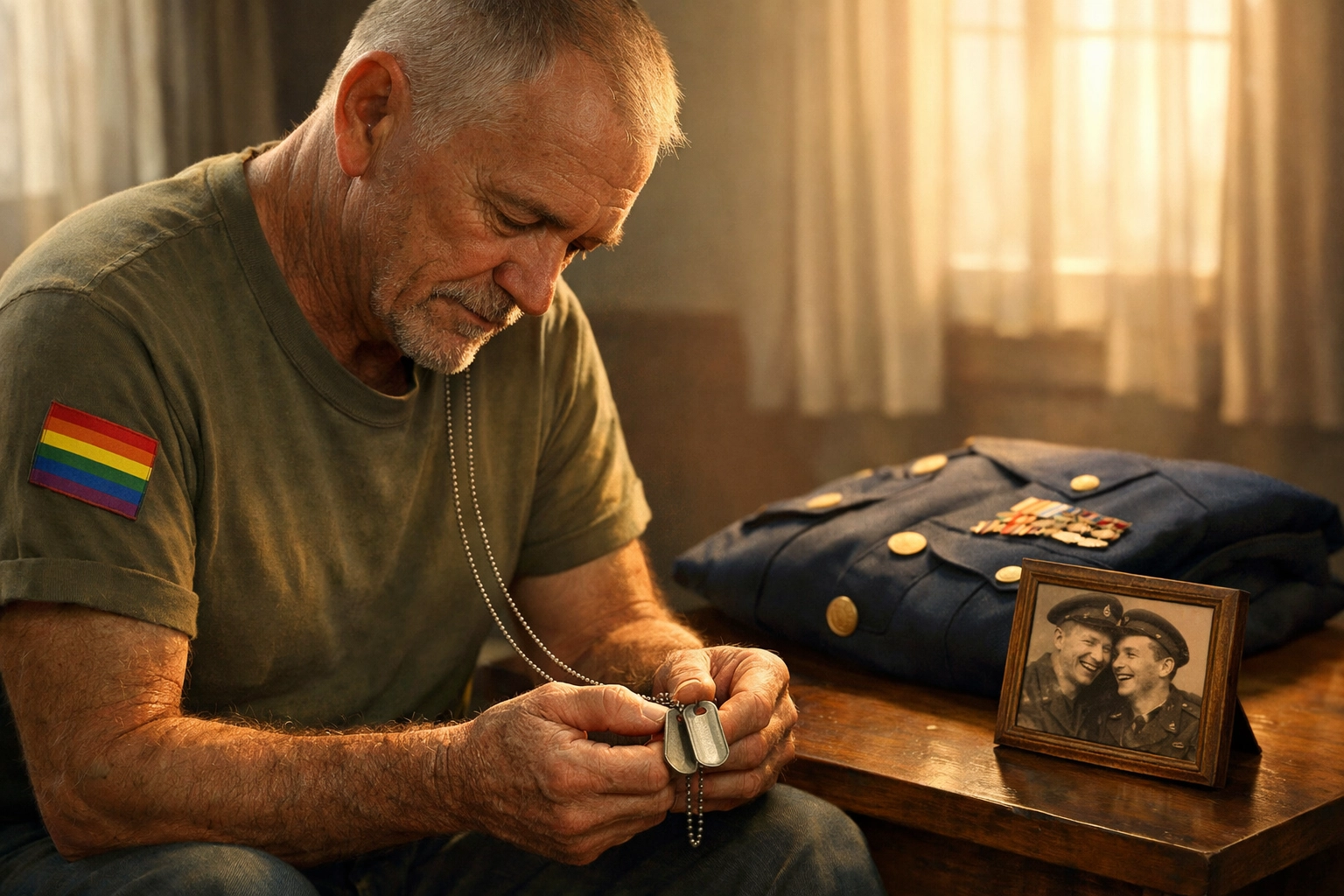
Living under DADT meant living a double life. Veterans often speak about the "mask" they had to wear. You couldn't have photos of your boyfriend in your locker. You couldn't have them listed as your emergency contact without raising eyebrows. You couldn't even receive certain letters if the handwriting looked "too feminine" or "too masculine" depending on who was looking.
The American Psychological Association eventually pointed out what we all knew: there was zero evidence that having queer people in the military hurt unit cohesion. In fact, the secrecy caused the friction. When you can’t be honest with the person standing next to you in a foxhole, it’s hard to build that 100% trust required for elite military performance. Yet, our queer veterans did it anyway. They excelled, they led, and they protected a country that was actively trying to find a reason to fire them. Talk about "Read with Pride": these folks defined it.
The Long Road to 2011 and Beyond
The repeal of DADT on September 20, 2011, was a massive victory. Finally, soldiers could put a photo of their spouse on their desk. They could bring their partners to the military ball. But for the 114,000 who were already gone, the repeal didn't automatically fix everything.
For years, veterans had to fight an uphill battle to "upgrade" their discharge status. If your paperwork said "homosexuality" as the reason for discharge, you were often stigmatized. In 2026, we are seeing more streamlined processes for veterans to correct these records, but the burden often still falls on the veteran to prove they were "wrongfully" discharged under old, biased rules.
Honoring these veterans means more than just a "thank you for your service" on Veterans Day. It means supporting the legal and social work required to ensure they get every single benefit they earned.
Finding Resilience in Queer Literature
Because many of these stories were suppressed for decades, literature has become a vital way for us to reclaim this narrative. In the world of LGBTQ+ fiction and gay novels, authors are finally giving these veterans the "Happy Ever After" (HEA) they were denied in real life.
If you’re looking to explore these themes through the lens of fiction, there are some incredible gay romance books that tackle the military experience with the nuance it deserves. We see tropes like "enemies to lovers" or "forced proximity" used to describe the tension of two soldiers falling in love when the world says they shouldn't exist.
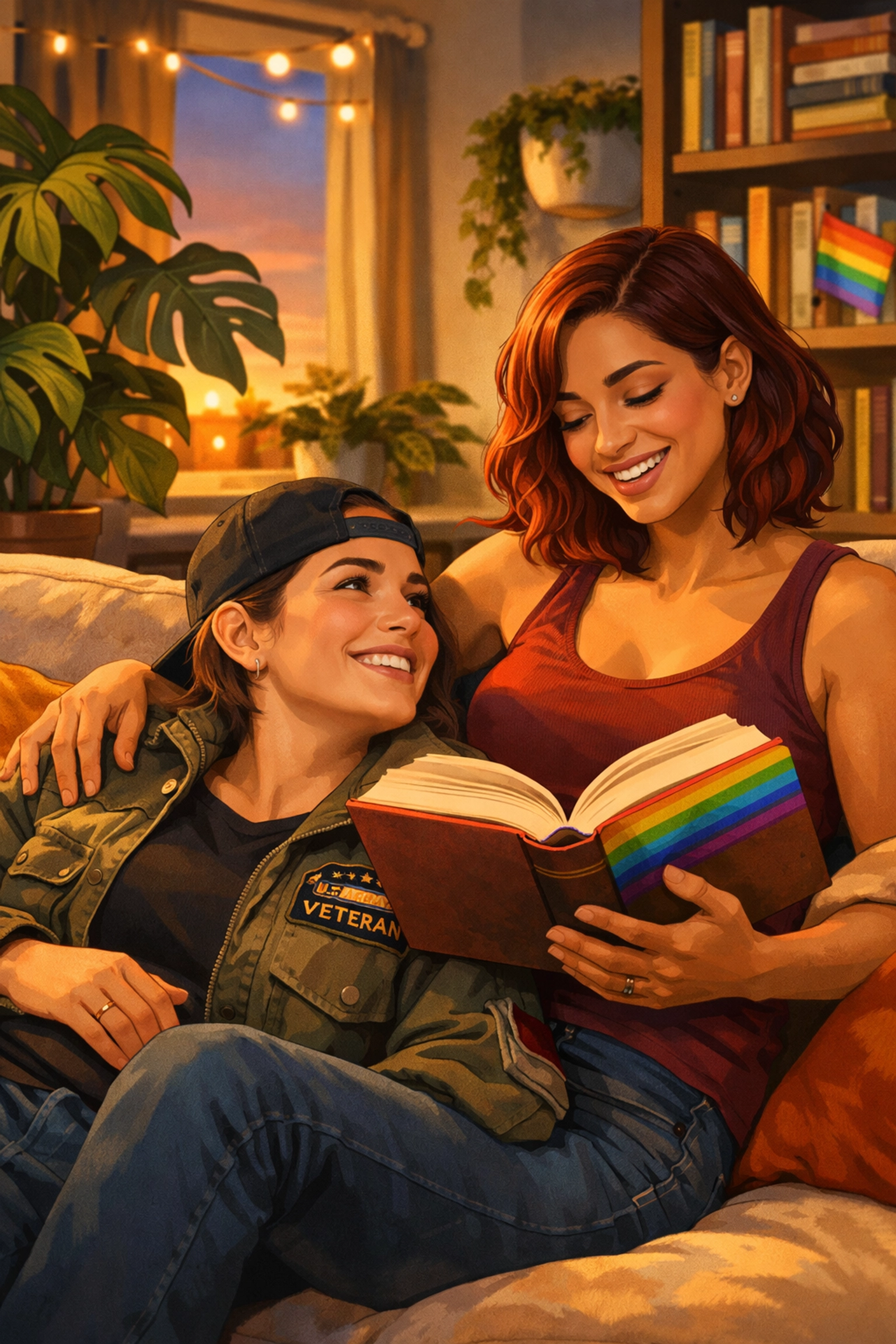
At Readwithpride.com, we see a huge demand for MM historical romance and gay contemporary romance that features veterans. Why? Because we want to see ourselves as the heroes we’ve always been. We want to see the soldier come home to a lover who can finally stand by their side at the airport.
Why We Must Keep Telling These Stories
The era of "Don’t Ask, Don’t Tell" might be legally over, but the echoes remain. It’s a reminder of how quickly rights can be stripped away and how long it takes to win them back. By supporting queer authors and reading gay love stories that feature military themes, we keep the memory of that struggle alive.
Whether you’re looking for a steamy MM romance featuring a rugged veteran or a heartfelt gay fiction piece about the struggles of life after the military, these stories serve as a bridge. They connect the silent service of the past to the loud, proud community of the present.
As we look toward the future of 2026 gay books, we expect to see even more intersectional stories. Queer veterans of color, trans service members, and those from rural backgrounds all had unique experiences under DADT that are only just beginning to be explored in mainstream gay literature.
Join the Community at Read with Pride
If you’re a fan of MM romance books or just want to stay updated on the latest new gay releases, join our circle. We’re more than just a site for LGBTQ+ ebooks; we’re a hub for the stories that define us. From gay thriller to gay fantasy romance, we’ve got the recommendations you need to fill your Kindle with pride.
Let’s keep the conversation going. Our veterans didn't serve in silence so that we would be quiet now. We speak up, we read loud, and we honor their legacy every single day.
Check out our latest collection of top LGBTQ+ books and find your next favorite read at readwithpride.com.
Follow us for more updates and community love:
- Facebook: Read with Pride
- Instagram: @read.withpride
- X (Twitter): @Read_With_Pride
#QueerHistory #DADT #LGBTQVeterans #ReadWithPride #GayBooks #MMRomance #GayRomance #MilitaryRomance #QueerVoices #GayLiterature #VeteranSupport

Leave a Reply
You must be logged in to post a comment.