

readwithpride.com
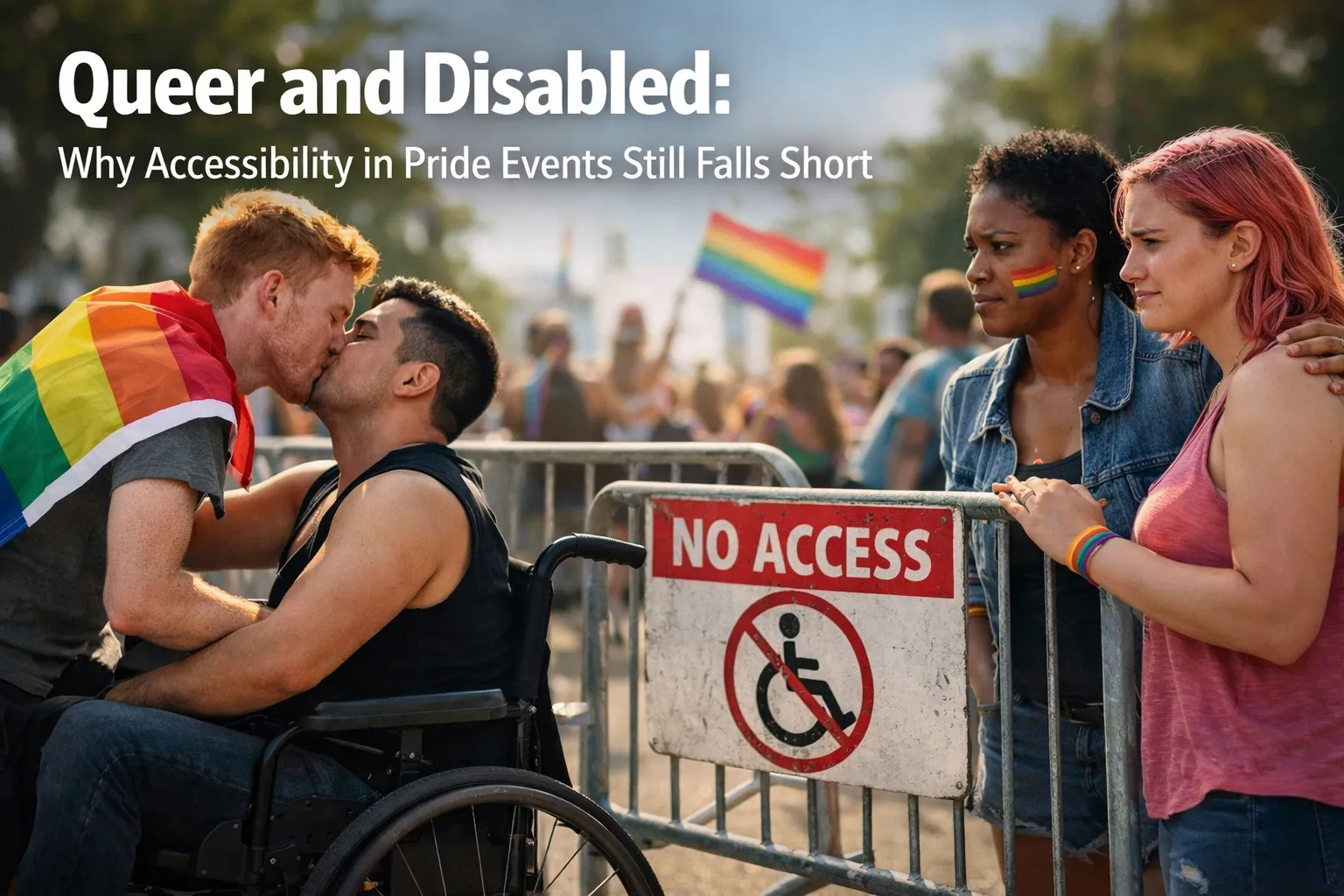
Let’s be real for a second: Pride is meant to be the ultimate "come as you are" party. It’s the one time of year where we collectively decide that the world should be as colorful, loud, and affirming as we are. We march, we dance, we wear enough biodegradable glitter to be seen from space, and we celebrate the progress we've made since Stonewall. But for a significant chunk of our community, that "open door" policy has a massive, literal flight of stairs in front of it.
If you’re a regular here at Read with Pride, you know we’re obsessed with stories. We live for MM romance books, we breathe gay historical romance, and we constantly hunt for that perfect queer fiction that makes us feel seen. But stories don’t just live in the pages of gay novels; they happen in our streets. And right now, the story of Pride accessibility is, to put it bluntly, kind of a mess.
It’s time we talk about why our "inclusive" celebrations are still failing disabled queer folks and how we can actually do better in 2026.
The Invisible Minority in Plain Sight
When we think of the LGBTQ+ community, we often think of the archetypes we see in popular gay books: the fit guys at the circuit party or the adventurous lesbians on a cross-country trek. But the data tells a much more diverse story. In the U.S. alone, between 3 to 5 million LGBTQ+ people live with a disability. In fact, about one in three queer people identifies as disabled.
That is staggering. That’s not a small subset; that’s a pillar of our community. Yet, when June rolls around, how many Pride events are truly designed with them in mind? Too often, the "Pride experience" is built for a very specific type of body: one that can stand for six hours, navigate cracked city sidewalks, and tolerate ear-splitting bass without a second thought.
The "Afterthought" Aesthetic: Physical Barriers
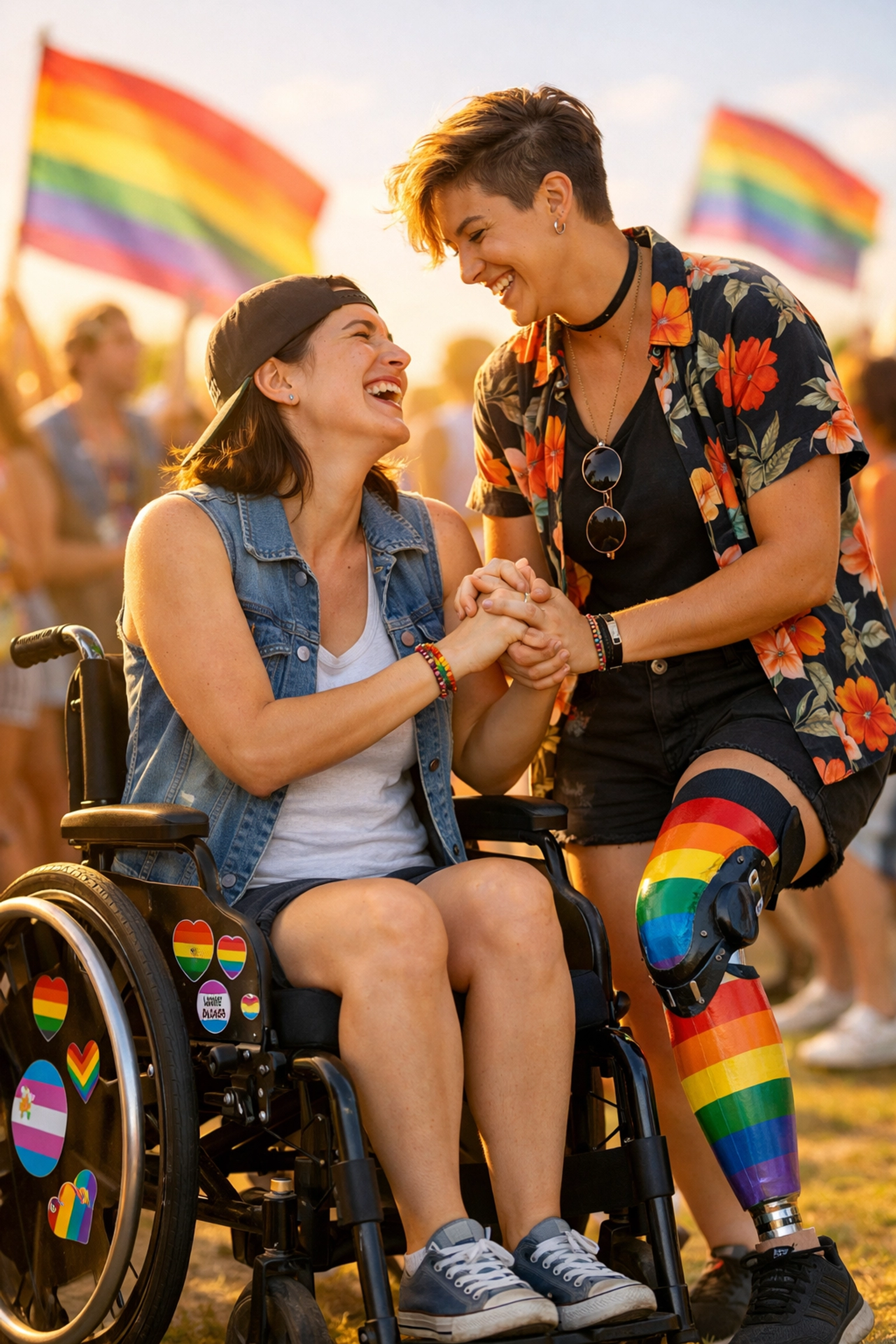
Accessibility isn't just about having a ramp (though, honestly, even that is a struggle for some organizers). It’s about the entire infrastructure of the event.
Have you ever tried to navigate a crowded parade route in a wheelchair? Or found yourself miles from the nearest accessible restroom because the "event zone" didn't account for the fact that disabled people actually… exist?
Physical barriers include:
- The Curb Problem: Parades are often held in historic districts with cobblestones or steep curbs without temporary ramps.
- The Viewing Platform Myth: If there is a designated viewing area for disabled folks, it’s often tucked away in a corner with a terrible view, or it’s so small it fills up thirty minutes into an eight-hour event.
- Restroom Roulette: Standard porta-potties are a nightmare. High-quality, truly accessible mobile restrooms should be the baseline, not a luxury.
In the world of MM romance books, we love a "forced proximity" trope, but being forced into a cramped, inaccessible space isn't romantic, it’s exhausting and exclusionary.
Beyond the Physical: Sensory and Communication Gaps
Accessibility isn't just about wheels; it’s about how we process the world. Pride is a sensory explosion, which is great for some, but a total blackout for others.
For our Deaf and hard-of-hearing siblings, a stage without an ASL interpreter is just a silent movie they didn't ask to see. For those who are neurodivergent or have sensory processing disorders, the wall of sound can lead to intense overstimulation and shutdowns.
If we want to be the community that prides itself on "found family," we need to start acting like it. That means:
- ASL Interpreters: They should be visible on every main stage.
- Quiet Zones: Every Pride festival needs a designated low-sensory area where people can decompress.
- Captions: If you’re streaming your event or showing videos on a big screen, captions aren't optional.
We talk a lot about character development in LGBTQ+ literature, and a big part of that is avoiding tropes. In real life, the "Inspirational Disabled Person" trope is just as tired as it is in fiction. Disabled folks don't want to be "brave" for attending Pride; they just want to be able to hear the speakers and use the bathroom.
The Post-Pandemic Erasure and Health Access
Let’s get into some uncomfortable territory: the "back to normal" rush. For many in our community who are immunocompromised or live with chronic illnesses, the world didn't just "reset" in 2024 or 2025.
Events that have zero masking options, no social distancing zones, or no virtual attendance components are effectively telling chronically ill queer people that their safety isn't worth the hassle. When we ignore health accessibility, we are participating in a form of systemic ableism that suggests some lives are more "celebratable" than others.
At Readwithpride.com, we see the power of digital spaces every day. Whether it's through gay eBooks or online gay book clubs, the internet has always been a sanctuary for those who can’t always access physical spaces. Pride organizers could learn a thing or two from the LGBTQ+ publishing world about making content (and experiences) available to everyone, regardless of where they are or what their health status is.
Why Literature is the Bridge
You might be wondering why a site dedicated to gay romance novels and M/M books is getting so heated about parade logistics. It’s because representation matters.
When we read a heartfelt gay fiction story where a protagonist navigates life with a disability, it changes our perspective. It moves disability from a "medical issue" to a human experience. When we see a steamy MM romance featuring a hero with chronic pain, it challenges the ableist idea that disabled bodies aren't desirable or sexual.
If our top LGBTQ+ books of 2026 start reflecting the true diversity of our community, our real-world events will eventually follow suit. We need more stories about queer disabled joy, not just "trauma porn." We need to see these characters falling in love, solving mysteries in gay thrillers, or ruling kingdoms in MM fantasy.

Moving from "Compliance" to "Care"
The biggest hurdle isn't a lack of money; it’s a lack of imagination. Too many Pride committees treat accessibility as a checklist to satisfy a legal requirement. "Do we have a ramp? Yes. Okay, moving on."
True accessibility is rooted in care. It’s about asking: "Who isn't in the room, and why?"
If you’re an ally or an able-bodied member of the community, here is how you can help:
- Demand Info: Before you go to an event, check their website. If there’s no accessibility tab, email them and ask why.
- Support Inclusive Creators: Buy MM romance books and queer fiction by disabled authors. Signal to publishers that these stories are essential.
- Listen: When a disabled person says an event is inaccessible, don't get defensive. Listen and amplify their voice.
The Future of Pride is Intersectional
As we look forward to the new gay releases and 2026 gay books, we’re hoping to see a shift in the narrative. We want a world where a disabled queer teen can pick up a gay contemporary romance and see a future for themselves: one that includes a Pride celebration where they aren't just an afterthought.
Pride started as a riot led by those on the margins. It’s time we brought the margins back to the center. Let's make sure our parades, our festivals, and our gay love stories are big enough for everyone.
Because if Pride isn't accessible, it isn't really Pride.
Love inclusive stories?
Check out our latest MM romance books and join the conversation over at Readwithpride.com. We’re dedicated to bringing you the best in gay literature, from MM historical romance to the latest gay spy romance.
Follow the Pride:
#QueerAndDisabled #PrideAccessibility #LGBTQBooks #ReadWithPride #MMRomance #DisabilityJustice #QueerJoy #2026GayBooks #InclusivePride

Leave a Reply
You must be logged in to post a comment.