
readwithpride.com
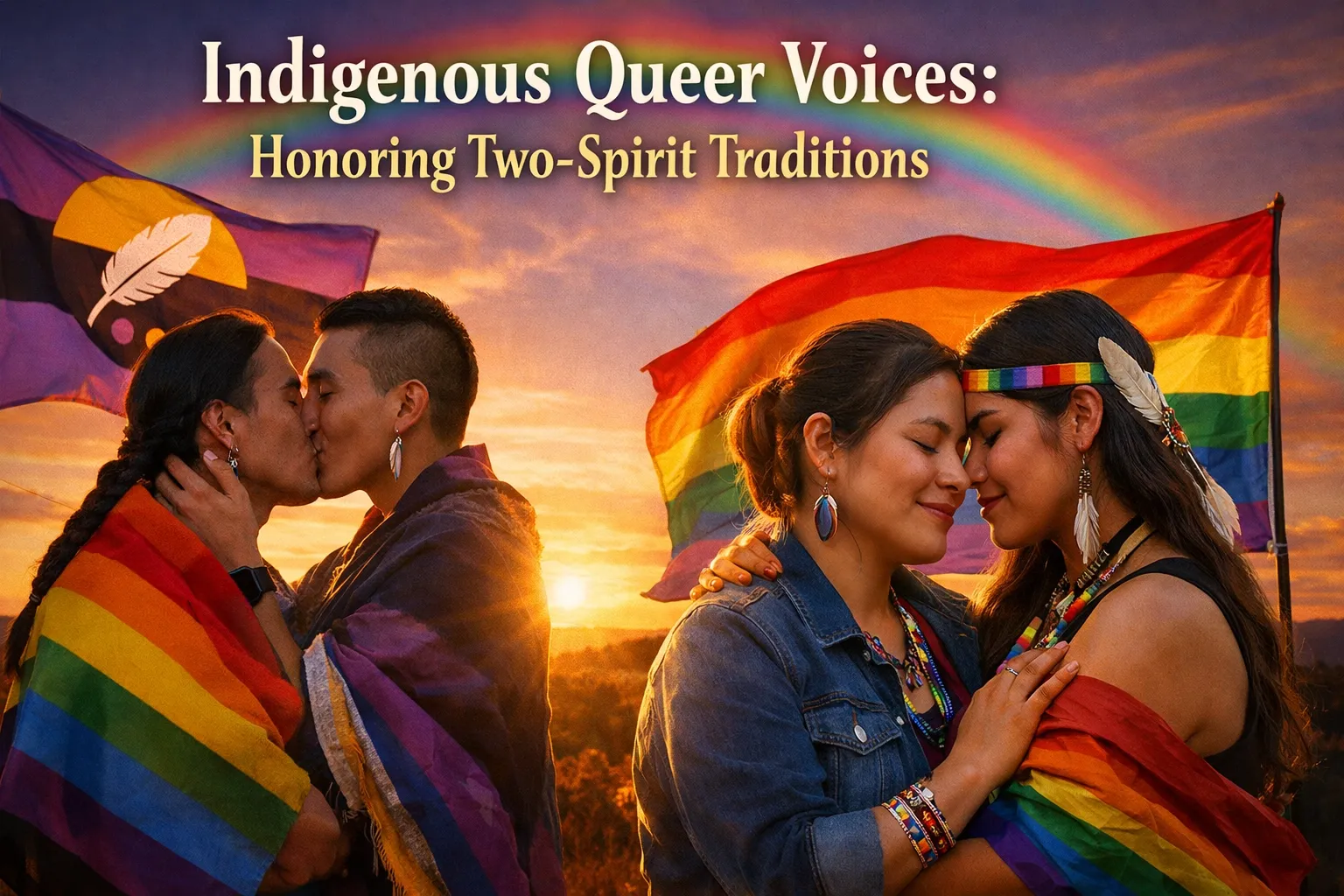
When we talk about queer history, we often start with the Stonewall Riots of 1969 or maybe the underground ballroom scenes of the 80s. But let’s be real for a second: queer identity didn't start in a New York bar. Long before the term "LGBTQ+" was ever coined, and long before the first MM romance books hit the shelves, Indigenous communities across North America were already celebrating gender diversity.
At Read with Pride, we believe that to truly understand the beauty of queer fiction and modern gay literature, we have to honor the roots. Today, we’re diving deep into the sacred, complex, and resilient world of Two-Spirit traditions. Whether you’re a fan of gay historical romance or you’re looking for the most impactful 2026 gay books, understanding the Indigenous queer experience is essential.
What Does "Two-Spirit" Actually Mean?
If you’re new to the term, "Two-Spirit" is a modern pan-Indigenous term used by some Indigenous North Americans to describe their sexual, gender, and/or spiritual identity. But here’s the kicker: it’s not just a fancy synonym for "gay" or "trans."
The term was officially adopted in 1990 at an international Indigenous lesbian and gay gathering in Winnipeg. It comes from the Ojibwe words niizh manidoowag, meaning "two spirits." It refers to a person who embodies both a masculine and a feminine spirit.
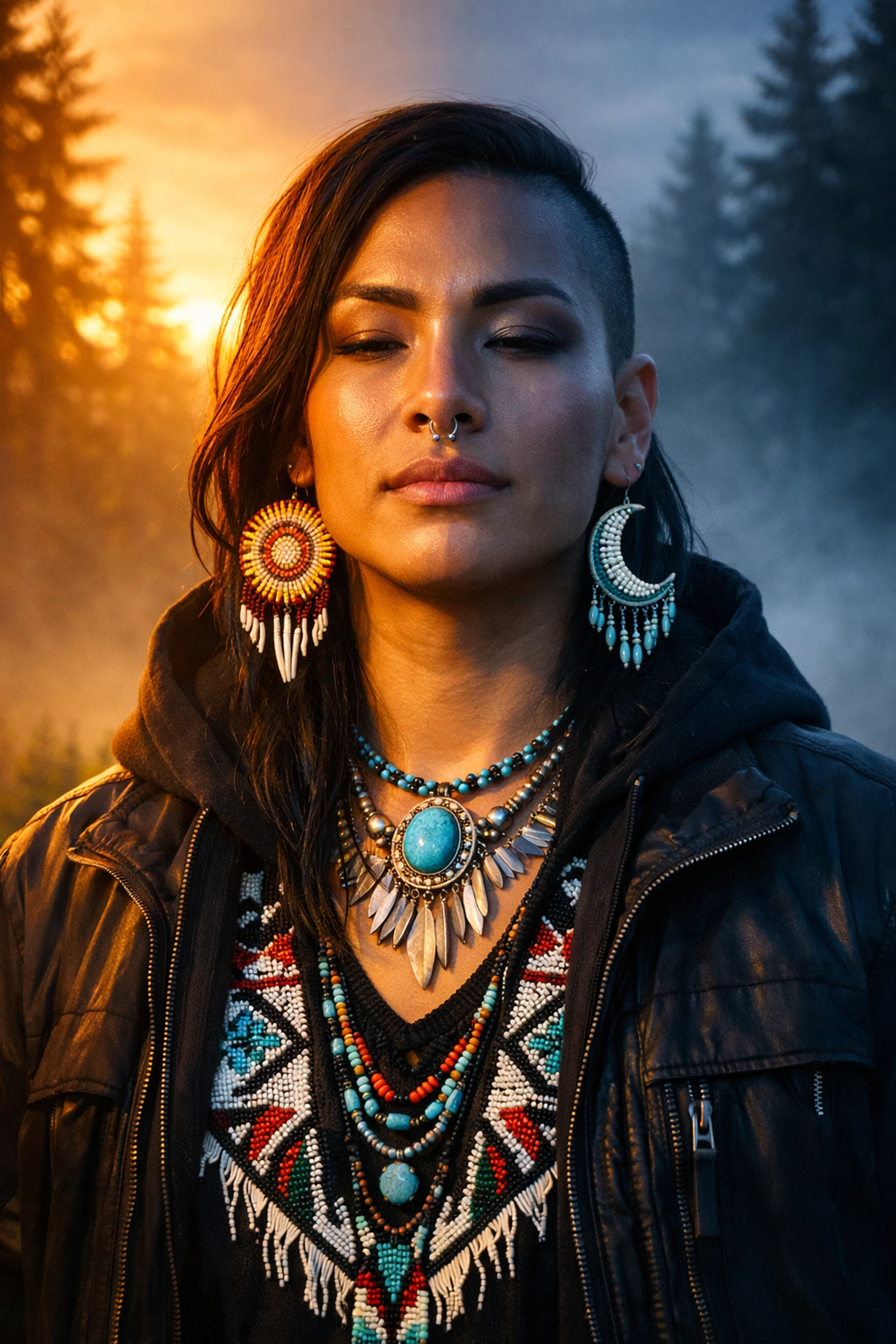
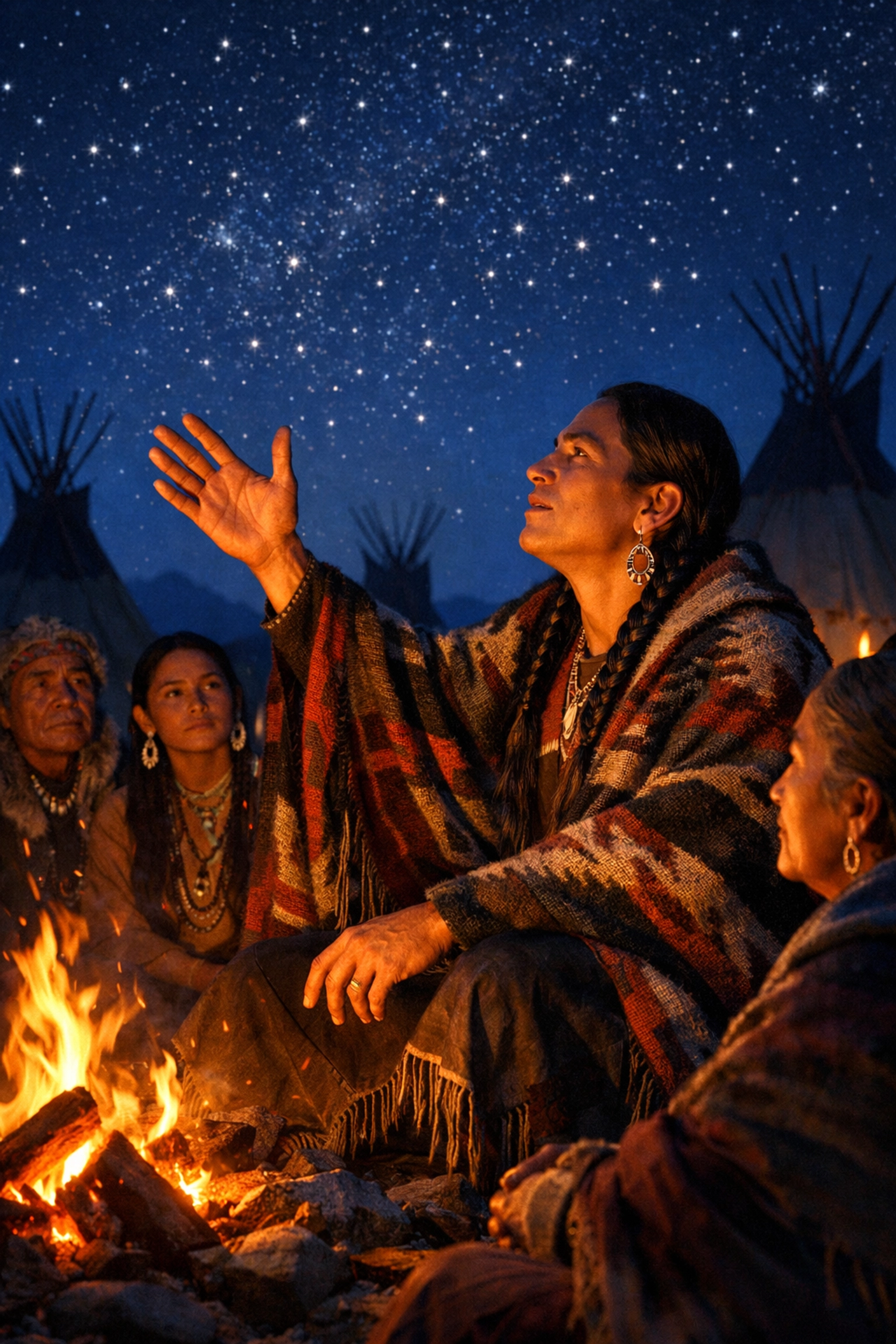
In many traditional Indigenous cultures, gender wasn't a "this-or-that" binary. It was a circle. Two-Spirit folks weren't seen as "other"; they were seen as gifted. They were the mediators, the healers, the name-givers, and the storytellers. They held a sacred place in the community because they could see the world through both lenses: the masculine and the feminine.
A History Class We Actually Want to Attend
Let’s travel back: way back. Before European colonizers arrived with their strict rules and rigid boxes, Two-Spirit people were living their best lives. We’re talking about over 150 tribes across North America that documented and honored multiple gender roles.
These individuals weren't just "passing through"; they were pillars of their society.
- Healers and Shamans: Because they walked between worlds (spiritually and gender-wise), they were often entrusted with the most important spiritual ceremonies.
- Marriage and Relationships: Two-Spirit people often formed relationships with members of their own biological sex who were not Two-Spirit. These weren't considered "gay marriages" in the way we think of them today because the gender roles were entirely different.
- The "Third Gender": Many languages had specific words for these roles. For example, the Diné (Navajo) have the nádleehí, and the Lakota have the winkté.
Imagine a world where your identity wasn't something you had to "come out" about, but rather something that was recognized as a gift to the tribe. That’s the legacy we’re honoring when we talk about Read with Pride.
The Colonial Shadow: Why We Almost Lost the Stories
We can't talk about Two-Spirit joy without acknowledging the trauma of colonization. When European settlers arrived, they didn't just bring diseases and take land; they brought a crushing sense of shame. They used dehumanizing terms like "berdache" (a word with really gross origins involving male prostitution) to describe Indigenous people who didn't fit their gender binary.
Through residential schools and forced assimilation, Two-Spirit traditions were pushed into the shadows. For decades, Indigenous queer voices were silenced by church and state authorities.
But here’s the thing about a spirit: it’s hard to kill. Despite centuries of suppression, Indigenous people are reclaiming these identities with a ferocity that is absolutely inspiring. This reclamation is a huge part of why we see such a surge in Indigenous queer fiction today.
Modern Indigenous Queer Voices in Literature
In 2026, the literary world is finally starting to catch up. We’re seeing a beautiful explosion of MM romance books and queer fiction written by Indigenous authors who are weaving traditional knowledge with modern love stories.
Why does this matter for your TBR (To-Be-Read) list? Because these stories offer a perspective you won't find anywhere else. They explore the intersection of being Indigenous and queer, navigating the modern world while carrying ancestral weight.
If you’re looking for gay romance novels that go deeper than the usual tropes, look for Indigenous authors who explore themes like:
- The Journey Home: Returning to the reservation or community and finding where you fit.
- Spiritual Awakening: How Two-Spirit identity interacts with modern queer life.
- Intergenerational Healing: Stories that bridge the gap between elders and the youth.
Whether it’s a steamy MM romance set in a rural Indigenous community or a gay fantasy romance rooted in tribal mythology, these books are reshaping the genre. They aren't just "diverse": they are essential.
Why Representation at Readwithpride.com Matters
At Readwithpride.com, we aren't just selling LGBTQ+ ebooks. We’re building a hub for stories that matter. When you support queer authors from Indigenous backgrounds, you’re participating in an act of decolonization.
Think about it: every time you read an MM historical romance that centers an Indigenous protagonist, you’re helping to overwrite the colonial lies that tried to erase these people from history. You’re saying, "I see you, and your story is beautiful."
We’ve seen some incredible new gay releases in 2026 that tackle these themes head-on. From gay thrillers with Two-Spirit leads to heartfelt gay fiction about finding family, the range is incredible.

Tropes with a Twist: Indigenous MM Romance
We all love a good trope. Who doesn't fall for a "slow burn" or "enemies to lovers" storyline? But when these tropes are placed within an Indigenous context, they get a whole new layer of meaning.
- Forced Proximity: Imagine two rivals stuck together during a traditional winter camp or a long trek across ancestral lands.
- Slow Burn: The tension is higher when cultural expectations and personal identity are both on the line.
- Found Family: This is a huge theme in the Indigenous queer community, where "family" often extends far beyond biological lines to include the whole community and ancestors.
If you're looking for the best MM romance books of 2026, keep an eye out for titles that blend these classic beats with authentic Indigenous cultural details. Check out our latest blog posts for curated lists of these must-read titles.
How to Be a Better Ally to Indigenous Queer Communities
Reading the books is step one, but let’s talk about step two. Being an ally to the Two-Spirit and Indigenous LGBTQ+ community means more than just having a rainbow flag on your profile.
- Listen and Learn: Don’t expect Two-Spirit people to be your personal teachers. Use resources like our site and reputable Indigenous organizations to educate yourself.
- Support Indigenous-Owned: Buy your gay novels from Indigenous-owned bookstores or platforms that prioritize diverse voices.
- Respect the Term: Remember that "Two-Spirit" is a term specifically for Indigenous people. It’s not a label for non-Indigenous people to "borrow" because it sounds cool.
- Follow the Creators: Get on social media and follow Indigenous queer artists, writers, and activists.
Stay connected with us for more updates:
- Follow us on Instagram: read.withpride
- Catch us on X (Twitter): @Read_With_Pride
- Join the conversation on Facebook: Read with Pride
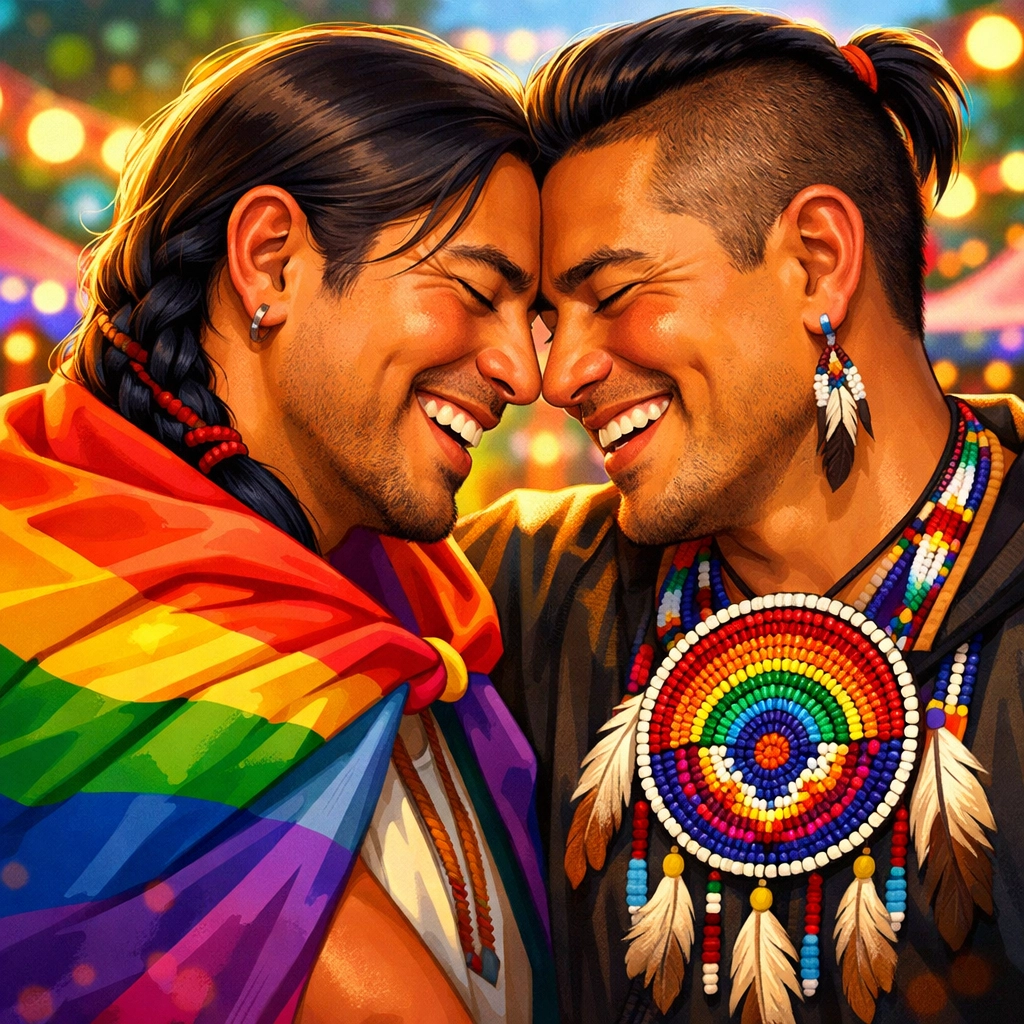
Final Thoughts: The Future is Indigenous and Queer
As we look toward the rest of 2026, the future of gay literature is looking brighter and more inclusive than ever. By honoring Two-Spirit traditions, we aren't just looking back; we’re looking forward to a world where everyone’s spirit is celebrated.
Indigenous queer voices are here to stay. They are writing the top LGBTQ+ books, they are winning awards, and they are changing the way we think about love and gender. So, the next time you're browsing for free gay romance or looking for your next big gay love story, take a moment to look for an Indigenous voice. You might just find the story that changes your life.
Ready to dive into your next favorite read? Head over to readwithpride.com and explore our massive collection of MM novels and queer fiction. Let’s read with pride, together.
#TwoSpirit #IndigenousPride #ReadWithPride #QueerBooks #LGBTQLit #MMRomance #GayFiction #2026Books #IndigenousVoices #DecolonizeYourBookshelf

Leave a Reply
You must be logged in to post a comment.