readwithpride.com
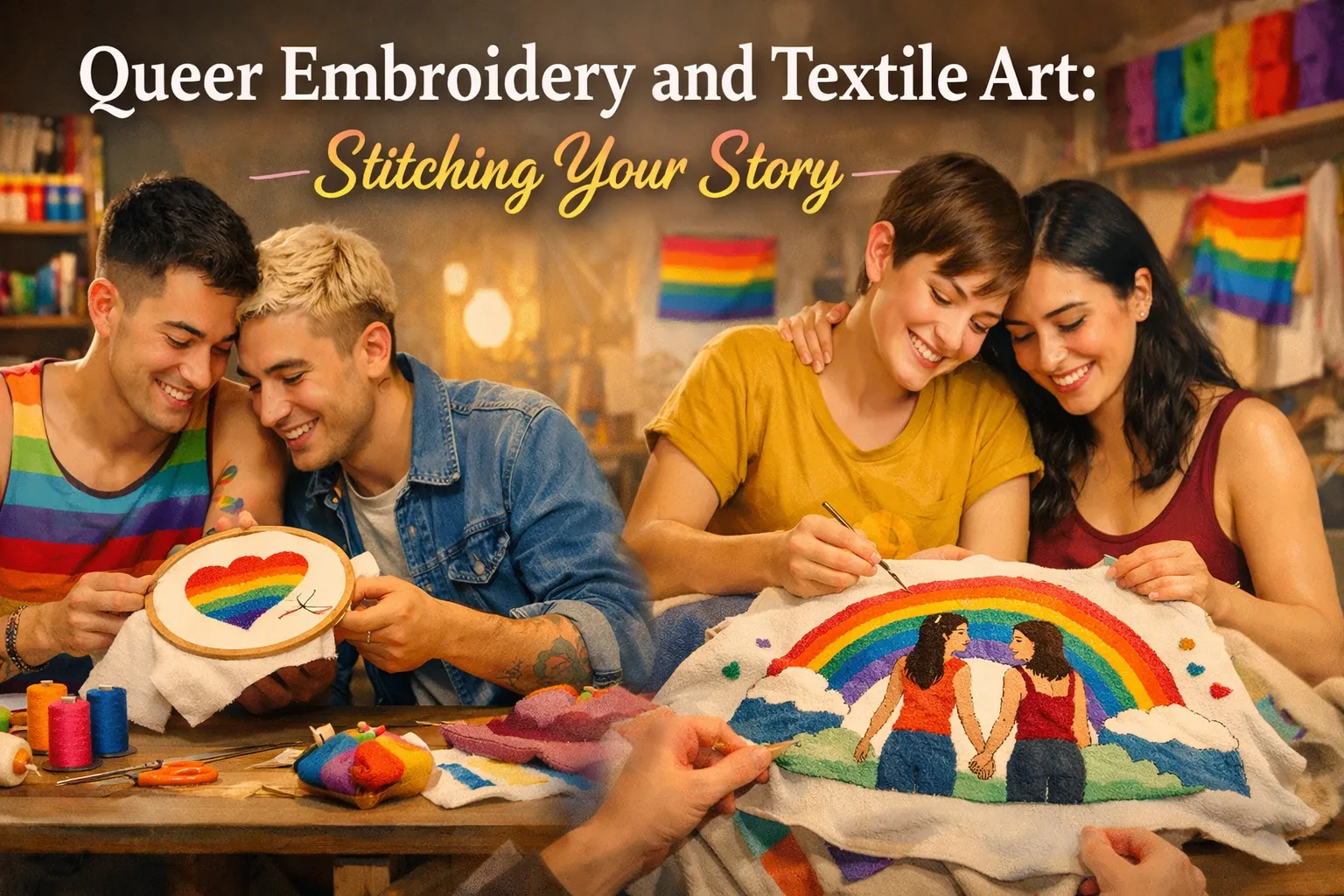
Let’s be real for a second: as much as we love devouring a spicy MM romance or getting lost in the latest queer fiction release, stories aren't always found between the covers of a book. Sometimes, they’re etched into the very fabric of our lives, literally. We’re talking about the radical, beautiful, and deeply personal world of queer embroidery and textile art.
At Readwithpride.com, we’re all about celebrating every way our community tells its truth. Whether it’s through a gay romance novel or a needle and thread, the goal is the same: visibility, reclaimed history, and a whole lot of heart. So, grab your embroidery hoop (or your Kindle, we don’t judge), and let’s dive into how queer folks have been stitching their way into history.
The Needle as a Tool of Rebellion
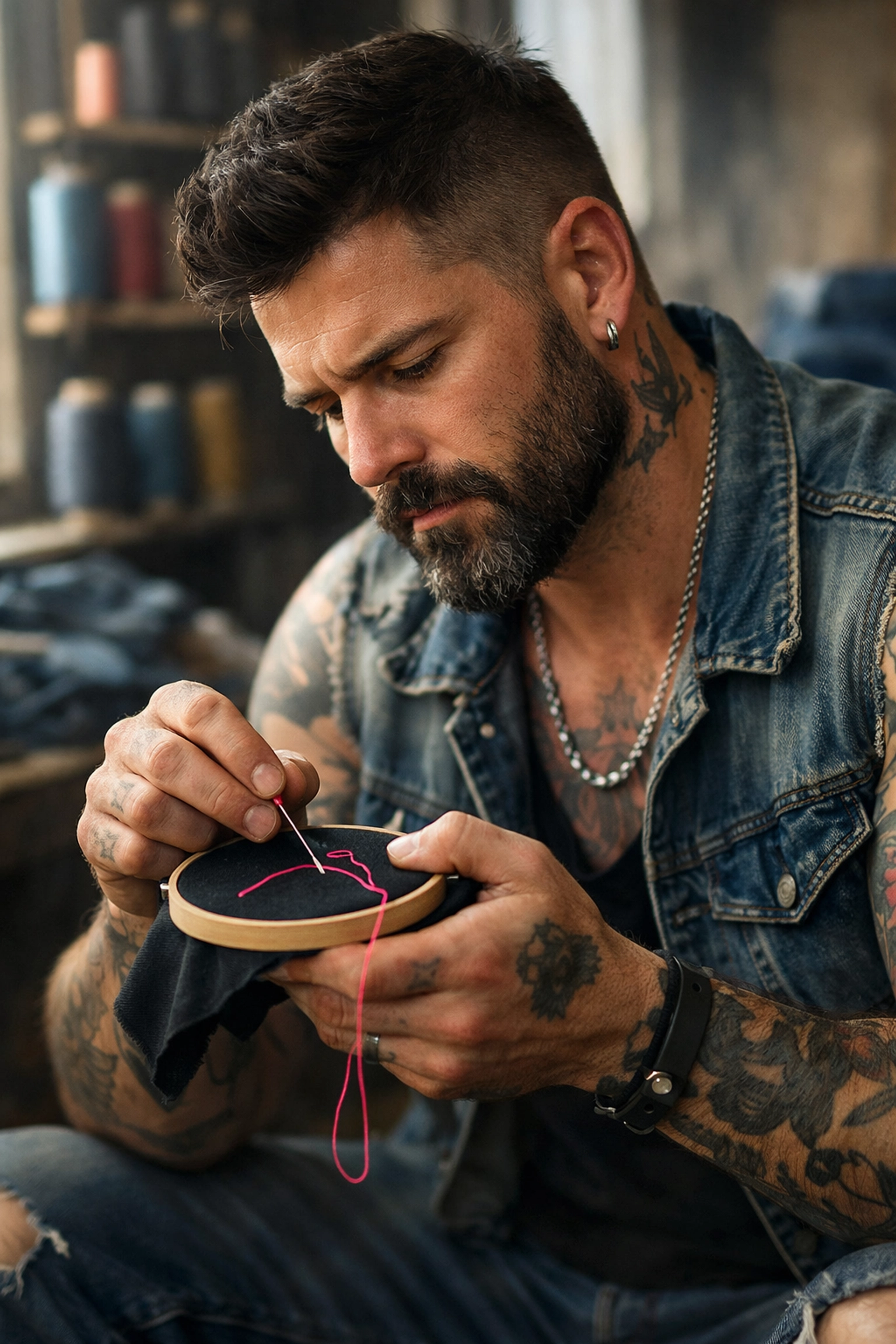
For a long time, the world tried to put embroidery in a very specific, very gendered box. It was "women’s work": demure, domestic, and definitely not meant to be political. But as with most things, the LGBTQ+ community saw a box and decided to kick it over.
Interestingly, the "queering" of the needle has roots that might surprise you. Back in the 1930s, Ernest Thesiger: a celebrated British actor and noted embroiderer: used the craft as a rehabilitation tool for injured soldiers. This was a massive middle finger to the rigid gender boundaries of the time. Men holding needles? In the 30s? It was practically scandalous. Media gatekeepers tried to keep the craft "feminine," but the seed was sown. The needle was no longer just for mending socks; it was for mending spirits and challenging norms.
Weaving Grief into Power: The AIDS Memorial Quilt
We can’t talk about queer textiles without talking about the most profound example of "stitching your story" in modern history: the NAMES Project AIDS Memorial Quilt. During the 1980s and 90s, when the government was largely ignoring the epidemic, our community turned to fabric to make the invisible visible.
This wasn't just art; it was a battle cry. Each 3-by-6-foot panel represented someone lost to the crisis. The symbolism was heavy. In an era where "queer blood" was stigmatized and feared, the act of pricking one’s finger to sew a memorial for a loved one was a radical act of love and defiance. It transformed collective mourning into a public witness that the world couldn't look away from. It reminds us that our stories: like the best gay literature: deserve to be preserved, no matter how much society tries to erase them.
Coded Communication: The Original "Queer Coding"
Long before we had the luxury of buying top LGBTQ+ books or wearing Pride merch from head to toe, we had to be subtle. In times when being "out" was a literal death sentence, textiles offered a secret language.
Think of it as the original "queer coding." A splash of lavender thread here, a green carnation embroidered inside a lapel there: these were markers of solidarity. We used "textiles" (which, fun fact, comes from the Latin texere, meaning "to weave") to weave our own narratives in the shadows. Just like a gay spy romance or a gay psychological thriller, there was always a deeper meaning hidden beneath the surface. These stitches were a way to say, "I see you, and you are safe with me," without ever uttering a word.
Reclaiming the Domestic: Why Quilting is Queer
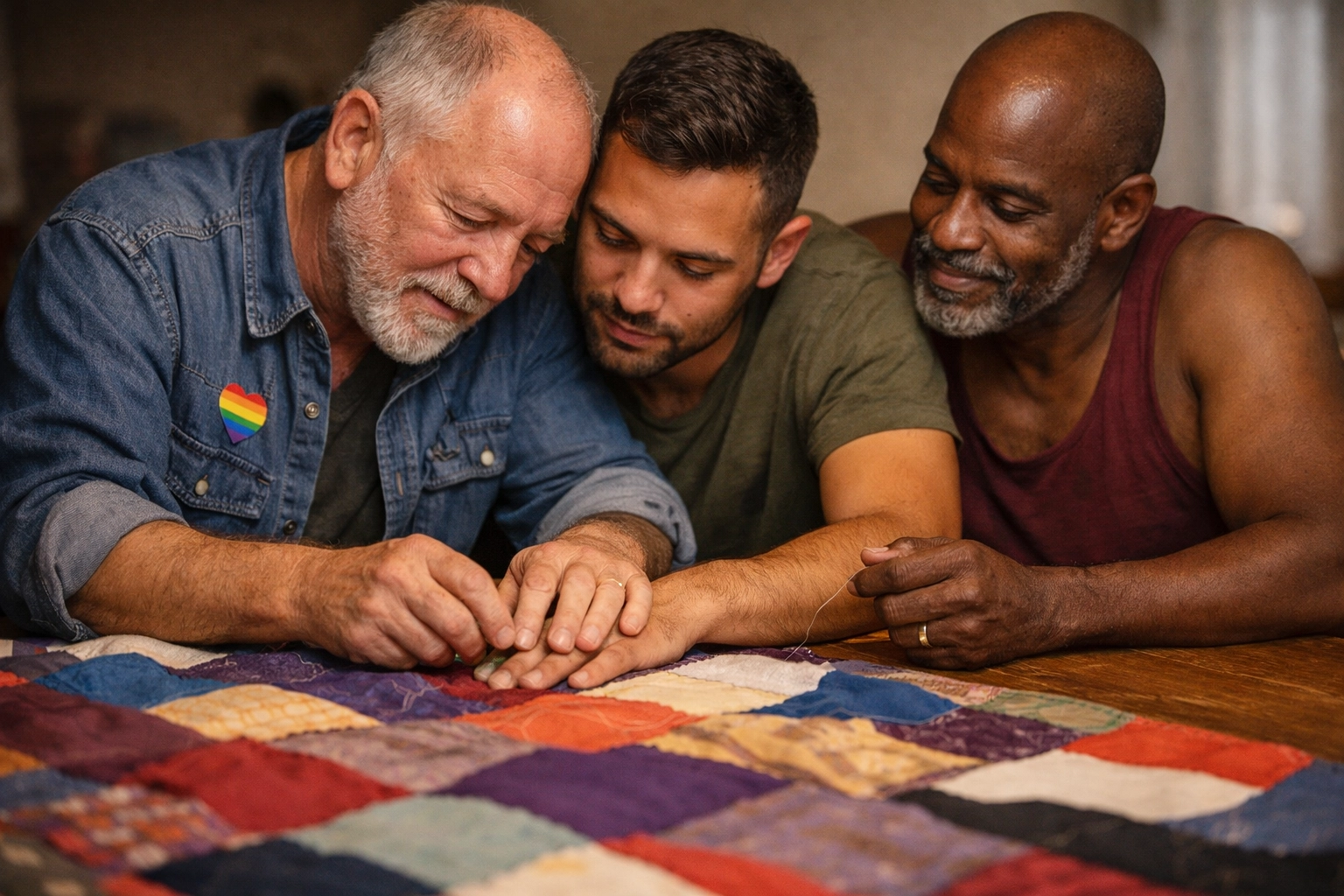
There is something inherently subversive about a queer person taking up a craft that was historically dismissed as "mundane" or "secondary art." By infusing quilting and embroidery with queer themes, artists are reclaiming the domestic space.
In the 1980s, the Great American Lesbian Art Show proved that textiles could be a powerhouse for feminist and queer expression. Today, we see this continue with projects like the Transition Quilt (started in 2020), which views gender transition as an ongoing, beautiful process rather than a static destination. It’s an unfinished work, much like our own lives, inviting the community to keep adding their own threads.
Threads as Metaphors: No Straight Lines Here
If you’ve ever tried to follow a pattern perfectly, you know that sometimes the thread has a mind of its own. In queer textile art, that’s not a mistake: it’s the point.
Threads function as a metaphor for self-determination. They don't have to follow a "straight" line. They can loop, tangle, and create riotous explosions of color. Whether it’s incorporating Indigenous beading techniques, Afro-futuristic patterns, or Asian silk traditions, contemporary queer artists are using fabric to celebrate the multifaceted nature of our identities.
Just like a genre-bending MM romance, queer art refuses to stay in its lane. It’s messy, it’s textured, and it’s undeniably beautiful. If you're interested in how we develop these complex themes in writing, check out our guide on fixing LGBTQ+ character development.
How to Stitch Your Own Story
Ready to pick up a needle? You don’t need to be a master artist to start. Queer embroidery is about the process as much as the product.
- Start Small: Grab a basic hoop, some embroidery floss, and a piece of scrap fabric.
- Pick a Prompt: What part of your queer journey do you want to memorialize? A favorite quote from a gay love story? The colors of your specific pride flag?
- Forget Perfection: Your stitches don't have to be even. In fact, some of the most powerful queer art is "ugly," raw, and visceral.
- Join a Community: Look for queer "Stitch 'n Bitch" groups or online circles. Much like a gay book club, these spaces are about connection and shared experience.
The Intersection of Pages and Patches
At the end of the day, whether we’re reading a heartfelt gay fiction novel or sewing a patch onto a denim jacket, we are participating in a long lineage of queer storytelling. We are making sure that our names, our loves, and our struggles are not forgotten.
In 2026, we have more access to queer stories than ever before. From steamy MM romance to gay historical romance, our shelves are finally starting to reflect our reality. But don't forget the stories you can create with your own two hands.
So, next time you finish a particularly moving M/M book, why not take a moment to stitch a response? Your story is worth the thread.
Stay authentic, stay colorful, and keep reading (and stitching) with pride.
Want more queer content?
Check out our latest releases at Readwithpride.com or follow us for daily inspiration on Instagram, Facebook, and X (formerly Twitter).
#QueerArt #LGBTQHistory #Embroidery #ReadWithPride #QueerCulture #StitchYourStory #MMRomance #QueerCreatives #Pride2026

Leave a Reply
You must be logged in to post a comment.