

readwithpride.com
Let’s be real: mainstream history has a habit of "accidentally" forgetting us. Whether it’s glossing over the trans women of color who sparked riots or turning legendary gay love stories into "they were just very good roommates," the traditional archive can be a bit of a desert.
That’s where the zine comes in.
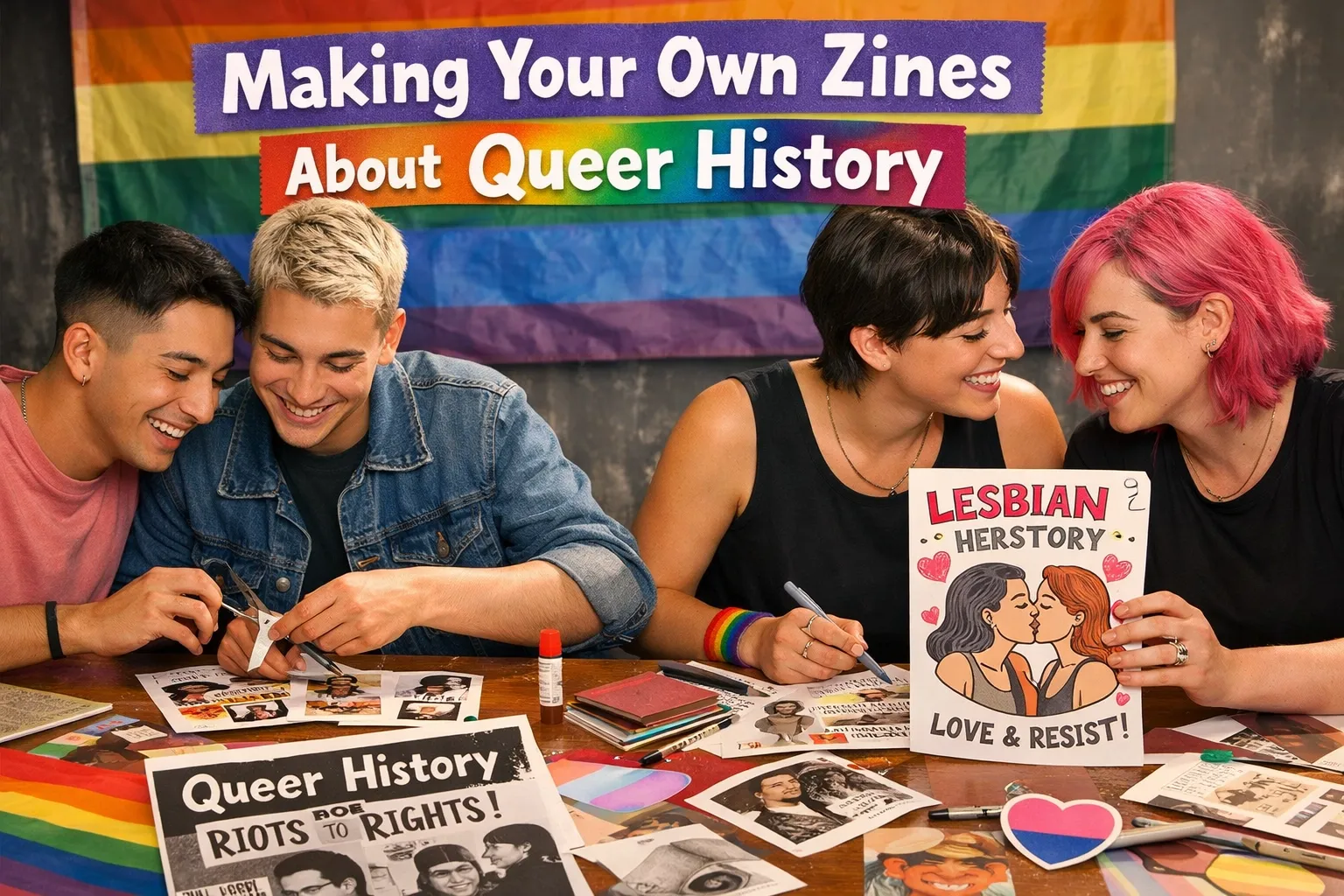
A zine (pronounced zeen, like magazine) is a self-published, small-circulation work of original or appropriated texts and images. For the LGBTQ+ community, zines aren't just a hobby: they are a lifeline. They are the "f*** you" to gatekeepers and a gorgeous, messy, glitter-covered way to say, “We were here, and we remember.”
If you’ve been spending your 2026 diving into the latest new gay releases or getting lost in a gay historical romance, you’re already part of the tradition of storytelling. But if you want to take it a step further and document the actual history of our community, it’s time to grab a glue stick and some scissors.
Why Zines are the Ultimate Queer Time Capsule
Historically, our stories were often only recorded in police blotters, "scandal" rags, or dry medical journals that treated our existence like a puzzle to be solved. Zines flipped the script. They allowed us to define ourselves on our own terms.
Back in 1926: exactly one hundred years ago: the Harlem Renaissance saw the birth of Fire!!, a literary magazine created by queer icons like Langston Hughes and Richard Bruce Nugent. It was essentially the great-granddaddy of the modern queer zine. It was bold, it was unapologetically Black and queer, and it didn't care about the mainstream gaze.
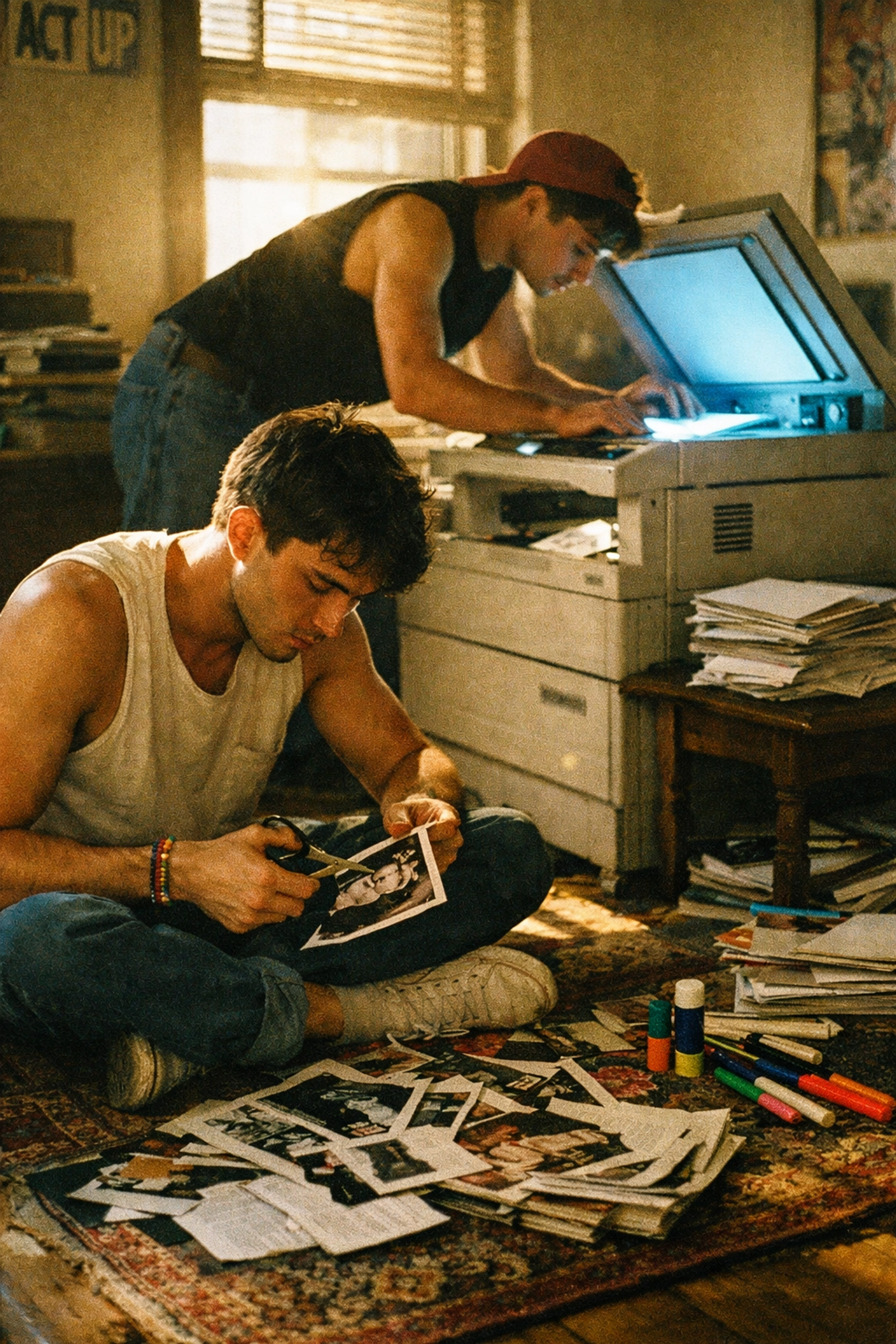
In the 80s and 90s, during the height of the AIDS crisis, zines became "blueprints for survival." When the government wouldn't give us the tea on how to stay safe or where to find healthcare, we printed it ourselves. We shared our grief, our rage, and our resilience in photocopied pages stapled together in basements.
Making a zine today is about continuing that lineage. It’s about ensuring that the top LGBTQ+ books of tomorrow have a foundation of real-world history to stand on.
Getting Started: The Anatomy of a Queer History Zine
You don’t need a degree in graphic design or a massive budget to make something impactful. In fact, the "rough around the edges" look is part of the aesthetic. Here is what you’ll need for your DIY history project:
- A Theme: Are you documenting local queer bars that have closed down? Are you writing about the history of the enemies to lovers MM romance trope in 1950s pulp fiction? Or maybe a tribute to the trans elders in your city? Pick a niche and dive deep.
- Research Tools: Check out the Queer Zine Archive Project (QZAP) or the Internet Archive. Look for old photos, flyers, and interviews.
- The Physical Goods: Paper, scissors, glue, a long-arm stapler (if you’re feeling fancy), and a black Sharpie.
- A Photocopier: The patron saint of zine culture. The grainier the copy, the better the vibe.
The "Eight-Page Fold" Method
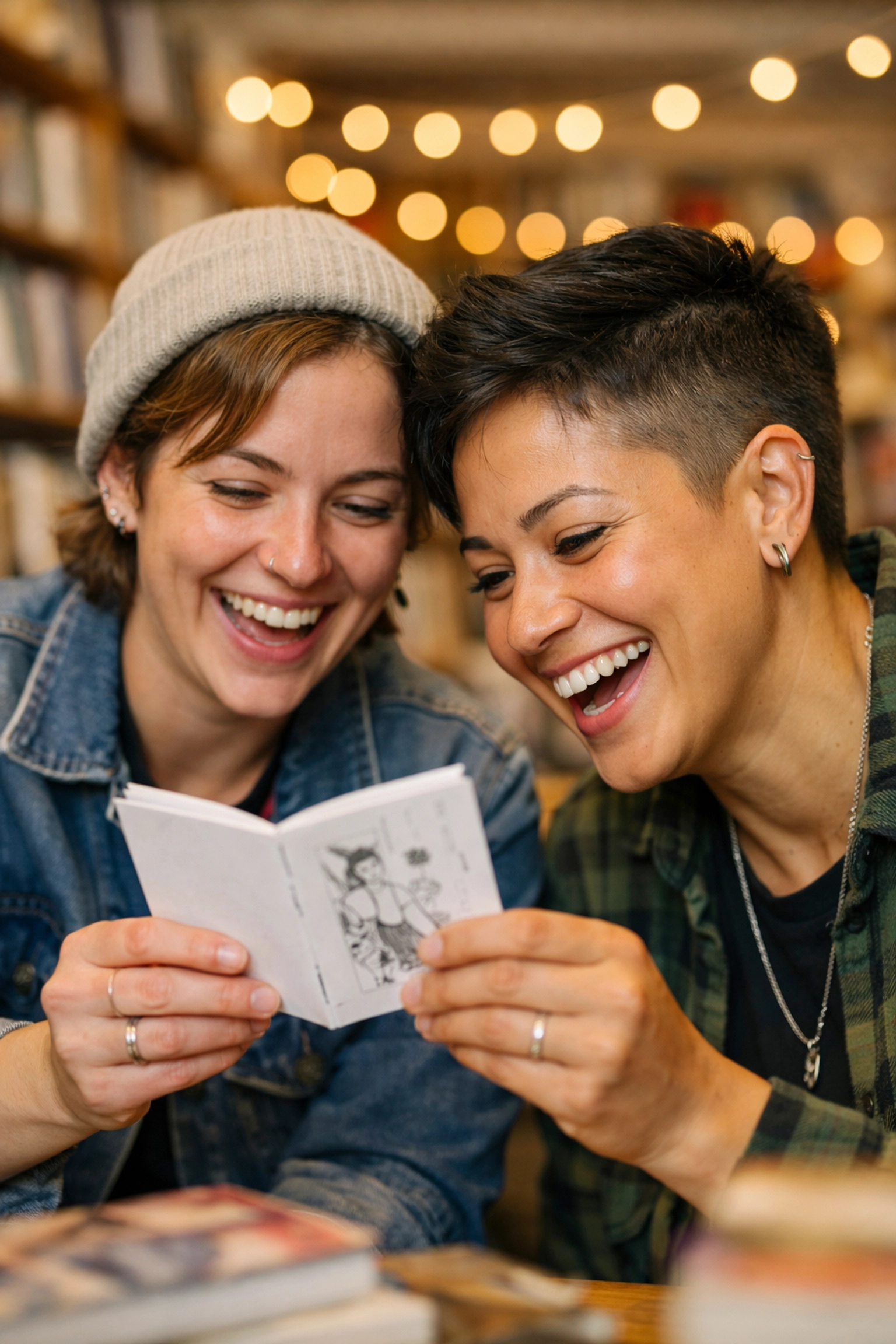
If you’re a beginner, the one-page zine is your best friend. You take a single sheet of A4 paper, fold it a specific way, make one small cut, and boom: you have an eight-page booklet with no stapling required. It’s perfect for handing out at Pride events or leaving in the "free" bin at your local gay book club.
Content Ideas: What to Document in 2026
If you're staring at a blank page, don't panic. Queer history is everywhere. Here are a few prompts to get those creative juices flowing:
1. The "Lost Spaces" Zine
Every city has a ghost map of queer spaces. Where was the first drag show in your town? Which bookstore used to carry LGBTQ+ fiction under the counter? Interview someone who was there and preserve those memories before they fade.
2. The Trope Evolution
If you love MM romance books, why not make a zine about how tropes have changed? You could compare the "tragic ending" era of the 1960s to the steamy MM romance and guaranteed happy endings we see at Readwithpride.com today. It’s a fun way to look at how our cultural expectations for joy have evolved.
3. Archiving the "Now"
History is happening every day. Document a recent protest, a local drag brunch, or even your own journey of coming out. Your personal essay today is the historical primary source of tomorrow. If you need tips on writing, check out our guide on fixing LGBTQ+ character development.
Making it Visual: Collage and Queer Gaze
Zines are a visual medium. This is your chance to play with the "Queer Gaze." Use high-contrast images, overlapping text, and bold colors.
- Found Photos: Use public domain archives to find images of queer life from the early 20th century.
- Typography: Mix hand-drawn titles with typed text. It gives the zine a personal, "lived-in" feel.
- Digital vs. Analog: While we love the tactile feel of paper, creating LGBTQ+ ebooks or digital zines is a great way to reach a global audience. You can host your digital zine on platforms like Itch.io or even link to it from your social media.
Distribution: Spreading the Queer Word
Once your zine is finished, you need to get it into the hands of your community.
- Zine Fests: Most major cities have them! They are a great place to swap your work for other queer zines.
- Independent Bookstores: Many shops that sell gay novels or queer fiction have a small section for local zines.
- Online Communities: Share snippets on Instagram and TikTok. Use hashtags like #QueerZines and #ReadWithPride to find your tribe.
- Library Collections: Believe it or not, many university libraries (like Washington University or the Julian Edison Department of Special Collections) actively collect zines. Your little booklet could end up in an actual museum!
The Connection Between Zines and Queer Literature
You might wonder why a site dedicated to the best MM romance and LGBTQ+ publishing is so obsessed with zines. It’s because zines are the laboratory where queer literature is born.
Many of the queer authors we love today started out by self-publishing zines in the 90s. The raw, unfiltered emotion found in a zine often paves the way for the sophisticated gay contemporary romance or gay fantasy romance we devour on our Kindles. Zines remind us that our stories don't have to be "polished" to be powerful. They just have to be true.
At Read with Pride, we believe in the power of the written word: whether it’s a 100,000-word gay thriller or a 10-page photocopied zine about your first Pride. Both are essential. Both are revolutionary.
Final Thoughts: Your Voice is the History
In a world that is constantly trying to rewrite our past, making a zine is an act of resistance. It’s a way to ensure that our history isn't just something we read about in 2026 gay books, but something we actively participate in creating.
So, grab your supplies. Find a story that needs to be told. Whether it's a deep dive into gay historical romance tropes or a personal account of your chosen family, get it on paper. Staple it. Share it.
Our history is in your hands. Literally.
For more inspiration on queer storytelling and the best in gay fiction, stay tuned to our blog and check out our latest curated collections.
Join the Community:
- Follow us on Facebook
- Catch the latest updates on X (Twitter)
- See the aesthetic on Instagram
- Explore more at Readwithpride.com
#QueerHistory #ZineMaking #ReadWithPride #LGBTQBooks #DIYPride #QueerArt #GayRomanceBooks #MMFiction #QueerCulture #SupportQueerAuthors #2026Reading #GayLiterature

Leave a Reply
You must be logged in to post a comment.