

readwithpride.com
Building a family is a wild ride for anyone, but for the LGBTQ+ community, the road to parenthood often looks less like a scenic bypass and more like an obstacle course designed by a bureaucrat with a grudge. For many queer folks, the journey doesn't start with a "happy accident"; it starts with spreadsheets, legal fees, and the emotional gymnastics of navigating a system that wasn’t exactly built with us in mind.
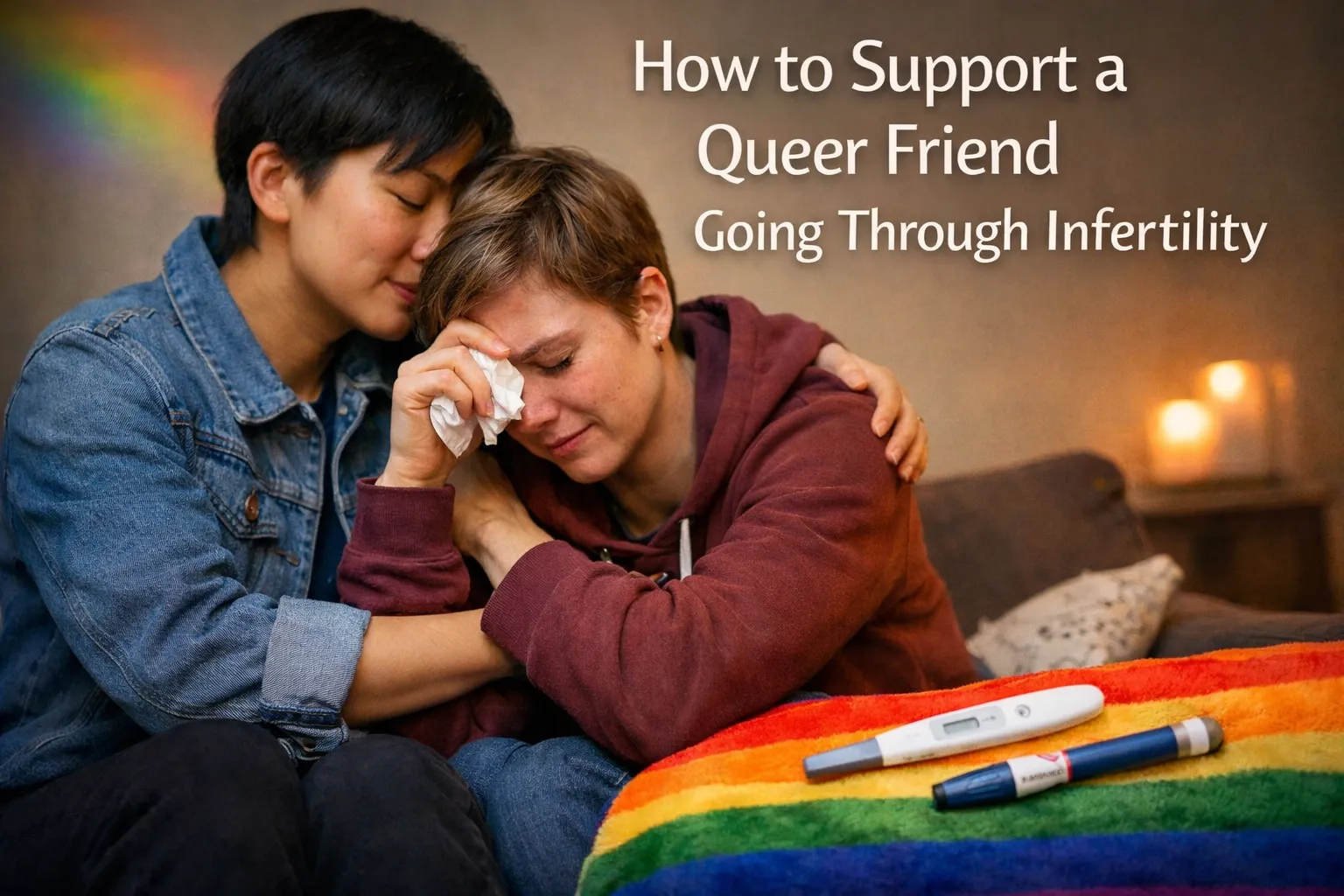
If you have a queer friend struggling with infertility, you might feel like you’re walking on eggshells. You want to be the best ally possible, but you’re worried about saying the wrong thing or overstepping. Whether they are dealing with medical infertility or the systemic barriers known as "social infertility," your support is a lifeline. At Read with Pride, we know that gay love stories aren’t always about the "happily ever after" found in our favorite MM romance books, sometimes, the real story is in the grit, the waiting, and the community that holds you up.
Here is how you can be the ultimate ally during this deeply personal and often exhausting chapter.
1. Educate Yourself on "Social Infertility"
Before you dive in with advice, it is crucial to understand that infertility in our community isn't always a medical diagnosis. The term "social infertility" refers to the inability to conceive due to social circumstances, like, say, not having the necessary biological components within a partnership.
While a straight couple might try for a year before seeking help, queer folks often have to seek medical intervention (IUI, IVF, surrogacy) or legal help (adoption, fostering) from day one. This adds a layer of "disenfranchised grief." People might not realize how painful it is to want a child but be barred by the high cost of sperm banks, the gatekeeping of adoption agencies, or the sheer "gay tax" of family building.
When you Read with Pride, you learn that our histories are built on resilience. Support your friend by acknowledging that their struggle is valid, even if it looks different from the traditional medical narrative.

2. Inclusive Language is a Love Language
Words matter. A lot. When your friend is dealing with doctors, lawyers, and nosy neighbors, they are likely being bombarded with heteronormative language. You can be the safe harbor.
- Avoid "Who is the real parent?" Biology doesn't make a parent; love and legal paperwork do.
- Respect gender identity: If your friend is trans or non-binary and going through fertility treatments, use the language that affirms them. Chest-feeding vs. breast-feeding, or simply asking "What terms feel best for you right now?" can make a world of difference.
- Ditch the "Just adopt" line: This is the most common: and often most hurtful: thing people say. Adoption is beautiful, but it is also expensive, legally complex, and fraught with its own set of trauma and "social infertility" hurdles. It isn't a "backup plan"; it’s a completely different journey.
3. The Power of the "Check-In" (Without the Prying)
Infertility is a lonely business. Your friend might be riding a roller coaster of hormone injections one week and mourning a failed cycle the next. The best thing you can do is show up consistently.
However, avoid the "Are you pregnant yet?" text. Instead, try:
- "Thinking of you today. No need to reply, just sending love."
- "I’m heading to the store; can I drop off your favorite snacks or some mindless magazines?"
- "If you need to vent about the clinic/lawyer/universe today, I’m all ears."
By focusing on their well-being rather than the result of their journey, you take the pressure off. They are more than their fertility status; they are your friend.
4. Offer Practical, Logistical Support
The queer family-building path is a logistical nightmare. Between the legal documents and the medical appointments, it’s a full-time job.
If they are comfortable, offer to:
- Drive them to a stressful appointment.
- Help research LGBTQ+-affirming clinics or providers. Not every doctor is trained in queer-competent care; having a friend help vet the options can reduce the mental load.
- Bring dinner on "shot days" (for those undergoing IVF).
In the world of gay fiction and M/M books, we often see the "found family" trope. This is where that trope becomes real life. Being the person who shows up with a pizza and a distraction is the peak of allyship.

5. Navigating Your Own Big News
One of the hardest parts of infertility is seeing everyone else move forward while you feel stuck. If you find out you are pregnant or have big family news, be sensitive about how you share it with your friend.
- Don't tell them in a group setting: Give them the space to react privately. A text message is often better than a phone call because it allows them to process their emotions: which might include both joy for you and deep sadness for themselves: without having to perform "happiness" on the spot.
- Acknowledge the awkwardness: It’s okay to say, "I have some news to share, and I wanted to tell you privately because I know you’re going through a lot right now."
6. Curate an Escape: The Gift of Distraction
Sometimes, the best support is helping your friend forget about their ovaries or their bank account for a few hours. This is where Readwithpride.com comes in. A good story can be a much-needed escape from the clinical reality of infertility.
Why not put together a "Self-Care Book Bundle"? You could include:
- A lighthearted MM contemporary romance like Gelato and Ghosts for a virtual trip to Rome.
- A sweeping, romantic escape like The Juliet Letters.
- Something spicy and distracting like Midnight at the Louvre.
By gifting them LGBTQ+ ebooks or gay novels, you’re giving them a world where they can see queer joy and successful gay love stories without the stress of their current reality.

7. Be the "Wall" Against Family Pressure
Many queer people are estranged from their biological families or face intense pressure from them. If you’re part of their "chosen family," you can act as a buffer. If you’re at a party and someone asks them a prying question about when they’re having kids, jump in. Redirect the conversation. Be the "bad cop" so your friend doesn't have to be.
8. Celebrate the Non-Baby Milestones
When a friend is hyper-focused on one goal, they can lose sight of their other achievements. Celebrate their promotion, their new hobby, or even just the fact that they survived a particularly grueling week. Remind them that they are a whole, vibrant person regardless of their parental status.
Final Thoughts: The Long Game
Infertility isn't a sprint; it’s a marathon through a swamp. Your friend might be in this for years. The best allies are the ones who are still there in year three, offering the same non-judgmental love they did on day one.
At Read with Pride, we believe in the power of stories to heal, to connect, and to affirm. Whether you are browsing our store for the best MM romance books to gift or simply reading up on how to be a better community member, your effort matters.
Support is about being a witness to someone else’s struggle without trying to "fix" it. You can't give them a baby, but you can give them your presence, your empathy, and a really good book to get lost in.
Join the Read with Pride Community:
- Website: readwithpride.com
- Instagram: @read.withpride
- Facebook: Read with Pride
- X (Twitter): @Read_With_Pride
#LGBTQ #QueerFamily #InfertilityAlly #ReadWithPride #MMRomance #ChosenFamily #QueerJoy #GayRomanceNovels #InclusiveParenting #2026GayBooks

Leave a Reply
You must be logged in to post a comment.