

readwithpride.com
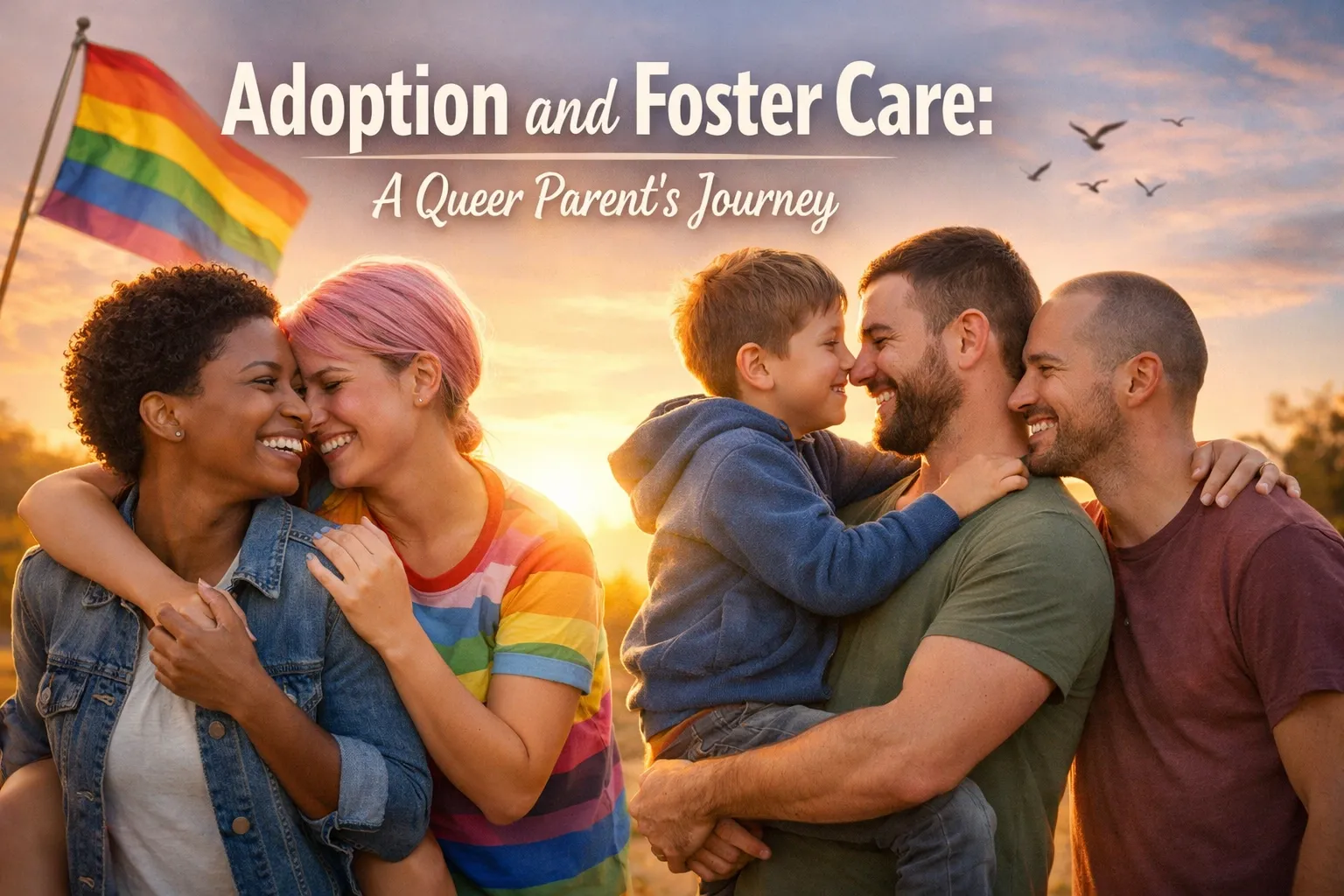
Let’s be real for a second: for many of us in the LGBTQ+ community, the "family talk" hits a little differently. While our straight friends might just stop using protection and see what happens, our journey toward parenthood usually involves a mountain of paperwork, a fleet of lawyers, and enough emotional resilience to power a small city. Whether you’re a single gay man looking to share your life, a trans couple ready to nurture the next generation, or a lesbian couple tired of everyone asking "which one of you is the mom," the path to parenthood is its own epic saga.
At Read with Pride, we spend a lot of time talking about the magic of MM romance books and the "happily ever afters" found in queer fiction. But today, we’re stepping out of the pages of our favorite gay romance novels and into the lived reality of building a family through adoption and foster care.
If you’ve ever felt like your life is a mix of a heartfelt contemporary novel and a high-stakes legal thriller, this guide is for you.
Choosing Your Adventure: The Three Main Paths
In the world of queer parenting, there isn't just one "right" way to build a family. It’s like picking a genre, do you want a cozy domestic story, or are you ready for the complex world-building of the foster system?
- Private Domestic Adoption: This is the "new release" of the adoption world. You’re typically working with an agency to be matched with an expectant parent. It’s often the path for those who want to be there from the very first breath, but it comes with a high "price tag" (think: the cost of a rare, signed first edition).
- International Adoption: This path has become increasingly difficult for the LGBTQ+ community in 2026 as global laws shift. It requires navigating the legalities of two different countries, and unfortunately, many countries still have restrictive "fine print" regarding queer parents.
- Foster-to-Adopt: This is the path we’re seeing more and more of our community take. It’s about opening your home to children who are already in the system. It’s low-cost, high-impact, and arguably the most profound way to practice "found family."

The Foster Care Journey: More Than Just a Supporting Role
According to recent data, about 25% of the 400,000 children in the U.S. foster care system are "legally free" for adoption. That means their biological parents' rights have already been terminated, and they are literally waiting for a "forever home."
For many queer folks, the foster system feels like a natural fit. We know what it’s like to feel displaced. We know what it’s like to need a soft place to land. Choosing to foster isn't just about becoming a parent; it's about providing a sanctuary. Plus, unlike private adoption, the foster-to-adopt path is usually free or very low-cost. In a world where we’re already spending our extra cash on the latest LGBTQ+ ebooks and steamy MM romance, financial accessibility matters.
The Home Study: The Most Intense Book Review of Your Life
If you thought getting a five-star review on Goodreads was hard, wait until you meet your social worker. The "Home Study" is the phase where a licensed professional comes into your home to make sure you aren't, well, a disaster.
They’ll look in your fridge. They’ll ask about your childhood. They’ll ask how you and your partner handle disagreements. It feels invasive, sure, but think of it as the ultimate "character development" arc. They aren't looking for perfection; they’re looking for stability, safety, and a whole lot of heart. If you can handle the "enemies to lovers" tension of a high-stakes M/M book, you can handle a social worker asking why you have so many pride flags in your guest room (answer: because representation matters, Brenda!).

Navigating Legal Realities in 2026
We have to talk about the "villains" in the story. Even in 2026, legal variations across states and countries can be a headache. Some private agencies still use "religious freedom" laws to deny placements to LGBTQ+ families. It’s frustrating, it’s unfair, and it’s why we have to be our own best advocates.
Before you sign with an agency, do your research. Ask them point-blank: "How many LGBTQ+ families have you successfully matched?" "Do you have specific training for your staff on queer identities?" You want an agency that views your queerness as an asset, not a hurdle. You deserve a support system that celebrates your identity as much as we celebrate a heartfelt gay fiction release.
For more tips on navigating complex queer narratives: both real and fictional: check out our post on 7 mistakes you're making with LGBTQ character development. Understanding how we are portrayed helps us navigate how we are perceived in these professional spaces.
Representation on the Bookshelf (and in the Living Room)
Once the child arrives, the work of being a "Read with Pride" parent really begins. One of the most important things you can do for a foster or adopted child: especially if they also identify as LGBTQ+ or come from a diverse background: is to surround them with stories that mirror their life.
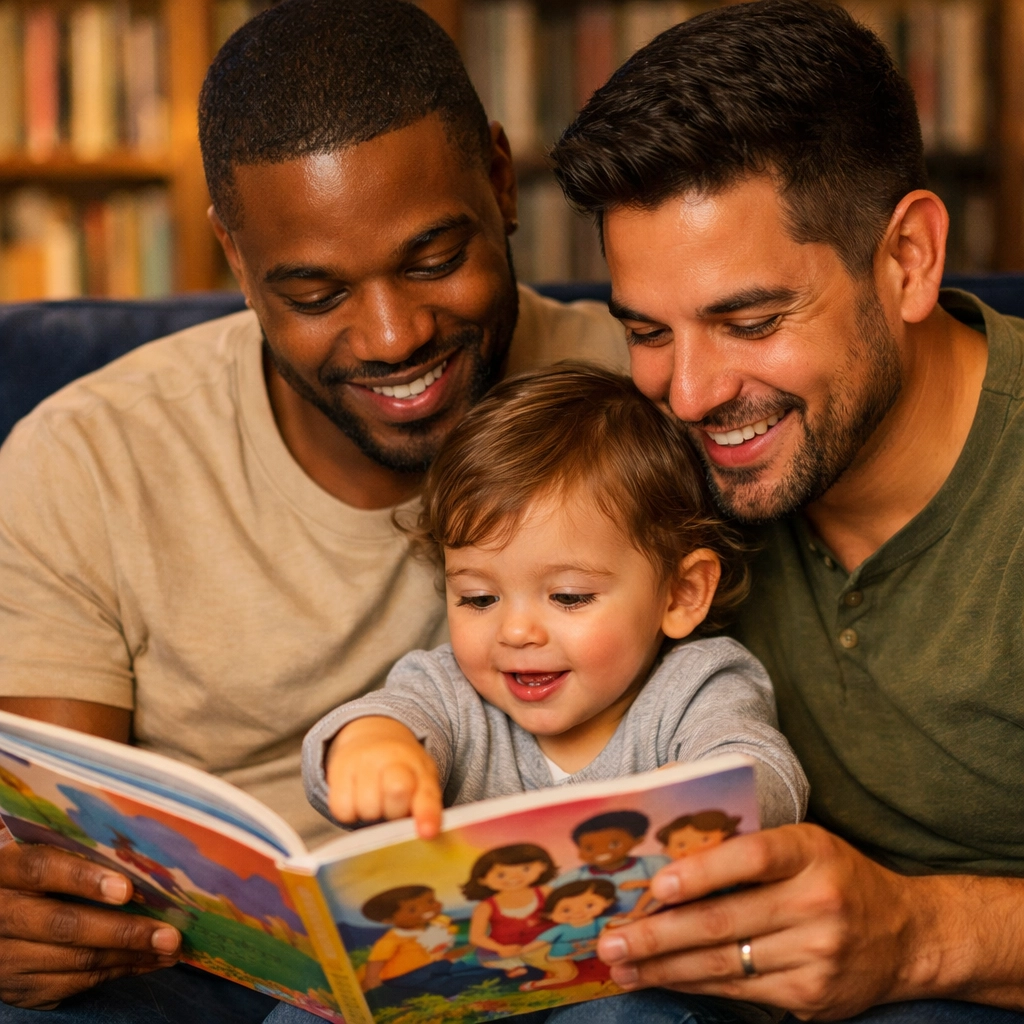
The "Bury Your Gays" trope is dead and buried (thank goodness). In its place, we need books that show queer parents doing the laundry, going to PTA meetings, and surviving toddler tantrums. We need children's books where having "two dads" is just a normal part of the plot, not the entire point of the story.
If you’re looking for 2026 gay books that celebrate diverse family structures, or perhaps a gay romance series to unwind with after a long day of parenting, our store is always open.
Advice from the Trenches: Tips for the Queer Parent-to-Be
- Find Your Village: You need a "chosen family" of other queer parents. Join a gay book club that doubles as a support group. You’ll need people who understand the specific joy of explaining your family tree to a confused school administrator.
- Patience is a Virtue (and a Requirement): Whether it's the 2-5 year wait for a foster-to-adopt finalization or the wait for a birth parent to choose you, the "slow burn" is real.
- Be Prepared for the Emotional Weight: These children often come with trauma. Your job isn't just to be a "parent"; it's to be a healer. It's the most rewarding "forced proximity" trope you'll ever experience.
- Keep the Romance Alive: Don't let your relationship get lost in the sea of diapers and court dates. Keep reading those top LGBTQ+ books together. A little MM contemporary fluff is great for stress relief!
The Final Chapter: Coming Home
There is no feeling quite like the day the judge signs the final adoption decree. It’s the ultimate "Happy Ever After." It’s the moment the "foster" label drops and the "parent" label becomes permanent.
At Readwithpride.com, we believe every queer person deserves a story they can see themselves in. Sometimes that story is a gay fantasy romance set in a far-off kingdom, and sometimes it’s the story of a Tuesday morning in the suburbs, making pancakes for a child who finally knows they are home.
Building a family through adoption or foster care is an act of hope. It’s a way of saying that our future is bright, our love is valid, and our community is growing. So, whether you’re just starting to research or you’re currently in the middle of a home study, keep going. Your "forever match" is out there, and they’re waiting for a hero just like you.
Stay authentic, stay proud, and keep reading.
Connect with us and join the community:
- Follow our journey on Facebook
- Get daily updates on X (Twitter)
- See our favorite bookish aesthetics on Instagram
- Explore more at readwithpride.com
#LGBTQParenting #AdoptionJourney #FosterCare #QueerFamily #ReadWithPride #MMRomanceBooks #GayRomance #FoundFamily #LGBTQCommunity #2026Books

Leave a Reply
You must be logged in to post a comment.