readwithpride.com
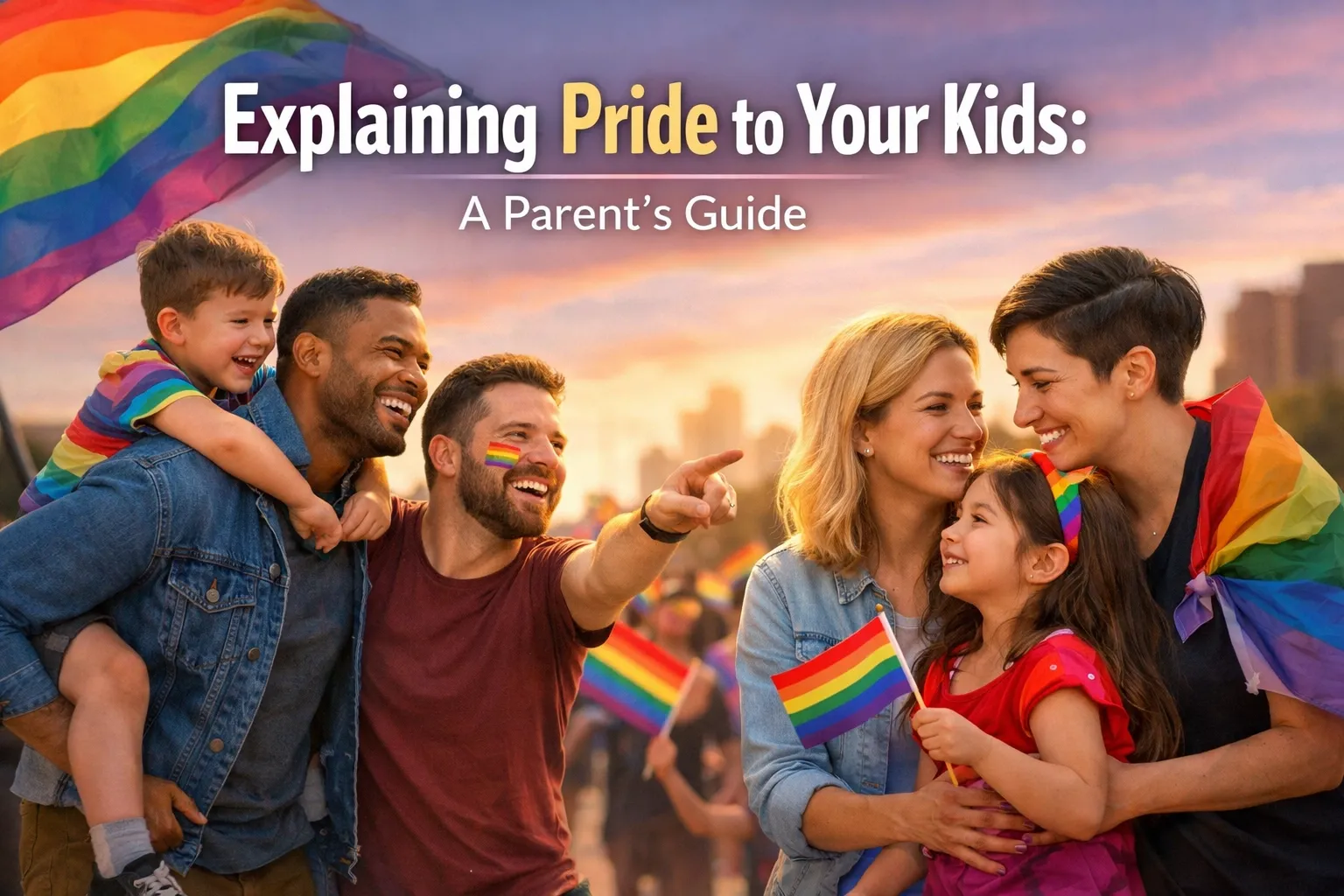
So, the rainbows are out, the glitter is practically a localized weather event, and your kid just asked, "Why is everyone wearing those flags?" Maybe you’re a queer parent yourself, or maybe you’re an ally trying to raise a human who isn't a jerk. Either way, the "Pride Talk" can feel a bit daunting.
Spoiler alert: It’s actually one of the easiest and most rewarding conversations you'll ever have.
At Read with Pride, we believe that stories are the bridge to understanding. Whether you're diving into LGBTQ+ fiction or looking for the best MM romance books of 2026 for your own nightstand, the core message is the same: love is love, and everyone deserves to be seen. Here’s how to break down the magic, the history, and the "why" of Pride for your little (and not-so-little) ones.
Start with the "Why": Pride as a Party with a Purpose
The simplest way to explain Pride to a child is to describe it as a big, colorful birthday party for the right to be yourself.
For the tiny humans (toddlers and preschoolers), you don't need to get into the weeds of socio-political theory. Keep it centered on the concept of family and authenticity. You might say:
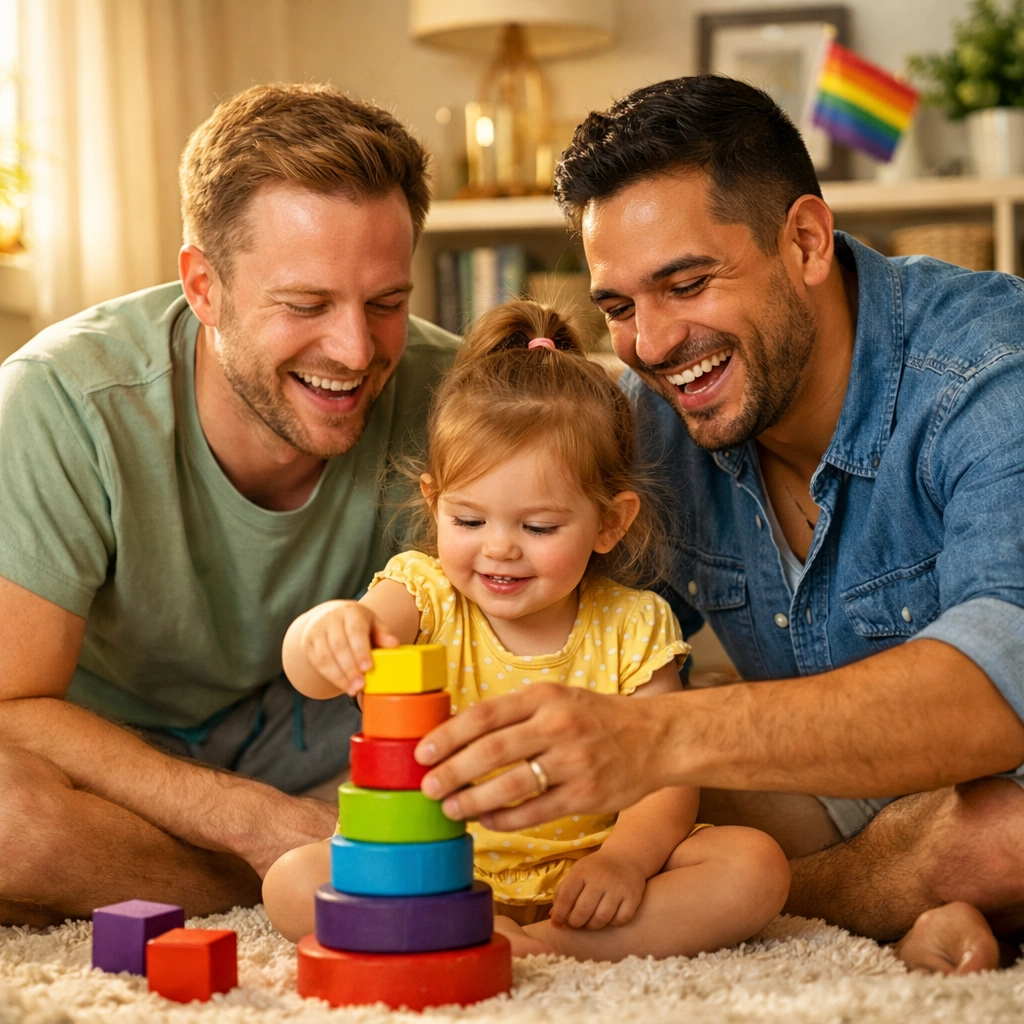
"Pride is a time when we celebrate that every person is special. Some families have a mommy and a daddy, some have two mommies, some have two daddies, and some have one parent. Pride is a way to say that all those families are beautiful and that it’s okay to love whoever makes your heart happy."
Kids get this. They really do. To a four-year-old, the idea that someone might be "mean" because of who someone loves is way more confusing than the idea of two dads. By using Readwithpride as a resource for diverse picture books, you can show them these families rather than just telling them about them.
The "History Lesson" (Without the Boring Parts)
As kids get older (elementary age), they start to understand the concept of fairness. This is the perfect hook for talking about the history of Pride.
You can explain that a long time ago (and unfortunately, in some places, still today), there were laws that said people couldn't hold hands or dance with someone of the same gender. People were told they had to hide who they were.
Mention the Stonewall Uprising. You don’t need to describe a riot in graphic detail, but you can say:
"In 1969, at a place called the Stonewall Inn, people finally said 'enough is enough.' They decided they weren't going to hide anymore. Brave people, especially Black and Brown trans women like Marsha P. Johnson and Sylvia Rivera, stood up and demanded that they be treated with respect. That was the spark that started the Pride parades we see today."
Linking this to current themes in queer fiction or gay historical romance can help older kids see the timeline of progress. It turns "history" into a living, breathing story of courage.
Age-Appropriate Breakdowns: From Tot to Teen
Every age group requires a slightly different lens. Here’s a quick cheat sheet for your 2026 Pride season:
Birth to Age 5: The "Love is Love" Phase
- Focus: Diverse family structures and self-expression.
- Action: Read books featuring diverse families. Check out Readwithpride.com for recommendations on inclusive storytelling.
- Key Phrase: "Everyone gets to be who they are."
Ages 6 to 11: The "Fairness and Rights" Phase
- Focus: History, the meaning of the different flags, and being an ally.
- Action: Attend a family-friendly Pride event or a library drag queen story hour.
- Key Phrase: "We celebrate Pride because everyone deserves to be treated fairly, no matter who they love or how they identify."
Ages 12+: The "Identity and Allyship" Phase
- Focus: Intersectionality, current events, and supporting friends.
- Action: Discussing LGBTQ+ ebooks or popular gay books they might see on TikTok (BookTok is huge for a reason!).
- Key Phrase: "Pride is both a celebration of how far we’ve come and a reminder that there’s still work to do for equality."
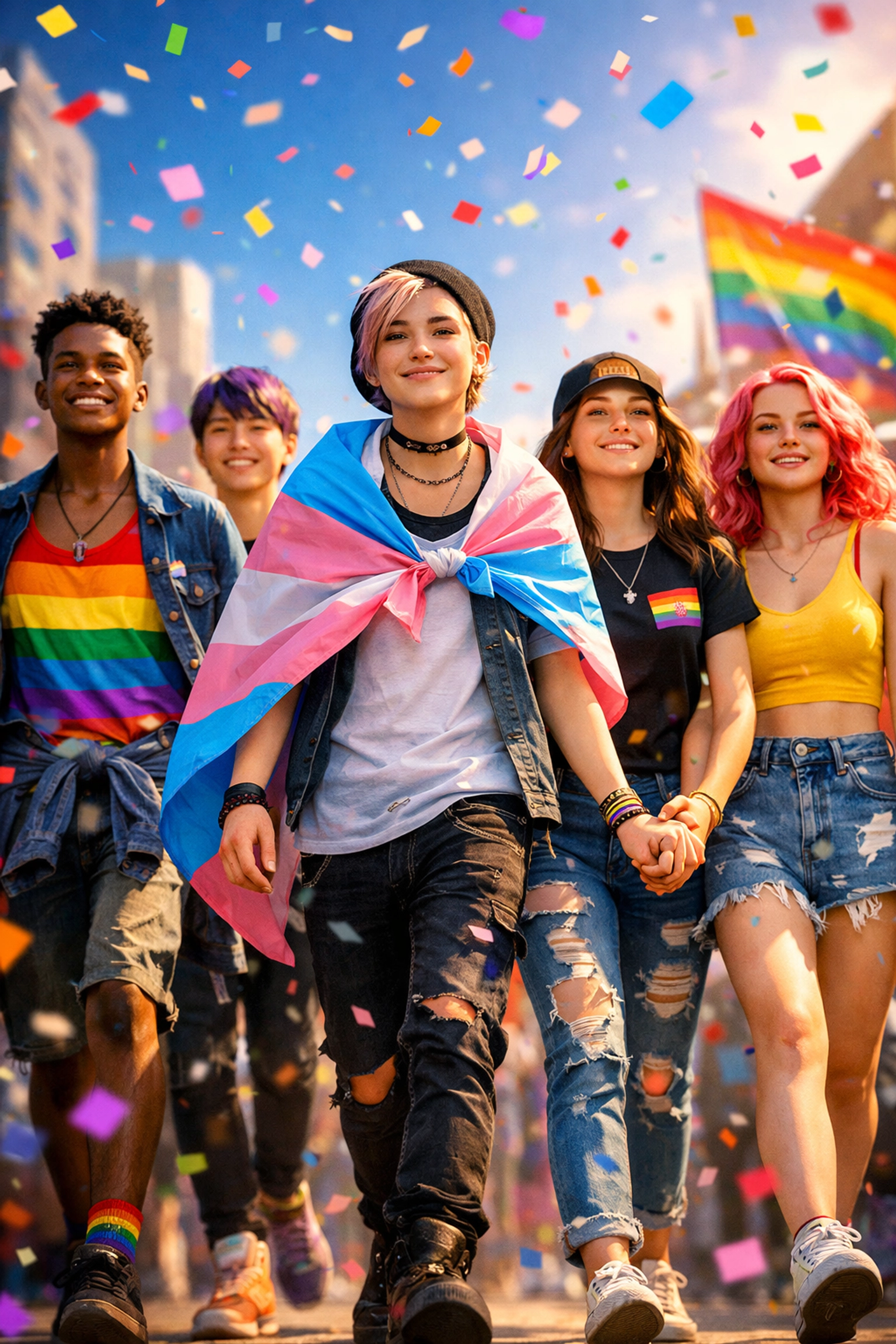
Addressing the "Tough" Questions
Kids are curious, and they will eventually hit you with a question that makes you pause. Don't sweat it. Authenticity is better than a "perfect" answer.
"Why isn't there a Straight Pride?"
This is a classic. A great way to explain this is through the "Band-Aid" analogy. If your sister has a scraped knee and needs a Band-Aid, you don't get one too just to be "equal." You get a Band-Aid for the person who is hurting. Pride is for a community that has been hurt and treated unfairly for a long time. It’s their time to feel safe and celebrated.
"What does the 'T' or 'Q' stand for?"
Keep it simple. "Transgender means someone’s heart and brain tell them they are a different gender than what the doctor said when they were born. Queer is a word that many people use to say they are part of the big LGBTQ+ family."
If you're ever stuck on character definitions, we actually have a great guide on LGBTQ+ character development that breaks down tropes and identities in a way that’s super helpful for parents and writers alike.
Why Representation Matters in Your Home Library
One of the best ways to normalize Pride is to make sure your bookshelves aren't just "straight and cis-coded." You don't need to wait for June to talk about these things. Having gay romance novels, MM contemporary stories, and LGBTQ+ fiction around the house: even for yourself: shows your kids that these stories are a normal, valued part of life.
In 2026, we’re seeing an explosion of genre-bending MM romance and gay fantasy romance that isn't just about the "coming out" struggle but about queer people living extraordinary lives. When kids see characters who are spies, wizards, or CEOs who also happen to be gay, it removes the "otherness" of the identity.
Check out some of our new gay releases to find stories that resonate with your family's values.
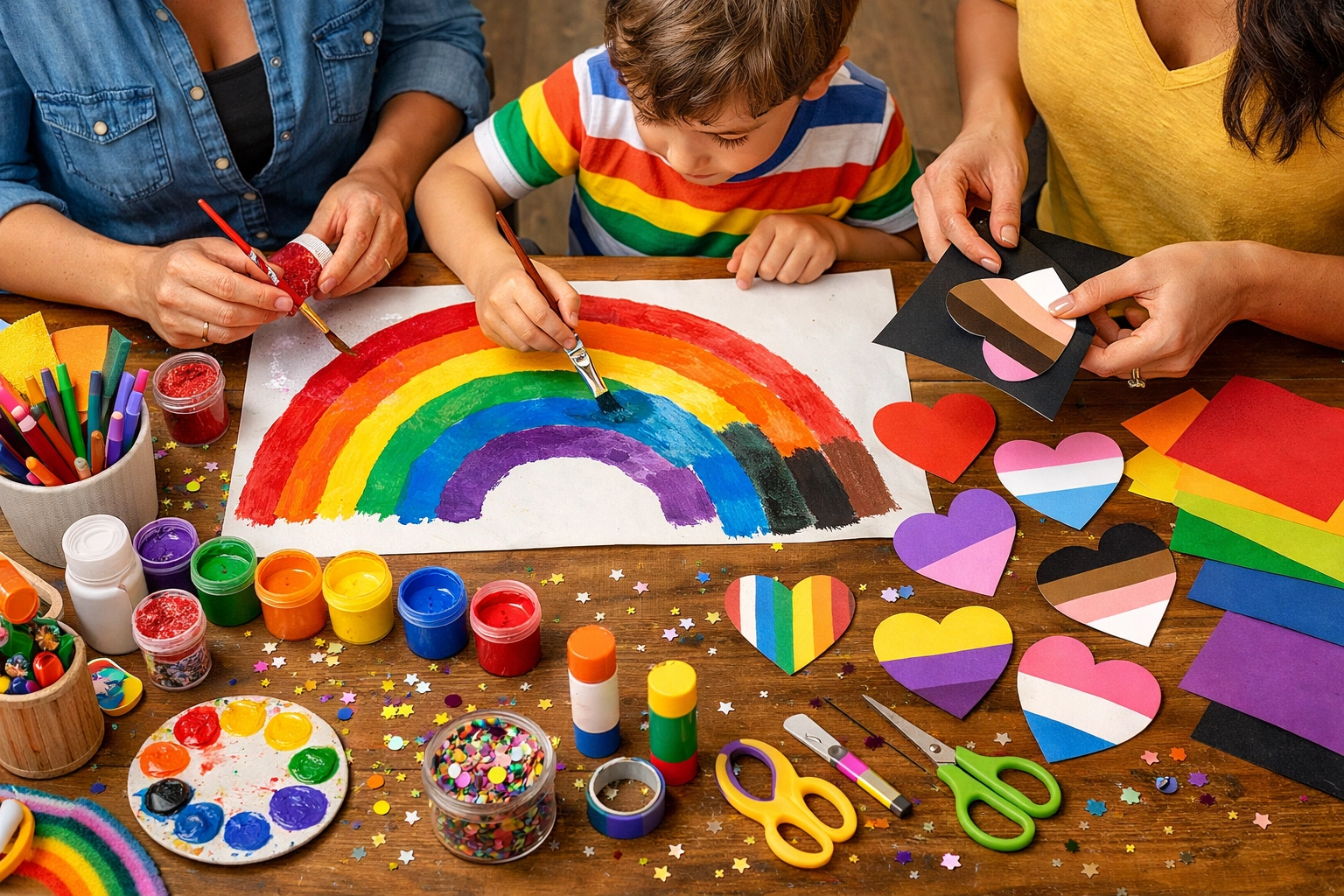
5 Fun Ways to Celebrate Pride with Kids
- Rainbow Craft Day: Make your own flags! Explain that the original rainbow flag was designed by Gilbert Baker and each color has a meaning (like red for life and orange for healing).
- The Pride Playlist: Crank up some queer icons! From classics to the latest 2026 hits, music is a great way to feel the joy of the community.
- Support Local: Visit a queer-owned bookstore or cafe. Show your kids that supporting the community happens with our wallets and our presence.
- Bake with Pride: Rainbow cupcakes? Yes, please. It’s a great way to talk about how all the different colors come together to make something delicious.
- Read Together: This is our favorite (obviously). Pick a gay love story or a heartfelt gay fiction piece and read it together. Even if it’s a YA novel you’re reading alongside your teen, it creates a shared language.
Conclusion: Lead with Love
At the end of the day, explaining Pride to your kids isn't about giving them a sociology degree. It’s about teaching them empathy. It’s about showing them that at Readwithpride.com, and in the world at large, there is space for everyone.
When we share gay fiction or discuss the top LGBTQ+ books, we are telling our children that their identity: whatever it may be: is valid. We are telling them that their friends’ families are valid. And most importantly, we are telling them that love is a thing to be celebrated, never hidden.
So, grab the glitter, find a great MM romance book, and get ready to celebrate. Pride is for everyone.
Want more recommendations?
Check out our latest curated lists:
- Why everyone is talking about genre-bending MM romance
- New 2026 Gay Books to Add to Your TBR
- The ultimate guide to MM novels for beginners
#ReadWithPride #LGBTQParenting #Pride2026 #GayRomanceBooks #TeachLove #InclusiveBooks #MMRomance #QueerFiction
Follow us for more updates:
Facebook | Instagram | X (Twitter)

Leave a Reply
You must be logged in to post a comment.