
readwithpride.com
Let’s be real for a second: the standard 9-to-5 corporate grind was never really built with us in mind. For decades, the "traditional" workplace has been a place of fluorescent lights, beige cubicles, and: all too often: the subtle (or not-so-subtle) pressure to leave our true selves at the door. It’s no wonder that so many of us in the LGBTQ+ community have flocked to the gig economy like it’s the last remaining oasis in a desert of corporate conformity.
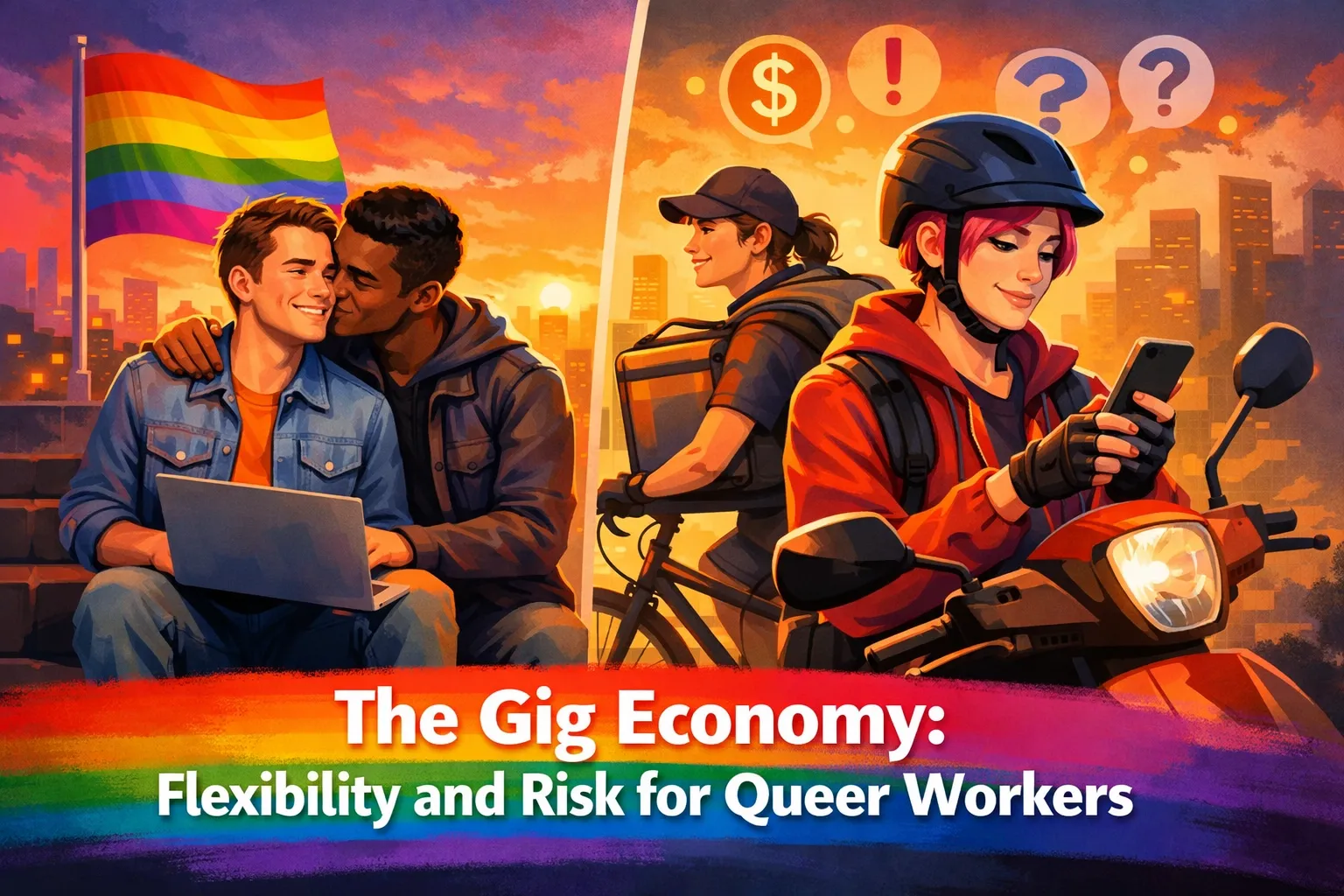
As we navigate 2026, the hustle is more real than ever. Whether you’re driving for a ride-share app, freelancing as a graphic designer, or self-publishing your own MM romance books on platforms like Read with Pride, the gig economy offers a siren song of freedom. But as any seasoned freelancer will tell you, that freedom often comes with a side of "What the hell am I going to do about health insurance?" and "Why did that client ghost me after seeing my Pride flag?"
Today, we’re diving deep into the glittering highs and the murky lows of gig work for queer folks. Grab your coffee (or your iced matcha, we don't judge), and let's talk about the risks, the rewards, and how to survive the hustle.
The Lure of the Laptop: Why We Choose the Hustle
For many in our community, the gig economy isn't just about "being your own boss." It’s about survival and sanity. If you’ve ever had to sit through a "diversity training" that felt like a slap in the face, or if you’ve had to navigate the minefield of which bathroom to use at a corporate HQ, you know exactly why the idea of working from home is so appealing.
1. Curating Your Own Environment
When you work for yourself, you set the vibe. You decide if your "office" is decorated with drag race memorabilia or if you’re working in a t-shirt that says "Gay and Proud" without a HR representative giving you a side-eye. This level of psychological safety is priceless. For trans and non-binary workers, especially, gig work can be a sanctuary from the daily microaggressions of a traditional office.
2. Flexibility for the "Real" Work
Let’s be honest: many of us are multi-hyphenates. You’re a barista by day, but you’re writing the next great gay romance novels by night. The gig economy allows us to structure our lives around our passions. It gives us the space to attend rallies, perform in drag shows, or simply take a mental health day when the world feels like a lot.

The Cold, Hard Truth: Discrimination in the Gig World
Now, let’s spill the tea on the risks. Just because there isn't a "boss" doesn't mean there isn't bias. Recent research has shown that the gig economy can actually amplify certain types of discrimination because of the lack of oversight.
The Physical Proximity Bias
Studies from early 2026 have highlighted a disturbing trend: physical proximity-based discrimination. In experiments across major cities, workers were significantly less likely to accept tasks posted by gay-coded profiles if the job required being in close physical contact. We see this in everything from home repairs to specialized delivery services. If the person hiring or being hired is visibly queer, the "engagement" drops.
The Tip Gap and Client Ghosting
It’s not just about getting the job; it’s about getting paid. Data suggests that queer gig workers face a "tip discrimination" rate of up to 15% on major platforms. Furthermore, nearly 30% of queer freelancers report losing a client once their identity became known. It’s the digital version of the "glass ceiling," and it’s just as frustrating.
Financial Risk: The High Cost of Independence
Living the gig life means you are the CEO, the CFO, and the janitor. For a community that already faces higher rates of poverty and unemployment, this can be a dangerous game.
- The Lack of a Safety Net: No 401k, no employer-sponsored health insurance, and no paid sick leave. When you're a queer worker, these gaps feel even wider. If you’re navigating gender-affirming care or mental health support, the out-of-pocket costs can be staggering.
- The "Bury Your Hustle" Trope: Much like the "Bury Your Gays" trope in old fiction, there’s a narrative that we should just be happy to have any work at all. But we deserve more than just "getting by." We deserve financial thriving.

The Intersection of Art and Labor
One area where the gig economy and the queer community have formed a beautiful, albeit complex, partnership is in the world of independent publishing. At Read with Pride, we see this every day. Authors who were told their stories were "too niche" for big publishing houses are now taking their careers into their own hands.
Whether you're writing steamy MM romance or gay historical romance, self-publishing is the ultimate gig. It allows you to reach your audience directly. However, the risks remain the same: you have to handle your own marketing, your own editing, and your own taxes. It’s a labor of love, but it’s still labor. If you’re looking for inspiration on how to balance character development with the business side of things, check out our guide on 7 mistakes you’re making with LGBTQ character development.
Surviving the Hustle: Tips for Queer Gig Workers
If you’re currently in the thick of the gig economy, or thinking about jumping in, here’s how to protect your heart and your wallet:
- Find Your Chosen Professional Family: Join groups for queer freelancers. Whether it's a Slack channel or a local meetup, having people who "get it" is essential for your mental health.
- Diversify Your Income: Don't put all your eggs in one app's basket. If you’re an author, look into LGBTQ+ ebooks and print-on-demand options. If you’re a designer, keep a mix of long-term retainers and one-off projects.
- Be Selective (When You Can): If a client feels "off" or gives you homophobic vibes during the discovery call, trust your gut. No paycheck is worth your dignity.
- Automate Your Savings: Use apps to automatically set aside money for taxes and "rainy day" funds. Future you will thank you.

Looking Forward: The Future of Queer Work in 2026
The gig economy isn't going anywhere. As we move further into 2026, the challenge for our community will be demanding better protections from the platforms we use while continuing to build our own independent spaces. We are a resilient bunch: we’ve had to be. We’ve turned "forced proximity" (a favorite MM romance trope, by the way!) into a strategy for building community in unexpected places.
We need to continue supporting queer-owned businesses and platforms that prioritize our voices. When you buy gay books or support a queer creator, you’re helping to sustain an ecosystem that values us. Check out the latest genre-bending releases to see how our community is turning their personal "hustle" into world-class art.
The gig economy is a double-edged sword, but with the right community support and a healthy dose of self-advocacy, we can make it work for us.
What’s your gig economy story? Have you found freedom or just more frustration? Let’s chat in the comments!
Stay proud, stay hungry, and keep reading.
Join the Community
For more stories that reflect your life and your loves, follow us across the web. We’re building a space where queer voices aren’t just a "niche": they’re the main event.
- Explore the Store: readwithpride.com
- Instagram: read.withpride
- X (Twitter): Read_With_Pride
- Facebook: Read with Pride
#LGBTQ #GigEconomy #QueerWork #ReadWithPride #MMRomance #GayBooks #FreelanceLife #QueerHustle #2026Trends #WorkEquality

Leave a Reply
You must be logged in to post a comment.