readwithpride.com
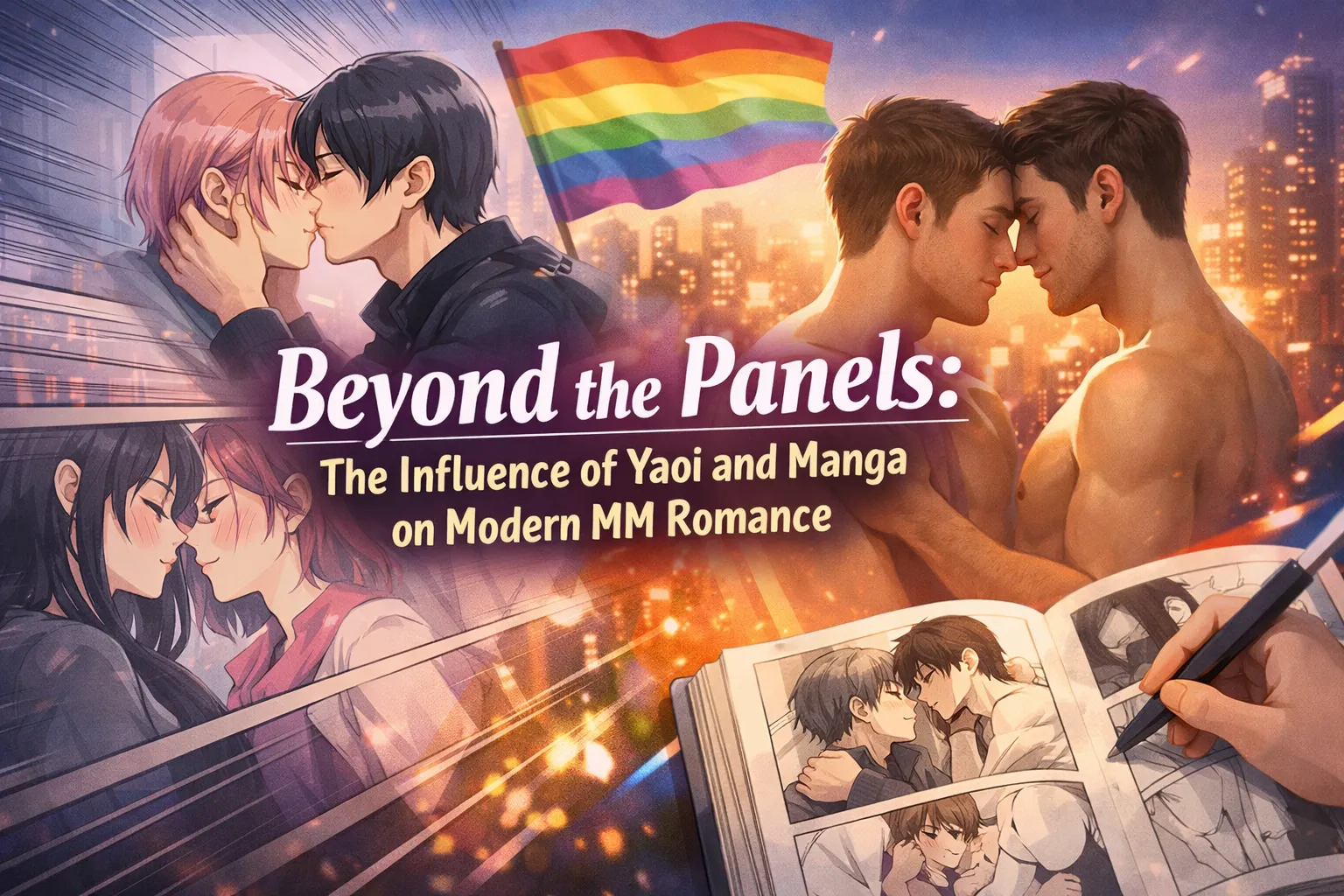
If you’ve ever found yourself spiraling down a rabbit hole of MM romance books, chances are you’ve encountered tropes that feel suspiciously familiar. The brooding protector, the accidental touch that feels like electricity, the "only one bed" dilemma: these aren't just happy accidents of the Western imagination. A huge chunk of the DNA in today’s gay romance novels comes straight from the ink-stained pages of Japanese manga, specifically the genres of Yaoi and Shōnen-ai.
At Read with Pride, we’re obsessed with how stories evolve. Whether you're a long-time "fujoshi" or a newcomer who just discovered LGBTQ+ fiction through a Kindle recommendation, understanding the influence of manga on modern M/M books is like finding the secret map to your favorite stories.
Let’s dive into how these black-and-white panels shaped the technicolor world of modern gay fiction.
The Roots: From Doujinshi to Global Phenomenon
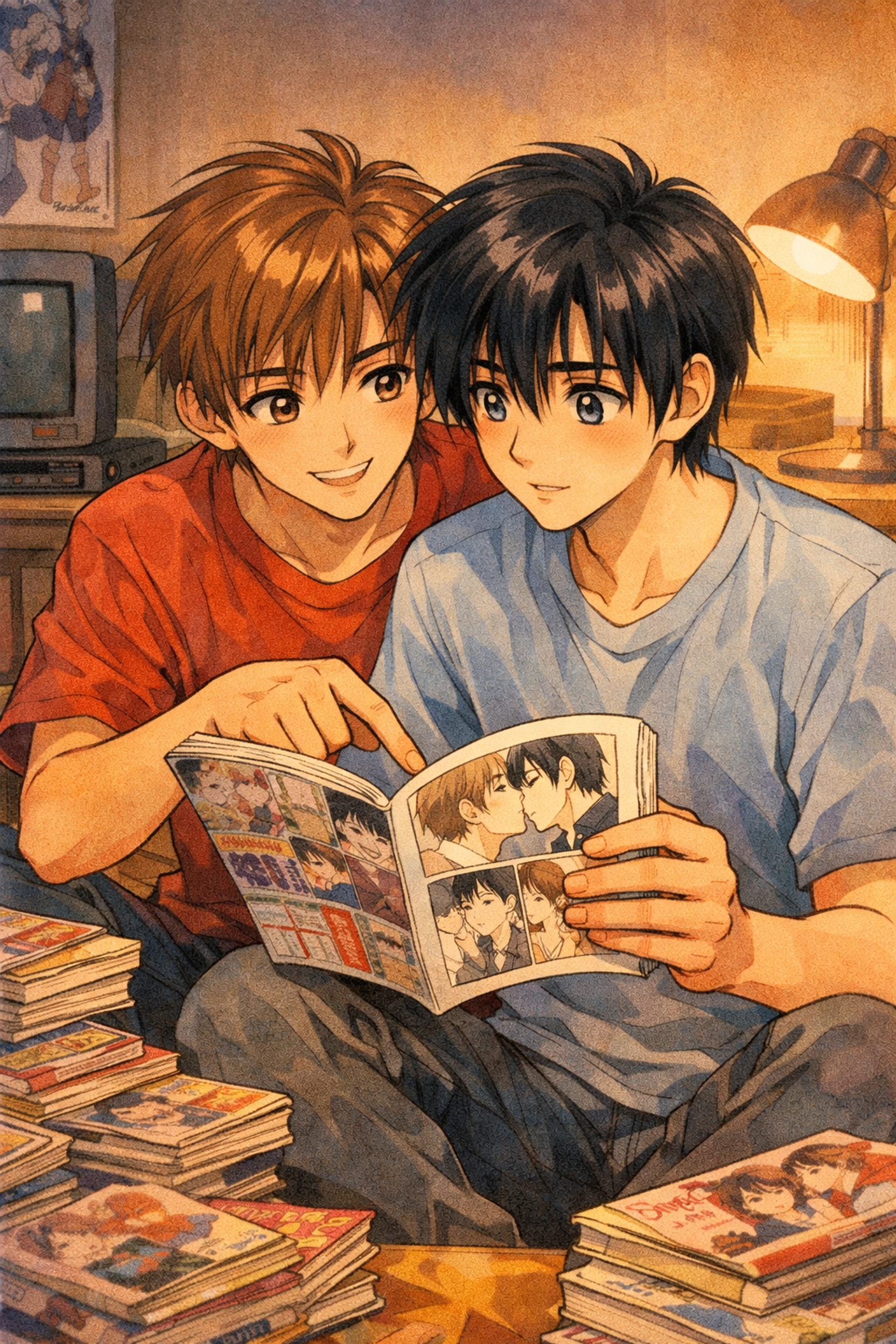
Before we had massive platforms for LGBTQ+ ebooks, we had doujinshi. Back in the late 1970s and 80s, Japanese fans (mostly women) started creating their own amateur comics. They would take popular male characters from mainstream anime: think Captain Tsubasa or Saint Seiya: and imagine them in romantic or erotic scenarios.
This wasn’t just about smut (though, let’s be real, that was a part of it); it was about reclaiming narrative space. It was a way to explore male-male intimacy in a culture that didn’t always provide those stories in the mainstream. By the 1990s, the internet allowed these stories to jump borders. "Scanslations": fan-translated versions of manga: introduced Western readers to a whole new way of looking at gay love stories.
Shōnen-ai vs. Yaoi: Finding Your Heat Level
In the world of manga, there’s a distinct line between "sweet" and "steamy," which perfectly mirrors how we categorize MM novels today.
- Shōnen-ai: Literally translating to "boy love," this sub-genre focuses on the emotional, the ephemeral, and the deeply romantic. It’s the "slow burn" of the manga world. Think of it as the precursor to the heartfelt, "no-heat" gay contemporary romance we see today.
- Yaoi: This is where things get explicit. Yaoi was built on a foundation of "Boys' Love" (BL) that didn't shy away from the physical.
Today, when you browse our category-sitemap, you’ll see the same spectrum. From the fluffy and emotional to the steamy MM romance that keeps you up until 3 AM, the blueprint was laid out in the 80s and 90s by creators who knew that readers wanted both heart and heat.
The Archetypes: Seme, Uke, and Modern Trope Culture
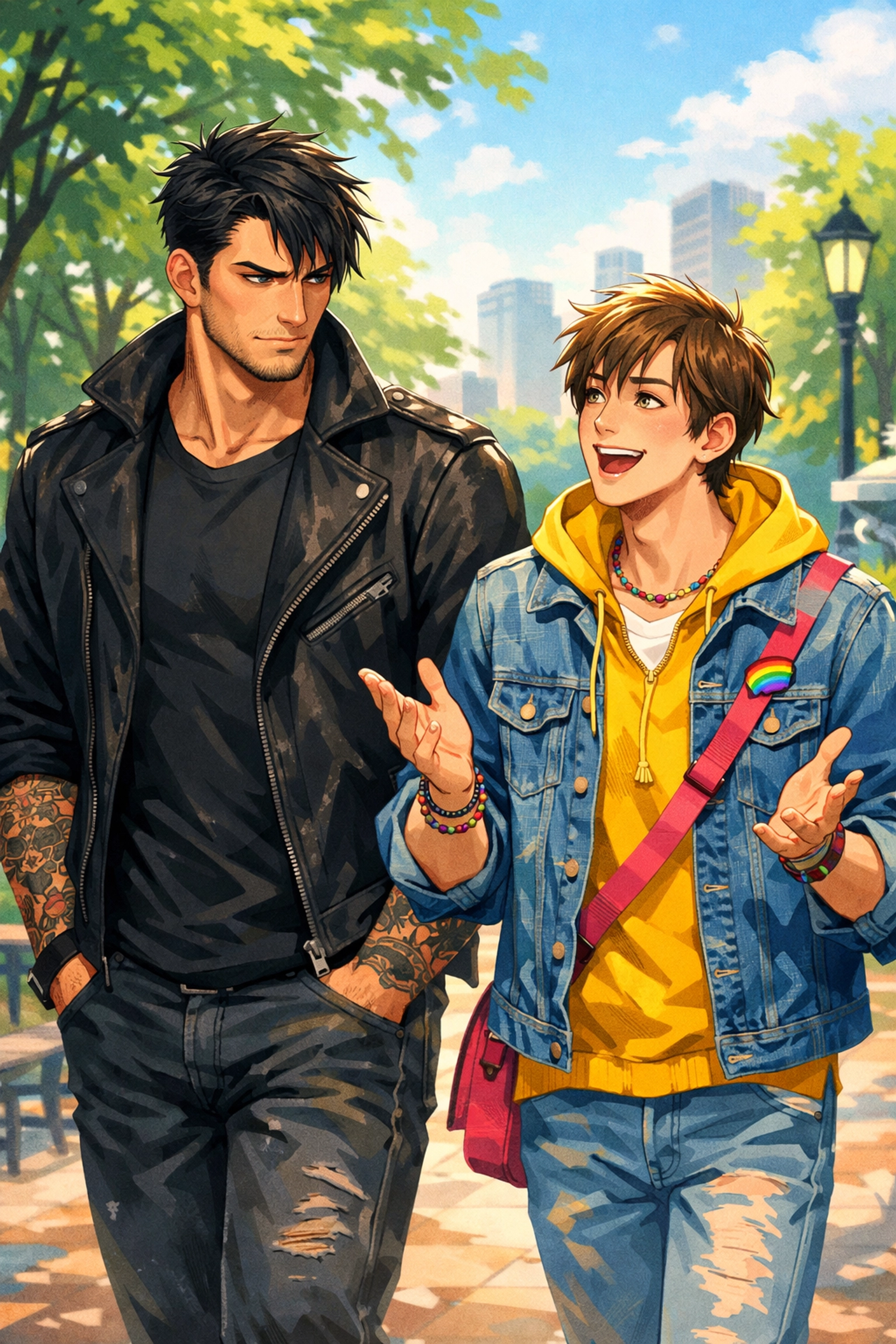
If you’ve ever read a gay romance book where one guy is the "Grumpy" and the other is the "Sunshine," you’re seeing a modernized version of the Seme and Uke dynamics.
In traditional BL manga, the Seme (the attacker/leader) was typically taller, more masculine, and emotionally guarded. The Uke (the receiver) was often depicted as more expressive, perhaps smaller, or more "feminine" in his reactions. While modern MM romance has (thankfully!) moved toward more versatile and nuanced characterizations, these foundational archetypes helped establish the "opposites attract" dynamic that remains the backbone of the best MM romance titles in 2026.
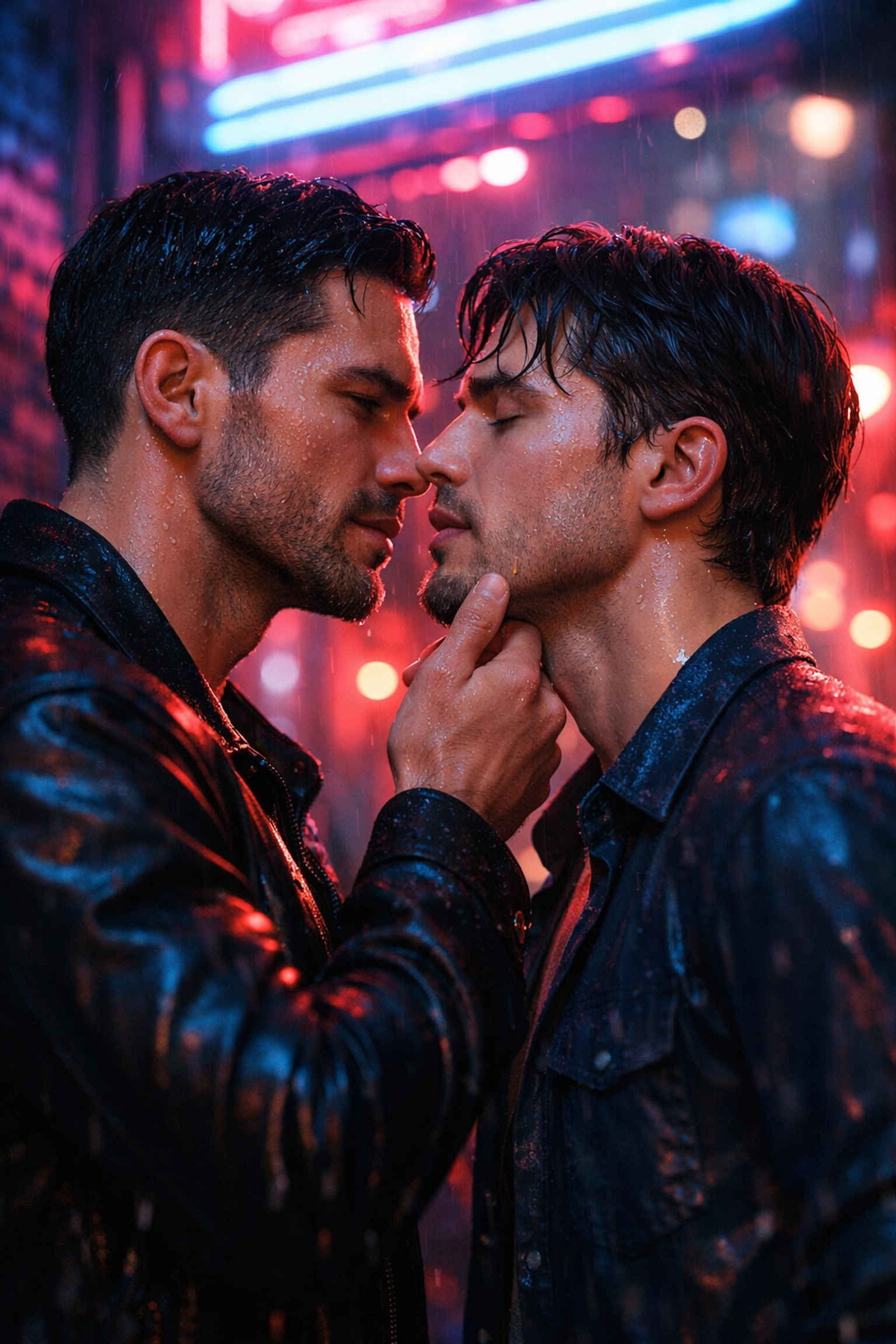
Why the "Female Gaze" Matters
One of the most fascinating aspects of the Yaoi influence is its primary audience. Traditionally, BL was created by women, for women. This "female gaze" shifted the focus from the purely physical to the deeply psychological and emotional. It allowed for a safe exploration of power dynamics, vulnerability, and romantic intensity.
As Read with Pride continues to champion queer authors and MM authors, we see this influence persisting. Many of the most popular gay romance series today are written by authors who grew up reading manga. They’ve taken those high-stakes emotional beats and translated them into prose that resonates with women, non-binary readers, and gay men alike. It’s an inclusive, community-driven evolution that prioritizes feeling over formula.
The 2026 Shift: Webtoons and the Visual Future
We aren't just looking at the past; the future of LGBTQ+ reading is more visual than ever. With the massive success of graphic novels like Heartstopper (which arguably has a direct stylistic lineage to Shōnen-ai), the line between prose and panels is blurring.
Webtoons and vertical-scrolling comics have become the new frontier for MM fiction. They’ve taken the fast-paced, trope-heavy storytelling of manga and made it accessible on your phone. This has influenced prose writers to think more cinematically: focusing on "visual" moments and high-tension cliffhangers that feel like they belong at the end of a chapter in a manga volume.
The Impact on Tropes: More Than Just Romance
The influence of manga isn't limited to contemporary settings. Just look at the explosion of gay fantasy romance and MM historical romance.
- Omegaverse: Love it or hate it, the Omegaverse trope (found in many MM novels) has deep roots in Japanese and Korean fan culture.
- Historical Settings: The "tragic beauty" of historical settings in manga paved the way for the lush, emotional gay historical romance we see today. Check out our 20th-century historical romance section to see how those vibes translate to prose.
- Action & Adventure: Manga loves a "partners in crime" or "bodyguard" setup, which has directly fed into the popularity of gay thriller and gay spy romance novels. You can find plenty of high-stakes action in our adventure romance category.
Why We Still Love It
At the end of the day, Yaoi and manga taught us that gay love stories deserve to be epic. They can be messy, they can be over-the-top, and they can be incredibly tender. They broke the mold of what "traditional" romance was supposed to look like and gave us permission to crave something different.
As we look at the new gay releases of 2026, the influence is everywhere. From the way a cover is designed to the specific "slow burn" pacing of a story, the spirit of the manga panels lives on in every page of our favorite MM romance books.

Ready to Find Your Next Obsession?
If you’re looking for stories that capture that high-energy, high-emotion manga feel, we’ve got you covered. Whether you want a gay contemporary romance or a deep dive into alternative family dynamics, our library is growing every day.
Explore more on Read with Pride:
- Browse our top LGBTQ+ books.
- Check out our eBook store for the latest releases.
- Follow the journey of your favorite MM authors.
Stay authentic, stay proud, and keep reading!
Follow us for more queer bookish content:
- Facebook: Read with Pride
- Instagram: @read.withpride
- X (Twitter): @Read_With_Pride
- Website: readwithpride.com
#ReadWithPride #MMRomance #Yaoi #MangaInfluence #GayRomanceBooks #LGBTQFiction #QueerBooks2026 #BLManga #GayLoveStories #BookishCommunity

Leave a Reply
You must be logged in to post a comment.