

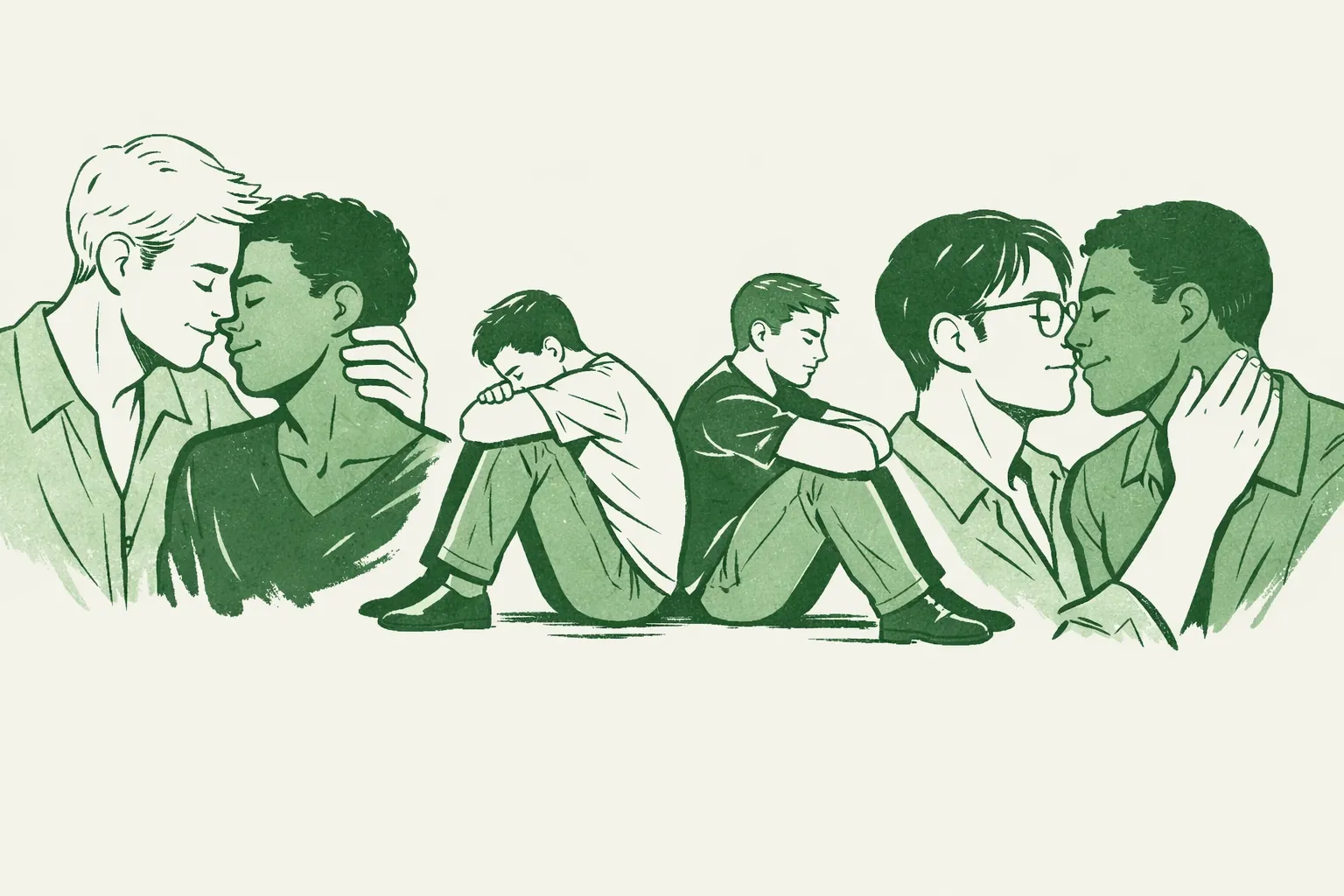
Welcome back to the blog! It’s Monday, March 9, 2026, and here at eBooks by Dick Ferguson, we are kicking off the week with a deep dive into allyship. Whether you’re a long-time fan of MM romance or you’re just starting to explore the vast world of LGBTQ+ ebooks, understanding the full spectrum of our community is vital.
Today, we’re looking at a segment of the community that often gets overlooked in gay literature: the asexual (Ace) and aromantic (Aro) community. We’re starting this discussion with a foundational piece: A Guide to Understanding Asexuality and Aromanticism for Allies.
If you’ve been hanging out in the gay book club circles or scrolling through popular gay books, you might have noticed more Ace and Aro representation lately. But being an ally means more than just reading a book; it means checking our own biases. Here are seven common mistakes people make when trying to support Ace and Aro folks, and exactly how you can fix them.
1. Conflating Asexuality and Aromanticism
One of the biggest hurdles for allies is treating "Ace" and "Aro" as if they are the same thing. In the world of queer fiction, we often see characters who are both, but that’s not always the case in real life.
The Mistake: Assuming that if someone doesn’t want sex, they don’t want romance, or vice versa. This leads to a lot of confusion, especially when readers encounter M/M books featuring an asexual man who is still deeply romantic and looking for his "happily ever after."
How to Fix It: Recognize that these are two distinct identities. Asexuality is about a lack of sexual attraction. Aromanticism is about a lack of romantic attraction. A person can be asexual but still experience intense romantic love for other men. Conversely, a man can be aromantic but still enjoy sexual relationships. When we separate these concepts, we validate the lived experiences of so many in our community.
2. Denying Their Orientation Is Legitimate
We’ve all seen the tropes in gay novels where a character just needs "the right guy" to fix them. While that works for a high-angst "awakening" trope, applying it to real Ace and Aro people is harmful.
The Mistake: Suggesting that asexuality or aromanticism isn’t "real" or that it’s just a symptom of trauma or a medical issue. This kind of pathologizing is dangerous and can even lead to "corrective" violence.
How to Fix It: Accept that these are inherent orientations, just like being gay or bisexual. You wouldn’t tell a gay man he just "hasn't found the right woman," so don’t tell an Ace man he hasn't found the right partner. Respect their identity as a fundamental part of who they are, not a problem to be solved.
3. Asking Invasive Questions About Their Identity
When a friend or a fellow reader in the MM fiction community comes out as Ace or Aro, your first instinct might be curiosity. But there’s a line between being curious and being intrusive.
The Mistake: Asking questions about their private life, their history of trauma, or "how they know" if they haven’t tried certain things. It turns their identity into a debate rather than a disclosure.
How to Fix It: Treat their coming out with the same respect you’d give any other identity. If they want to share details, they will. Focus on being a supportive listener. Instead of "How does that work?", try "Thank you for sharing that with me. How can I best support you as a friend/ally?"
4. Using the "Right Person" Argument
This is the cousin of Mistake #2, and it is rampant in gay love stories. We love a story where a cold heart is melted, but we shouldn't project that onto actual people.
The Mistake: Saying, "You just haven't met the right person yet." This implies that their current identity is just a waiting room for a "normal" relationship.
How to Fix It: Believe them when they tell you who they are right now. Aromanticism and asexuality aren't "phases." By accepting them as they are, you allow them to exist without the pressure of conforming to societal expectations of what a relationship should look like.

5. Excluding Them from the LGBTQ+ Community
There is a lot of gatekeeping in queer spaces. You might have seen the "A" in LGBTQIA+ being mistakenly defined as "Ally."
The Mistake: Arguing that Ace and Aro people aren't "queer enough" because they might not face the same specific types of discrimination as others. This exclusion leaves them feeling like they don't belong in either the straight world or the queer world.
How to Fix It: Remember that the "A" stands for Asexual, Aromantic, and Agender. Ace and Aro people face erasure, amatonormativity, and pressure to conform to heterosexual norms. They are a vital part of our history and our community. Make sure your gay book recommendations and community discussions actively include Ace/Aro voices and stories.
6. Perpetuating Stereotypes About Their Capacity for Love
There’s a harmful stereotype that Ace and Aro people are "robots," "cold," or "broken." In MM romance books, we often prioritize the "heat" or the "grand romantic gesture," which can inadvertently reinforce the idea that without those things, a relationship isn't meaningful.
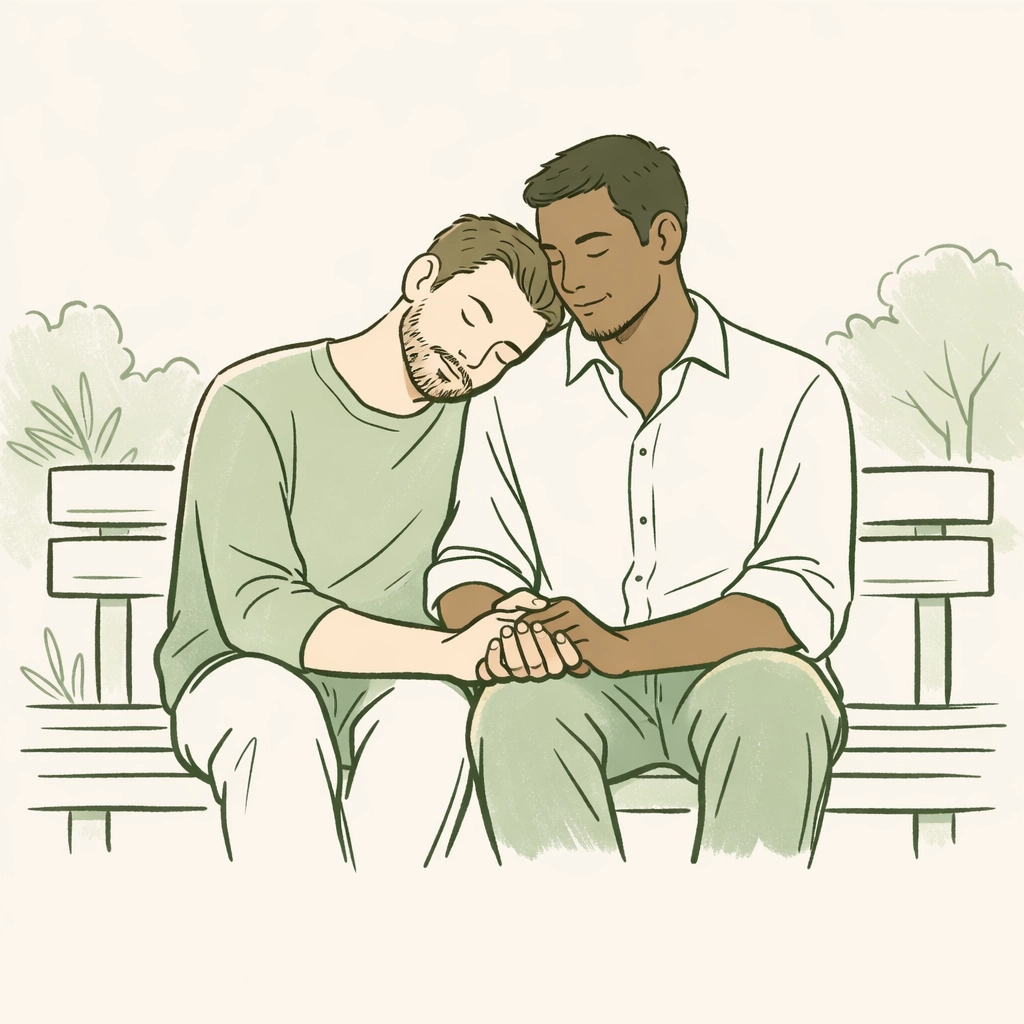
The Mistake: Assuming Ace or Aro people are incapable of forming deep, meaningful bonds. This erases the concept of Queerplatonic Relationships (QPRs), which are committed, non-romantic partnerships that are just as significant as a marriage.
How to Fix It: Educate yourself on the variety of ways people connect. Validate QPRs and other non-traditional relationship structures. In gay contemporary romance, we are seeing more authors explore these "found family" and "soulmate" connections that don't rely on sex or traditional romance. They are beautiful, valid, and deeply human.
7. Centering Romance and Sex as the "Human" Standard
We live in a world that tells us we aren't "complete" until we find "the one." This is called amatonormativity.
The Mistake: Acting as though a life without a romantic or sexual partner is a tragedy. This devalues the lives of Ace and Aro people and suggests they are missing out on the "best" part of being human.
How to Fix It: Decentralize romance in your worldview. Recognize that a person is whole and complete exactly as they are. Whether a man is looking for a steamy MM romance or is perfectly happy in a life of solitude or platonic friendship, his worth is the same.

Why This Matters for Readers of Read with Pride
As fans of gay fiction and MM romance, we have a unique opportunity to lead with empathy. Our favorite M/M books allow us to step into the shoes of people different from ourselves. By avoiding these seven mistakes, we ensure that our community remains a safe, welcoming, and inclusive space for everyone: including those who navigate the world without sexual or romantic attraction.
If you're looking for stories that challenge your perspective and offer deep emotional resonance, check out our latest releases. From gay historical romance to gay fantasy, we aim to provide LGBTQ+ fiction that speaks to every part of our vibrant community.
Explore our collection of gay eBooks and find your next favorite read at the link below:
👉 Visit the Read with Pride Store
Follow us on social media for more insights, book recommendations, and community love:
- Instagram: dickfergusonwriter
- X (Twitter): @DickFergus94902
- Facebook: Dick Ferguson Writer
- Official Site: www.readwithpride.com
#ReadWithPride #LGBTQBooks #MMRomance #AsexualPride #AromanticPride #GayFiction #QueerLiterature #Allyship #MMAuthors #GayBookClub
Proactive Suggestions for Dick Ferguson (Blog Post Ideas):
- The Rise of the "No-Heat" MM Romance: Why readers are falling in love with emotional-first, low-steam stories that focus on deep psychological connections.
- Queerplatonic Relationships in Gay Fiction: A guide to the best M/M books that celebrate the power of "found family" and platonic soulmates.
- Beyond the Bedroom: How to write compelling intimacy in gay novels without relying on explicit content( focusing on the "Emotionally Invested Reader.")

Leave a Reply
You must be logged in to post a comment.