

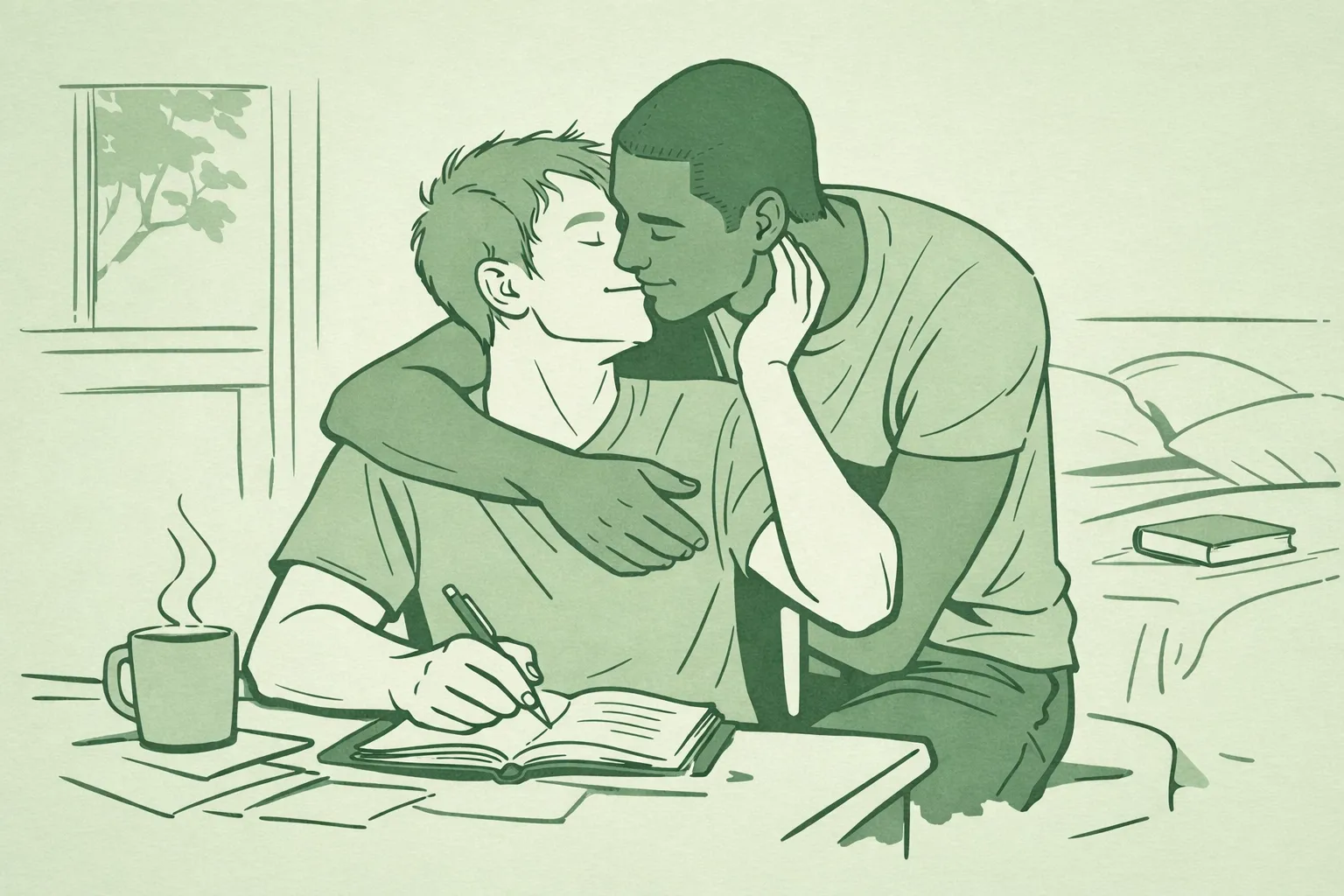
Writing isn't just about putting words on a page. It's about living in those emotional spaces: the messy, complicated, beautiful ones that make MM romance and queer fiction feel real. Over the years of crafting gay love stories and exploring LGBTQ+ relationships through novels like The Midnight Compass and The Price of Desire, I've learned some hard truths about what it takes to create emotional immersion.
Here are seven lessons I've picked up along the way: the unglamorous, honest bits that happen before a reader ever opens one of my gay romance books.

1. Vulnerability is a Two-Way Street
To make a reader feel it, I have to feel it first. There's no faking this part. When I write a scene where a character is falling apart: whether it's jealousy eating him alive or the quiet ache of unrequited longing: I have to step into that space myself. I have to let it hurt.
This isn't always comfortable. Sometimes it means sitting with emotions I'd rather avoid. But authentic gay fiction demands honesty, and honesty requires vulnerability. If I'm not willing to crack myself open a little, how can I expect my characters: or my readers: to do the same?
The best MM novels aren't written from a safe distance. They're written from the inside out.
2. The Power of the Unspoken
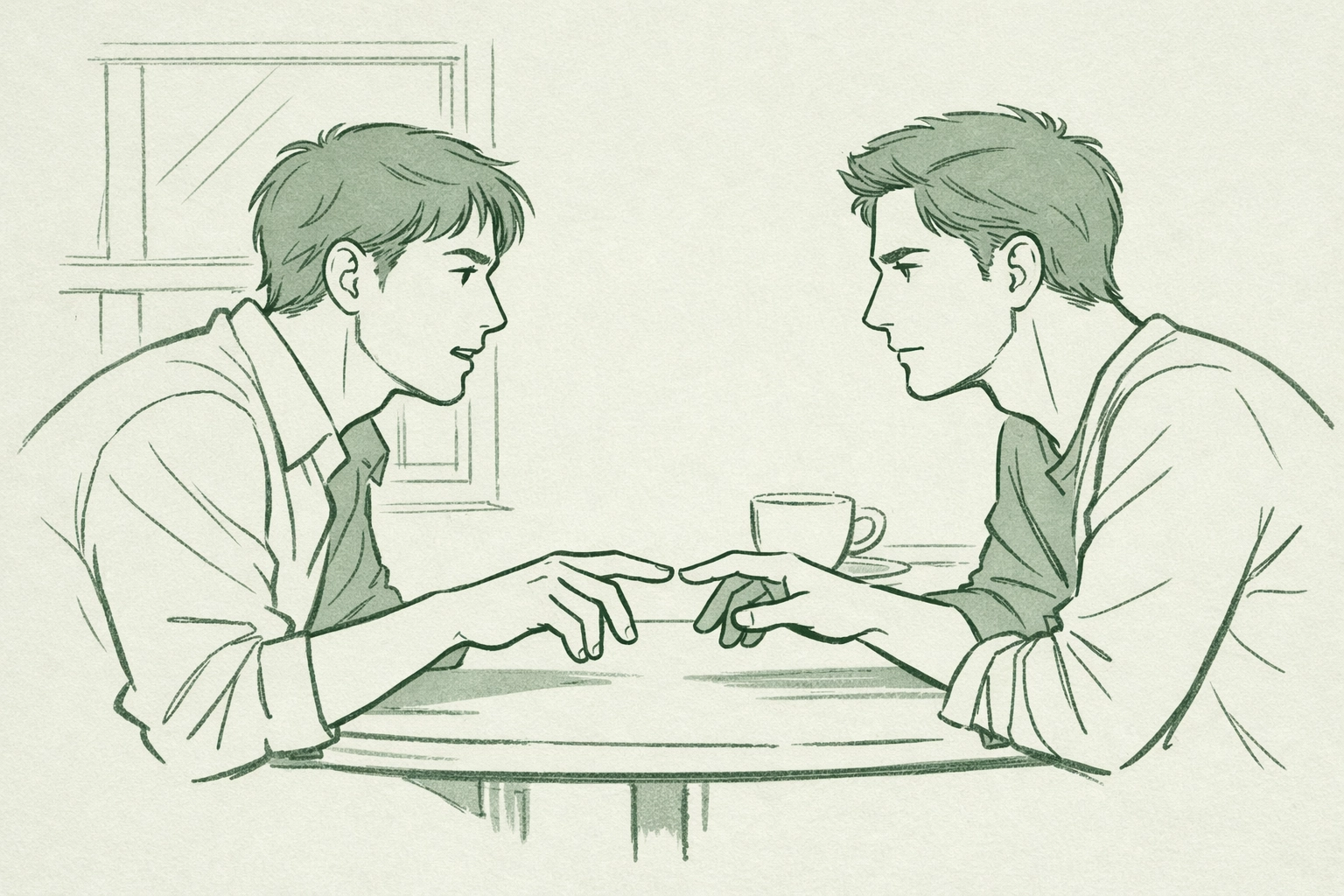
Sometimes what characters don't say is louder than what they do. In real life, we rarely articulate exactly what we're feeling in the moment. We hesitate. We deflect. We say one thing and mean another.
In gay romance, this is especially powerful. A lingering glance across a crowded room. The way someone's voice catches when they say a name. The silence that follows "I should go."
These moments: the ones soaked in subtext: are where the real emotional intensity lives. I've learned to trust the space between the words. To let a scene breathe. To remember that readers are smart enough to feel what's happening without me spelling it out.
3. Sensory Anchors
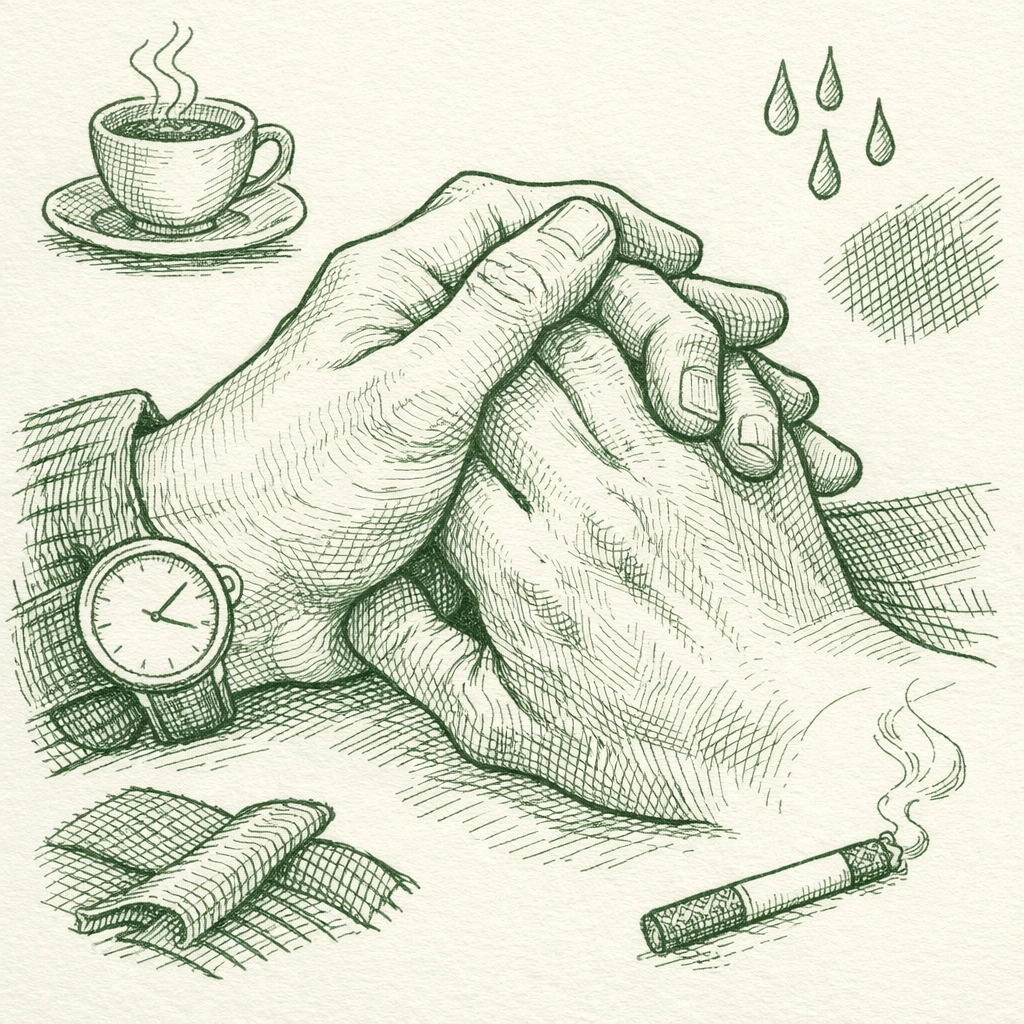
Here's something I've discovered about writing emotional immersion: abstract feelings mean nothing without concrete details. Instead of writing "He felt nervous," I write "His pulse kicked." Instead of "He was afraid," I show the cold sweat on his palms, the way his breath goes shallow.
These sensory anchors ground the emotion in the body. They activate something visceral in the reader because everyone knows what a racing heart feels like. Everyone's experienced that split second of panic.
In The Berlin Companions, I used the scent of cigarette smoke and damp wool to evoke post-war tension. In The Satin Pillow, it's the texture of expensive fabric against skin: luxury and longing intertwined. Small, specific details make abstract emotions tangible.
Sound, smell, taste, touch, sight: these are the tools that turn gay literature from words on a page into lived experience.
4. Embracing the "Ugly" Emotions
Let's be honest: jealousy is ugly. So is possessiveness, rage, shame, and self-loathing. But these emotions are just as human: just as real: as love.
For years, I think MM romance tried to sand down the rough edges. We wanted our characters likeable, our relationships aspirational. But readers are craving messier love stories now, and for good reason. Real queer fiction doesn't shy away from the complicated parts of desire.
I've learned to embrace the ugly emotions. To let my characters be flawed, reactive, sometimes even cruel. Because that's where the depth is. That's where transformation happens. A character who starts jealous and possessive and learns to trust? That's a journey worth reading.
The best gay novels aren't about perfect men falling perfectly in love. They're about broken people finding each other anyway.
5. The Rhythm of the Sentence
This one's harder to explain, but it matters. Lyrical prose isn't just about pretty words: it's about creating a heartbeat for the story. Short, punchy sentences create urgency. Longer, flowing ones slow things down, let emotion pool and settle.
I think of it like music. Sometimes you need staccato. Sometimes you need a slow build. The rhythm of your sentences affects how a reader feels the scene, not just how they understand it.
In moments of high tension, I collapse my syntax. Fragment the thoughts. Let the prose mirror the character's fractured mental state. In quieter moments: those tender, introspective scenes: I let the sentences unspool, give them room to breathe.
This is the craft side of emotional immersion, but it's crucial. The how of writing intensity is as important as the what.
6. Character Arcs as Internal Journeys
Here's a truth about storytelling: plot is what happens to your characters. Character arc is how they change inside. And in MM fiction: in any good fiction, really: the internal journey is what readers remember.
External stakes matter, sure. But what I've learned is that readers connect with transformation. A character who starts closed-off and learns to love. A character who starts self-loathing and finds acceptance. A character who starts running and finally stands still.
In The Phoenix of Ludgate and The House of Lights, the external plots involve historical intrigue and dangerous secrets. But the real story? It's about men learning who they are and what they're capable of feeling.
That's what makes gay love stories resonate. Not the obstacles they overcome, but who they become in the process.
7. Finding the "Duende"
There's a Spanish concept called duende: that soul-deep, almost mystical inspiration that makes art transcend technique. It's the thing that turns a good story into one that haunts you.
I can't force duende. I can't manufacture it. But I've learned to recognize when it shows up: usually when I stop overthinking and just let the story flow through me. When I'm not worried about craft or structure or whether a scene is "too much." When I'm just there, inside the character's skin, feeling what they feel.
Those are the scenes that make readers message me saying they had to put the book down because they were crying. Those are the moments that matter.
The Bond We Share
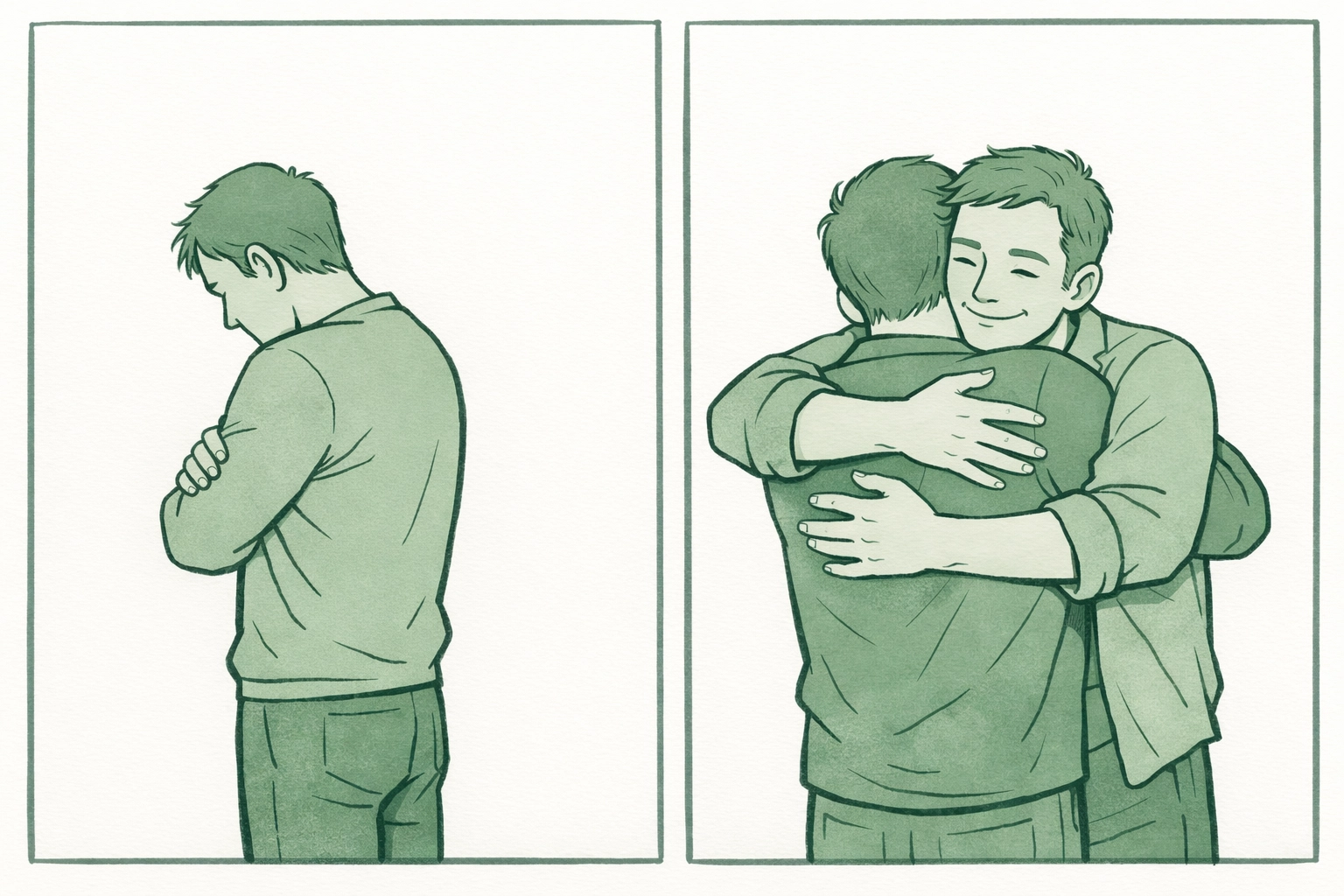
Here's what all of this comes down to: writing emotionally immersive MM romance is an act of trust. I trust you: the reader: to meet me in these vulnerable spaces. To feel what I'm trying to convey. To see yourself, or someone you love, in these characters.
And when it works? When the emotional intensity lands and you feel seen? That's when the magic happens. That's when we're not just telling gay love stories: we're creating connection.
If you're an aspiring writer wondering how to craft that kind of intensity, my advice is this: start with honesty. Feel everything. Trust the unspoken. Ground your emotions in the body. Embrace the ugly. Let your sentences breathe. Focus on internal transformation. And when duende shows up, get out of its way.
That's the truth about writing intensity. It's messy and uncomfortable and occasionally transcendent.
And it's worth every word.
Explore more MM novels and gay romance books at dickfergusonwriter.com. Discover LGBTQ+ fiction that digs deep at www.readwithpride.com.
Follow us on social media:
- Instagram: @dickfergusonwriter
- X/Twitter: @DickFergus94902
- Facebook: Dick Ferguson Writer
#ReadWithPride #MMRomance #GayRomance #LGBTQBooks #QueerFiction #WritingProcess #GayLiterature #MMNovels #GayBooks #EmotionalImmersion #WritingWithPride #ReadingWithPride #GayAuthors #QueerAuthors #LGBTQRomance #GayFiction

Leave a Reply
You must be logged in to post a comment.