


SPECIAL OFFER: Explore psychological MM romance thriller fiction at Read with Pride. Discover The Price of Desire and dive into Richard Croft's unraveling world.
Richard Croft has everything. A luxury penthouse. A respected position in London's business elite. Three people who believe he is theirs alone. In Dick Ferguson's psychological MM romance thriller The Price of Desire, Croft isn't just a man living a lie: he's a virtuoso conducting three separate symphonies, each lover believing they're hearing the only music that matters. Sarah, his wife. Julien, his secret male partner. Chloe, his carefully maintained affair. Three realities. One architect. Zero room for error.
This isn't infidelity. This is something far more calculated, far more intoxicating. This is the triple life: a phenomenon where the deception itself becomes the addiction.

The Narcissism of Control: Architect of Reality
Purchase The Price of Desire now at dickfergusonwriter.com and examine the psychology behind constructed realities.
For Richard Croft, the triple life isn't about sexual variety or emotional greed. It's about control. He is the sole architect of three people's happiness, their sense of security, their vision of the future. In gay fiction and MM romance, we often explore themes of coming out, authenticity, and living truthfully. But what about the man who finds power in the opposite? Who finds his identity not in being seen, but in being three different people simultaneously?
The narcissism here is subtle but profound. Croft doesn't just want to be loved: he wants to be indispensable in completely different ways to different people. For Sarah, he's the stable provider. For Julien, he's the passionate escape from conventional life. For Chloe, he's the romantic poet. Each identity feeds a different aspect of his ego. Each relationship proves his ability to be exactly what someone needs.
This psychological control creates a feedback loop. The more successfully he maintains these separate realities, the more godlike he feels. He's not simply lying. He's creating worlds. In LGBTQ+ fiction and gay psychological thrillers, this exploration of power dynamics reveals something uncomfortable: sometimes the closet isn't about shame. Sometimes it's about supremacy.
The 'High' of the Tightrope: Addiction to Risk
LIMITED TIME: Explore the complete collection of MM romance and gay thriller titles at Read with Pride.
There's a reason Croft doesn't simply choose one life and commit. The danger is the point. The exhausting vigilance required to remember which story he told which person, which phone to answer when, which emotional mask to wear: this isn't a burden. This is the drug.
Psychological research on functional addiction and secret-keeping reveals that the stress of maintaining a facade can become self-reinforcing. The adrenaline rush of nearly being caught, the mental acrobatics required to keep timelines straight, the relief when another close call passes: these create a biochemical reward system. For someone like Richard, the triple life becomes a high-stakes game where he's simultaneously the player and the prize.
In MM contemporary romance and gay romance books, we celebrate emotional vulnerability. But Croft represents the shadow side: the man who finds intimacy in isolation, who experiences connection through disconnection. The moment someone comes too close to discovering the truth, the moment Julien finds a receipt or Sarah notices an unexplained absence, Croft's pulse quickens. Not with fear. With excitement.
The tightrope is where he lives. Solid ground would bore him to death.
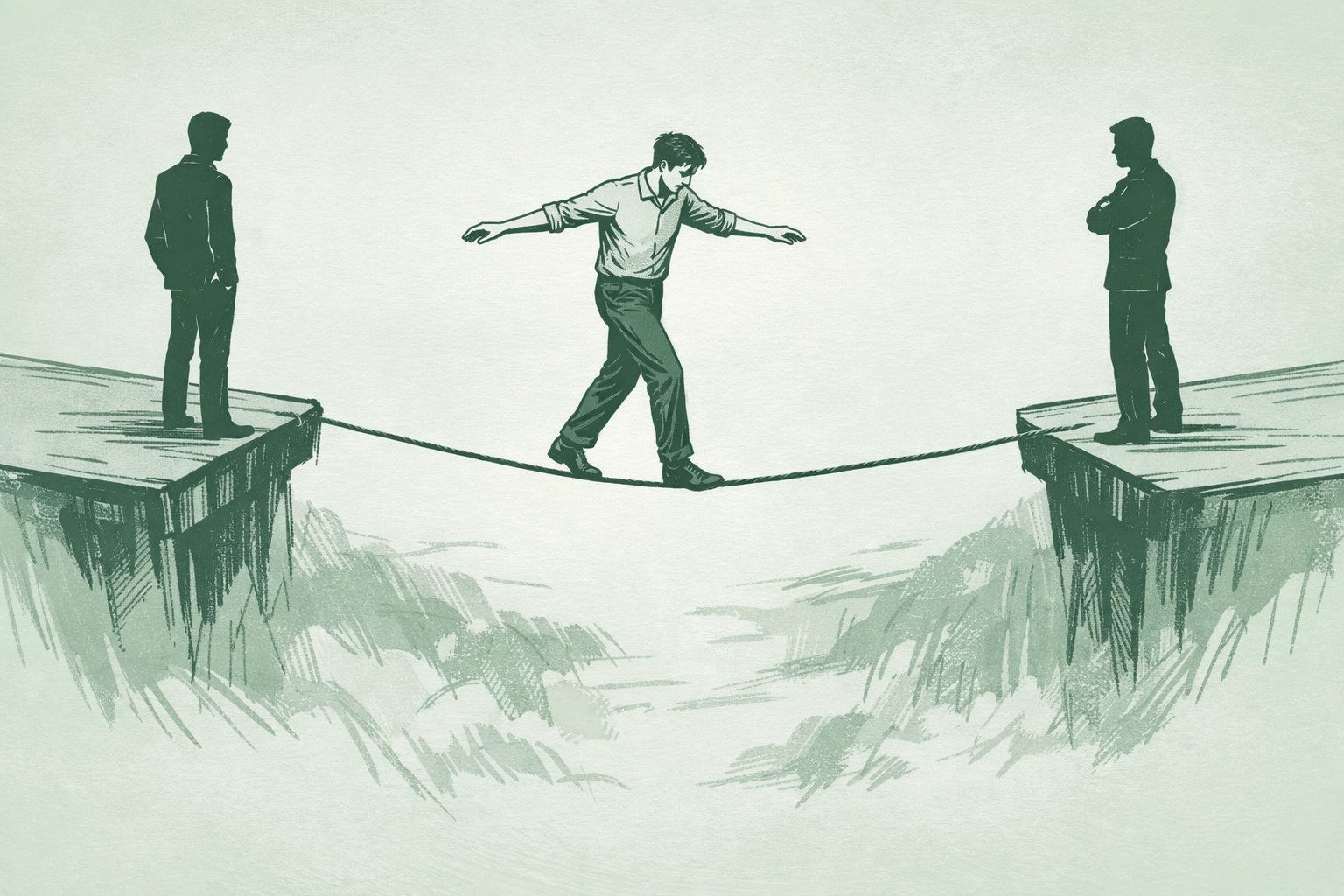
Tailored Realities: Three Characters, One Empty Stage
Browse more gay novels and MM fiction exploring complex psychological portraits at dickfergusonwriter.com.
What makes The Price of Desire particularly cutting as gay fiction is how Croft weaponizes love languages. He doesn't simply lie about where he's been. He studies what each person needs and becomes that need incarnate.
Sarah receives material comfort and social status. Their relationship is transactional in the most traditional sense: he provides security, she provides the appearance of heteronormative success. For a bisexual man or a closeted gay man navigating business circles where queerness might still be viewed as weakness, this facade has practical value.
Julien receives passion and physicality. In their MM romance dynamic, Croft performs the role of the secret lover, the forbidden fruit, the man who risks everything for stolen moments. He gives Julien the intensity of a relationship that must remain hidden, knowing the secrecy itself amplifies the emotional charge. This isn't just gay love: it's theatrical gay love, staged for maximum impact.
Chloe receives poetry and intellectual connection. She believes she's special because Croft shares his "real thoughts" with her, unaware that these thoughts are as curated as everything else. She's convinced she knows the authentic Richard: the irony being that authentic Richard likely doesn't exist.
The mastery isn't in the lies. It's in the performance. Croft has studied each person so thoroughly that he can anticipate their needs before they articulate them. He's not maintaining three relationships. He's playing three characters, and the audience keeps applauding.
The Cost of the Illusion: When Perfectly Constructed Worlds Collapse
EXCLUSIVE: Sign up at Read with Pride for new releases in LGBTQ+ ebooks and MM romance series.
In the best gay psychological thrillers and MM novels, the unraveling is as meticulously constructed as the lie itself. For Croft, the first cracks appear not as dramatic confrontations but as small, accumulating errors. A text sent to the wrong person. A schedule conflict that can't be explained. The digital ghosts of a carefully managed life beginning to haunt him.
What makes The Price of Desire resonate as LGBTQ+ fiction is the particular devastation visited upon Julien. For a gay man or bisexual man who believed he was in a genuine MM relationship: however secretive: the revelation that he was simply one of several simultaneously maintained realities is uniquely cruel. It calls into question not just the relationship, but his ability to recognize authenticity at all.
Sarah's world shatters differently. She loses not just a husband but the entire framework of her life. The house, the social standing, the future she'd imagined: all revealed as props in someone else's performance.
Chloe faces perhaps the most insidious damage: the realization that her "special connection" was the most generic of all. Every intimate conversation, every shared confidence, every moment she felt truly seen: replicable, rehearsed, hollow.
The psychological wreckage of a triple life doesn't end when the truth emerges. It echoes through every future relationship these people attempt. How do you trust again when you've been so thoroughly deceived? How do you recognize genuine emotion when you've been convinced that perfectly performed lies were authentic?
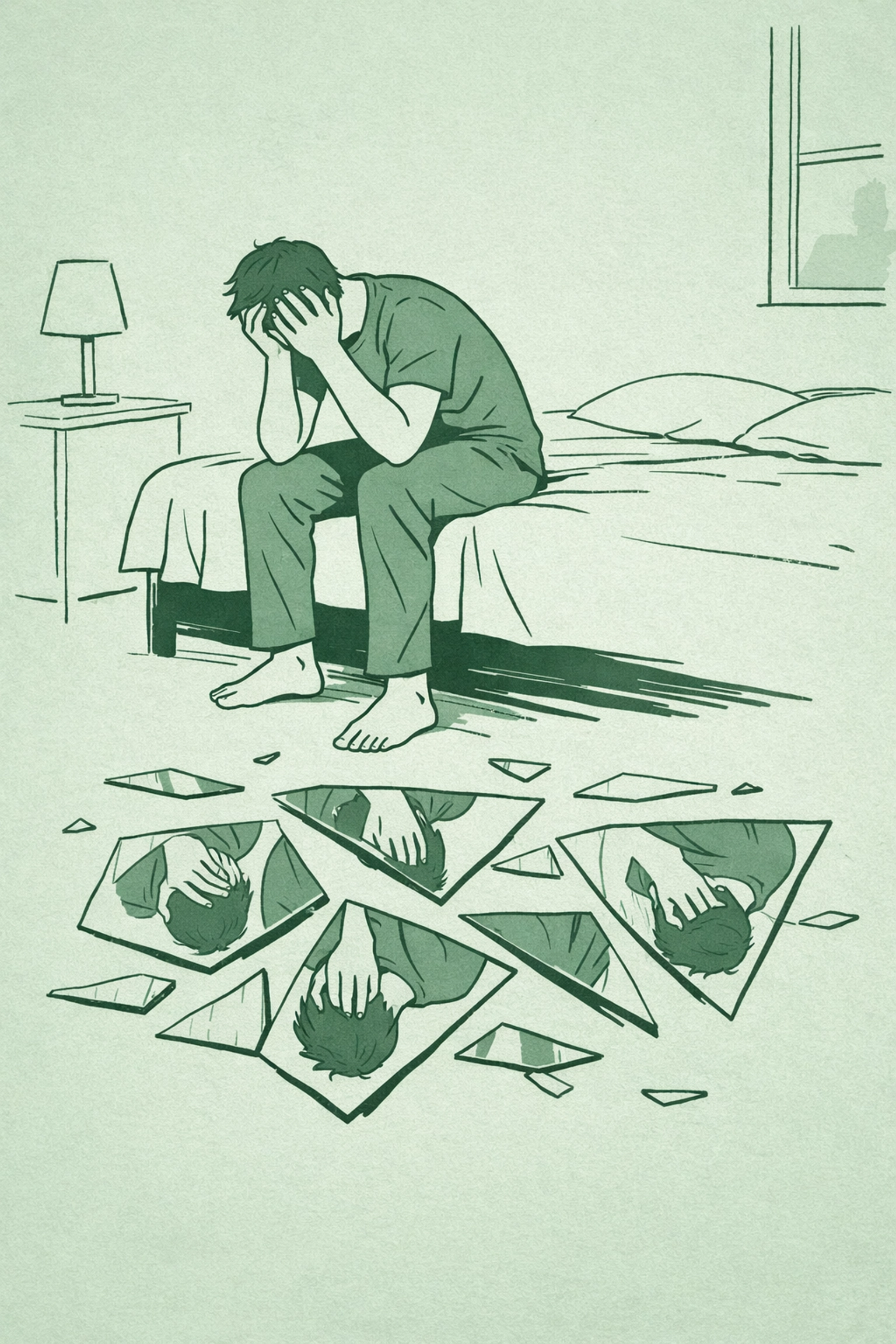
The Value of Authenticity: Why We Read Gay Fiction About Beautiful Liars
Discover award-winning gay fiction and heartfelt MM books exploring themes of truth and vulnerability at dickfergusonwriter.com.
There's a reason readers are drawn to psychological MM romance and gay thrillers like The Price of Desire. We're fascinated by the Richard Crofts of the world precisely because they represent our fears about relationships in the digital age, where everyone curates multiple versions of themselves across different platforms. We maintain one persona for family, another for colleagues, another for dating apps. We're all performing, to some degree.
But Croft takes this to its logical, devastating extreme. He shows us what happens when performance completely replaces substance, when the act of being loved matters more than the experience of loving, when control supersedes connection.
In the landscape of gay romance books and LGBTQ+ romance, The Price of Desire stands apart because it doesn't offer easy answers or comfortable resolutions. It doesn't suggest that coming out solves everything or that authenticity is simple. Instead, it examines the seductive appeal of the gilded cage: the perfectly constructed lie that looks better than any messy truth.
The novel asks uncomfortable questions. Is Richard Croft a villain, or is he simply the most extreme version of something many people do in smaller ways? When we talk about living authentically in queer fiction and gay literature, are we acknowledging how difficult that actually is? How tempting it might be to maintain separate, carefully managed realities rather than risk the vulnerability of being fully seen?
For gay men and bisexual men navigating worlds that may not fully accept them, for anyone who's ever felt the need to present different versions of themselves to different audiences, Croft's story resonates uncomfortably. We condemn his choices while recognizing the impulse behind them.
The triple life offers the illusion of having it all. The price, as the title suggests, is everything that actually matters.
SHOP NOW: Explore the complete catalog of gay books, MM romance, and LGBTQ+ fiction at Read with Pride and dickfergusonwriter.com.
FOLLOW FOR MORE: Stay updated on new gay releases, MM romance recommendations, and LGBTQ+ reading:
- Instagram: @dickfergusonwriter
- X/Twitter: @DickFergus94902
- Facebook: Dick Ferguson Writer
- Website: www.readwithpride.com
#MMRomance #GayFiction #LGBTQBooks #GayThriller #PsychologicalFiction #ThePriceOfDesire #DickFerguson #ReadWithPride #GayRomanceBooks #QueerFiction #MMNovels #GayLiterature #LGBTQRomance #GayBooks #ReadingWithPride

Leave a Reply
You must be logged in to post a comment.