

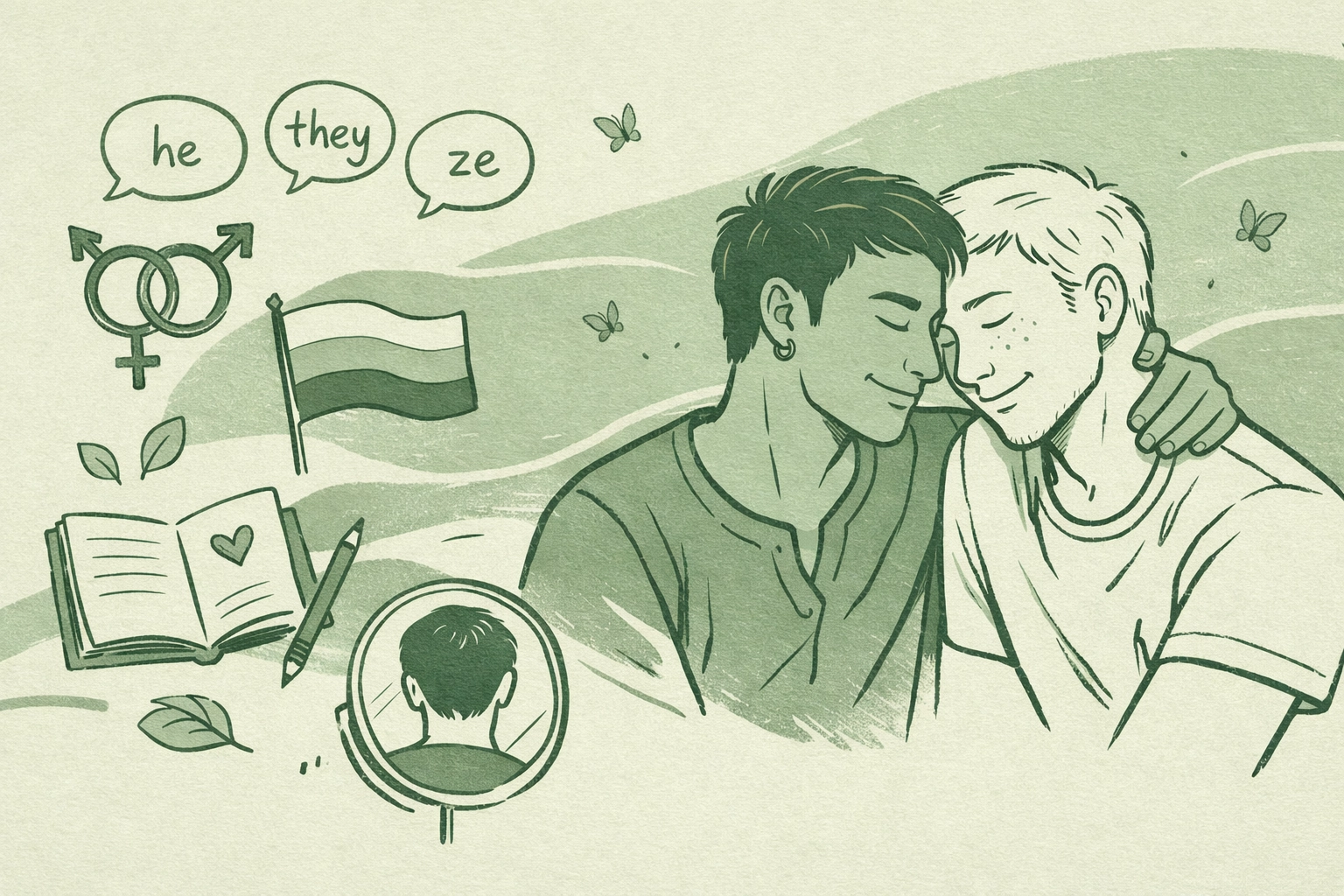
The Beauty of Being Non-Binary: Living Beyond the Binary Gaze
For a long time, the world has operated on a "this or that" system. You’re either a man or a woman, a boy or a girl. But what happens when you don’t fit into those neatly labeled boxes? For many of us in the LGBTQ+ community, those boxes feel more like cages. That’s where the concept of being non-binary comes in. It’s not just a label; it’s a way of living that rejects the rigid expectations of the "binary gaze", the societal pressure to be one of two things.
Living beyond the binary gaze is an act of rebellion and a journey toward radical self-honesty. It’s about looking in the mirror and seeing a person, not a set of gendered expectations. Whether you’re here because you’re questioning your own identity or you want to be a better ally to the non-binary people in your life, this guide is for you. At Read with Pride, we believe every story matters, and understanding the nuances of gender is a huge part of enjoying the rich, diverse world of queer fiction and MM romance.
What Does It Actually Mean to Be Non-Binary?
In the simplest terms, non-binary is an umbrella term for people whose gender identity doesn’t sit exclusively within the categories of "male" or "female." It’s important to realize that non-binary isn’t a "third gender" that’s just as rigid as the first two. Instead, it’s a vast spectrum. Some people feel like a mix of both genders, some feel like neither, and others feel like their gender changes over time.
Research tells us that non-binary identities aren't a new "trend." Various cultures throughout history have recognized more than two genders. From the Two-Spirit people in many Indigenous North American cultures to the Hijra in South Asia, humans have always known that gender is a lot more complex than what’s on a birth certificate.
Being non-binary is different from being intersex. While intersex refers to physical biological traits, non-binary refers to an internal sense of self, who you are on the inside. It’s also important to note that many non-binary people consider themselves part of the transgender community because their gender identity differs from the one they were assigned at birth, though not everyone uses that specific label.
The Language of You: Navigating Pronouns and Titles
When you first start exploring non-binary identity, language can feel like a bit of a minefield. But here’s the secret: language is a tool meant to serve you, not the other way around.
The most common pronouns for non-binary folks are they/them, used in the singular sense. While some people worry about the grammar of singular "they," it’s actually been used in English for centuries! If you’ve ever said, "Someone left their umbrella here," you’ve used the singular they.
Beyond they/them, some people use neopronouns like ze/zir or xe/xem. Others might use "he/they" or "she/they," indicating they feel comfortable with multiple sets of pronouns. In the world of MM romance books, we’re seeing more and more characters who use these varied pronouns, reflecting the real diversity of our readers.
How to get it right:
- Share yours first: "Hi, I'm Alex, and I use they/them pronouns. What about you?"
- Don't panic if you mess up: If you use the wrong pronoun for someone, apologize briefly, correct yourself, and move on. Over-apologizing often makes the situation more uncomfortable for the person you misgendered.
- Check the titles: Instead of Mr. or Ms., many non-binary people use Mx. (pronounced "mix" or "mux").
Labels: A Menu, Not a Sentence
One of the most beautiful parts of the non-binary experience is the sheer variety of labels available. Think of these labels as a menu: you can pick the one that tastes right, or you can decide you’re not hungry for a label at all.
- Genderqueer: A term that emphasizes the "queerness" of one’s gender, often used by people who feel their identity is political or defies traditional norms.
- Agender: Identifying as having no gender at all.
- Genderfluid: Feeling that your gender identity shifts or changes over time.
- Bigender: Identifying as two genders, either simultaneously or at different times.
- Androgyne: A gender identity that is a blend of both masculine and feminine traits.
You don’t have to "qualify" to use these terms. If a label makes you feel seen, it’s yours. In gay novels and M/M books, we often see characters grappling with these definitions, and those stories can be a vital lifeline for people trying to find the words for their own experiences.
Self-Trust: The Journey of Exploration
If you’re currently questioning your identity, the most important thing you can cultivate is self-trust. We are taught from birth to look to experts, parents, or doctors for answers about who we are. But when it comes to gender, you are the only expert.
It’s okay to feel uncertain. It’s okay to try on a new name or a new set of pronouns for a week just to see how they feel. This isn't "faking it"; it’s exploring. Think of it like a "layover" on a long flight. You might stay in one identity for a while and then realize you need to move on to another. That doesn’t make your previous experience a lie: it’s just part of the journey.
Ambivalence is a natural part of this process. Sometimes your heart knows what it wants before your brain can find the logic for it. If you find yourself gravitating toward gay love stories or MM contemporary fiction that features gender-nonconforming characters, listen to that pull. Often, art and literature help us process our own feelings before we’re ready to voice them out loud.
Finding Your Story in Literature
At eBooks by Dick Ferguson, we know that representation matters. Reading LGBTQ+ fiction isn't just about entertainment; it's about seeing a reflection of your own soul on the page. When you read a gay historical romance or a gay fantasy romance, you’re seeing queer people exist in every time and every world.
For the non-binary reader, finding characters who navigate the world "beyond the binary gaze" can be incredibly validating. It reminds us that we aren't alone and that our lives are worthy of being the center of a grand, romantic, or adventurous narrative. Whether you’re looking for steamy MM romance or heartfelt gay fiction, the stories we share at Read with Pride are designed to celebrate every shade of the rainbow.
If you’re looking to dive deeper into these themes, check out our latest releases in the Read with Pride store. You’ll find stories that don’t shy away from the complexity of identity, all while delivering the high-angst and deep emotional payoff you crave.
Building Your Community
No one should have to navigate their identity in a vacuum. Finding a community: whether online or in person: is a game-changer. Look for local support groups, join Discord servers centered around gay book clubs, or follow creators who speak openly about their non-binary lives.
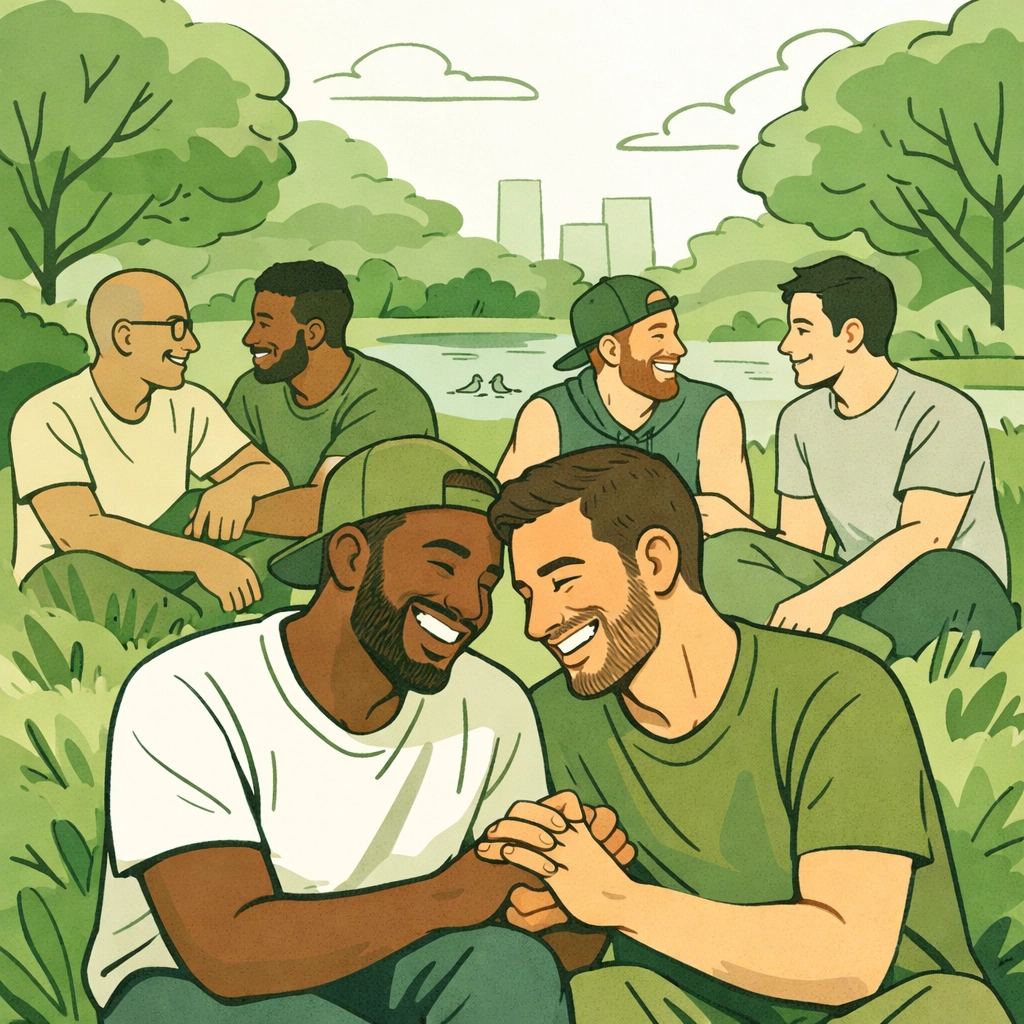
The more you see non-binary joy, the easier it becomes to trust your own path. It’s not all about the struggle or the "dysphoria"; it’s about the "euphoria" that comes when you finally find the name, the clothes, or the community that makes you feel like you.
Final Thoughts: You Are Valid
Whether you’re a "he/they," a "they/them," or still figuring it all out, know that you are valid. Your identity doesn’t have to make sense to anyone else for it to be real. You don't owe anyone a "transition," and you don't owe anyone "androgyny." You only owe it to yourself to live as authentically as you can.
Stay curious, stay kind to yourself, and keep reading stories that make you feel seen.
Follow us on social media for more queer book recommendations and community updates:
- Instagram: Follow us here
- X (Twitter): Join the conversation
- Facebook: Connect with us
- Website: www.readwithpride.com
Ready for your next great read? Visit our store:
Read with Pride Store
#NonBinary #Genderqueer #LGBTQBooks #ReadWithPride #MMRomance #GayFiction #QueerLiterature #GenderIdentity #TheyThem #MMBooks
Three New Blog Post Options for Dick:
- Finding the "One": The Evolution of Soulmates in MM Romance – A look at how the "soulmate" trope has changed to include more complex, modern queer identities.
- From Enemies to Lovers: Why We Can’t Quit This Classic Trope – Exploring the psychological appeal of the enemies-to-lovers arc in gay romance novels.
- Beyond the Cover: How Queer Literature is Changing the Publishing World – An industry-focused look at the rise of independent LGBTQ+ authors and the power of niche publishing.

Leave a Reply
You must be logged in to post a comment.