
Remember when meet-cutes involved bumping into someone at a coffee shop, reaching for the same book at a library, or locking eyes across a crowded bar? Those tropes still exist in MM romance books, but nowadays they're just as likely to start with a notification ping and a carefully curated grid of six photos.
Welcome to the swipe-to-love era, where "u up?" has become as much a part of gay romance novels as longing glances and first kisses. Dating apps haven't just changed how real gay and bisexual men meet, they've fundamentally transformed the landscape of gay romance books and how authors build tension, connection, and conflict in their stories.
Let's dive into how those little glowing rectangles rewrote the rules for both fictional and real-life love stories.
The Romanticized Meet-Cute: Fiction's Take on Swiping Right
In the world of gay romance novels, dating apps often serve as the perfect modern meet-cute device. Authors have embraced apps like Grindr, Scruff, and Tinder as natural settings where their characters can collide in ways that feel both contemporary and relatable.
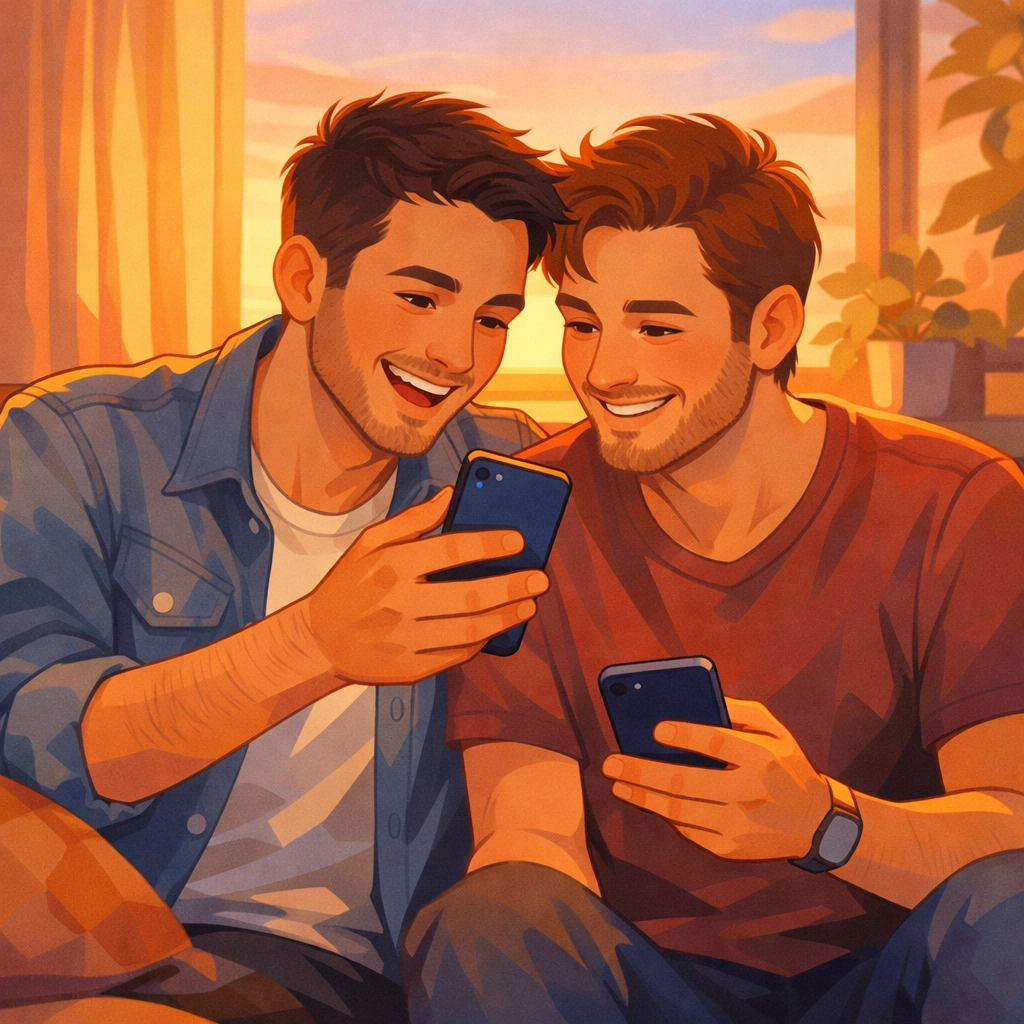
The fictional version usually goes something like this: Our protagonist is reluctantly scrolling through profiles (often at the insistence of a well-meaning friend), convinced they'll never find anything real. Then, boom, they match with someone whose profile seems too good to be true. The banter starts. The texting becomes addictive. They agree to meet for "just coffee" and the chemistry is explosive. Cue the falling-in-love montage.
These stories tap into the fantasy that many of us harbor: that somewhere in the endless scroll of profiles, there's someone perfect waiting. MM romance authors have gotten creative with this trope, too. We've seen:
- Mistaken identity plots where someone uses a friend's photo
- Accidental celebrity matches (the barista had no idea he was chatting with a famous actor)
- Enemies-to-lovers where two rivals match without knowing who the other is
- Second-chance romances where exes find each other years later on an app
The beauty of these stories is that they acknowledge the digital reality of modern dating while maintaining the emotional depth and connection we crave in romance. The apps become a tool, not a replacement for genuine connection, but a catalyst for it.
The Reality Check: Digital Meat Markets and Mental Health
Now let's talk about what actually happens when gay men open these apps in real life. Spoiler alert: it's a lot messier than fiction suggests.
Research shows that approximately half of LGBTQ+ adults have used online dating platforms, and while 40% report that it made finding a partner easier, the psychological costs are significant. Gay men who use dating apps report higher levels of anxiety, depression, and emotional distress compared to non-users. The culprits? Constant worry about profile judgments, anxiety about initiating contact, obsessive checking for matches, and interpreting every rejection as a personal failure.
The apps that were supposed to make connection easier have, in many ways, created a digital meat market where appearance trumps personality and instant gratification overrides genuine interest. Gay men consistently describe these platforms as superficial, with a disproportionate focus on hookups over meaningful conversation.
There's also the paradox of choice: larger pools of potential partners actually led users to be less selective, resulting in decreased choice quality and more extensive searching. It's exhausting. And the mismatch between what different users want, casual hookups versus long-term commitment, creates constant friction and disappointment.
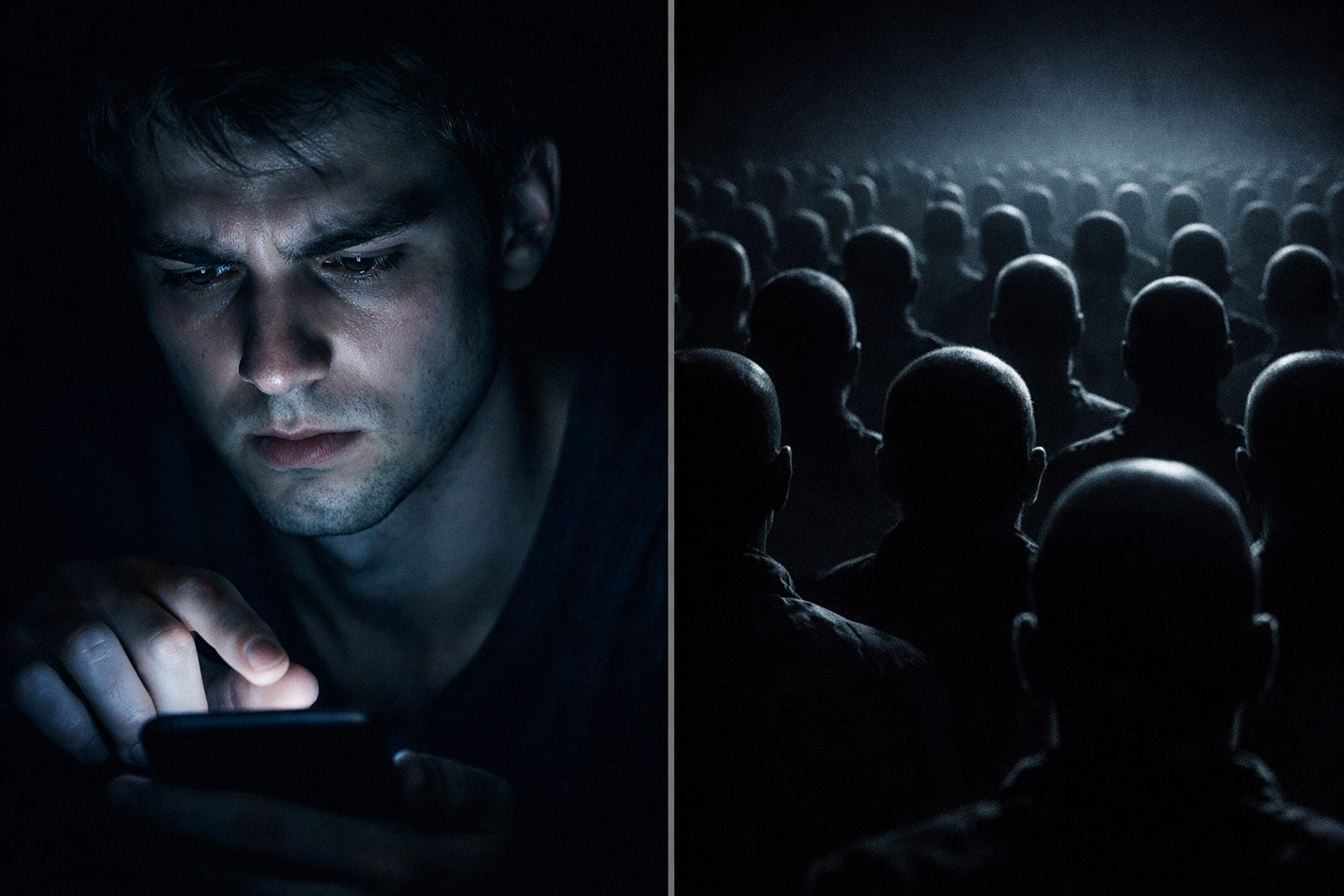
Safety is another massive concern. LGBTQ+ users face substantially higher harassment rates, with 56% of gay and bisexual men reporting experiencing harassment on dating apps compared to 32% of heterosexual users.
So yeah, the reality is considerably grimmer than the "accidentally matching with your soulmate" narrative that dominates best MM romance books.
Where Fiction and Reality Collide: Creating Authentic Tension
Here's where it gets interesting for storytelling. The best gay romance books featuring dating apps don't ignore these darker realities, they use them to create compelling, authentic conflict.
Smart authors weave in the real challenges:
The vulnerability factor: In fiction, we see characters struggling with how to present themselves online. Do they use their best photos or their most honest ones? Do they disclose that they're HIV-positive upfront? How much of their past trauma do they reveal before meeting in person? These questions create immediate emotional stakes.
The trust issue: When your meet-cute happens through a screen, how do you know the person is who they claim to be? MM romance authors have mined this anxiety for everything from light catfishing comedies to serious explorations of digital deception and betrayal.
The intimacy paradox: Apps make it easier to find someone to sleep with but harder to find someone to genuinely connect with. Characters in modern gay romance novels often grapple with this tension, they're drowning in options but starving for authenticity.
The algorithm's role in destiny: Some authors have gotten meta with it, questioning whether love found through an algorithm is less "meant to be" than a chance encounter. It's a surprisingly philosophical question for a genre about feelings.
The Evolution of Romantic Tension in the Digital Age
Traditional romance relied heavily on physical proximity and chance encounters to build tension. Will they bump into each other at the grocery store? Will he show up at the party? The uncertainty was part of the thrill.

Dating apps have completely changed this dynamic. Now the tension comes from:
- The profile reveal: What happens when you discover your match is your boss, your ex's best friend, or the guy you've been anonymously sexting for months?
- The text chemistry vs. in-person chemistry gap: They're perfect over message. But will the spark translate to real life?
- The ghosting anxiety: He read your message three hours ago. Is he dead or just not interested?
- The paradox of availability: You matched! But now you're both overthinking what to say first, and the conversation never happens.
These are distinctly modern sources of romantic tension, and MM romance authors have become masters at exploiting them for maximum emotional impact.
Why This Trope Works (Despite the Messiness)
Dating apps in gay romance novels work because they reflect the actual lived experience of so many queer men. For LGBTQ+ individuals, these platforms provide safer spaces to explore sexuality and connect with community without fear of being outed before they're ready. That's powerful and important representation.
Yes, the fictional versions are often more hopeful and romantically satisfying than reality. But isn't that the point of romance? We read these stories not because they show us the world exactly as it is, but because they show us what's possible when two people genuinely connect despite the obstacles: digital or otherwise.
The swipe-to-love trope also allows for incredible diversity in storytelling. Characters can be anywhere geographically and still meet. Apps level the playing field between the extroverted bar scene regular and the introverted homebody. They create opportunities for people who might never have crossed paths otherwise.
The Future of Digital Love Stories
As we continue deeper into 2026, dating apps aren't going anywhere: and neither are dating app romances in MM fiction. If anything, authors will likely get more nuanced and sophisticated in how they handle the trope.
We're already seeing stories that explore algorithm bias, AI-assisted dating, virtual reality dates, and the ethics of digital connection. The technology will evolve, and so will the stories we tell about it.
What won't change is the fundamental human need for connection, recognition, and love. Whether that first spark happens across a crowded room or across a smartphone screen, the magic of gay romance books lies in following that spark as it grows into something real, complicated, and worth fighting for.
So the next time you're scrolling through profiles (fictional or otherwise), remember: behind every carefully chosen photo and witty bio is a real person hoping to be seen. And that's a story worth telling: algorithm or not.
Looking for more MM romance books that capture the complexity of modern queer dating? Check out our collection at Read with Pride, where we celebrate authentic LGBTQ+ love stories in all their messy, beautiful, app-enabled glory.
Follow us for more queer book recommendations and romance insights:
- Facebook: Read with Pride
- Instagram: @read.withpride
- X/Twitter: @Read_With_Pride
#MMRomance #GayRomanceBooks #LGBTQBooks #ReadWithPride #QueerFiction #GayRomance #MMBooks #DatingApps #ModernRomance #GayLoveStories #MMRomanceBooks #LGBTQFiction #QueerRomance #GayNovels #SwipeToLove #RomanticFiction #GayContemporaryRomance #BestMMRomance #2026Books #LGBTQReading

Leave a Reply
You must be logged in to post a comment.