

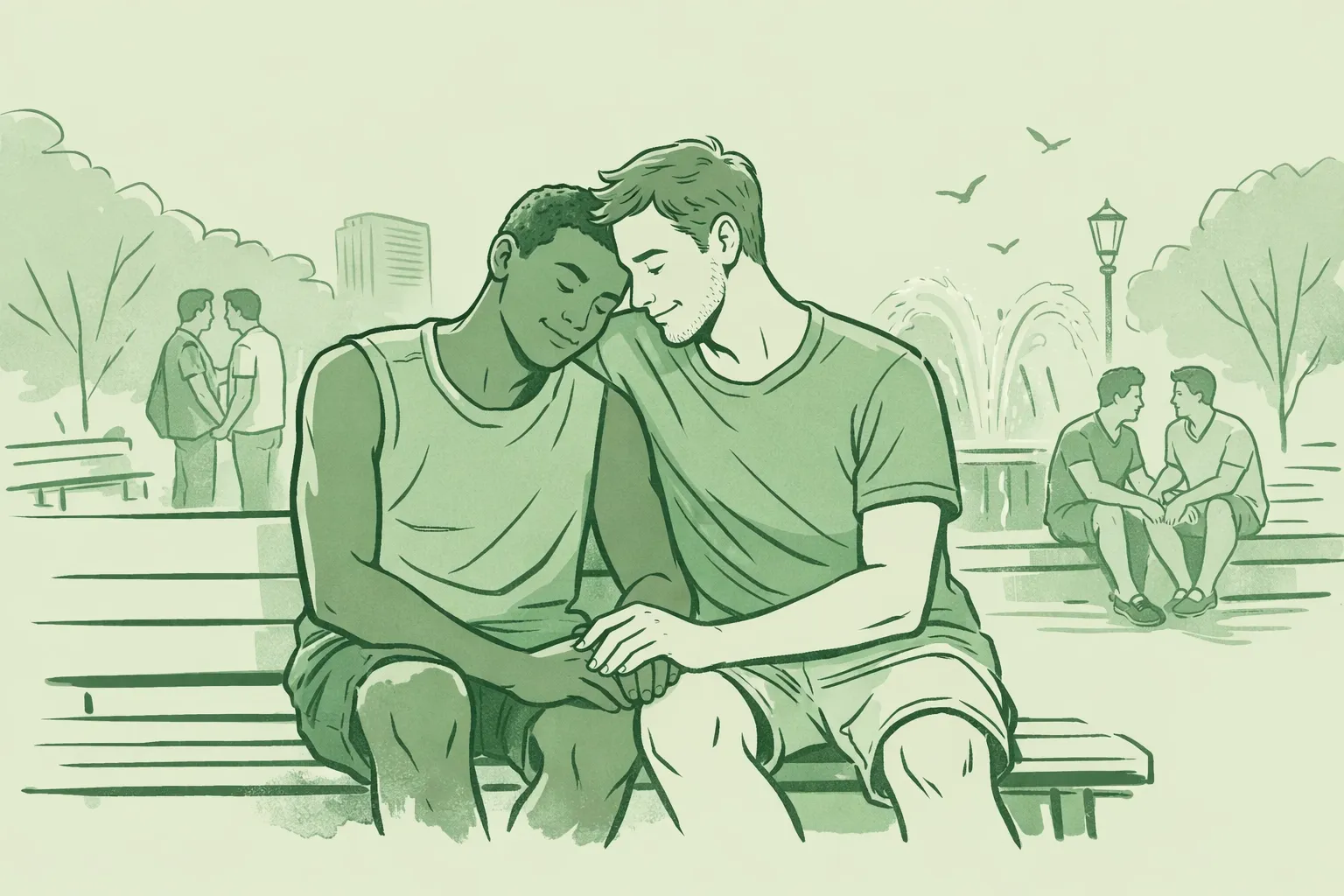
The Assumption We All Make
When we think about gay saunas or private MM parties, there's a script already written in our heads. Anonymous encounters. Quick releases. No names exchanged. Bodies in steam, nothing more.
But what if that story is incomplete?
What if, hidden inside those spaces, behind the heat and the dim lighting, there are moments of profound emotional connection that challenge everything we assume about intimacy, vulnerability, and what it means to truly see another person?
The Married Man in the Steam Room
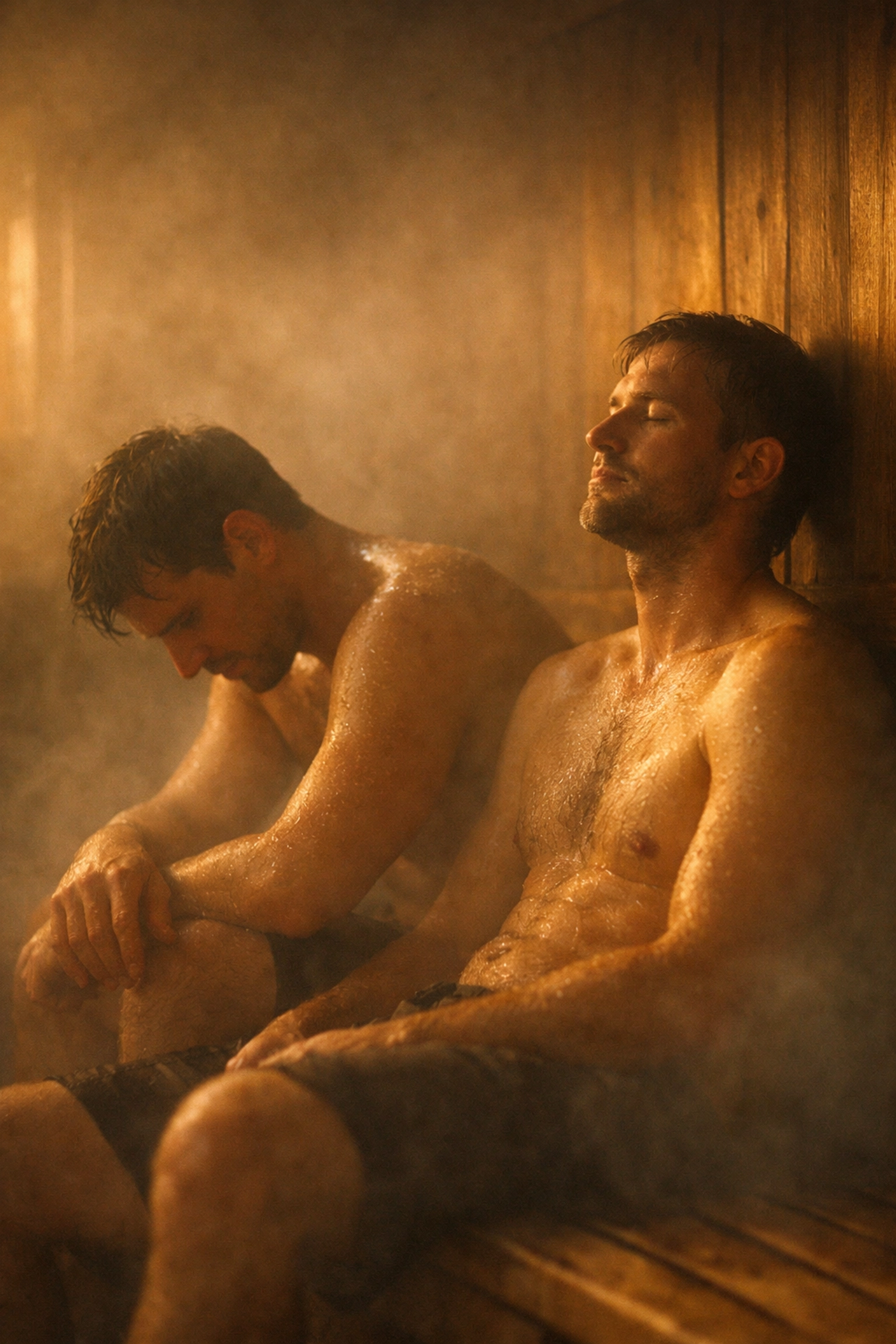
Picture this: A bisexual man, wedding ring in his gym locker, sitting alone in the corner of a sauna. He's not cruising. Not yet. He's just… breathing. Feeling the weight of two lives pressing against his chest, the one at home, and the one that exists only in spaces like this.
Then someone sits beside him. Not touching. Just present.
They don't speak immediately. But there's an understanding that passes between them, a recognition that researcher calls "a healing force within our communities."[1] Both men carry secrets. Both men exist in that strange territory between desire and duty, between authenticity and expectation.
When they finally do speak, it's not about logistics or hookups. It's about feelings. The stress of living split. The relief of being in a space where you don't have to explain yourself. The emotional connection in saunas that no one talks about because we're all supposed to pretend it doesn't exist.
This is the kind of nuanced, unflinching storytelling you'll find in Dick Ferguson's collection, stories that don't shy away from complexity or the full spectrum of human emotion.
Why These Spaces Matter: The Psychology of Shared Vulnerability
According to research on public space sociability, genuine human connection emerges when spaces foster "inclusion, representation, and genuine human interaction."[1] Gay saunas and private MM parties function as what sociologists call third places, shared spaces outside home and work where natural opportunities for connection flourish.[3]
But there's something more happening here.
These spaces offer what researchers describe as "alibis" or purposeful activities that normalize social interaction, reducing stigma while building trust, particularly for vulnerable populations.[1] For married bisexual men navigating complex identities, these venues become more than just places for physical encounters, they transform into temporary sanctuaries where authentic struggles can surface.
The Corner Conversation
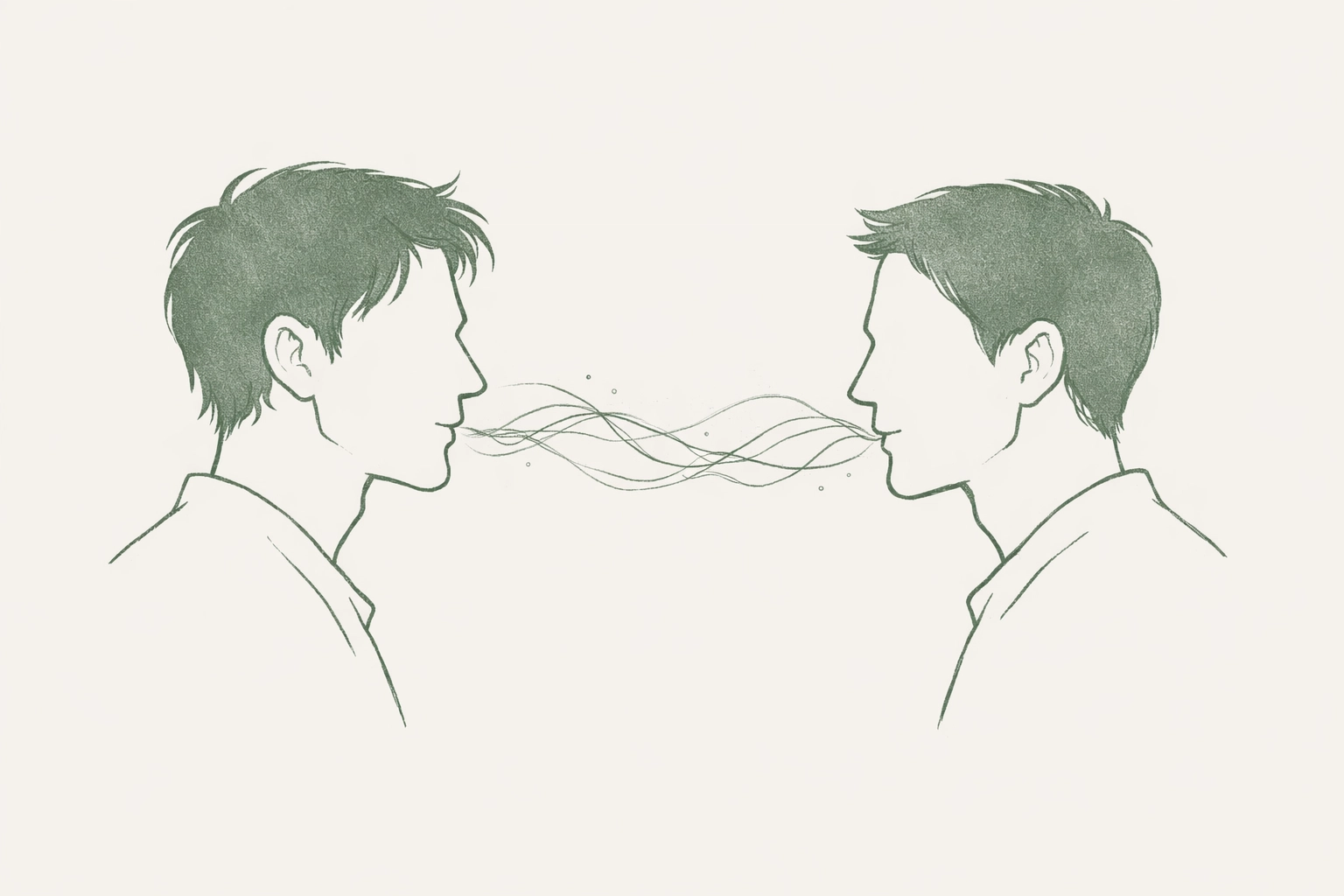
At a private party in Soho, two men find themselves in conversation near the drinks table. One is married to a woman. The other is single but closeted at work. They're both here for the same reason, and it's not just physical.
They talk about:
- The exhaustion of code-switching
- The fear of losing everything
- The bisexual feelings that don't fit neatly into either box
- The loneliness of living a partial truth
Twenty minutes pass. An hour. They exchange numbers, not for another hookup, but because they've recognized something in each other that demands continuation. This is MM intimacy at its most profound: not just bodies connecting, but entire hidden selves finally finding witness.
Explore similar themes of hidden identity and complex desire in The Silent Heartbeat, where emotional truth collides with societal expectation.
The Full Spectrum: From Adrenaline to Tenderness
Here's what the mainstream narrative about these spaces gets wrong: it assumes the experience is monolithic. All physical, all superficial, all forgettable.
The reality is vastly more complex.
The Adrenaline Rush
Yes, there's adrenaline. Walking into a gay sauna when you're married, when you've got a mortgage and kids and a carefully constructed straight identity: that's terrifying and exhilarating in equal measure. Your heart pounds. Your hands shake. You're hyper-aware of every sound, every movement.
This isn't just lust. It's the body's response to risk, to transgression, to finally stepping into a space where a suppressed part of you is allowed to breathe.

The Unexpected Tenderness
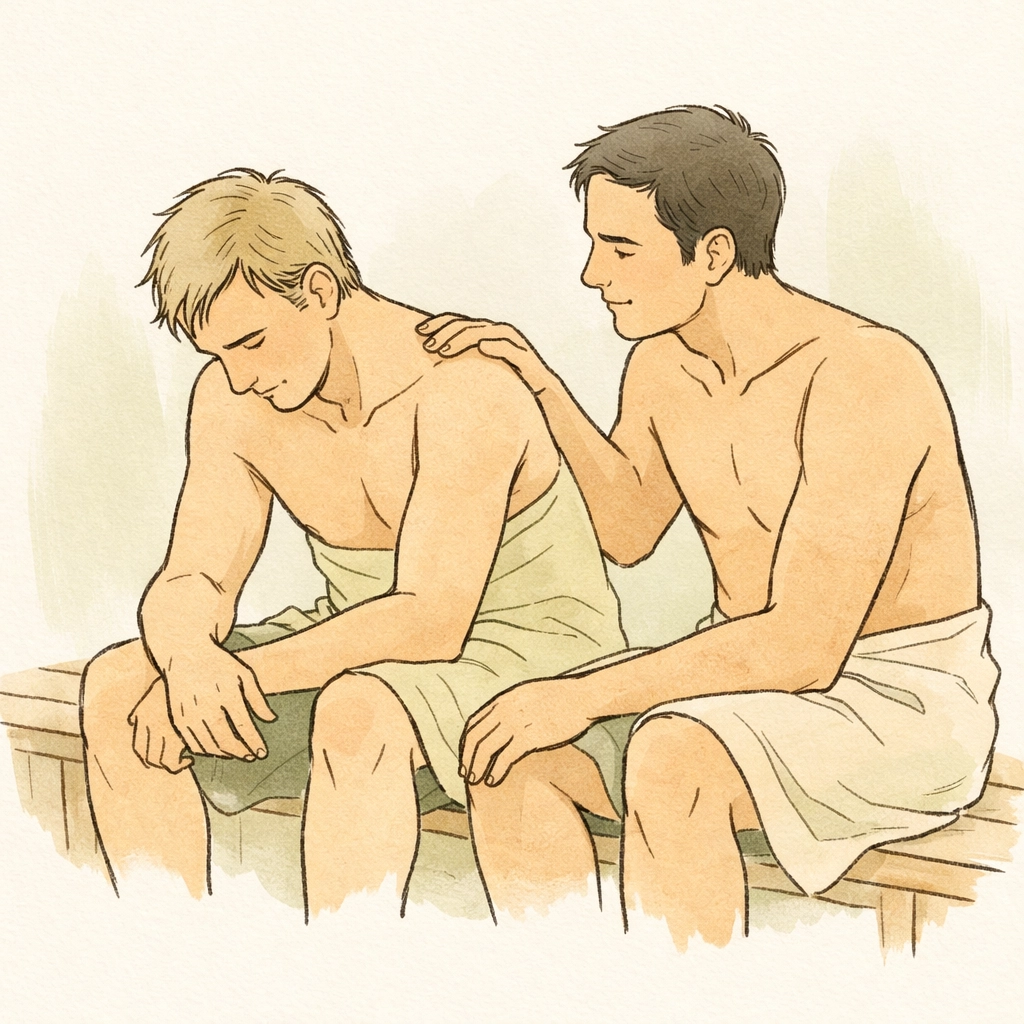
But then there's the moment after. The quiet conversation in the cooldown room. The gentle hand on a shoulder. The "Are you okay?" that lands with surprising weight.
One married man described it this way: "I expected judgment or indifference. What I found was the most non-judgmental acceptance I'd experienced in years. These men understood the complexity without needing explanation."
This is what Dick Ferguson captures so brilliantly in his work: the way authentic struggles exist alongside desire, the way intimacy can be both thrilling and profoundly comforting. Check out The Private Self: A Guide to Honoring Your Truth in Your Own Time for deeper exploration of this journey.
The Architecture of Connection
Research shows that emotional connection in public spaces requires what's called a "positive affective atmosphere": environments that feel comfortable and welcoming to diverse people.[1] Gay saunas and private parties, when designed and managed well, create exactly this kind of space.
Elements that facilitate emotional connection include:
Representation and cultural visibility – When bisexual men see themselves reflected in the diversity of attendees, they feel permission to bring their whole selves.[1]
Safe anonymity – The paradox of these spaces is that anonymity creates safety, which enables vulnerability, which opens pathways to genuine connection.
Shared understanding – No explanations needed. Everyone here carries similar weight. That shared context becomes the foundation for rapid emotional intimacy.
Human scale and choice – Unlike apps or online spaces, physical venues offer body language, energy, presence: the full sensory experience of another human.[3]
Beyond the Physical: Resilience and Recognition
What keeps married bisexual men returning to these spaces often isn't just physical desire: it's the emotional release of being fully seen.
One regular at a London sauna explained: "My wife knows I'm bi, but she doesn't really get it. Here, I don't have to translate myself. I can just exist. That recognition: that's what I'm seeking as much as anything physical."
This is the resilience that these spaces foster: not the resilience of enduring isolation, but the resilience of finding periodic refuge. Of knowing there's somewhere you can go to remember all the parts of yourself.
Discover stories of men navigating similar journeys in Beyond Boundaries: A Journey of Love and Fetish, where identity exploration meets authentic connection.
The Stories We're Not Told
Mainstream culture loves to flatten MM relationships into stereotypes. The sauna becomes a punchline. The private party becomes scandal.
But Dick Ferguson's novels refuse this reduction. His work explores the full spectrum of gay romance and bisexual experience: the adrenaline and the tenderness, the secrecy and the connection, the complexity that exists when identity doesn't fit tidy categories.
These are LGBTQ+ ebooks that honor the messy, beautiful truth of real human experience. They're MM romance with depth, gay fiction with soul, queer fiction that doesn't shy away from difficult questions.
Visit Read with Pride for more MM novels that center authentic male/male relationships and the emotional landscapes within them.
What These Spaces Teach Us About Connection
Perhaps the most surprising lesson from these environments is this: genuine emotional connection can emerge anywhere: even in places we've been taught to view as purely transactional.
The married man and the stranger in the steam room. The two bisexual men sharing stories at a private party. These encounters remind us that vulnerability creates intimacy far more effectively than perfect conditions ever could.
When we create or enter spaces that allow us to be fully ourselves: however temporarily: we tap into what researchers call "a healing force within our communities."[1] We transform others into recognized individuals. We build resilience through recognition.

Your Stories Matter
Whether you're a married bisexual man navigating complex identities, someone exploring MM intimacy for the first time, or a reader seeking gay love stories that reflect real emotional depth: your experience matters.
The connection you find in unexpected places matters.
The full spectrum of your feelings matters.
Explore Dick Ferguson's complete collection of gay romance books and MM fiction that honor these truths. From contemporary explorations like The Campaign for Us to emotionally complex narratives like Velvet Nights and Broken Dreams: find stories that see you.
Follow us on social media:
- Instagram: @dickfergusonwriter
- X/Twitter: @DickFergus94902
- Facebook: Dick Ferguson Writer
Discover more at Read with Pride
#ReadWithPride #MMRomance #GayRomance #LGBTQBooks #BisexualStories #GayFiction #QueerFiction #MalemaleLove #MMBooks #GayNovels #AuthenticLGBTQ #EmotionalConnection #MMIntimacy #GayLiterature #ReadingWithPride #WriteWithPride #LGBTQFiction #GayEbooks #MMFiction #ContemporaryGayRomance #DickFerguson #GayBookClub #2026GayBooks
References:
[1] Research on sociability and emotional connection in public spaces
[3] Third places and evidence-based design for human connection

Leave a Reply
You must be logged in to post a comment.