

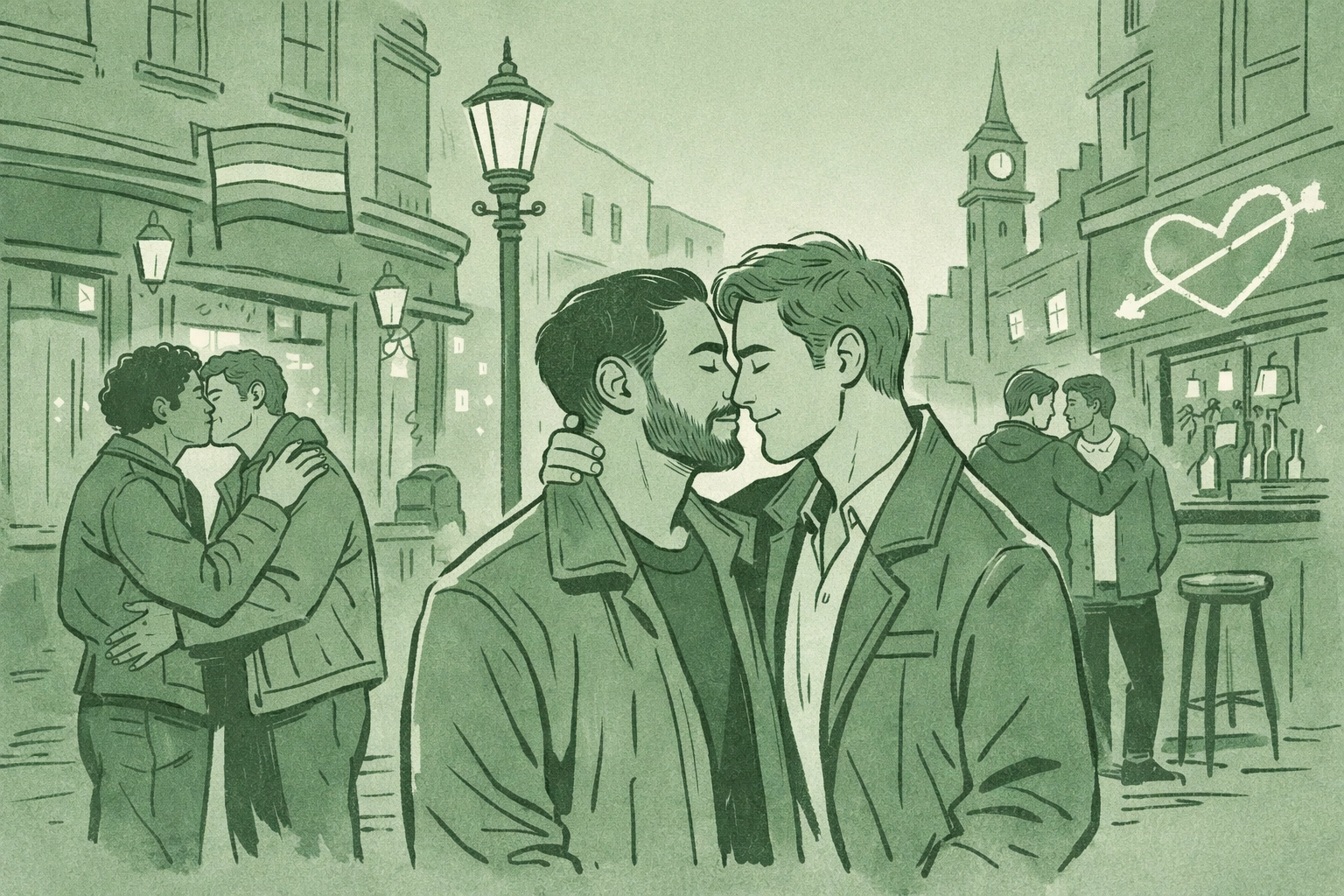
Soho is the neon-soaked heart of London’s LGBTQ+ community. If you’ve ever walked down Old Compton Street with a drink in hand or browsed the shelves for the latest MM romance in a local bookshop, you’ve felt the energy. But Soho wasn’t always the rainbow-flag-waving hub it is today. Its history is written in the shadows, in basement bars, and in the resilience of men who dared to love other men when the law said they couldn’t.
Whether you’re a fan of gay historical romance or you just love a good deep dive into queer culture, understanding Soho’s past makes every visit to the West End feel a little more like coming home. Here are 10 things you should know about the queer history of Soho.
1. The Beauty of Being Non-Binary: Living Beyond the Binary Gaze
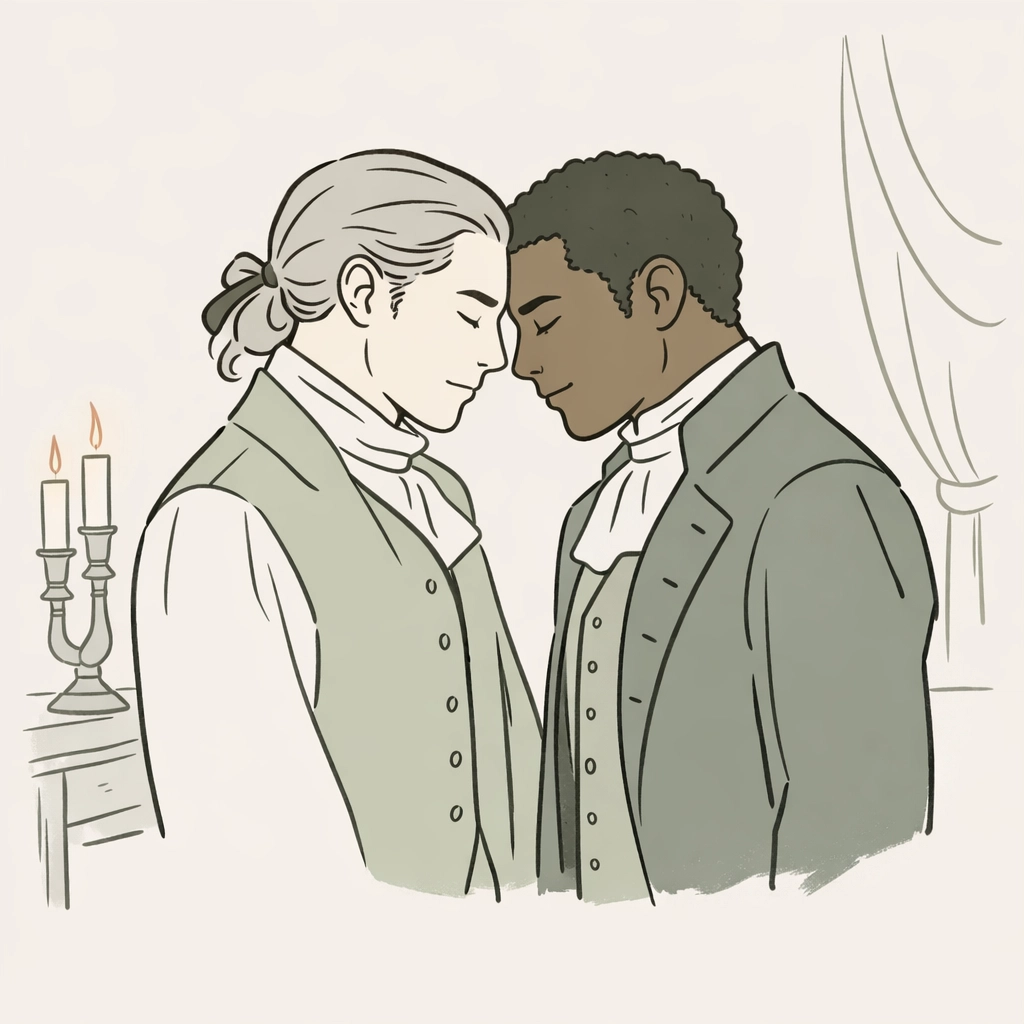
Long before we had the modern terminology we use today, Soho was a sanctuary for those living beyond the binary gaze. In the 18th and 19th centuries, the area’s "Molly Houses" were places where the strict rules of Victorian masculinity simply didn't apply. While the historical record often focuses on gay men, many who frequented these spaces explored gender in ways that we would now recognize as non-binary or gender-fluid.
Living beyond the binary gaze in Soho meant finding a pocket of the world where you didn't have to perform a role for the "normal" society outside. This legacy of gender non-conformity paved the way for the drag queens, club kids, and non-binary icons who define Soho’s nightlife today. When we talk about queer fiction and gay literature, we often look for those characters who challenge the status quo, and Soho was the original stage for those stories.
2. The Meat Rack and the Early Grind
Back in the late 1800s, Soho earned a bit of a reputation. While other parts of London had their own secret spots, Soho became known as "the Meat Rack." As the entertainment district expanded, so did the visibility of men soliciting other men. It was gritty, it was dangerous, and it was undeniably queer.
For the emotionally invested reader who loves a bit of high-angst history, this era is fascinating. It wasn't just about sex; it was about the thrill of finding someone like yourself in a city that wanted to keep you invisible. This "Meat Rack" era set the foundation for Soho as a place where you could go to find, well, whatever you were looking for.
3. Oscar Wilde’s High-Class Soho Flings
You can’t talk about gay fiction or history without mentioning the GOAT, Oscar Wilde. While he’s often associated with the Savoy Hotel, his 1895 trials revealed that he was a Soho regular. One of his favorite haunts was Kettner’s, a restaurant on Romilly Street.
Wilde wasn't just there for the food. He was known to host lavish dinners and was even accused of kissing waiters: a scandal that would eventually lead to his downfall. If you’re a fan of gay historical romance, walking past Kettner’s today feels like walking through a chapter of a tragic, beautiful novel. It’s a reminder of the "steamy" and dangerous nature of being a queer man in high society.
4. The Cave of the Golden Calf
In 1912, a basement on Heddon Street became home to the Cave of the Golden Calf. It’s widely considered one of the first "gay bars" in the way we understand them today. It was an avant-garde cabaret club that attracted poets, artists, and men who loved men.
The Cave was a place of total creative and sexual freedom. It was the kind of setting you’d find in a gay fantasy romance: dark, underground, and filled with people who were reinventing the world. Sadly, it didn't last long, but it proved that Soho had a hunger for spaces that catered to the "other."
5. The Trocadero Long Bar: A Gentlemen’s Agreement
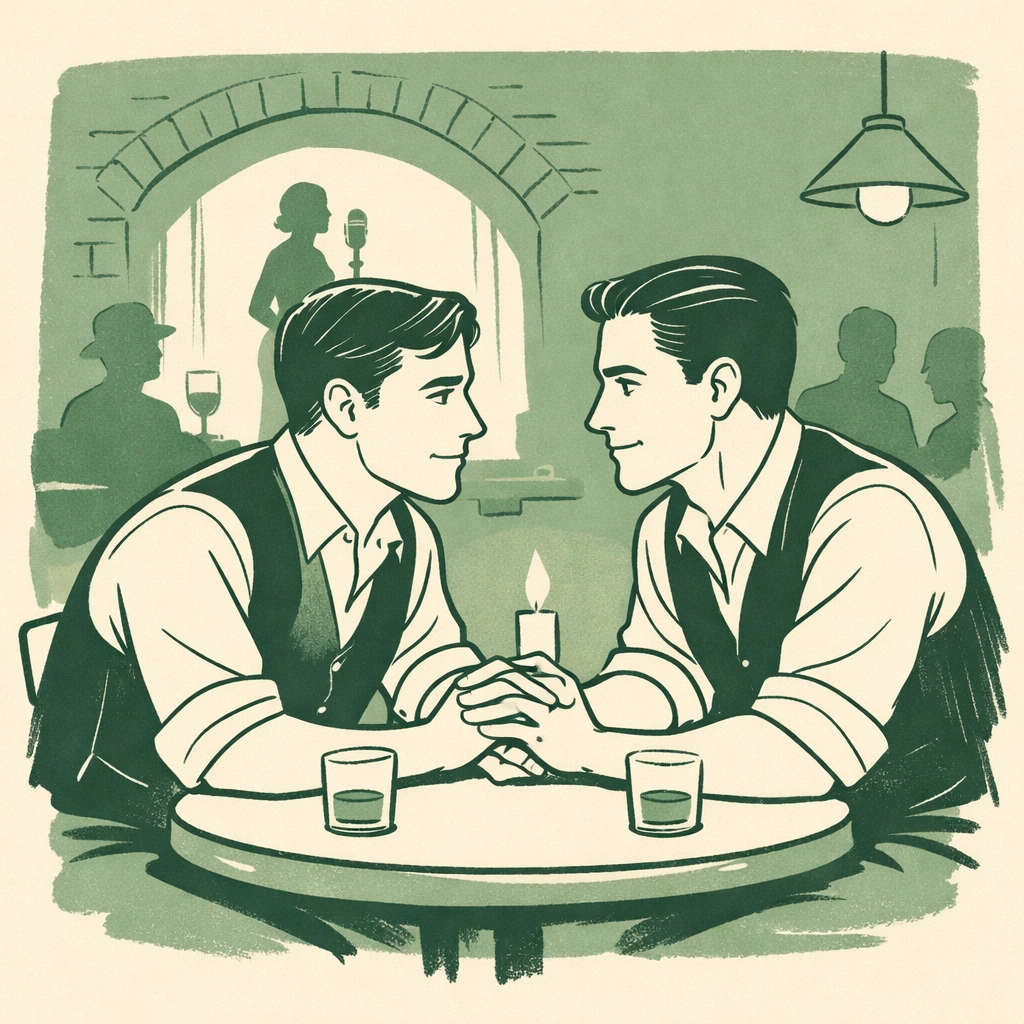
Opening in 1896, the Trocadero Long Bar (on the corner of Shaftesbury Avenue) was the place to be seen. While it catered to a mixed crowd, it was famous among the "in the know" for homosexual liaisons. It was the ultimate "cruising" spot for the upper class.
In the world of MM novels, we often see the "secret society" trope, and the Trocadero was exactly that in real life. Men would lean against the long bar, making eye contact and exchanging subtle signals that could lead to a night of romance: or a brush with the law.
6. The Caravan Club Raid of 1934
Not everything in Soho’s history was glitz and glamour. The Caravan Club, located at 81 Endell Street, was a legendary underground haunt. In 1934, police raided the club after complaints from "respectable" neighbors.
The trial that followed was a sensation. The police described the club as a "sink of iniquity" where men danced together and wore makeup. For the queer community, the raid was a devastating blow, but it also solidified Soho’s reputation as a place of resistance. If you’re looking for gay thriller inspiration, the stories of the men caught in the Caravan Club raid are as intense as any plot you’ll read.
7. 1967: The Law Finally Changes (Mostly)
The 1967 Sexual Offences Act was a turning point. It partially decriminalized homosexuality in England and Wales (though only for men over 21, in private). While it wasn't total freedom, it allowed Soho to start coming out of the shadows.
Suddenly, venues didn't have to be quite as secret. This shift is what allowed Soho to transition from a place of "vice" to a place of pride. For writers of gay contemporary romance, this era marks the beginning of the world we live in now, where the struggle for visibility moved from the basement to the street.
8. The Rise of Old Compton Street
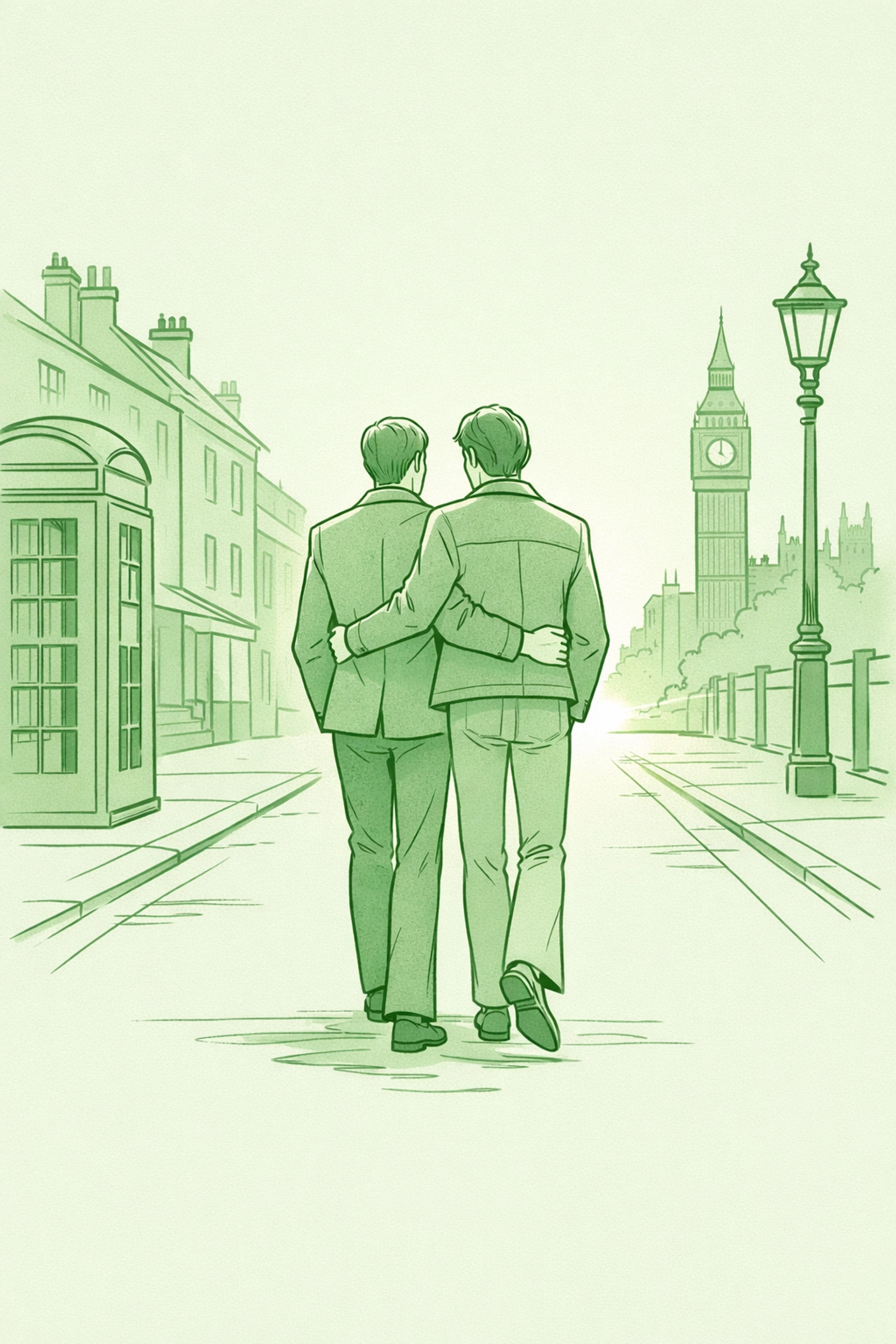
By the 1980s, Soho was truly transforming. In 1986, the Swiss Tavern became Comptons of Soho, an explicitly queer venue. No more "mixed crowds" or hiding in the back: this was a gay bar, loud and proud.
Old Compton Street became the spine of the community, lined with iconic spots like the Village and the Yard. For anyone looking for popular gay books or a sense of community, this was the place to find your tribe. It’s where many of us had our first "real" gay night out, and it remains a sacred site for the LGBTQ+ community.
9. The Admiral Duncan Bombing: Resilience in the Face of Hate
History isn't always kind. In 1999, the Admiral Duncan pub on Old Compton Street was the target of a horrific neo-Nazi nail bomb attack. Three people lost their lives, and many more were injured.
But if you want to know the spirit of Soho, look at what happened next. The community didn't run away. They didn't hide. They stood together in the street, sang, and reclaimed their space. The Admiral Duncan remains a thriving pub today, a symbol of queer resilience. It’s a "heartfelt" and "emotional" part of our history that reminds us why we continue to Read with Pride.
10. Gentrification and the Future of Queer Soho
Today, Soho is changing again. Gentrification and projects like the Elizabeth line have led to the closure of iconic spaces like the Astoria and First Out café. The queer community is constantly fighting to keep its footprint in the West End.
But as long as there are people who want to read gay love stories, there will be a need for spaces like Soho. It’s a living, breathing archive of our lives. Whether you’re visiting for a drag show or just to grab the latest MM romance books from a local shop, you’re part of that ongoing history.
Want more Queer Culture?
If you’re looking to dive into some M/M books that capture the spirit of London, or you want a steamy MM romance to take on your next trip to Soho, check out our latest releases!
Check out our full collection of LGBTQ+ eBooks here:
👉 Read with Pride Store
#GayHistory #SohoLondon #MMRomance #GayLiterature #ReadWithPride #LGBTQPlusBooks #QueerCulture #GayFiction #LondonQueerHistory #MMHistoricalRomance
Follow us on social media:
- Instagram: https://www.instagram.com/dickfergusonwriter
- X (Twitter): https://www.x.com/DickFergus94902
- Facebook: https://www.facebook.com/profile.php?id=61572869844598
- Website: www.readwithpride.com
Proactive Blog Post Options for Dick Ferguson:
- The Evolution of the Grumpy/Sunshine Trope in MM Romance: Why we can't get enough of polar opposites falling in love.
- Top 5 Hidden Gems: Underrated Gay Historical Novels You Need to Read in 2026.
- Writing High-Angst: How to Keep Readers Emotionally Invested in Your Gay Love Stories.

Leave a Reply
You must be logged in to post a comment.