

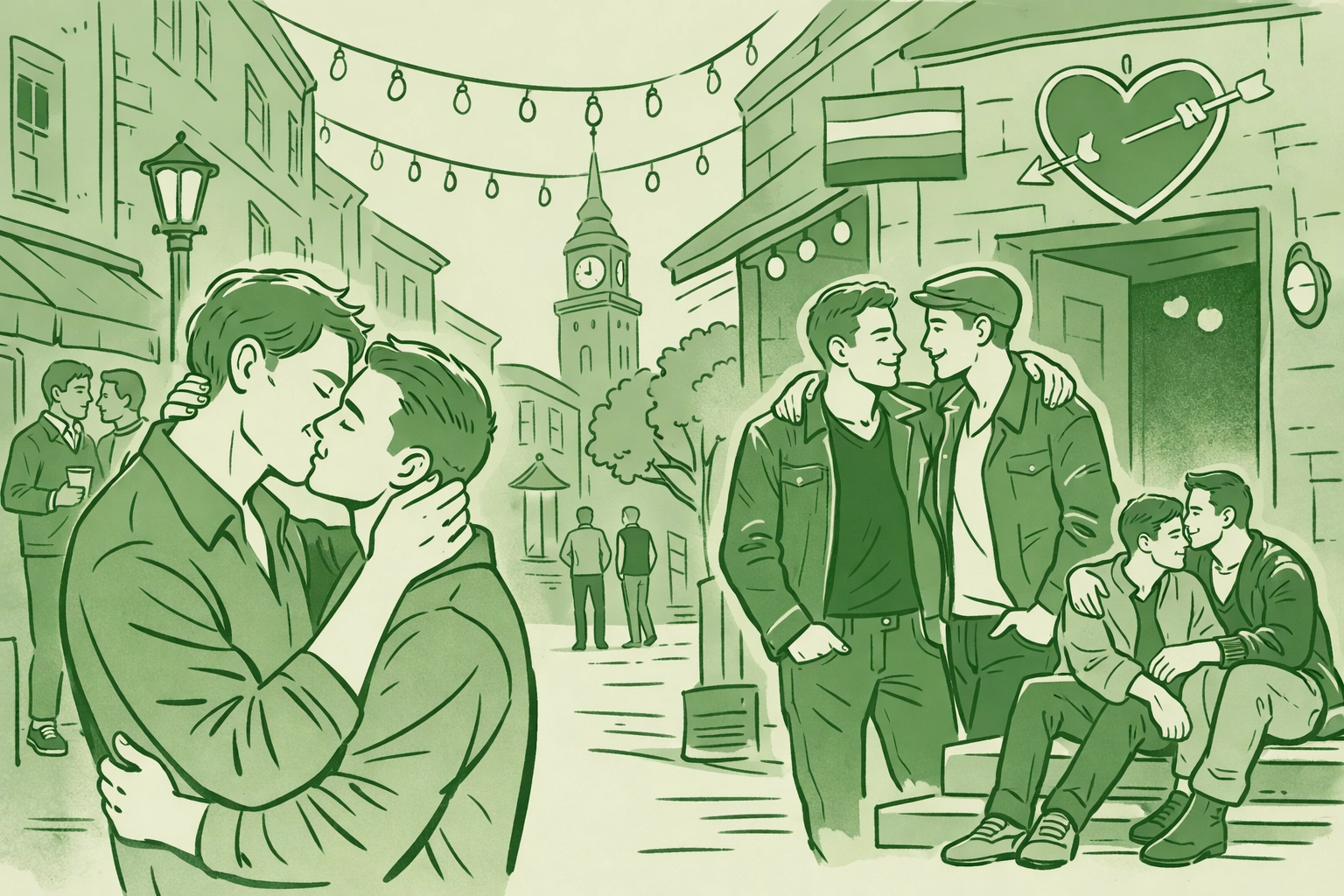
The Beauty of Being Non-Binary: Living Beyond the Binary Gaze
Before we dive deep into the cobblestone streets of London’s most famous square mile, we need to set the stage with a philosophy that has always underpinned our community, even before we had the modern language to describe it. To understand Soho, you have to understand The Beauty of Being Non-Binary: Living Beyond the Binary Gaze.
History often tries to fit people into neat little boxes: man or woman, gay or straight. But Soho has always been the place where those boxes were crushed under the heel of a fabulous boot. Living beyond the binary gaze means recognizing that identity is a spectrum, a fluid dance of self-expression that doesn't care about society’s rigid rules. When we look back at Soho’s queer history, we aren't just looking at "gay men" or "lesbians" in the traditional sense; we are looking at a rich tapestry of gender-non-conforming pioneers who paved the way for the MM romance and queer fiction we love today. They lived their lives as an act of rebellion, and that same spirit of fluidity is what makes reading with pride so essential in 2026.
The Clandestine Beginnings: 1600s to 1880s
Soho wasn't always neon lights and drag shows. In the 1600s and 1700s, it was a place of shadows. For centuries, men who loved men had to navigate a world that criminalized their very existence. Yet, even then, Soho was a magnet. It was a place where you could disappear, where the crowded streets offered a level of anonymity you couldn't find in the sleepy villages of England.
By the late 1880s, the West End was changing. New theaters were popping up, and with them came a subculture that the Victorian press dubbed "The Meat Rack." This wasn't just about sex work; it was about the visibility of a community that refused to be erased. This era was defined by icons like Oscar Wilde. Before his tragic downfall, Wilde was a regular at Soho establishments like Kettner’s. He lived a life that was "larger than life," and his presence in Soho cemented the area’s reputation as a playground for those who dared to live differently.
The Birth of the Gay Bar: 1912 and Beyond
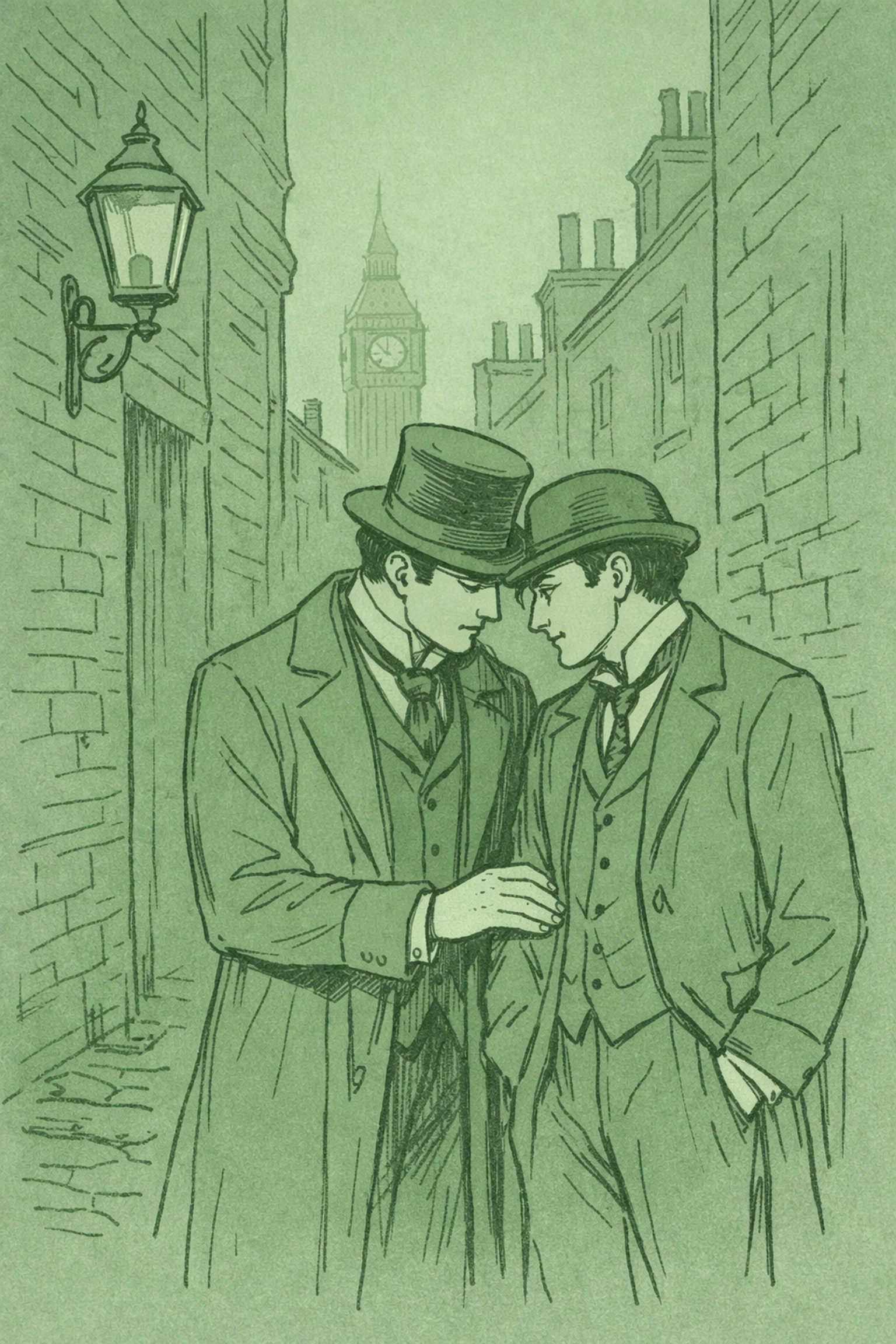
We often think of gay bars as a modern invention, but Soho was ahead of the curve. In 1912, the Cave of the Golden Calf opened on Heddon Street. It’s widely considered the first "gay bar" in the way we understand them today: a place dedicated to "gaiety" and subverting the status quo.
Then came the Trocadero Long Bar. Opened in 1896, it became a legendary haunt for gay men during the interwar years. Imagine the scene: the smoke-filled rooms, the whispered conversations, the thrill of finding someone who understood your heart in a world that demanded you hide it. These spaces were vital. They weren’t just bars; they were sanctuaries. Of course, they were also targets. The 1920s and 30s saw frequent police raids. Officers would burst in, horrified to find "men dancing with men," a sight we now celebrate at every Pride parade but one that could lead to a prison sentence back then.
Post-War Resilience and the 80s Boom
World War II changed everything, but for the LGBTQ+ community, the struggle continued. Discrimination actually pushed many people out of Soho for a while, leading to the rise of Earl’s Court. But Soho’s heart never stopped beating. In 1968, the legendary Madame Jojo’s opened, bringing cabaret and drag to the forefront.
The real "Golden Age" of modern Soho kicked off in the late 70s and 80s. In 1979, the nightclub Heaven opened, and suddenly, the community had a massive, unapologetic space to call its own. Then, in 1986, the Swiss Tavern was transformed into Comptons of Soho. This was a game-changer. It wasn't a hidden club; it was an explicitly queer venue right on Old Compton Street. It paved the way for the Village, Rupert Street, and The Yard: places that are still staples of the scene today.
This era of Soho is often the inspiration for gay historical romance and MM contemporary novels. There’s something so poignant about the mix of joy and struggle that defined the 80s: the height of the AIDS crisis met with the fierce resilience of a community that refused to stay in the closet.
Activism, Tragedy, and the Admiral Duncan
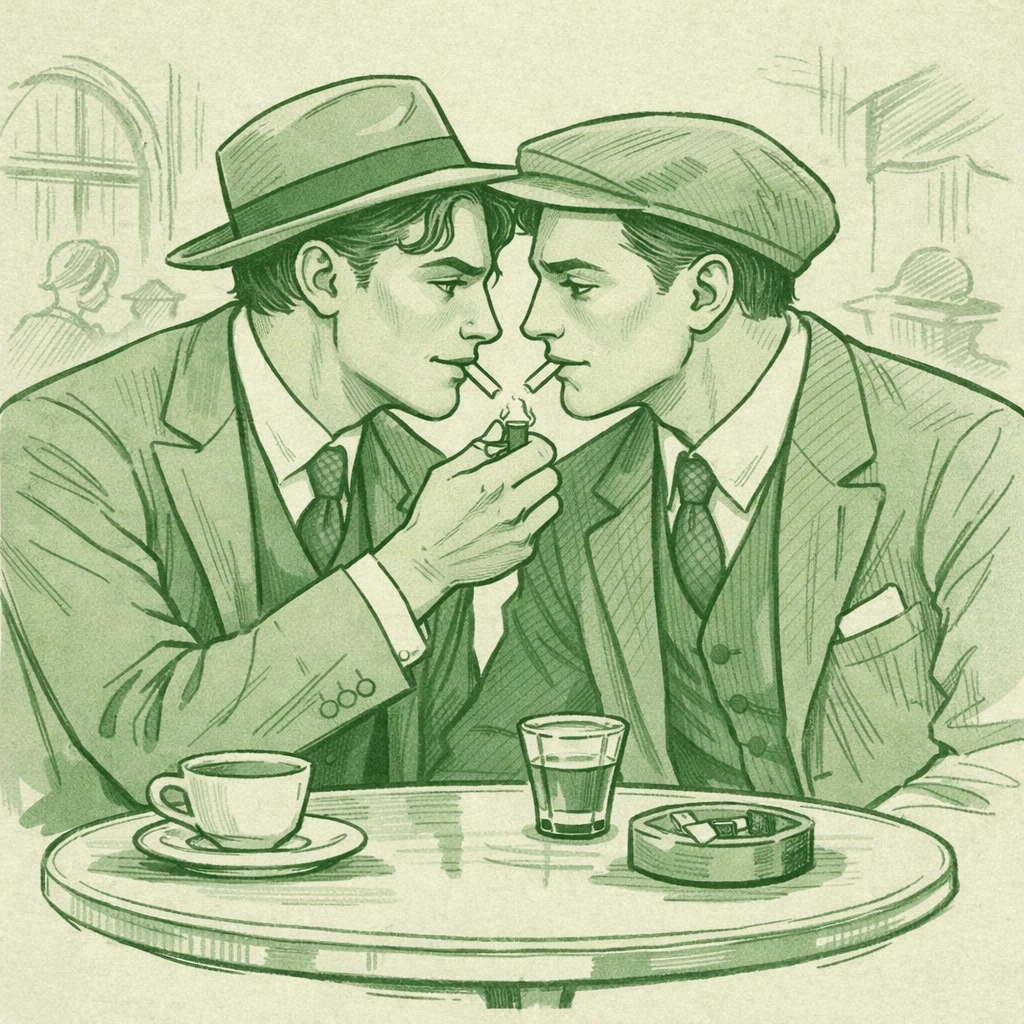
You can't talk about Soho without talking about the Gay Liberation Front (GLF). Their first meeting in 1970 and the first official UK Pride protest in 1972 were the sparks that lit the fire of modern activism. Soho became the political hub, home to Gay’s the Word bookstore (which later moved to Bloomsbury but remains a Soho spirit animal) and the Switchboard helpline.
However, with visibility comes risk. On April 30, 1999, the Admiral Duncan pub on Old Compton Street was targeted in a horrific nail bomb attack. Three people lost their lives, and dozens were injured. It was a moment of profound grief, but the response was one of unbreakable unity. The community didn't retreat; they stood their ground. Today, a memorial plaque in the pub serves as a reminder that our freedom was bought with courage and sacrifice.
Why Soho Matters to Readers and Writers
As a publisher at eBooks by Dick Ferguson, I see the influence of Soho in almost every manuscript that crosses my desk. Whether it's a gay thriller set in the winding alleys of the West End or a heartfelt gay fiction story about finding love in a crowded bar, Soho is a character in itself.
Our LGBTQ+ ebooks aim to capture that same spirit of authenticity. When you read an MM romance like The King of Spades and Broken Roses, you’re connecting with a long lineage of men who fought for the right to love. The themes of high-angst, emotional depth, and ultimate triumph are the same ones played out on the stages of Soho every night.
Even when our stories take us far away: like the journey in Blossoms and Reflections: A Journey Through Japan’s Springtime Beauty: the "Read with Pride" ethos remains. It’s about the freedom to be yourself, no matter where you are in the world.
The Modern Face of Soho: Challenges and Future
Today, Soho faces new enemies: gentrification and redevelopment. The "Crossrail" project claimed many iconic spaces, and the rising cost of rent makes it harder for independent queer businesses to survive. But the spirit of Old Compton Street remains.
As readers and fans of gay literature, we have a role to play. By supporting queer authors and staying invested in gay book clubs, we keep the stories alive. We ensure that the history of Soho isn't just something found in a museum, but a living, breathing part of our culture.
Join the Community
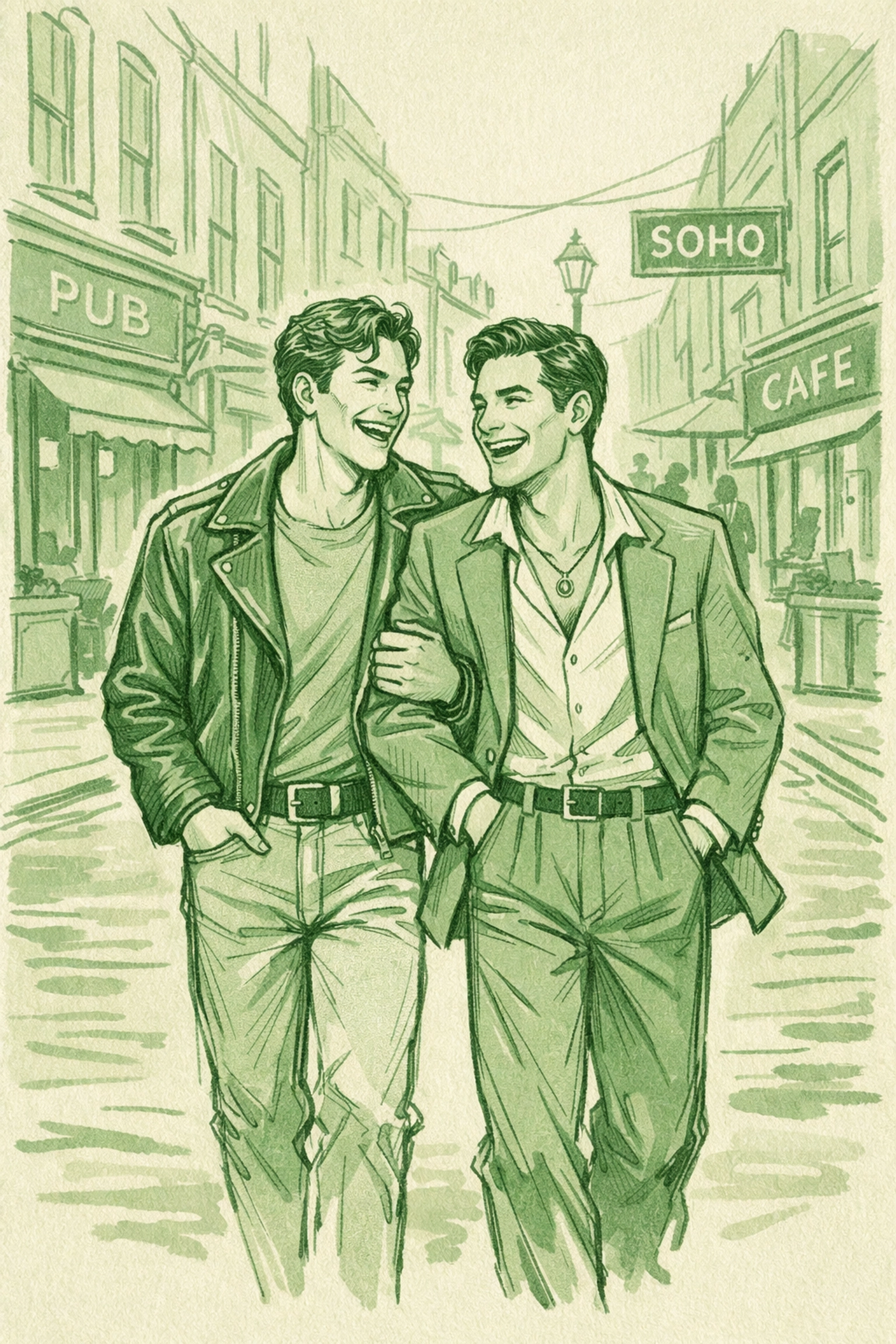
If you’re looking for your next great read, check out our latest MM romance books and gay novels. From gay spy romance to gay fantasy romance, we have something for every emotionally invested reader.
Explore the Store: Visit eBooks by Dick Ferguson
Stay connected with us for more deep dives into queer history and the best new gay releases of 2026.
Follow us on social media:
- Instagram: dickfergusonwriter
- X (Twitter): DickFergus94902
- Facebook: Dick Ferguson Writer
- Website: www.readwithpride.com
#ReadWithPride #LGBTQHistory #SohoLondon #MMRomance #GayFiction #QueerLiterature #LondonPride #GayBooks2026
Proactive Blog Suggestions for Dick:
- The Evolution of the 'Grumpy x Sunshine' Trope in MM Romance: A look at why this dynamic remains a fan favorite in 2026 and how to subvert it for modern readers.
- Hidden Gems: Queer Spaces Around the World That Inspired Our Favorite Gay Thrillers: A travel-inspired post linking real-world locations to high-stakes gay adventure romance.
- The Art of the Slow Burn: Why Emotional Depth Matters More Than Ever in Gay Contemporary Romance: Analyzing the trend toward "high-angst" and "heartfelt" storytelling in the current market.

Leave a Reply
You must be logged in to post a comment.