

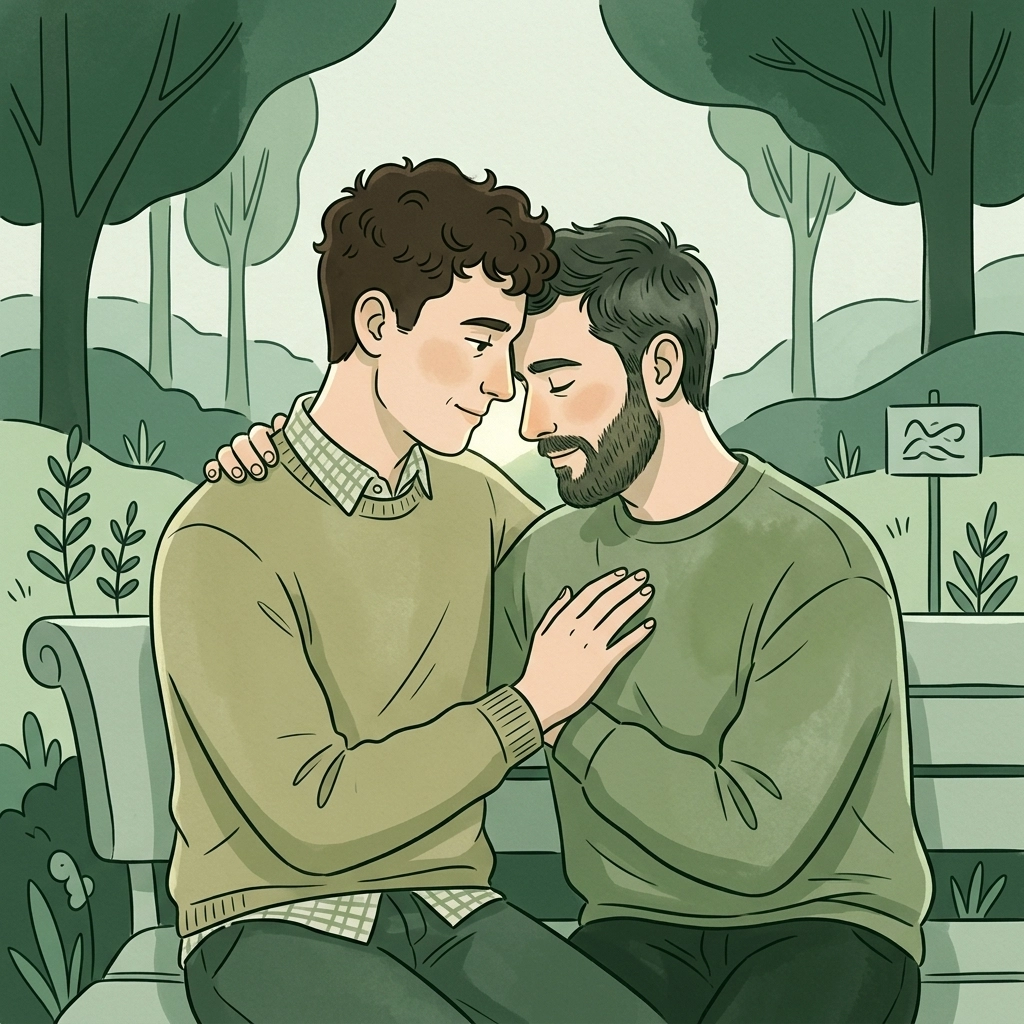
Being an ally isn't just about putting a rainbow flag in your social media bio: it’s about active learning, listening, and occasionally unlearning the stuff we thought we knew. In our vibrant community at Read with Pride, we celebrate all facets of the LGBTQ+ spectrum. However, some of the most misunderstood members of our community are those who identify as asexual (Ace) or aromantic (Aro).
If you’re a fan of MM romance or gay fiction, you might have encountered characters who fall under these umbrellas, but how does that translate to real-life allyship? Whether you’re a fellow queer person or a straight ally, you might be making some common mistakes without even realizing it.
Let’s dive into the seven mistakes you might be making when supporting your ace and aro brothers and how you can fix them right now to be the best ally possible.
1. Conflating Aromanticism with Asexuality
One of the biggest hurdles in understanding asexuality and aromanticism is the assumption that they are the same thing. They aren't.
Asexuality is about sexual attraction (or the lack thereof), while aromanticism is about romantic attraction. While some people are both (AroAce), many are not. You can be a gay man who experiences romantic attraction to other men but feels little to no sexual attraction. Conversely, you can be an aromantic man who experiences sexual attraction but has no desire for a romantic partnership.
The Fix: Stop using the terms interchangeably. When you’re talking about the community, acknowledge that these are two distinct identities. If a friend comes out to you as ace, don’t assume they don’t want a boyfriend or a husband. If they come out as aro, don't assume they’re celibate. Ask, listen, and respect the distinction.

2. Telling Them They Just "Haven't Met the Right Man Yet"
In the world of M/M books, we love a "happily ever after." We love the moment two men lock eyes and realize they’re meant for each other. But in the real world, telling an ace or aro person that they "just haven't met the right person" is incredibly dismissive. It implies that their identity is a temporary problem waiting to be solved by the right guy.
For a gay man who is aromantic, the search for a "soulmate" in the traditional romantic sense isn't on the agenda. Telling him he’ll "find the one" is like telling a gay man he just hasn't met the right woman. It invalidates who they are at their core.
The Fix: Accept that their identity is whole and complete exactly as it is. Instead of offering "hope" for a relationship they don't want, celebrate the life they are building for themselves. Their fulfillment doesn't depend on a romantic partner.
3. Treating Aromanticism as "Asexuality-Lite"
Often, aromanticism gets tucked under the wing of asexuality as if it’s just a sub-category. This does a massive disservice to the aro community. Aromanticism is its own unique experience with its own set of challenges, especially in a society (and a book genre!) that is obsessed with romantic love as the ultimate goal.
In gay romance books, the plot usually hinges on romantic tension. For an aromantic person, that narrative doesn't always resonate. By treating aromanticism as just a branch of asexuality, we ignore the specific "arophobia" they face: the idea that they are "cold" or "broken" because they don't "fall in love."
The Fix: Recognize aromanticism as a standalone identity. When you’re looking for LGBTQ+ fiction or participating in community discussions, make sure you’re specifically including and naming aromanticism.
4. Gatekeeping Queer Spaces
"Are they really queer enough?" This is a toxic question that occasionally floats around LGBTQ+ spaces regarding ace and aro folks. Because some ace or aro people can be heteroromantic or heterosexual, some gatekeepers try to push them out of the community.
However, for ace and aro men, their experience of the world is fundamentally different from the "allonormative" (people who experience attraction) standard. They face unique pressures to conform to traditional masculine roles of "the hunter" or the "family man."
The Fix: Remember that the "A" in LGBTQIA+ stands for Asexual, Aromantic, and Agender: not Ally. Ace and aro folks have been part of our history and our struggle from the beginning. Welcome them into the fold without making them "prove" their queerness.

5. Assuming They Are "Missing Out" or Lonely
There is a huge difference between being single and being lonely. Many ace and aro people have incredibly rich lives filled with deep, meaningful connections. They might have Queerplatonic Relationships (QPRs), which are non-romantic partnerships that have the same level of commitment and intimacy as a marriage.
In gay novels, we often see the "lonely bachelor" trope, but for an aro person, being "single" is a valid and often preferred way of life. They aren't "missing" a piece of the puzzle; their puzzle just looks different.
The Fix: Stop pitying your ace and aro friends. Don't try to "set them up" unless they’ve specifically asked. Instead, value the friendships they offer. To an aromantic person, a friendship isn't a "consolation prize": it’s a top-tier relationship.
6. Infantilizing Their Experiences
Sometimes, people treat asexual folks as if they are "innocent" or "pure," which can be incredibly patronizing. Asexual men are adults with adult lives, interests, and agency. On the flip side, aromantic people are sometimes treated as if they are just "immature" or "afraid of commitment."
Both of these perspectives are infantilizing. They suggest that the person hasn't "grown up" into a "normal" adult who wants sex and romance.
The Fix: Use adult language and treat their identities with the same respect you would give to any other sexual orientation. If you’re a writer or a reader of MM contemporary fiction, look for stories that portray ace and aro characters with complexity and maturity.
7. Dismissing the Identity as a "Phase" or a "Choice"
Asexuality and aromanticism are orientations, not choices. They aren't the same as celibacy (which is a choice to abstain from sex) or being "single by choice" (which is a lifestyle decision). For many in the gay love stories we read, discovering one's identity is a journey. The same is true for ace and aro folks. It's not a phase they’ll grow out of once they "get over their trauma" or "find themselves."
The Fix: Believe people the first time they tell you who they are. Even if their labels change later: because identity can be fluid: that doesn't mean their current identity is any less real.
Building a More Inclusive Community
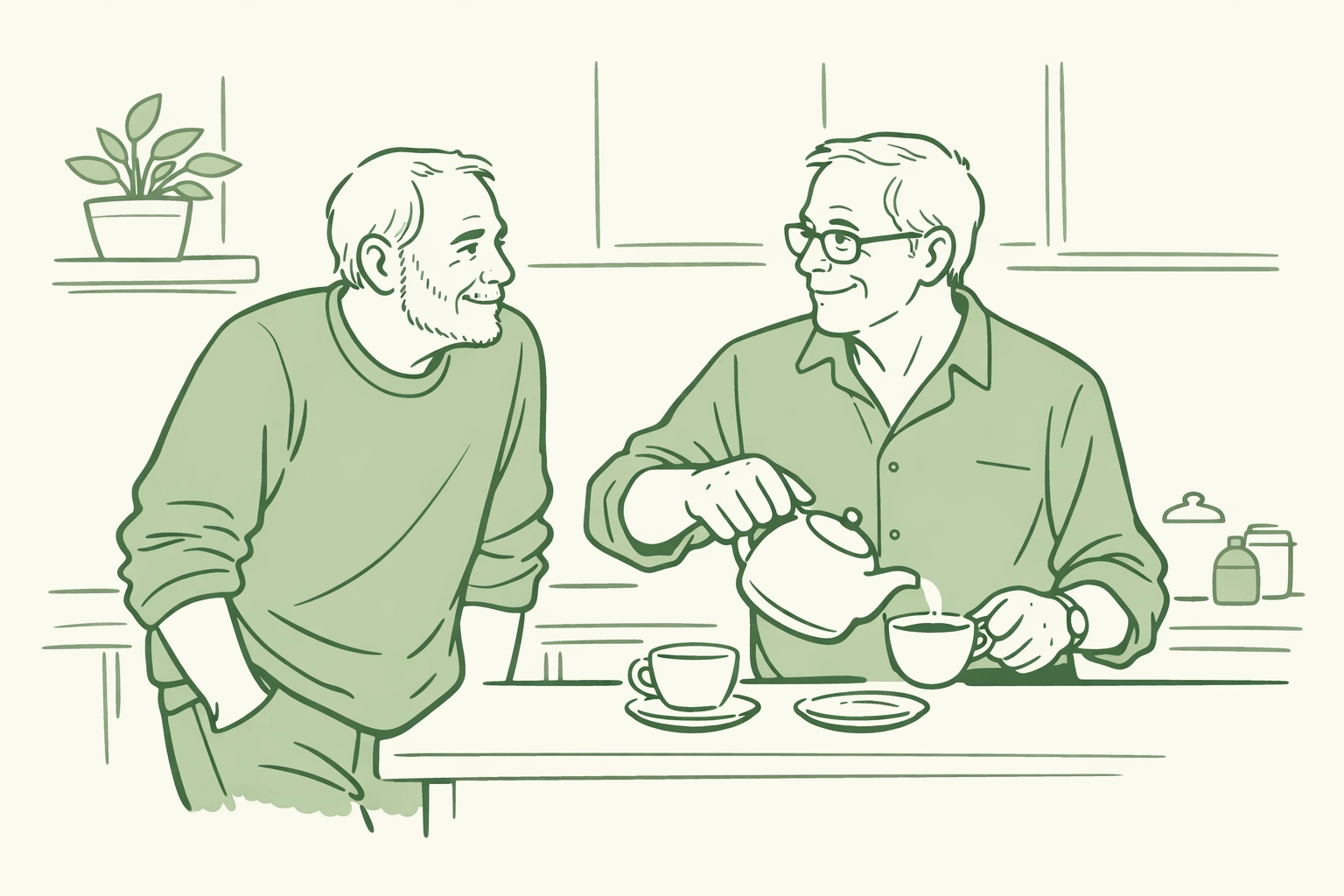
At Read with Pride, we believe that every story deserves to be told and every reader deserves to see themselves reflected in the pages of a book. Whether you’re looking for steamy MM romance, gay historical romance, or heartfelt gay fiction, being a good ally means making room for everyone.
Understanding the Split Attraction Model is a great first step. When we stop assuming that everyone experiences attraction the same way we do, we open the door to much deeper, more authentic connections with our friends, family, and the characters we love.
If you’re looking to diversify your bookshelf and support queer authors who are getting it right, check out our latest collections. From MM fantasy to gay psychological thrillers, there is a world of queer literature waiting for you.
Ready to find your next great read?
Explore our full catalog here: Read with Pride Store
#ReadWithPride #AsexualAlly #AromanticVisibility #MMRomance #LGBTQBooks #GayFiction #AceAro #QueerLiterature #GayAuthors #LoveIsLove #DiversityInBooks
Follow us on social media:
- Instagram: https://www.instagram.com/dickfergusonwriter
- X (Twitter): https://www.x.com/DickFergus94902
- Facebook: https://www.facebook.com/profile.php?id=61572869844598
- Website: www.readwithpride.com
Proactive Blog Post Options for Dick Ferguson:
- The Rise of the Queerplatonic Relationship in MM Fiction: Why "Just Friends" is Sometimes Everything.
- Beyond the Bedroom: How to Write Compelling Ace Characters in Gay Romance.
- Small Town, Big Hearts: Why the "Found Family" Trope is the Ultimate Ally to the Aro Community.

Leave a Reply
You must be logged in to post a comment.