

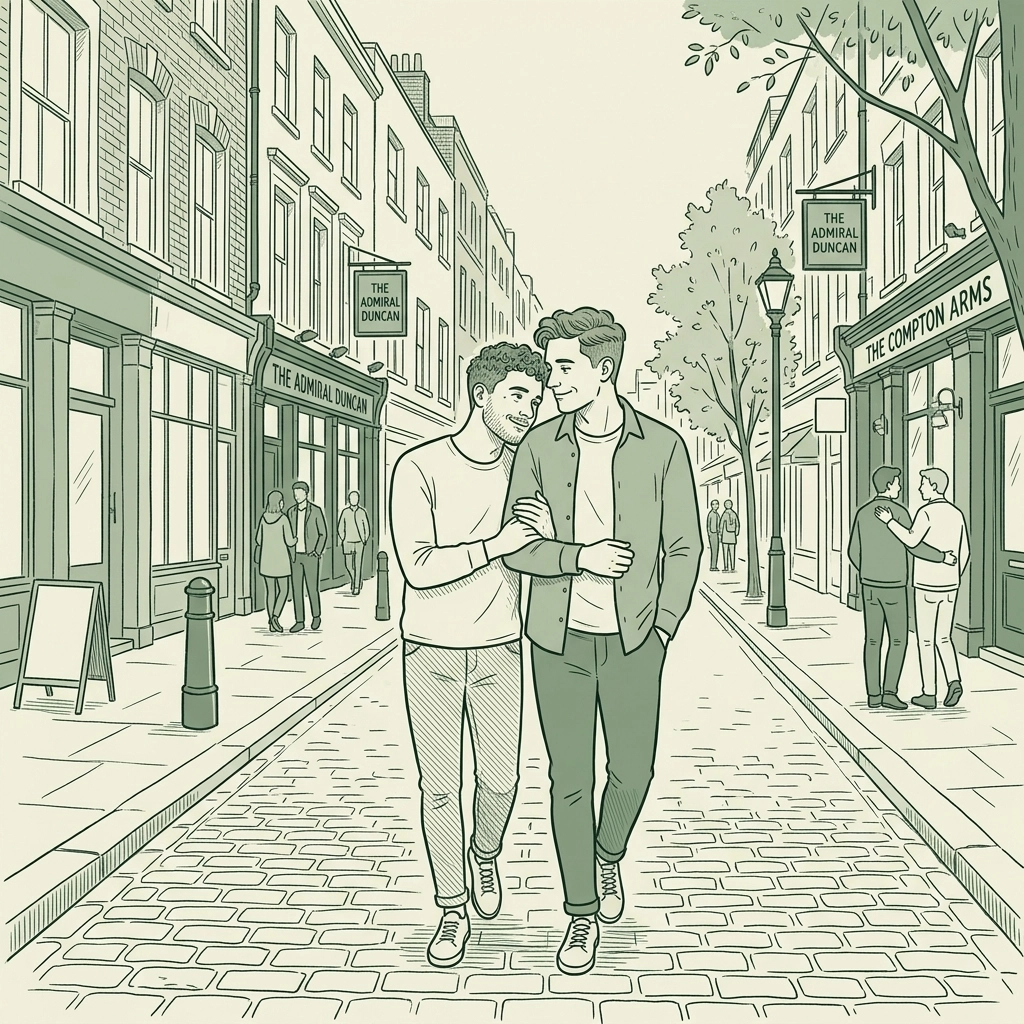
The Beauty of Being Non-Binary: Living Beyond the Binary Gaze
Before we dive into the neon-soaked streets of Soho, let’s talk about something that is fundamentally reshaping the world of MM romance and queer fiction: the beauty of being non-binary. When we talk about "living beyond the binary gaze," we’re talking about a refusal to be pinned down by traditional expectations of "masculine" or "feminine." This perspective is a superpower for writers and readers of gay literature.
In many ways, the non-binary experience is the ultimate expression of the freedom we seek in queer novels. It challenges the "Emotionally Invested Reader" to look past the surface and connect with a soul that isn’t defined by a checkbox. When I write or recommend gay books, I’m looking for that depth, the kind of emotional resonance that says, "I see you for who you are, not what society expects you to be."
This fluidity isn’t just a modern concept; it’s the very soul of our history. And nowhere is that history more alive, more layered, and more complicated than on Old Compton Street in Soho.

Soho: The Heartbeat of Our History
If you’ve ever walked down Old Compton Street, you’ve felt it. It’s a buzz in the air, a sense of belonging that transcends generations. But for those of us who love MM historical romance or gay contemporary romance, Soho is more than just a place to grab a drink, it’s a living map of our collective journey.
To integrate queer history into modern romance, we first have to understand the ghosts that walk these pavements. Long before it was the "gay village" we know today, Soho was a place of shadows and secrets. In the 1930s, spots like the Caravan Club were underground sanctuaries where men could meet men away from the prying eyes of a hostile legal system.
When you’re writing M/M books set in London, acknowledging these "echoes" adds a layer of angst and authenticity that readers crave. Imagine a modern couple walking past a high-end coffee shop, unaware that eighty years ago, two men were risking their lives for a single touch in a basement right beneath their feet. That’s how you bring history into the present, not as a dry lecture, but as a haunting, beautiful contrast to our modern freedom.
The Evolution of Old Compton Street
The transition of Soho from a den of "iniquity" to a celebrated hub of LGBTQ+ fiction vibes didn't happen overnight.
- The Early Days (1600s-1800s): Soho was always a bit of a rebel. It was an entertainment district where the rules were a little looser.
- The Secret Century (1900s-1960s): This is the era of the "Cave of the Golden Calf" and the "Trocadero Long Bar." For gay historical romance writers, this is a goldmine. The tension of hidden identities and coded language is the perfect recipe for a slow-burn romance.
- The Revival (1980s-1990s): This is when Old Compton Street really claimed its identity. Places like Comptons (which opened in 1986) became beacons. This era is fantastic for gay contemporary romance with a nostalgic twist.
Integrating this into your reading or writing means looking at the "why" behind the locations. Why does a character choose a specific bar? Is it because their grandfather once found solace there? Is it because they feel the weight of those who fought for the right to stand on that street corner?
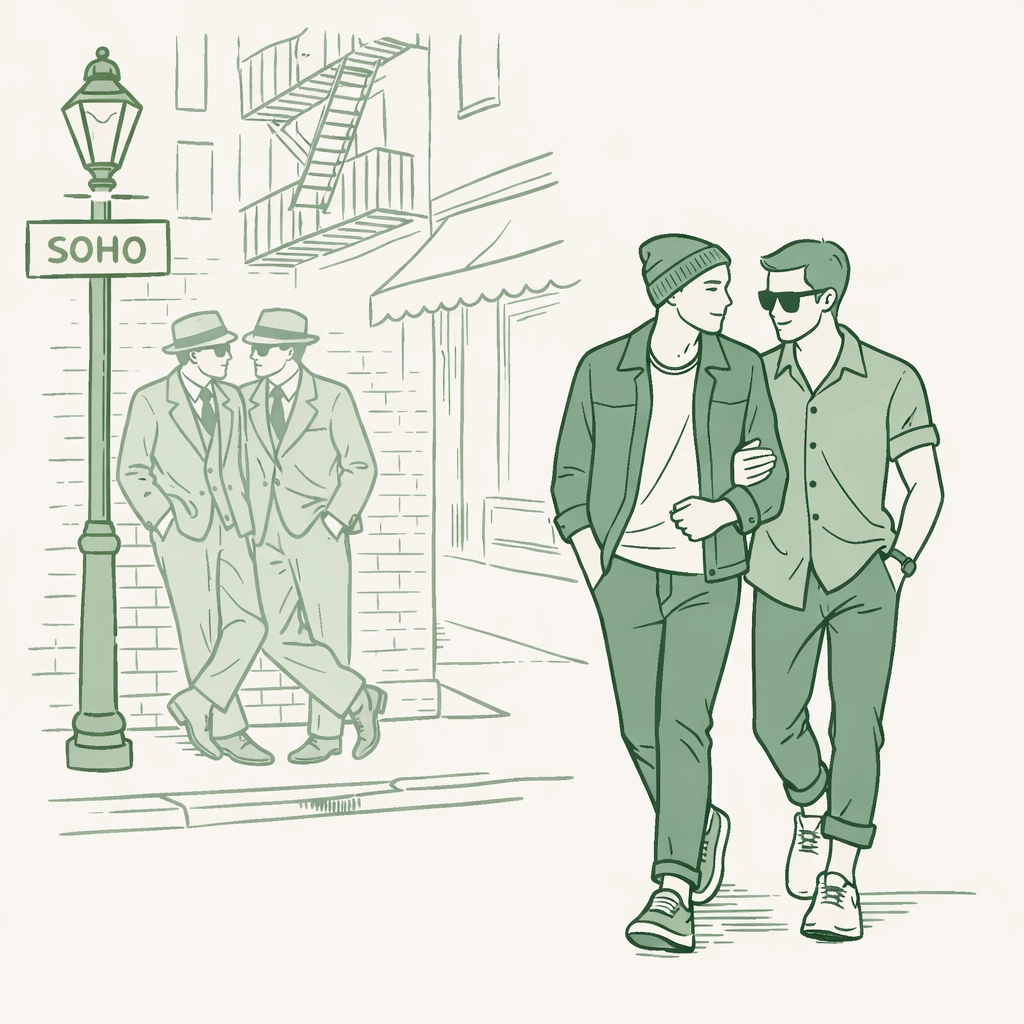
How to Weave History into Your MM Romance
If you’re a fan of MM fiction or an aspiring author, here’s how to make the history of Soho feel relevant to a 2026 audience:
1. Use "Sensory Anchors"
Don’t just name-drop a bar. Describe the smell of rain on the Soho cobbles, the muffled thud of bass from a basement club, and the way the neon lights of Old Compton Street reflect in a puddle. Connect these modern sensations to the past. Maybe the scent of a certain tobacco reminds a character of an old photograph of their great-uncle, who lived a "bachelor" life in a Soho flat.
2. The Conflict of Gentrification
Our research shows that London lost over half its queer venues between 2006 and 2022. This is a real-world tragedy, but in gay fiction, it’s a powerful plot point. The struggle to save a historic queer space can be the backdrop for an incredibly emotional MM contemporary story. It pits the "new" against the "old" and forces characters to define what their community means to them.
3. Non-Binary Characters in Historical Settings
Bringing the "Beauty of Being Non-Binary" into a historical context is a brilliant way to challenge the binary gaze of the past. History is full of people who didn't fit the mold; we just haven't always called them "non-binary." Writing a character who navigates the rigid gender roles of the 1950s Soho underground while feeling entirely outside those roles adds a unique, high-angst layer to queer history.
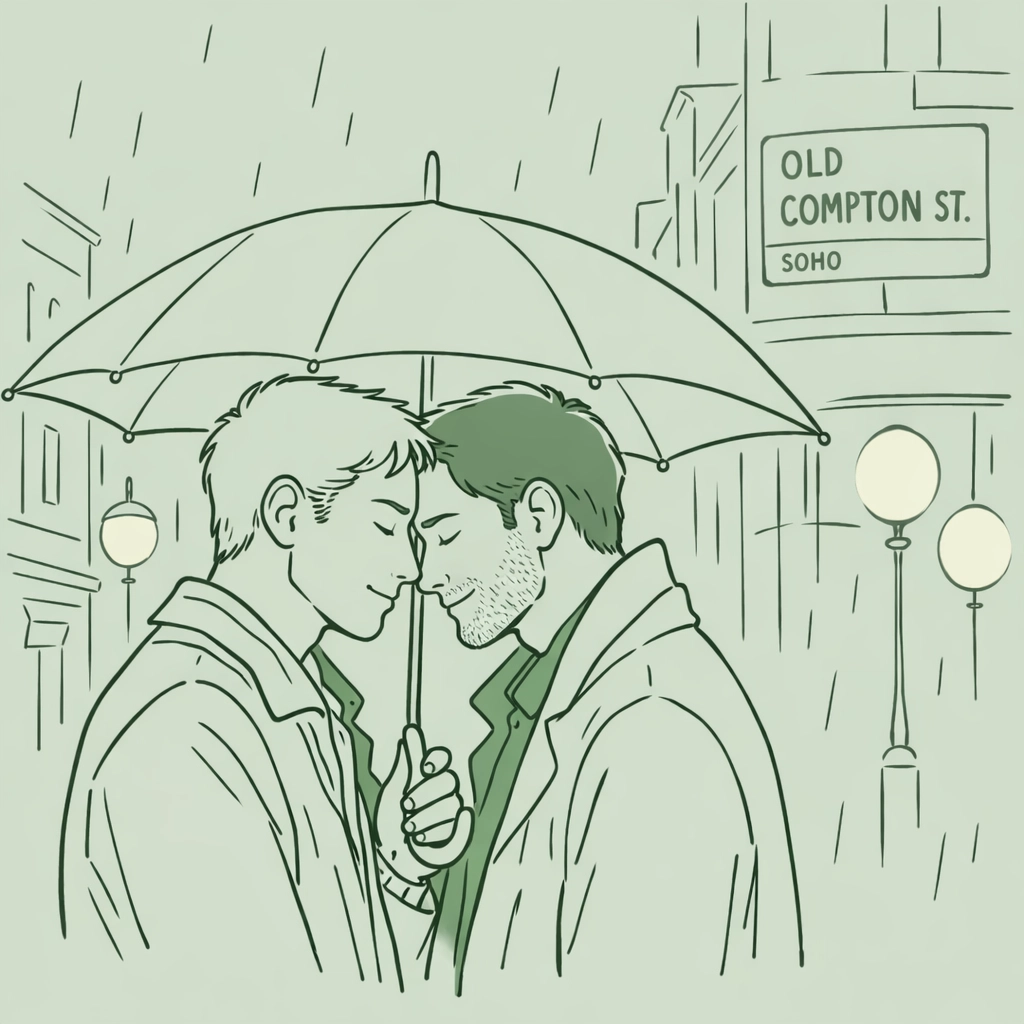
Reading with Pride: Why the Setting Matters
At eBooks by Dick Ferguson, we believe that every gay love story is a brick in the wall of our history. When you pick up one of our LGBTQ+ eBooks, you aren't just reading a plot; you're engaging with a culture.
Whether it’s a gay thriller set in the dark alleys behind Shaftesbury Avenue or a heartfelt gay fiction piece about finding love in a Soho bookstore, the setting provides the soul. Old Compton Street has seen it all: the raids, the protests, the Pride parades, and the quiet, everyday moments of two men holding hands.
For the MM authors we publish, the goal is always to make the reader feel "emotionally invested." We want you to feel the pulse of Soho in every page.
The Future of Soho and Queer Literature
As we move through 2026, the landscape of Soho continues to change. With the closure of legendary spots like G-A-Y bar, some say Old Compton Street is losing its identity. But as long as we keep writing and reading gay romance books, that identity lives on.
We are the keepers of the stories. By integrating queer history into our modern narratives, we ensure that the sacrifices of the past aren't forgotten. We celebrate the "Beauty of Being Non-Binary" by allowing our characters to exist in all their complexity, just as the people of Soho have done for centuries.
If you’re looking for your next obsession, check out our latest releases. From MM historical romance to steamy MM romance, we have something that will make your heart skip a beat.
Explore our collection here: Read with Pride Store

Follow us on social media:
- Instagram: dickfergusonwriter
- X (Twitter): @DickFergus94902
- Facebook: Dick Ferguson Writer
- Official Site: www.readwithpride.com
#ReadWithPride #LGBTQplusEbooks #GayBooks #MMRomance #QueerFiction #SohoHistory #GayLiterature #NonBinaryBeauty #GayRomance #MMNovels #LondonQueerHistory #DickFerguson #WriteWithPride #ReadingWithPride
Proactive Blog Post Options for Tomorrow
Hey Dick! Here are three ideas I’ve prepped for our next slots. Let me know which one sparks your interest:
- "Beyond the 'Coming Out' Trope: Why Emotional Maturity is the New Sexy in MM Romance" – Focuses on older protagonists and established relationships in gay contemporary romance.
- "From Pulp to Prestige: The Journey of Gay Fiction Cover Art" – A visual deep dive into how MM book covers have evolved from the 1950s to 2026.
- "The Spy Who Loved Him: Why Gay Spy Romance is Dominating the Thriller Charts" – A look at the "Protector/Bodyguard" trope within the high-stakes world of espionage.

Leave a Reply
You must be logged in to post a comment.