

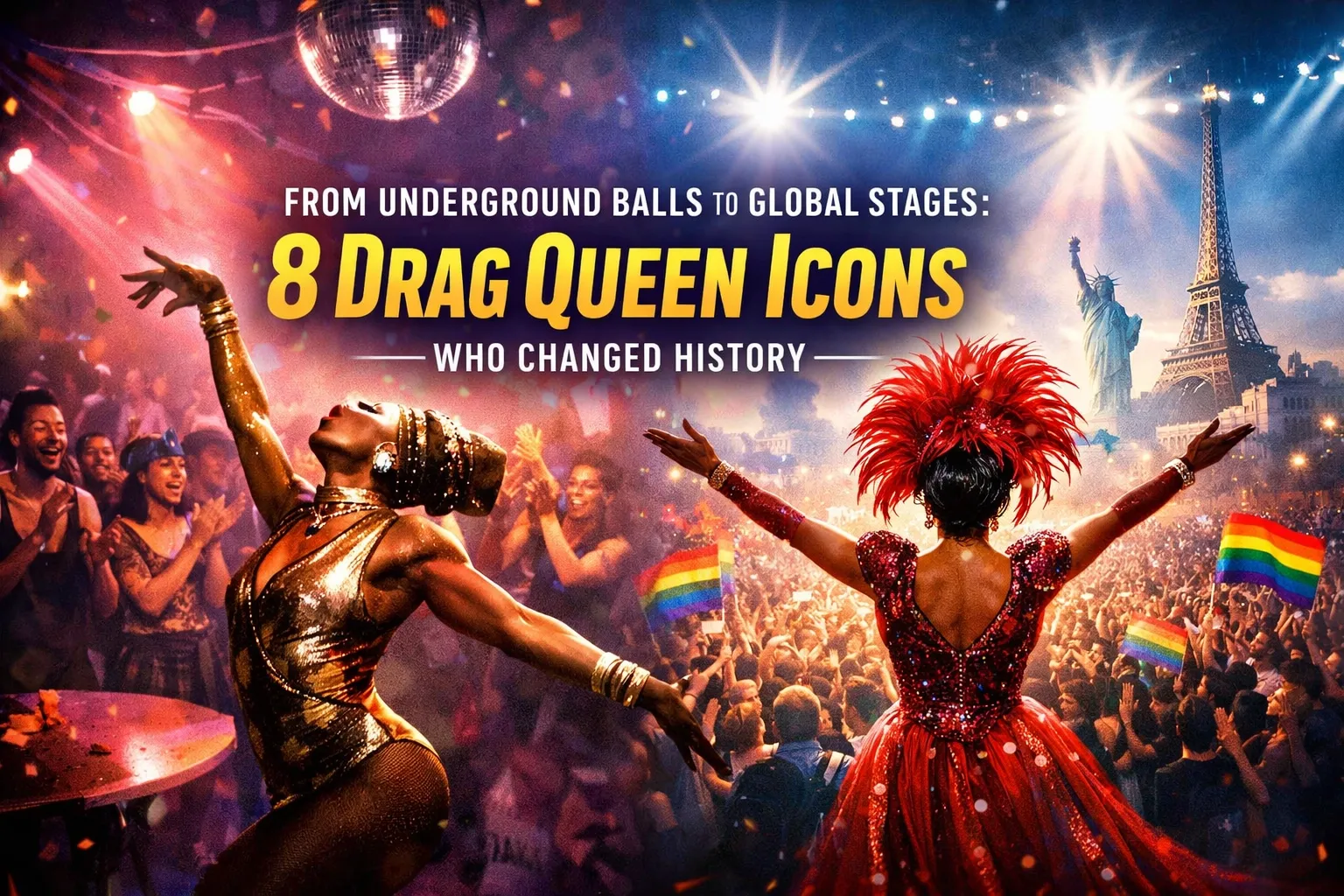
Drag culture didn't just appear out of thin air with RuPaul's Drag Race. The art of drag has roots that stretch back centuries, weaving through underground ballrooms, vaudeville stages, and revolutionary street protests. These performers didn't just entertain, they fought for visibility, dignity, and the right to exist authentically in a world that often refused to see them.
At Read with Pride, we're all about celebrating the stories that shaped our community. So let's take a deep dive into the lives of eight legendary drag queens who turned their art into activism, their pain into power, and their performances into history-making moments. These are the icons who paved the way for every queen serving looks on Instagram today. 🏳️🌈👑
William Dorsey Swann: The Original Queen of Drag (1860s-1925)
Long before the term "drag queen" entered common parlance, William Dorsey Swann was organizing the first known drag balls in Washington, D.C. Born into slavery in 1860, Swann was freed after the Civil War and moved to the nation's capital, where he worked as a waiter by day and became the self-proclaimed "Queen of Drag" by night.
Starting in the 1880s, Swann organized clandestine drag balls in his home, creating safe spaces where Black queer men could express themselves freely. These weren't just parties, they were acts of resistance. When police raided his events (which happened frequently), Swann fought back in court, becoming one of the earliest known LGBTQ activists to challenge government discrimination.
Think about that for a second: while most history books were busy ignoring queer existence entirely, Swann was literally suing the government for the right to wear a dress. Icon behavior, honestly.
Julian Eltinge: Drag Goes Mainstream (1881-1941)
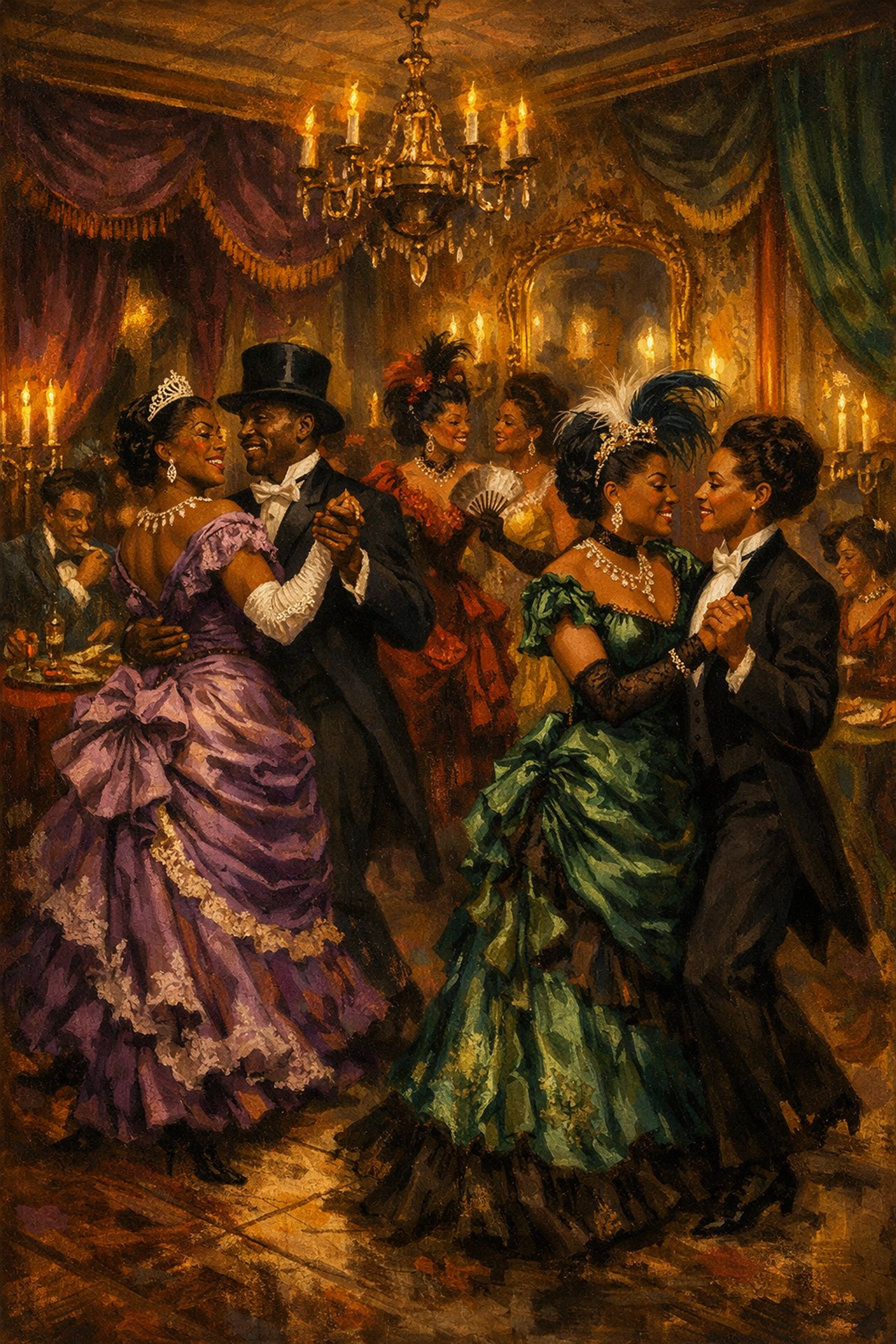
If William Dorsey Swann was drag's revolutionary, Julian Eltinge was its first celebrity. At the height of his career in the 1910s, Eltinge was one of the highest-paid actors in the world, earning $3,500 per week (that's roughly $100,000 in today's money). He performed in vaudeville, starred in Broadway shows, and even had a theater on 42nd Street named after him.
Eltinge's drag was impeccable, elaborate gowns, perfectly styled wigs, and a commitment to feminine illusion that captivated audiences nationwide. But here's the twist: offstage, Eltinge was intensely concerned with protecting his masculine image, often publicizing his love of boxing and tough-guy activities to counter any questions about his sexuality.
It's a reminder that even as drag entered mainstream entertainment, performers still had to navigate a deeply homophobic society. Eltinge's success came with compromises that many modern queens thankfully don't have to make.
Marsha P. Johnson & Sylvia Rivera: The Stonewall Warriors (1945-1992 & 1951-2002)
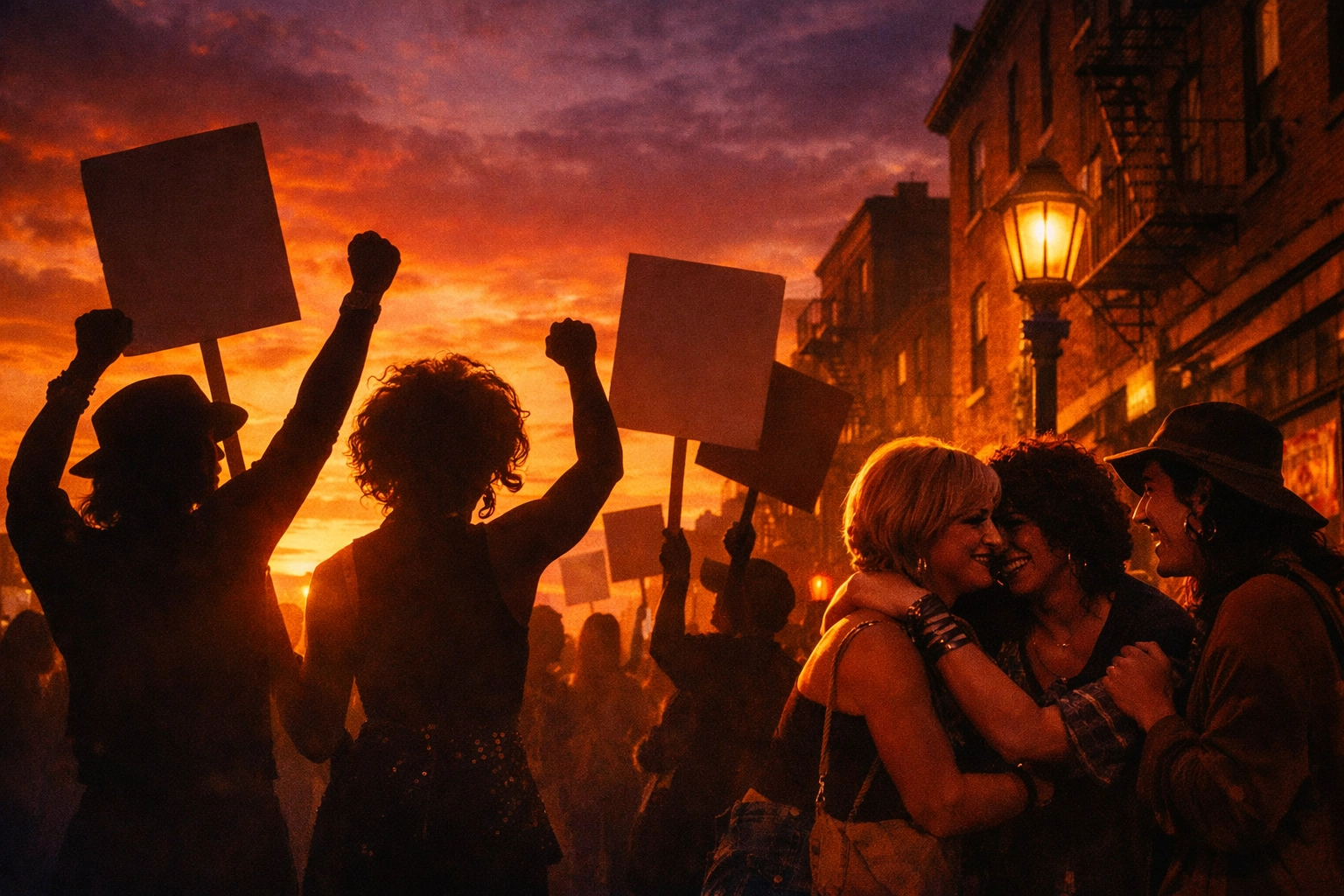
You can't tell the story of LGBTQ+ history without talking about Marsha P. Johnson and Sylvia Rivera, the trans activists who became the beating heart of the post-Stonewall movement. While some historians debate the exact details of their involvement in the 1969 Stonewall riots, there's no debate about their decades of advocacy that followed.
Marsha, whose middle initial stood for "Pay It No Mind," her response to questions about her gender, was a fixture in New York's Greenwich Village. She modeled for Andy Warhol, performed with the drag troupe Hot Peaches, and co-founded Street Transvestite Action Revolutionaries (STAR) with Sylvia Rivera.
STAR provided housing and support for homeless queer youth, particularly trans women and drag queens who had been rejected by their families. While mainstream gay rights organizations were busy trying to present a "respectable" image, Marsha and Sylvia were on the streets, doing the actual work of caring for the community's most vulnerable members.
Sylvia was particularly vocal about the discrimination trans people faced within the broader LGBTQ+ movement. She famously confronted the gay rights establishment in 1973, demanding that trans rights be included in the movement's agenda. Her speech at that rally, raw, angry, and unapologetically authentic, remains a rallying cry for trans justice today.
Crystal LaBeija: The Mother of Ballroom Culture (1930s-1982)
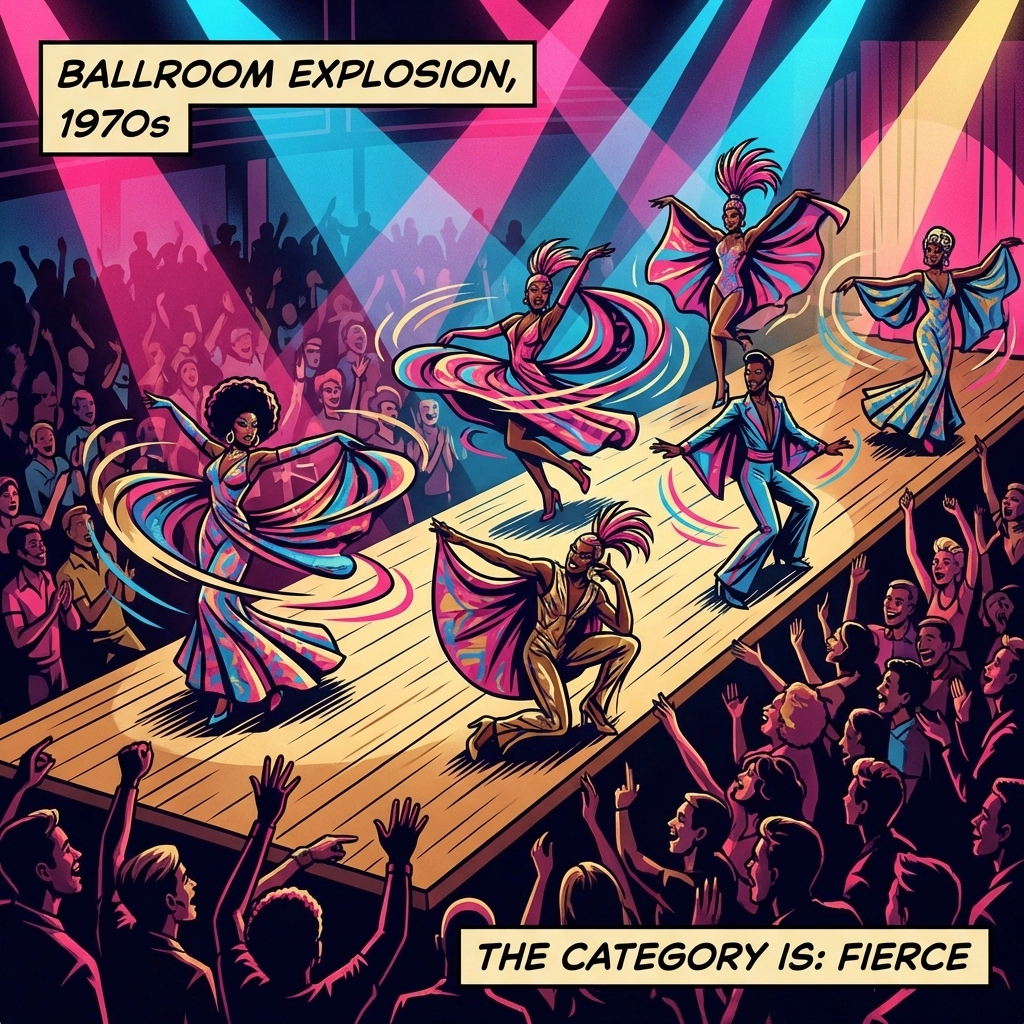
If you've watched Pose or heard of voguing, you need to know Crystal LaBeija's name. After facing racism in predominantly white drag pageants, Crystal founded the House of LaBeija in 1972, creating one of the first "houses" in New York's ballroom scene.
These houses weren't just competitive dance crews, they were chosen families. For Black and Latinx queer and trans youth who had been rejected by their biological families, houses provided community, mentorship, and a sense of belonging. Crystal became "mother" to countless children, offering guidance, support, and fierce competition on the ballroom floor.
The ballroom scene Crystal helped create gave birth to voguing, reading, and the entire "category is" culture that has now permeated mainstream pop culture. From Madonna's "Vogue" to Beyoncé's "Formation," Crystal's legacy is literally everywhere, even if her name isn't always credited.
Divine: Drag's Outrageous Outlaw (1945-1988)
Divine didn't want to be elegant or respectable, she wanted to shock you, disgust you, and make you question everything you thought you knew about gender and performance. As the muse of filmmaker John Waters, Divine became the face of "trash cinema" and underground queer culture in the 1970s and 80s.
With her shaved-back hairline, exaggerated makeup, and willingness to do literally anything on camera (yes, including that scene in Pink Flamingos), Divine pushed drag into territory that made even the underground uncomfortable. But that was exactly the point. Divine's drag was punk rock: aggressive, confrontational, and unapologetically queer.
Beyond shock value, Divine was a legitimate talent. Her performance in Hairspray showed her range as an actress, and her disco singles like "You Think You're a Man" were actual club hits. She proved that drag queens could be pop stars, movie stars, and cultural revolutionaries all at once.
RuPaul: Bringing Drag to the Masses (1960-Present)
Love her or love to critique her, RuPaul Andre Charles fundamentally changed what it means to be a drag queen in America. Starting in Atlanta's underground club scene and eventually landing a major label record deal in the early 90s, RuPaul became drag's first mainstream ambassador.
"Supermodel (You Better Work)" brought drag into MTV rotation. Her talk show brought drag into daytime television. And RuPaul's Drag Race, which premiered in 2009, turned drag from a niche art form into a global phenomenon with millions of viewers worldwide.
Ru's success opened doors for an entire generation of queens, creating career opportunities that simply didn't exist before. Drag went from underground ballrooms and dive bars to sold-out arena tours and brand endorsements. That's the RuPaul effect.
Of course, with mainstream success comes criticism. Many in the drag community have called out Ru for gatekeeping what "real" drag looks like and for policies around trans contestants that felt exclusionary. The conversation around Ru's legacy is complicated: which is probably appropriate for someone who changed an entire art form.
Sasha Velour: The Intellectual Revolutionary (1987-Present)
After Drag Race turned drag into mainstream entertainment, Sasha Velour reminded everyone that drag could also be high art. Winning Season 9 of Drag Race with her now-legendary rose petals reveal, Sasha brought a level of conceptual depth to drag that felt revolutionary for reality TV.
With a degree in Russian literature and a background in magazine publishing (she created the drag magazine Velour), Sasha approaches drag as theater, art, and political statement all rolled into one. Her performances incorporate surrealism, queer theory, and references that might fly over casual viewers' heads: but that's kind of the point.
Sasha represents the "Art House Drag" movement, where the focus shifts from fishy glamour to gender deconstruction and conceptual performance. Her show Smoke & Mirrors toured internationally, proving that drag audiences were hungry for work that challenged them intellectually while still delivering stunning visuals.
Pabllo Vittar: Drag's Global Pop Sensation (1993-Present)
While American drag was having its mainstream moment, Brazilian artist Pabllo Vittar was redefining what a drag queen could achieve in the music industry. With over 10 million monthly listeners on Spotify and collaborations with Major Lazer and Charli XCX, Pabllo isn't just a drag queen who sings: she's a legitimate pop star who happens to do drag.
Her songs blend Brazilian pop, reggaeton, and electronic music, and she performs almost exclusively in drag, challenging the notion that artists need to "de-drag" to be taken seriously. Pabllo's success in Latin America and Europe shows that drag culture is truly global, with different expressions and traditions around the world.
She represents the future of drag: international, genre-blending, and completely refusing to choose between art and commerce, between drag and mainstream success.
From William Dorsey Swann's secret ballrooms to Pabllo Vittar's stadium shows, drag culture has always been about more than just entertainment. It's been a form of survival, resistance, and joy in the face of a world that tried to erase queer existence entirely.
These eight icons: and countless others who deserve their own spotlight: transformed drag from a criminalized act into an art form celebrated worldwide. They created communities, challenged norms, and proved that gender is a performance we're all giving, whether we're in a gown or not.
Want to explore more LGBTQ+ stories and culture? Check out our collection of queer fiction and MM romance that celebrates love in all its forms. Because representation matters: in history books, on stages, and definitely in the books we read. 📚🏳️🌈
Follow Read with Pride for more LGBTQ+ content:
#DragQueenHistory #LGBTQHistory #DragCulture #QueerIcons #MarshaPayItNoMind #DragQueens #QueerHistory #ReadWithPride #LGBTQBooks #QueerFiction #PrideReading #MMRomance #GayBooks #LGBTQ2026 #RepresentationMatters

Leave a Reply
You must be logged in to post a comment.