

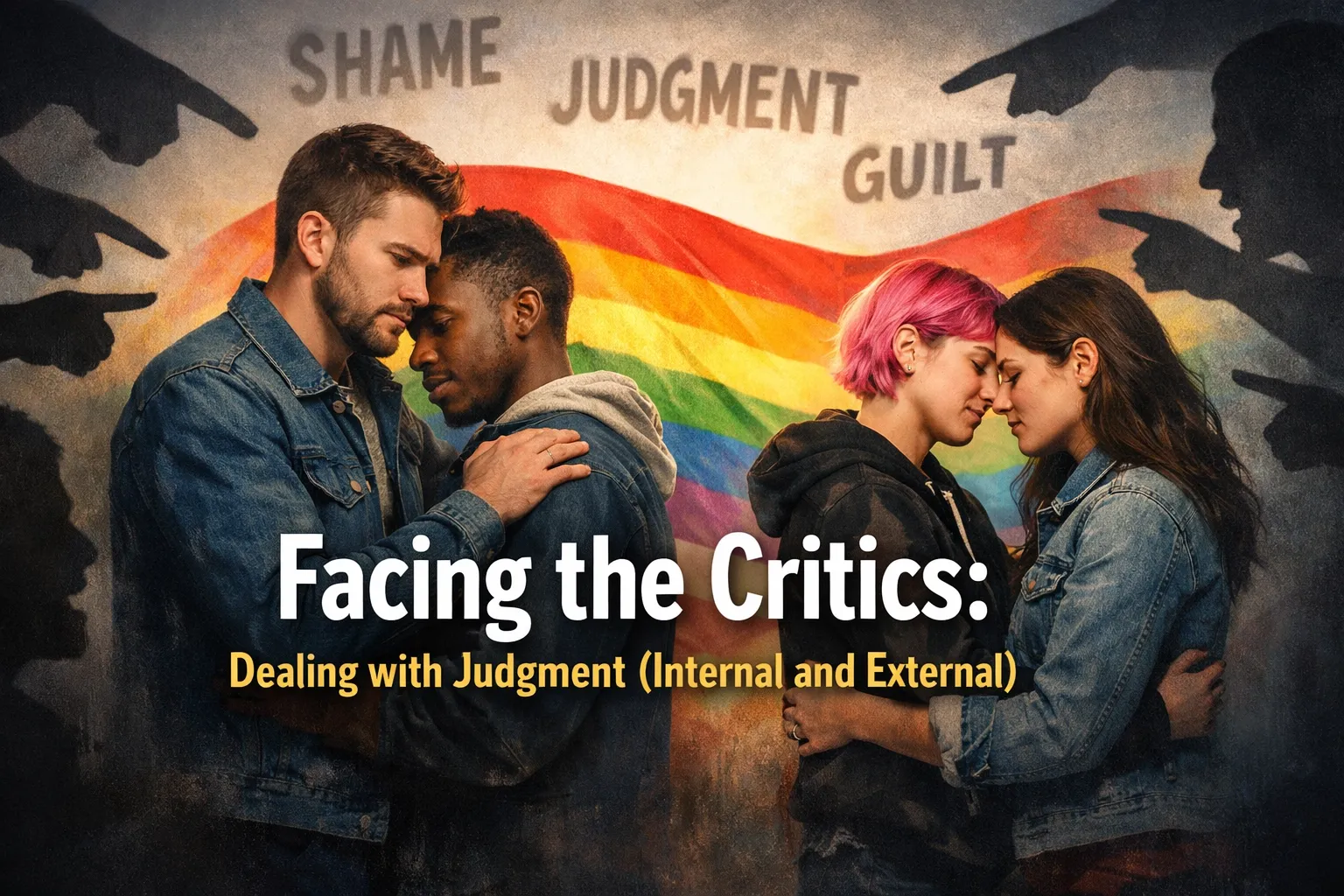
Let's get real for a second. Being a drag queen isn't all standing ovations and dollar bills raining down. Behind every flawless contour and death drop is someone who's probably had to scroll past hateful comments, sit through awkward family dinners, and stare at their reflection wondering if they're good enough. Welcome to the part of drag nobody puts on Instagram: the mental marathon of dealing with judgment.
And honey, the judgment comes from everywhere. The trolls online who have nothing better to do. The relatives who "just don't understand." The club owner who books you once and never again. But here's the kicker: sometimes the harshest critic isn't in the comment section or at the dinner table. Sometimes it's the voice in your own head at 3 AM, whispering that you're a fraud in a $300 wig.
The External Noise: When the World Won't Shut Up
External criticism comes in flavors ranging from mildly annoying to soul-crushing. There's the casual homophobia from strangers on the street who feel entitled to comment on your existence. The online trolls who hide behind anime avatars while spewing hatred. The "well-meaning" family members who ask when you're going to get a "real job" or why you "have to be so public about it."
Here's what they don't teach you in Drag 101: you can't control what people say, but you can control how much real estate it gets in your brain.
The trick? Learning to sort the signal from the noise. Constructive criticism from a fellow queen about your makeup technique? That's gold. Random keyboard warrior calling you slurs because they're having a bad life? That's garbage. And garbage goes where it belongs: in the bin, not in your heart.
Some performers develop what they call a "stage persona firewall." When you're in drag, you're playing a character: an amplified, bedazzled version of yourself. That persona becomes a shield. The hate isn't directed at you; it's directed at the illusion, the art, the performance. It's a mental trick that creates distance between your authentic self and the vitriol.
But even with that distance, it hurts. And that's okay. Acknowledging the pain doesn't make you weak. It makes you human.
The Family Factor: When Home Doesn't Feel Safe

Let's talk about the judgment that cuts deepest: the kind that comes from people who are supposed to love you unconditionally. Not every drag queen has a supportive family cheering from the front row. Some are dealing with parents who refuse to use their drag name. Siblings who won't come to shows. Relatives who pretend this entire part of your life doesn't exist.
This brand of criticism is wrapped in love language, which makes it even more insidious. "We're just worried about you." "Why can't you tone it down?" "What will the neighbors think?" It's judgment disguised as concern, and it's exhausting.
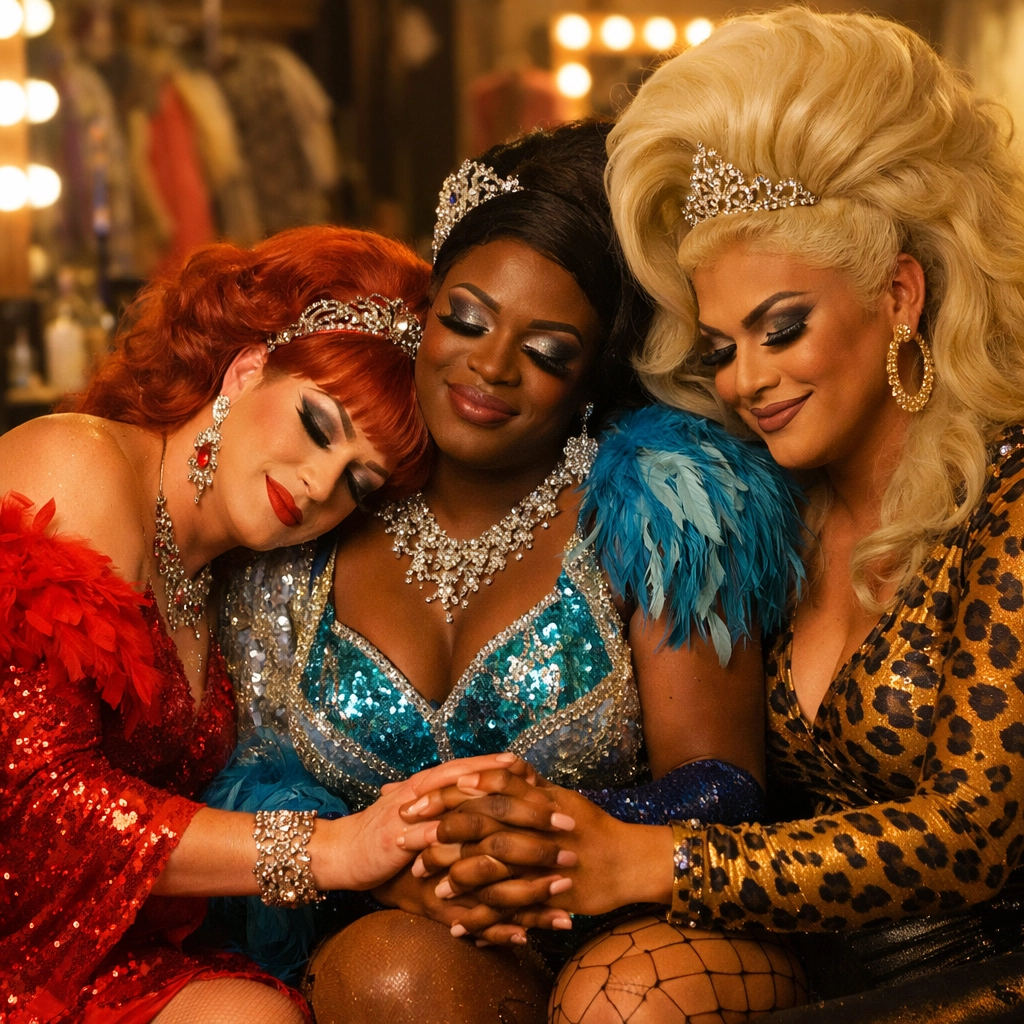
The hard truth? You can't force people to understand or accept you, not even family. What you can do is build your own chosen family: the sisters, brothers, and siblings in sequins who get it. The people at Read with Pride understand this better than most: sometimes the stories that save us are the ones that show us we're not alone in feeling like outsiders in our own homes.
Setting boundaries becomes an act of self-preservation. You don't have to attend every family event where you'll be misgendered or criticized. You don't owe anyone access to your performances if they're going to spend the whole time judging. Protecting your peace isn't selfish: it's necessary.
The Internal Battlefield: When You're Your Own Worst Enemy
Here's the plot twist nobody sees coming: after you've built up armor against the external critics, you discover the final boss is your own brain. Welcome to imposter syndrome in drag: the nagging feeling that you're not a "real" queen, that you're just playing dress-up while everyone else has it figured out.
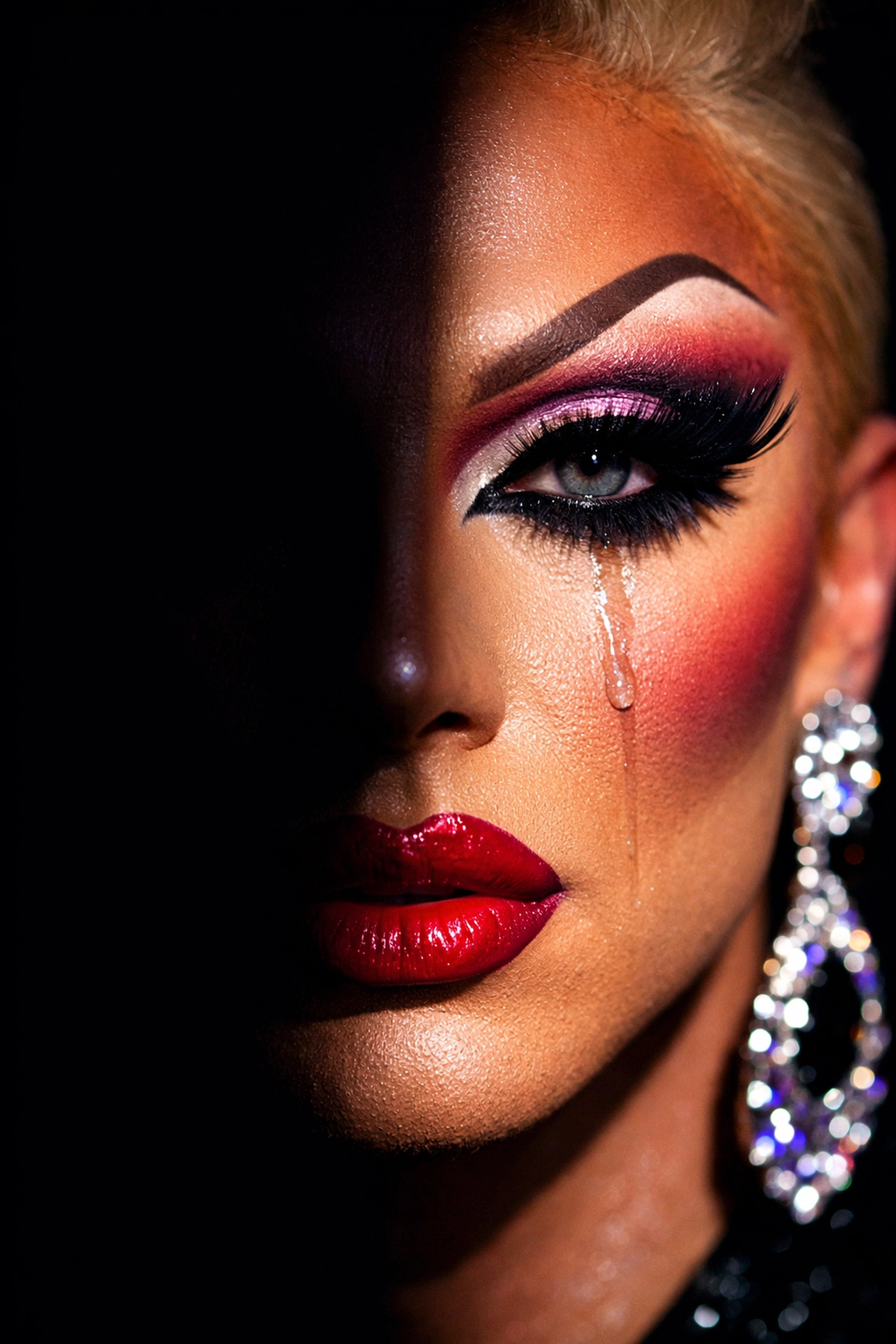
The pressure to always be "on" is relentless. Drag queens are expected to be funny, fierce, flawless, and fearless 24/7. One bad performance and your inner critic starts writing your resignation letter. Someone else books the gig you wanted? Clearly, you're not good enough. Another queen goes viral on TikTok while your content gets 47 views? Must be because you're mediocre.
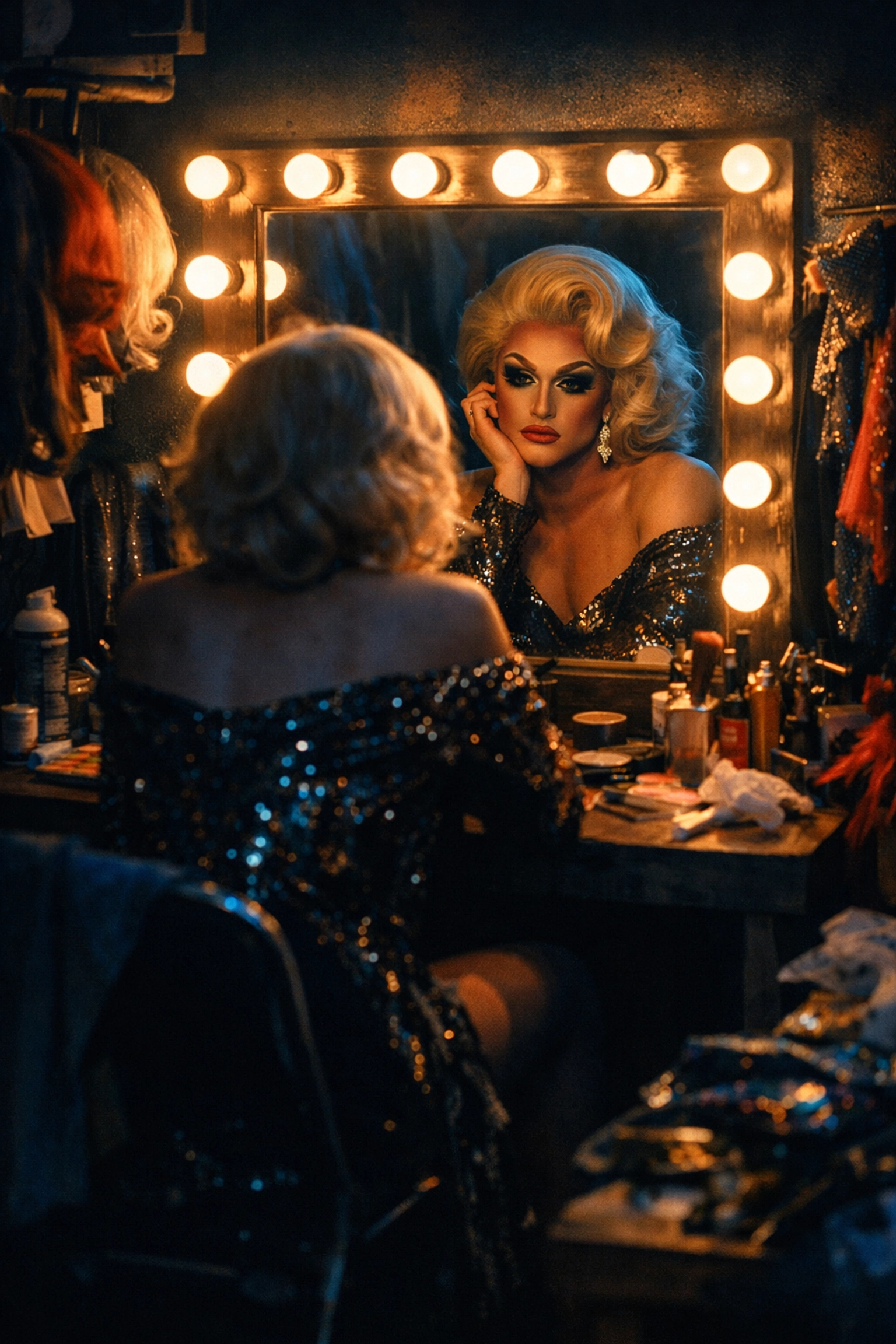
Self-doubt is the rent we pay for being artists. Every performer: from the legendary to the just-starting-out: has sat in that dressing room spiral. Am I too old for this? Too fat? Too masculine? Not pretty enough? Not funny enough? Not political enough? Not entertaining enough?
The dangerous part about internal judgment is that it sounds like truth. It uses your own voice, your own knowledge of your flaws, your own fears. It knows exactly where to punch to make it hurt.
But here's what drag queen mental health really looks like in practice: it's not about eliminating the doubt. It's about performing anyway. It's showing up even when your brain is a war zone. It's stepping into the lights while your imposter syndrome is backstage screaming that you're a fraud.
Building Armor (And Knowing When to Take It Off)
So how do you survive? How do you keep performing when it feels like the world: and your own mind: is against you?
First, you get selective about whose opinions actually matter. If someone isn't in the arena, getting dragged, taking risks, and putting themselves out there, their criticism gets downgraded. Easy to judge from the cheap seats.
Second, you find your people. Other queens who understand the grind. Communities like the readers and writers at Read with Pride who celebrate LGBTQ+ stories and lives without apology. Therapists who specialize in LGBTQ+ issues and performance anxiety. Online spaces where vulnerability isn't weakness.
Third, you document the good. Keep the nice DMs. Record the moments when someone says your performance changed their life. Write down the compliments. When the imposter syndrome comes calling (and it will), you've got receipts proving it wrong.
Fourth, you give yourself permission to be human. You don't have to be "on" all the time. You can have bad performances. You can skip a gig to protect your mental health. You can take a break from social media. Self-love for performers isn't about positive affirmations in the mirror: it's about treating yourself with the same compassion you'd show a fellow queen who's struggling.
The Long Game: Resilience Isn't a Costume
Here's the thing about dealing with LGBTQ+ criticism and internal doubt: it's not a battle you win once and it's over. It's an ongoing practice, like tucking or contouring or remembering lyrics. Some days you'll have your armor on tight and criticism will bounce right off. Other days you'll be raw and vulnerable and one mean comment will ruin your whole week.
That's not failure. That's being alive.
The queens who last in this industry: who build real careers, who touch lives, who create art that matters: they're not the ones who never feel doubt. They're the ones who feel it and keep going anyway. They're the ones who build thick skin around a soft heart. They're the ones who know when to fight back and when to walk away. They're the ones who understand that external validation is nice, but internal validation is essential.
Because at the end of the night, when the makeup comes off and you're just you again, you have to be able to look at yourself and think, "I showed up. I tried. I was brave." That's the real performance. That's the one that matters most.
And if you ever forget that, remember: every queen you admire has felt what you're feeling right now. They just learned how to walk through the fire in heels.
Connect with us:
Follow @Read_With_Pride on X and @read.withpride on Instagram for more LGBTQ+ content, MM romance recommendations, and stories that celebrate our community.
#DragQueenMentalHealth #LGBTQCriticism #ImposterSyndrome #SelfLoveJourney #DragCommunity #QueerResilience #ReadWithPride #MMRomance #LGBTQFiction #QueerStories #DragLife #MentalHealthMatters #LGBTQSupport #ChosenFamily #QueerArt #2026Pride

Leave a Reply
You must be logged in to post a comment.