


At Read with Pride, we’ve always believed that the heart of queer fiction is its ability to reflect the full, messy, beautiful spectrum of human experience. When we talk about our community: especially in the world of MM romance and queer fiction: we often focus on the spark of attraction, the tension of a first kiss, or the deep emotional bond between two men. But there is a vital part of our community that often gets overlooked in the mainstream rush to define "love": our asexual and aromantic siblings.
Asexuality and aromanticism are more than just "missing" pieces of the puzzle; they are powerful identities that challenge how we think about intimacy, partnership, and fulfillment. If you’re an ally looking to broaden your understanding, or a reader who loves gay novels but wants to see a more inclusive world on the page, this guide is for you.
A Guide to Understanding Asexuality and Aromanticism for Allies
First things first: let’s break down the terminology. It might feel like alphabet soup at first, but it’s actually quite simple once you understand the "Split Attraction Model."
Asexuality (often shortened to "Ace") refers to people who experience little to no sexual attraction to others. This doesn’t mean they can’t be in relationships, and it doesn't mean they are "broken." It just means that sexual desire isn’t the primary driver for them.
Aromanticism (often shortened to "Aro") refers to people who experience little to no romantic attraction. They might not experience that "spark" or the desire for traditional dating and marriage, but they still have deep, meaningful connections with others.
Many people identify as both (AroAce), but others might be "Alloromantic Asexual" (meaning they feel romantic love but not sexual attraction) or "Aromantic Allosexual" (meaning they feel sexual attraction but not romantic love).
In the world of gay fiction and M/M books, we often see a heavy emphasis on the physical side of things. While we love a steamy scene as much as anyone, acknowledging the Ace and Aro experience adds a layer of emotional depth that resonates with every emotionally invested reader.
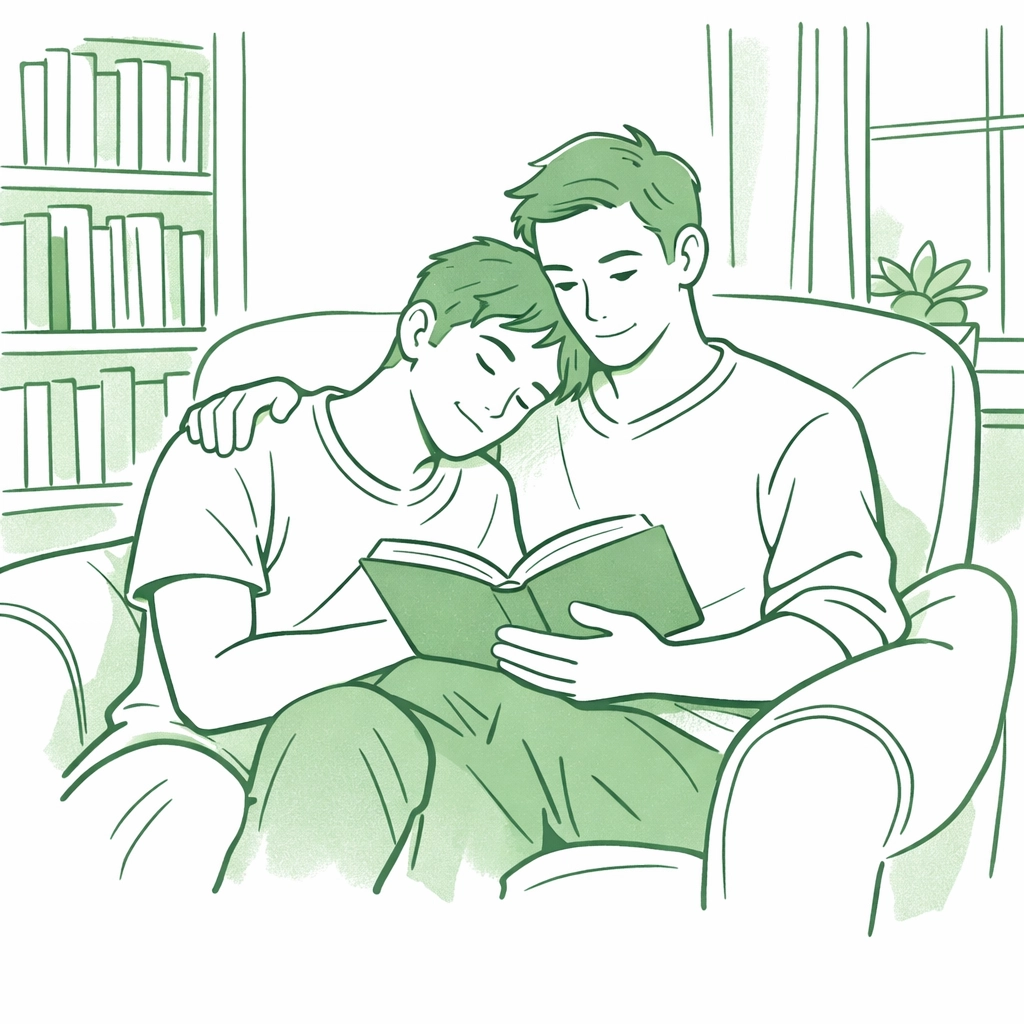
Challenging Amatonormativity
Wait, a what? Amatonormativity is a big word for a simple (and often frustrating) concept: the societal assumption that everyone is better off in an exclusive, romantic, and sexual relationship, and that this type of relationship is the "ultimate goal" of life.
Our community: the LGBTQ+ community: has always been about breaking norms. We’ve fought for the right to love who we want, but part of that fight involves the right not to love in the way society expects us to. Asexual and aromantic people are at the forefront of this. They remind us that:
- Friendship can be just as vital as romance.
- A "happily ever after" doesn't always require a wedding ring.
- Platonic love is not "second best."
For those of us who write or read popular gay books, incorporating these perspectives makes our stories richer. It allows us to explore queerplatonic relationships: partnerships that are more than "just friends" but don't fit the traditional romantic mold. These stories are essential for LGBTQ+ reading lists because they validate the lives of people who have felt invisible even within queer spaces.
Why Ace and Aro Voices Belong in Our Community
There’s a common misconception that if someone doesn’t experience sexual attraction, they don’t "need" the LGBTQ+ community. This couldn't be further from the truth.
Asexual and aromantic people face many of the same struggles as gay, bi, and trans people. They deal with a "pathologization" of their identities (being told they just haven't "found the right person" or that it’s a medical issue). They face isolation in a world obsessed with sex and romance. And, quite frankly, they are often excluded from the very spaces meant to protect them.
When we include Ace and Aro voices in our gay book clubs and literature, we strengthen the whole community. They offer fresh perspectives on how to build nurturing, satisfying lives that aren't dependent on traditional scripts. They teach us about consent, boundaries, and the importance of defining attraction for ourselves.
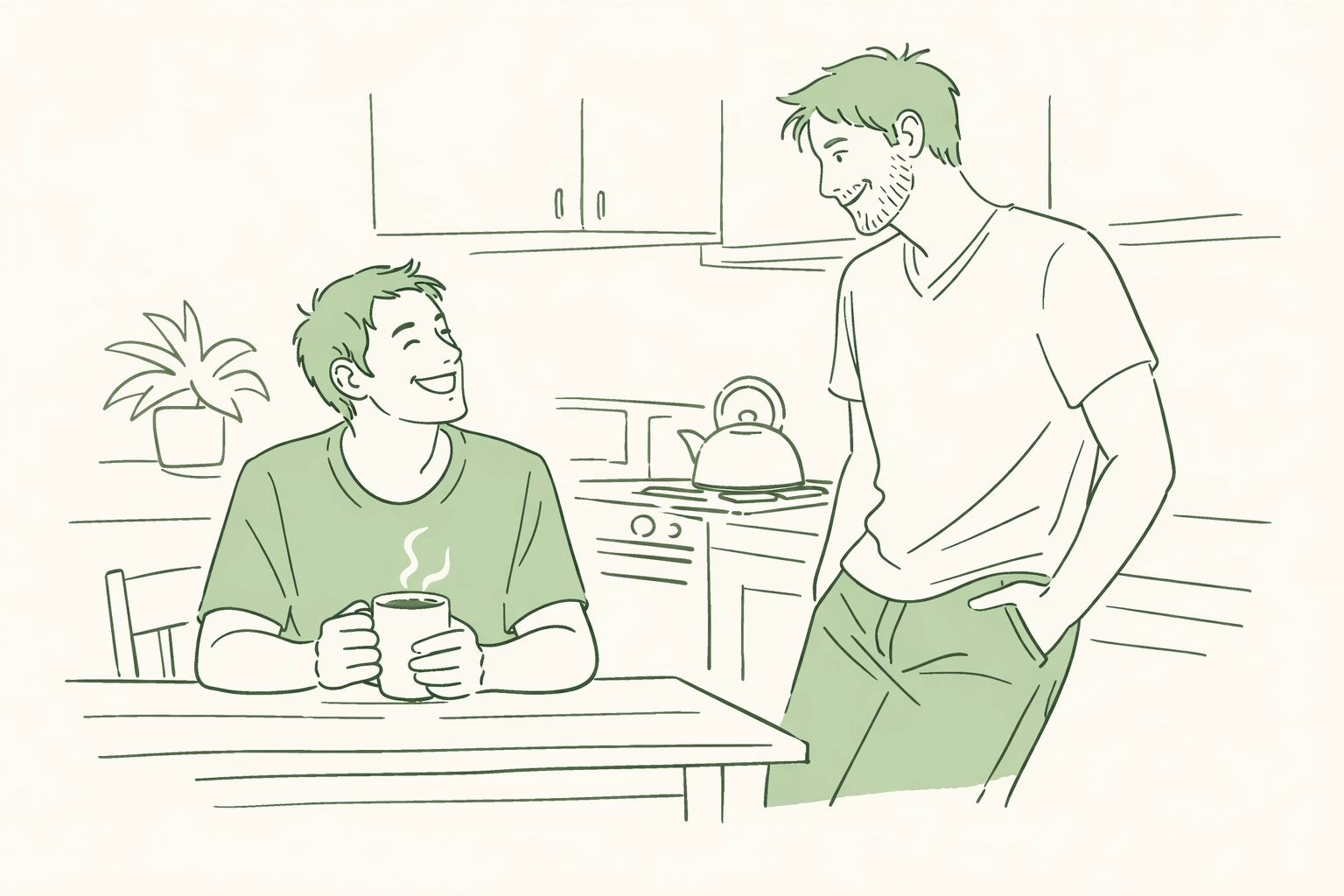
How to Be a Better Ally
Being a good ally to the Ace and Aro community isn't hard, but it does require some intentionality. Here are a few ways to start:
- Validate their identity. Don't ask "Are you sure?" or suggest it's a phase. Believe people when they tell you who they are.
- Mind your language. Try to avoid phrases like "everyone wants [X]" or "it’s human nature to feel [Y]."
- Diversify your bookshelf. Look for MM fiction or queer fiction that features asexual or aromantic characters. (Hint: check out our E-Book Store for stories that dive deep into emotional intimacy!)
- Challenge the "Sex Sells" narrative. Support stories where the emotional arc isn't tied to a bedroom scene. High-angst, emotional MM books often find their power in the unspoken bond between characters, which is a perfect space for Ace/Aro representation.
Finding Representation in Gay Literature
As a publisher focusing on best MM romance and gay literature, we know that representation matters. Whether it’s a gay historical romance or a gay psychological thriller, the presence of an asexual character can completely change the dynamic of a story in a fascinating way.
Think about the "slow burn" trope. For an asexual character, that burn isn't necessarily about the physical payoff; it’s about the building of trust, the shared history, and the emotional safety. That is something every reader can relate to, regardless of their own orientation.
At eBooks by Dick Ferguson, we are committed to highlighting these nuances. From gay fantasy romance to contemporary MM, we want to ensure that every reader sees a version of themselves: or learns about a version of someone else: within our pages.

A Call to Action for the Emotionally Invested Reader
If you love gay love stories, we challenge you to look for the stories that sit outside the "standard" box. Look for the narratives that prioritize companionship and deep emotional bonds. By supporting Ace and Aro authors and characters, you are helping to build a more inclusive world where "Pride" truly means everyone.
We’re not just talking about 2026 gay books; we’re talking about a movement toward a more empathetic and diverse understanding of what it means to be human. Let’s make sure that when we say "Read with Pride," we are including the entire spectrum.
Explore our latest releases and find your next favorite story at our Read with Pride Store.
Follow us on social media for more updates, book recommendations, and community discussions:
- Instagram: https://www.instagram.com/dickfergusonwriter
- X (Twitter): https://www.x.com/DickFergus94902
- Facebook: https://www.facebook.com/profile.php?id=61572869844598
- Website: www.readwithpride.com
#LGBTQ #Asexuality #Aromanticism #ReadWithPride #MMRomance #GayBooks #QueerFiction #AllyshipMatters #GayLiterature #MMFiction
Proactive Blog Post Options for Dick Ferguson:
- The Art of the Slow Burn: Why Emotional Tension Beats Steam Every Time – A deep dive into the "Slow Burn" trope in MM contemporary and why it's perfect for readers who crave high-angst and emotional payoff.
- Top 5 MM Fantasy Romance Series to Binge This Weekend – A curated list of the best gay fantasy romance titles, focusing on world-building and epic male/male love stories.
- Beyond the Cover: The Importance of Realistic Character Flaws in Gay Fiction – A look at why readers connect with "imperfect" protagonists in gay novels and how it enhances the reading with pride experience.

Leave a Reply
You must be logged in to post a comment.