

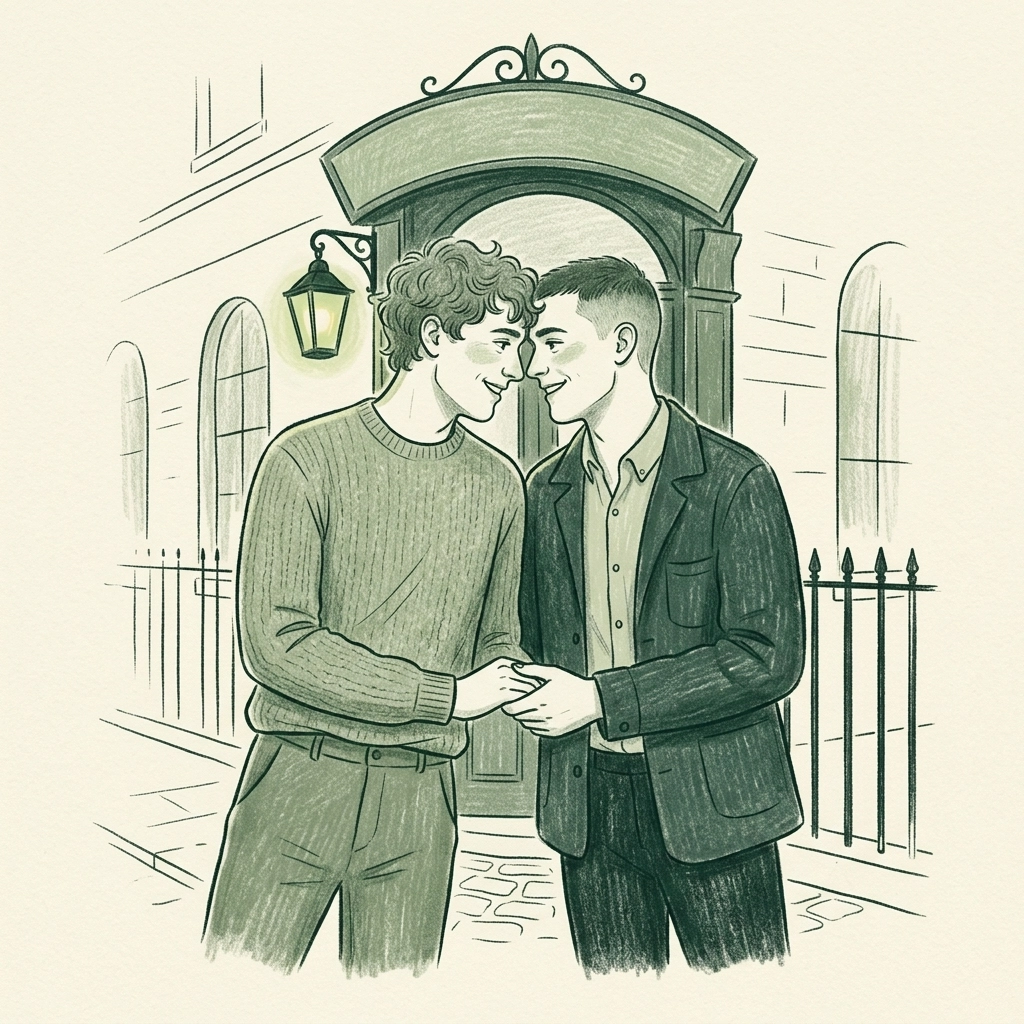
If you’ve ever walked down Old Compton Street on a Saturday night, you know the vibe. The neon lights, the crowded bars, and that unmistakable feeling of being exactly where you belong. But Soho wasn’t always the glittering "gayborhood" we see today. Long before the rainbow flags were flying high, our ancestors were carving out secret spaces in the shadows of London’s West End.
Whether you’re a fan of gay historical romance or just someone looking to connect with your community’s past, understanding Soho’s roots is essential. It’s a story of resilience, secret codes, and a lot of courage. At Read with Pride, we believe that knowing where we came from makes our stories: and our lives: so much richer.
Grab a drink, get comfortable, and let’s take a trip back in time. Here are 10 things you should know about the history of Soho’s queer nightlife.
1. It Started Much Earlier Than You Think
While we often think of the 1970s as the "start" of the modern movement, Soho has been a refuge for centuries. As far back as the late 1600s and early 1700s, the area had a reputation as a place where men would solicit other men. While other parts of London were initially more popular for "molly houses" (the 18th-century term for gay meeting places), Soho’s winding streets and narrow alleys provided the perfect cover for those looking to live outside the rigid norms of the time.
2. The "Meat Rack" and the Rise of the Entertainment District
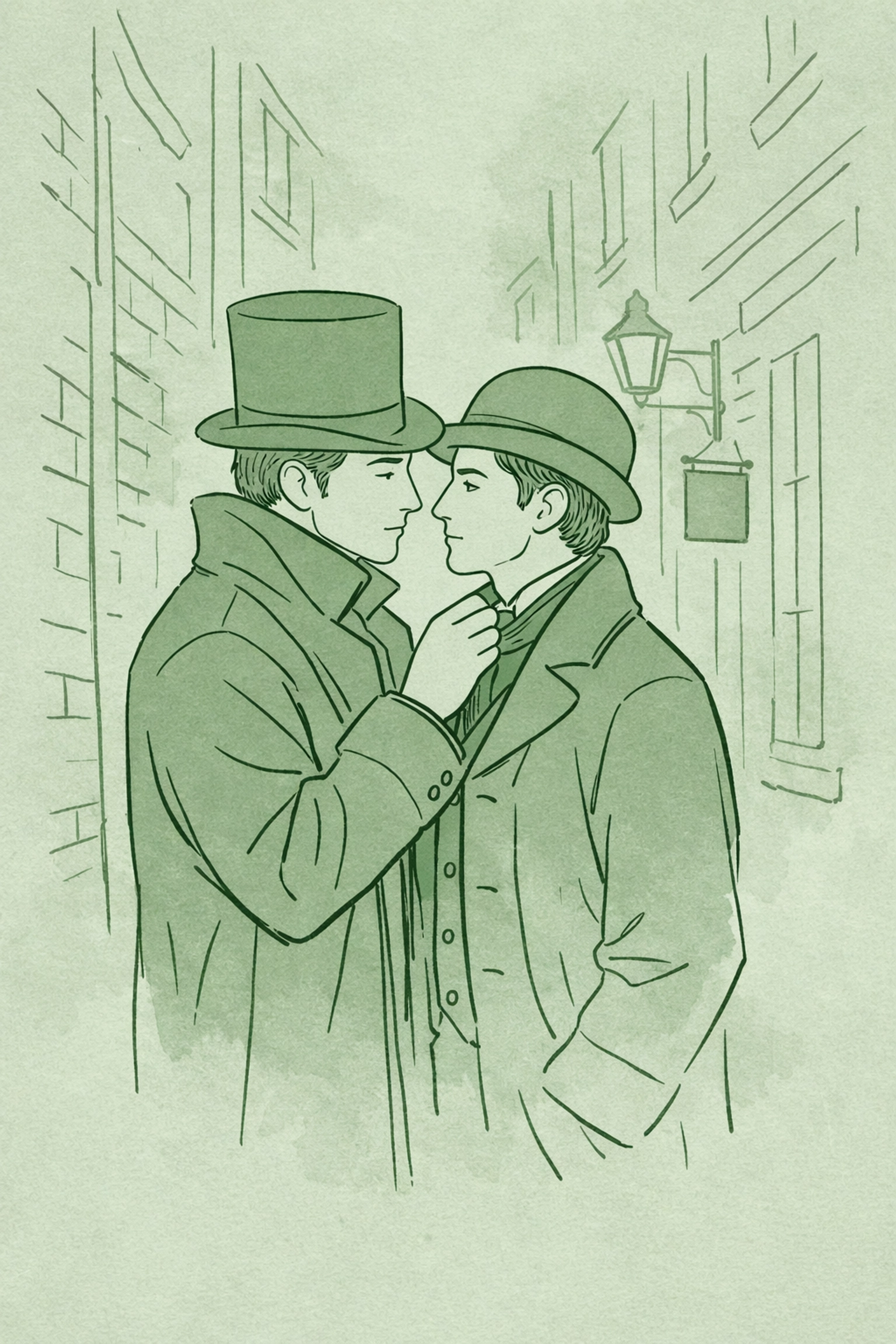
By the late 1880s, London was changing fast. Piccadilly Circus was expanding, and theatres were popping up all over Shaftesbury Avenue. With this boom in entertainment came a thriving underground economy. Soho earned the somewhat gritty nickname "the Meat Rack" due to the rising amount of sex work in the area. For many gay men of the Victorian era, this was one of the few places in the city where they could find each other, even if it meant navigating a world that was technically illegal and often dangerous.
3. The Birth of the First "Modern" Gay Bar
In 1912, a place called the Cave of the Golden Calf opened below a draper’s shop on Heddon Street. While we didn't have the term "gay bar" back then, it’s the first establishment that fits the description as we understand it today. It was described as a "place given up to gaiety," where the bohemian elite, artists, and men who loved men could mingle. It was the precursor to the legendary clubs that would define the decades to come.
4. The Trocadero Long Bar: A Gentleman’s Liaison
If you were a man looking for a connection in 1896, you headed to the corner of Shaftesbury Avenue and Piccadilly Circus. The Trocadero Long Bar was a gentlemen-only establishment that quickly became famous (or infamous, depending on who you asked) for homosexual liaisons. It was the kind of place where a lingering glance over a glass of gin could lead to a lifelong romance: or at least a very memorable evening.
5. The 1930s Bohemian Heyday
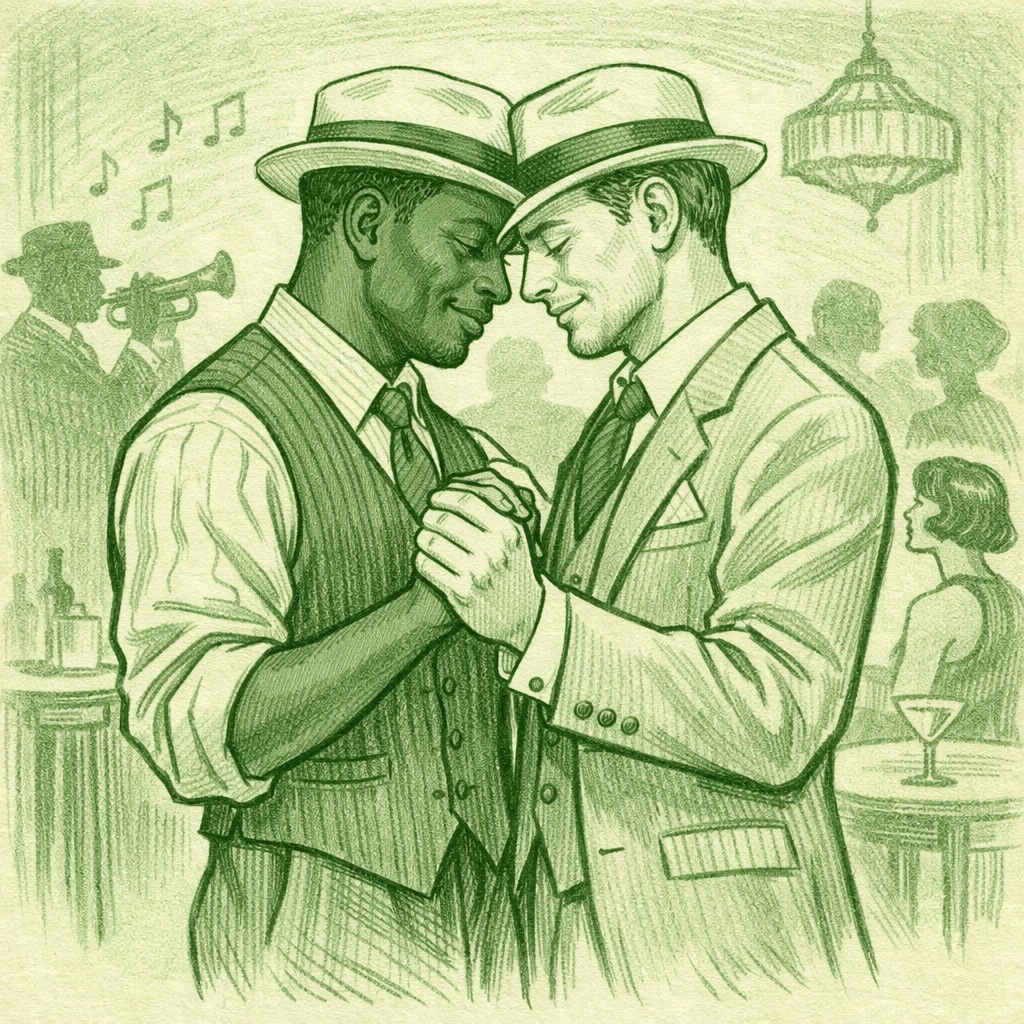
The 1930s were a golden age for Soho’s underground. Despite the restrictive laws of the time, the club scene was absolutely thriving. The most famous of these was the Caravan Club, located in a basement at 81 Endell Street. For a small membership fee, guests were promised "all-night gaiety." It was a place where men could dance together, hold hands, and be themselves away from the prying eyes of "polite" society. This era is a massive inspiration for many MM historical romance novels, capturing that mix of danger and liberation.
6. The Shim Sham Club: A Modern Miracle
Speaking of the 1930s, we have to talk about the Shim Sham Club on Wardour Street. Often called "London’s miniature Harlem," it was one of the most progressive spaces in the city. It was queer-friendly, Black-friendly, and Jewish-friendly at a time when much of London was segregated or deeply prejudiced. It’s one of the rare historical records where we see documented evidence of a truly intersectional community enjoying the night together.
7. Police Surveillance and the Cost of Freedom
It wasn't all glitter and dancing, though. The struggle was very real. Places like the Caravan Club were under constant police surveillance. In 1934, undercover officers raided the club, documenting men dancing together as evidence of "indecency." The club was shut down in 1935, but the community wouldn't be stopped. It simply moved, reopening under different names like the Rainbow Roof or the Flamingo Club. Our history is one of constant reinvention.
8. Oscar Wilde’s Soho Stomping Grounds
You can’t talk about queer roots without mentioning the GOAT, Oscar Wilde. During his infamous trials in 1895, it came out that Wilde was a regular in Soho. He was known to frequent Kettner’s (a restaurant that still exists today!) and was even accused of "kissing waiters." He also hosted events at the nearby Savoy Hotel. Wilde’s presence in Soho cemented the area’s identity as a place for the literary, the flamboyant, and the unapologetically queer.
9. The 1980s Renaissance
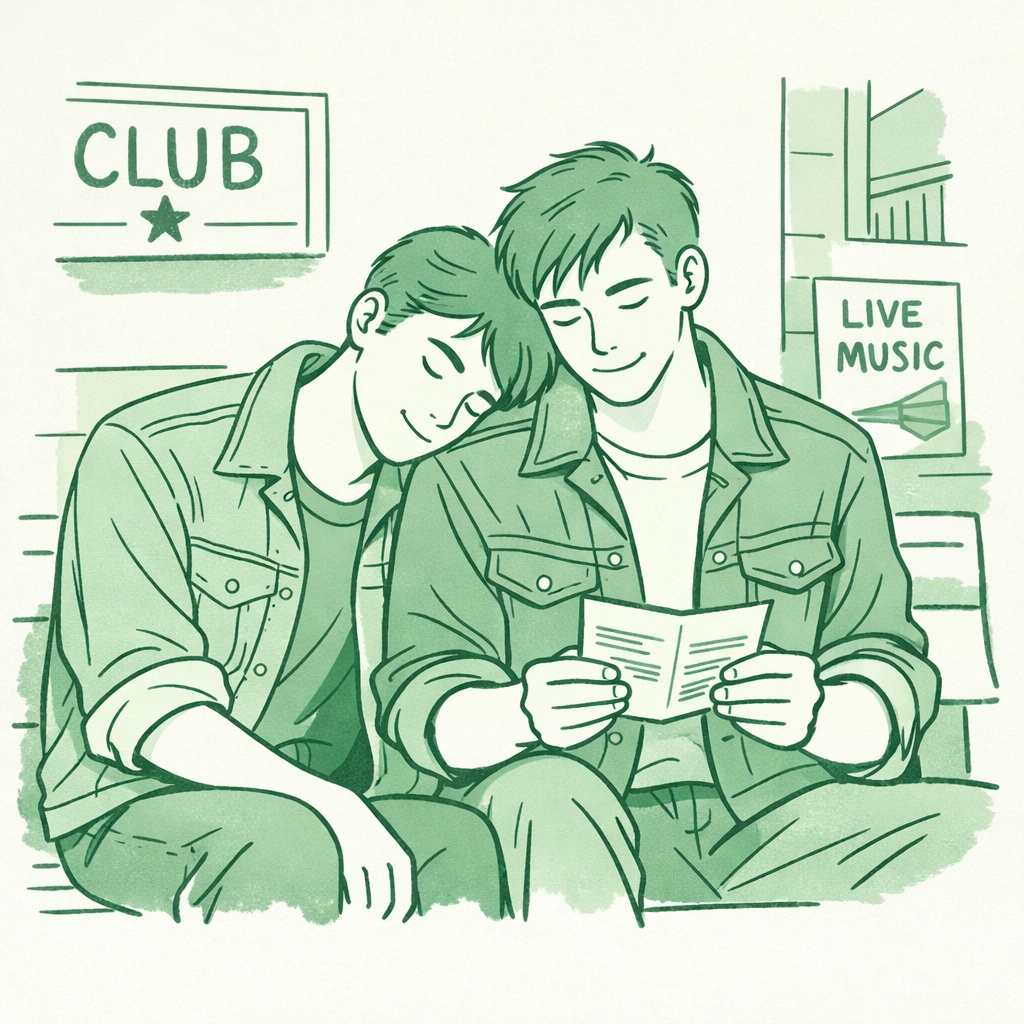
After a bit of a decline post-WWII, Soho exploded back onto the scene in the late 70s and 80s. This was the era that gave us Heaven (which opened in 1979 and changed the world of clubbing), Bang! at the Astoria, and Comptons of Soho. These weren't just bars; they were cathedrals of queer culture. This era also saw the opening of Trade, London’s first legal after-hours club, which became a global icon for the house music scene and gay culture.
10. The Legacy of the Admiral Duncan
The history of Soho is also marked by tragedy and the strength that comes from it. In 1999, the Admiral Duncan pub was targeted in a horrific bombing. It was a moment intended to strike fear into the heart of the community, but it did the opposite. It proved that Soho was no longer just a collection of "secret" spots; it was a genuine home. The community’s refusal to be intimidated cemented Soho’s status as the permanent heart of queer London.
Why History Matters to Your TBR Pile
At Read with Pride, we know that the best LGBTQ+ ebooks are the ones that feel grounded in truth. Whether you’re reading a steamy MM romance set in the neon-soaked 80s or a gay historical romance featuring a secret meeting at the Caravan Club, that connection to our real-world history makes the love stories feel even more powerful.
If you’re looking for your next great read that captures the spirit of resilience and male/male connection, head over to our store. We’ve got everything from gay thrillers to heartfelt gay fiction that celebrates our journey.
Explore our collection here: Read with Pride E-Book Store
Soho is more than just a place to grab a drink. It’s a living monument to everyone who came before us: the ones who danced in the basements so we could dance in the streets. Next time you’re in the area, take a moment to look up at the old buildings and imagine the stories they could tell.
#QueerHistory #SohoLondon #MMRomance #GayHistory #ReadWithPride #LondonNightlife #GayFiction #HistoricalRomance #GayNovels #MMFiction
Follow Us on Social Media!
Stay up to date with the latest releases, author spotlights, and more queer history:
- Instagram: Follow us here
- X (formerly Twitter): Join the conversation
- Facebook: Connect with us
- Official Website: www.readwithpride.com
Proactive Blog Suggestions for Dick Ferguson:
- The Evolution of the "Found Family" Trope in MM Romance: Exploring why queer readers are so drawn to stories of chosen families and how to write them effectively.
- Victorian London’s Secret Language: A deep dive into Polari and other "secret codes" used by gay men in historical settings: perfect for authors and readers of historical fiction.
- The Rise of the Gay Psychological Thriller: Why high-stakes, high-angst themes are dominating the charts in 2026 and how to find the best "emotionally invested" reads.

Leave a Reply
You must be logged in to post a comment.