

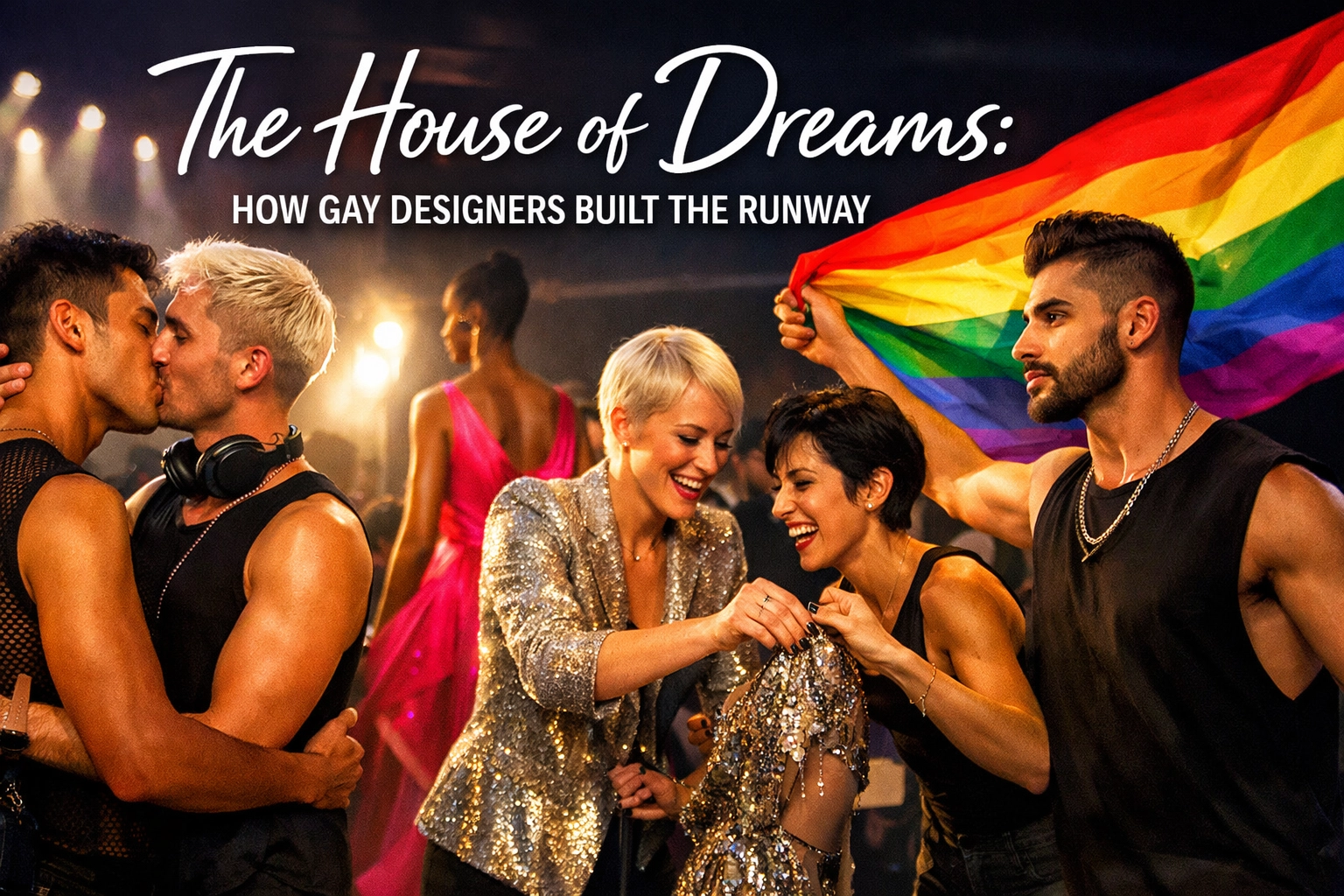
Let's talk about something that doesn't get said enough: the fashion industry as we know it? Built by queer hands, queer vision, and a whole lot of queer audacity.
While straight men were designing sensible business suits and telling women what "appropriate" looked like, gay designers were literally reinventing the entire concept of clothing. They turned fabric into freedom, seams into statements, and the runway into a revolution. And honestly? It's about damn time we celebrated that legacy properly.
The Rebels Who Wore (and Made) the Pants
Take Rudi Gernreich, a name that should be shouted from every fashion school rooftop. This Los Angeles-based designer didn't just create clothes in the 1960s and '70s; he created controversy, conversation, and complete paradigm shifts. The monokini? That was him. The "No Bra" bra that freed women from underwire torture? Also him. The thong, yes, that thong, also Gernreich.
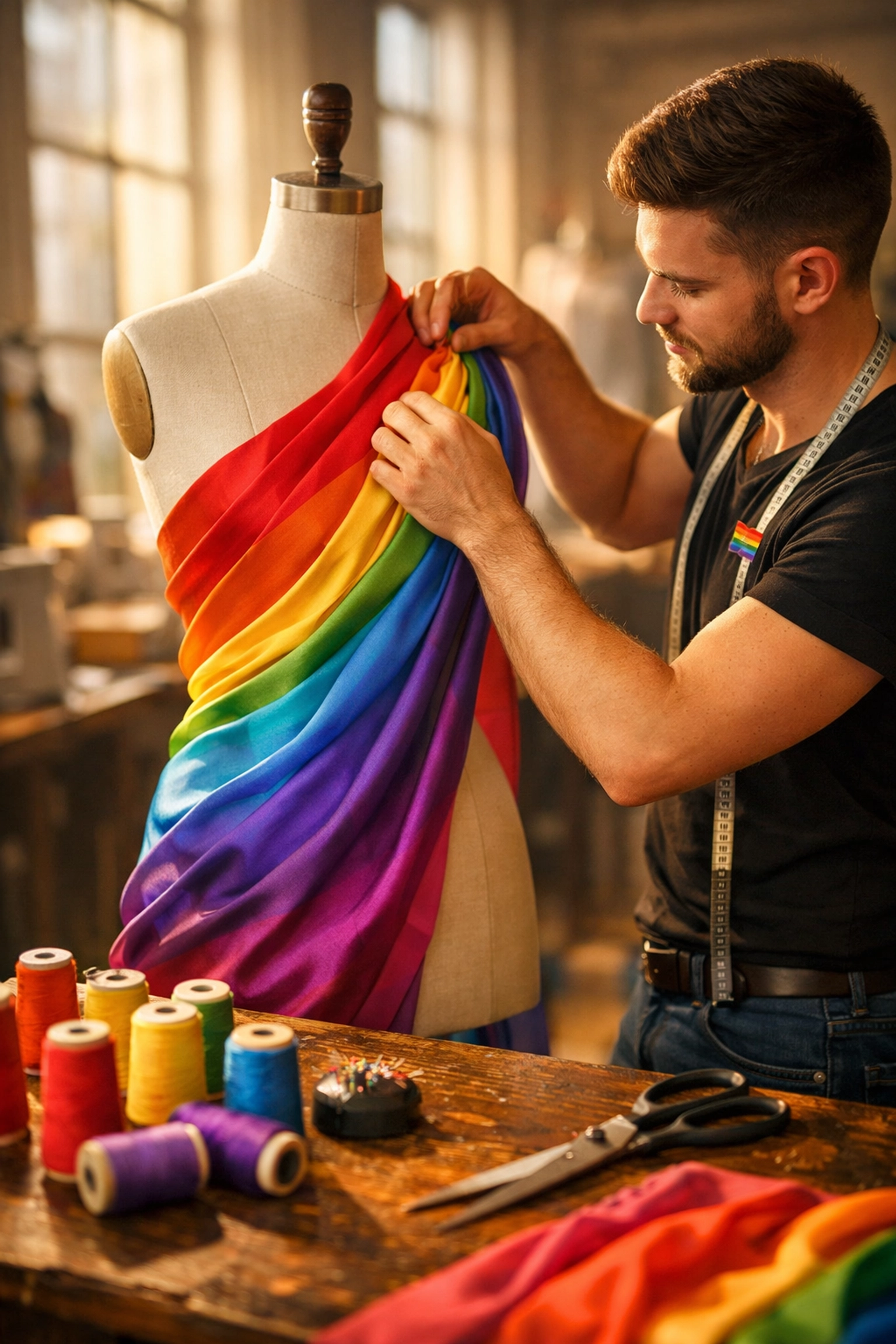
But here's what makes his story so distinctly queer: these weren't just fashion innovations. They were acts of liberation wrapped in lycra and audacity. Gernreich understood something fundamental that the fashion establishment didn't, that clothing could be a form of protest, a way to challenge every stuffy, restrictive norm society tried to squeeze us into.
He also created the first-ever fashion video, because apparently inventing half of modern swimwear wasn't enough. That's the queer work ethic for you, we don't just break the glass ceiling, we redecorate the entire building.
When Tuxedos Became Revolutionary
Fast forward to Yves Saint Laurent introducing "Le Smoking" in 1966, the first women's tuxedo. Now, you might think, "Okay, so he put women in pants, big deal." But in the 1960s, this was a massive deal. Women were still being refused entry to restaurants for wearing trousers. Saint Laurent didn't just design a suit; he designed permission.
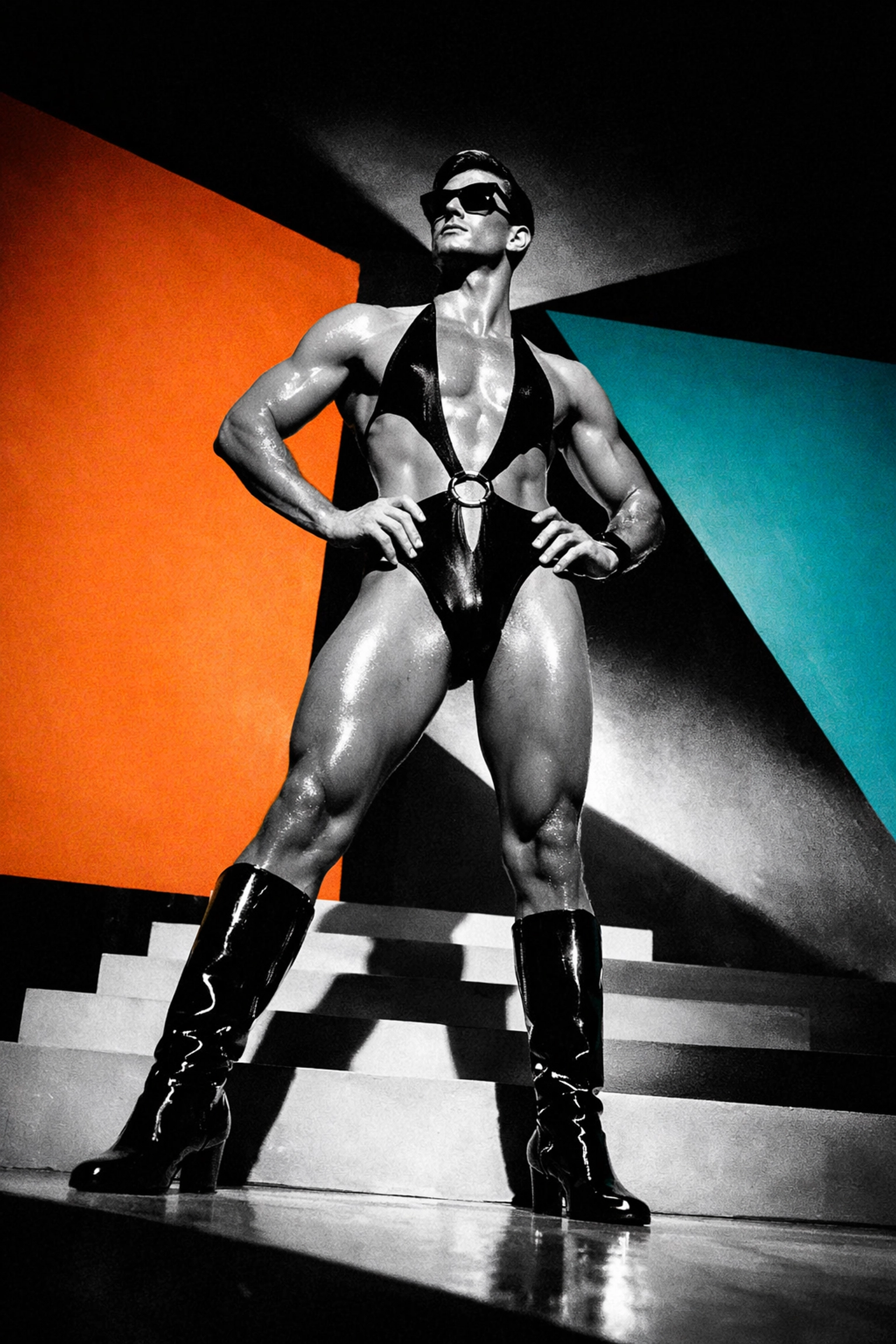
And isn't that what the best gay designers have always done? They've created permission slips for the rest of us to exist more freely, dress more authentically, and tell the world exactly who we are without saying a single word.
This is the same energy you'll find in the best MM romance books, those workplace romance stories where two men navigate corporate dress codes while falling helplessly in love, where power suits become symbols of both conformity and subversion. The fashion has always been part of our stories.
The 1990s: Skirts, Subversion, and Jean Paul Gaultier
If the '60s and '70s were about questioning norms, the '90s were about setting them on fire and dancing in the ashes. Enter Jean Paul Gaultier, who looked at the entire concept of gendered clothing and said, "No thanks, I'll create my own rules."
Men's skirts. Women's suits with exaggerated masculinity. Madonna's iconic cone bra (because of course). Gaultier understood that fashion is fundamentally queer: it's about transformation, performance, and the delicious freedom of becoming whoever the hell you want to be on any given Tuesday.
His work asked a simple question that still feels radical: Why should fabric have a gender? And honestly, when you think about it that way, the whole binary approach to fashion starts looking pretty ridiculous.
The Runway as Safe Space
Here's something beautiful that happened in 2019: Opening Ceremony's Spring/Summer show became a full-blown drag collaboration with Sasha Velour from RuPaul's Drag Race. Every single model and performer was LGBTQ+. The proceeds went to the Transgender Law Center. The runway wasn't just a runway: it was a statement, a celebration, and a giant rainbow middle finger to anyone who ever said we didn't belong in high fashion.
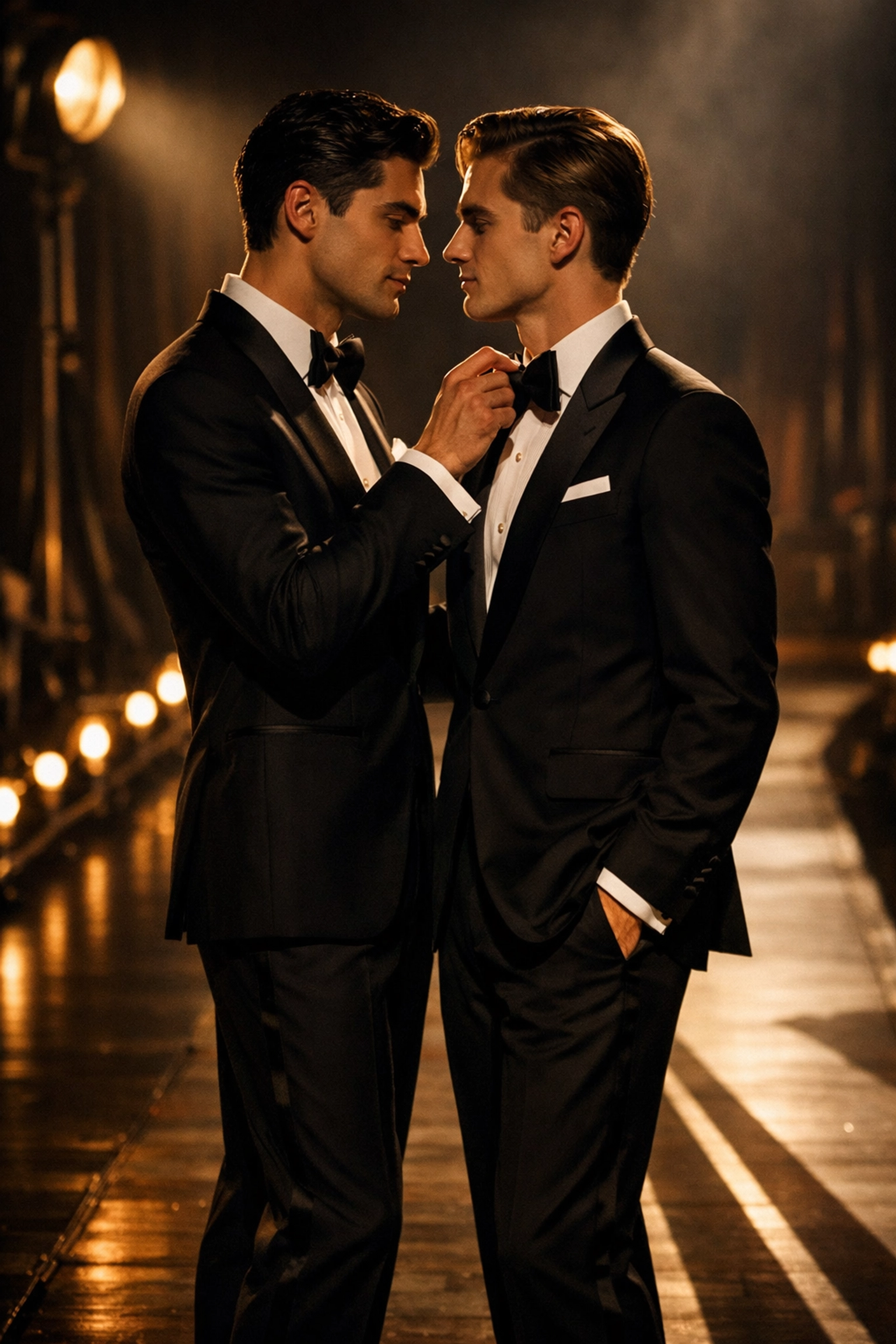
This is what happens when queer designers control the narrative: fashion becomes about more than just selling clothes. It becomes about visibility, representation, and creating space for our community to shine. Literally.
And isn't this exactly what we're doing at Read with Pride? Creating space for LGBTQ+ stories, for gay romance that centers our joy, our struggles, our workplace dramas, and our happily-ever-afters? The fashion industry and the publishing industry have more in common than you might think: both are about telling stories through what we wear and what we read.
From Ateliers to Aisles: The Business of Being Fabulous
Let's get real about the business side for a second. Gay designers didn't just influence fashion aesthetically: they built empires. They proved that queer creativity wasn't just viable; it was valuable. They created jobs, launched careers, mentored the next generation, and showed that authentic queer vision could dominate a multi-billion-dollar industry.
This matters because it's the same story we see playing out in gay fiction and MM romance novels: stories of workplace romance, of navigating corporate environments while being authentically queer, of building something beautiful despite (or maybe because of) all the obstacles thrown in our way.
The Legacy Lives On
Today's fashion landscape is still deeply indebted to its queer architects. Every time you see gender-neutral clothing lines, every time a designer champions body positivity, every time the runway becomes more inclusive: that's the legacy of gay designers who refused to play by heteronormative rules.
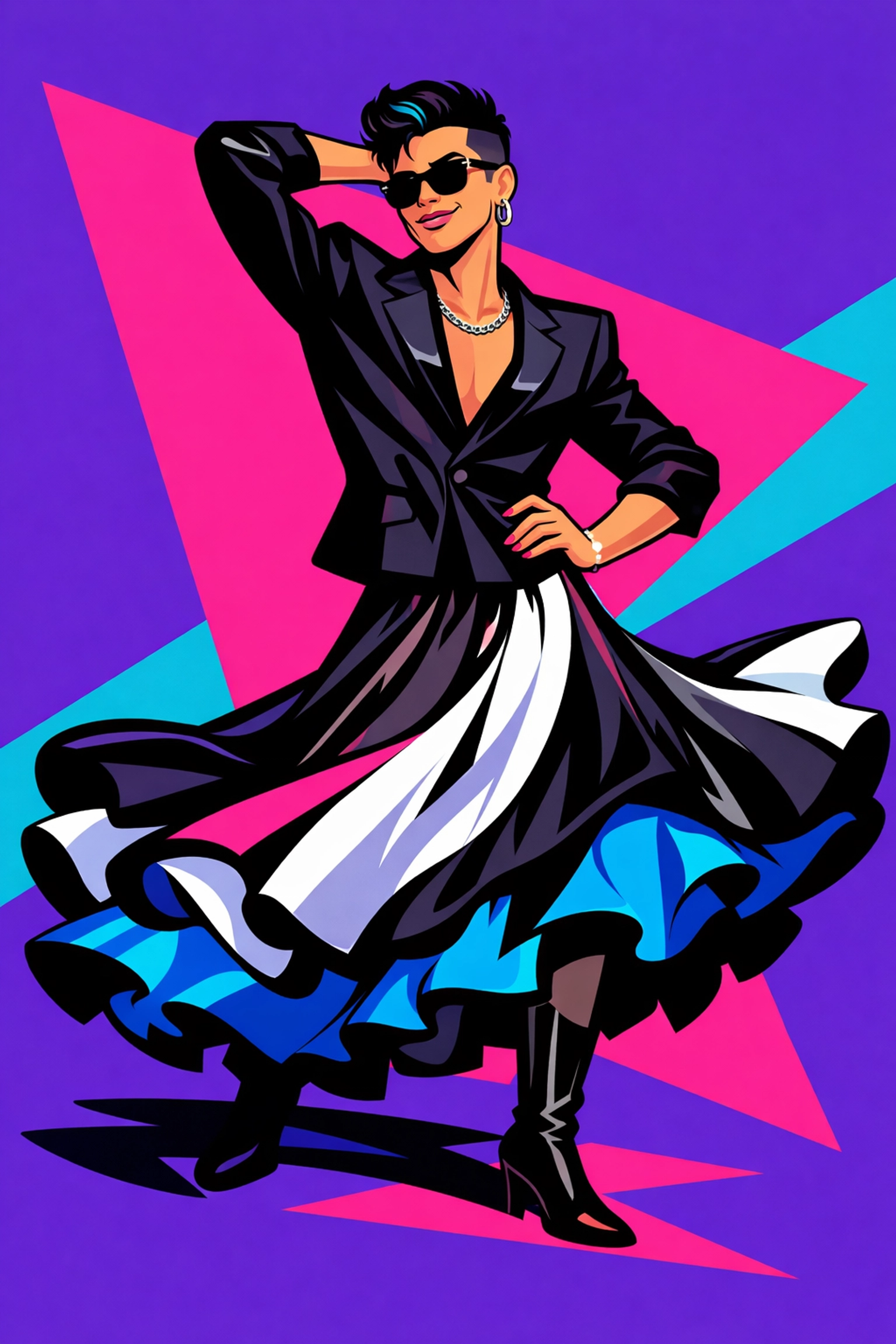
And much like the characters in the best gay romance books, these designers taught us that authenticity isn't just beautiful: it's powerful. Whether you're designing a collection or designing your own life, doing it on your own terms is always the most stylish choice.
Why This Story Matters to Readers Like Us
At Read with Pride, we believe every story matters: whether it's stitched into a couture gown or written into the pages of a steamy MM romance. The same creativity, courage, and refusal to conform that built the fashion industry also fills our favorite LGBTQ+ fiction.
Want workplace drama? These designers lived it. Want romance against all odds? Check the bios of designers who loved openly when society said they couldn't. Want tales of creative genius overcoming discrimination? The fashion archives are full of them.
That's why we celebrate these stories: in fashion, in books, in every medium where queer people have taken their pain, their joy, and their uncompromising vision and created something the world couldn't ignore.
So the next time you're browsing gay romance novels or looking for your next favorite LGBTQ+ ebook, remember: you're part of a legacy that includes Gernreich's revolutionary swimwear and Gaultier's gender-bending designs. We've always been the storytellers, the vision-makers, the ones who looked at what existed and said, "That's cute, but watch this."
The runway was built by dreamers who refused to be practical. Our bookshelves? Same energy.
Ready to dive into more stories of queer triumph, workplace romance, and authentic LGBTQ+ representation? Explore our collection of MM romance books at ReadwithPride.com and join our community celebrating love in all its forms.
Follow us for more LGBTQ+ content:
📘 Facebook
📸 Instagram
🐦 X/Twitter
#ReadWithPride #MMRomance #GayRomanceBooks #LGBTQBooks #QueerFashion #GayHistory #MMRomanceBooks #GayFiction #LGBTQFiction #QueerStories #GayLoveStories #GayWorkplaceRomance #MMContemporary #GayRomanceNovels #LGBTQEbooks #PrideReading #QueerLiterature #GayBooks2026 #MMAuthors #LGBTQPride

Leave a Reply
You must be logged in to post a comment.