

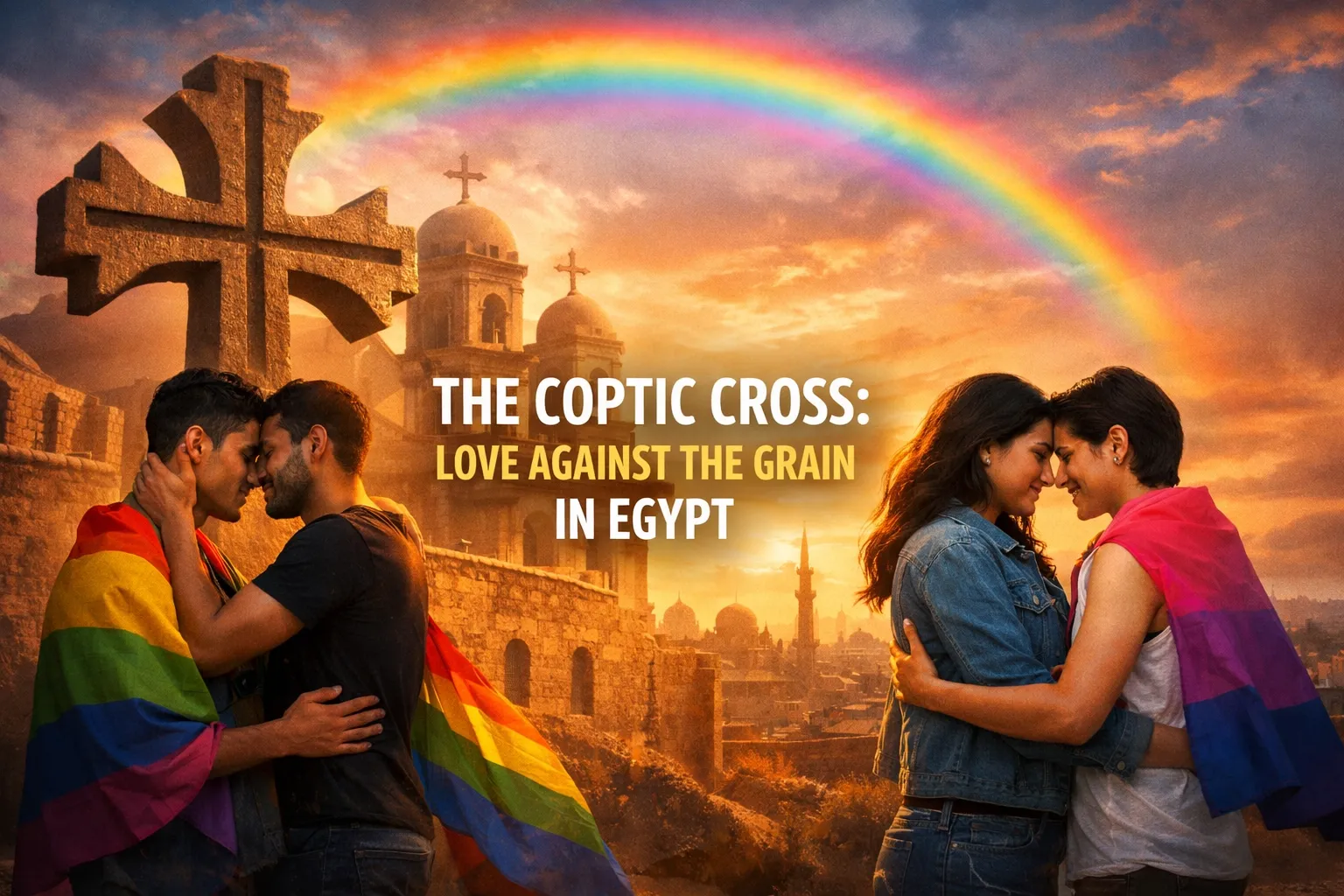
The Coptic Cross isn't just jewelry. It's a declaration. A small tattoo on a wrist, a pendant pressed against skin, it's a symbol that says I exist, I endure, I love despite everything telling you not to. For centuries, Coptic Christians in Egypt wore this cross as armor against erasure, a geometric proof of resilience when simply being Christian could cost you everything.
Now imagine carrying that cross while hiding another truth. One that no symbol can protect.
When Faith Becomes a Double Prison
Egypt's Coptic Christian community knows persecution intimately. They're roughly 10 million strong in a country of over 100 million, a minority that's faced discrimination, violence, and forced conversion since the Arab conquest in the 7th century. Parents still tattoo the cross onto their children's wrists: not as decoration, but as an insurance policy against identity erasure during dark times.
But what happens when you're queer and Coptic? When your church views homosexuality as sin, and your country criminalizes it under "debauchery" laws that can land you in prison? When the community that's supposed to be your refuge from one kind of persecution becomes the source of another?
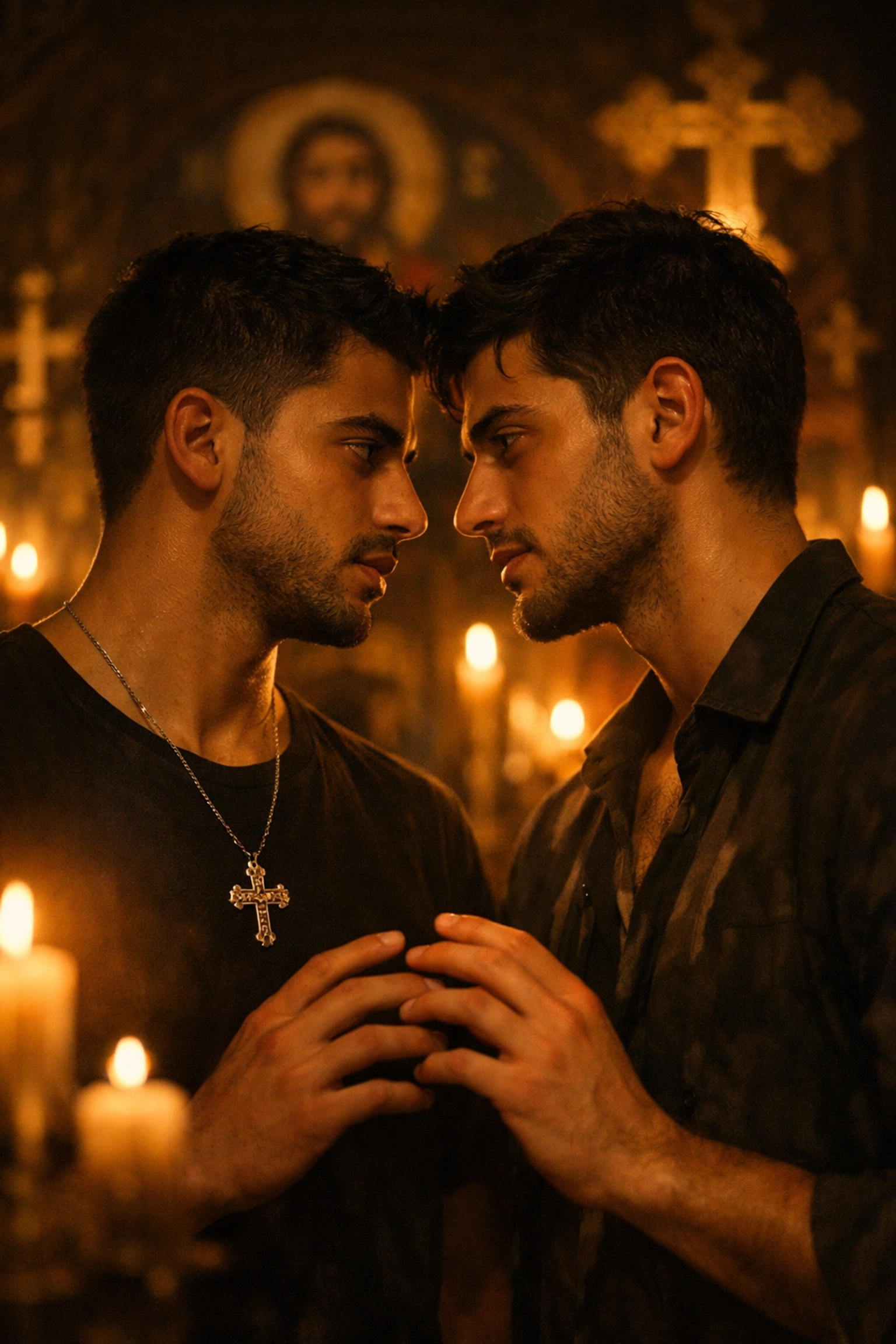
You learn to love in code. In glances that last half a second too long during Sunday liturgy. In "studying together" that means something else entirely. In WhatsApp messages deleted immediately after sending. In a slow burn so slow it might never catch flame: because the consequences of being discovered are too devastating to risk.
The Geometry of Hidden Love
The Coptic Cross fascinates me because of its precision: two equal arms intersecting at right angles, each arm ending in three points, creating twelve total: representing the apostles who spread love despite danger. That circle around it? God's eternal love, unbroken and infinite.
There's something achingly familiar in that symbolism for queer Coptic Christians. Love that persists against considerable opposition. Love that requires encoding, hiding, transforming into something that looks innocent to outsiders but holds deep meaning for those who know. Just like the cross itself fused the ancient Egyptian ankh with Christian theology, queer Copts must reconcile seemingly incompatible identities: their faith, their heritage, their hearts.
The slow burn MM romance genre captures this tension perfectly. Those stories where two people circle each other for chapters, where every touch is electric because it's forbidden, where yearning builds like pressure in a closed system: that's not just good storytelling. For many queer people in conservative religious communities, that is their reality.

Against the Grain, Into the Fire
Egypt's laws against homosexuality are enforced aggressively. Police conduct raids on gay dating apps. Activists get arrested. "Morality campaigns" sweep through neighborhoods. And if you're part of a visible minority like the Copts, you're already under scrutiny.
Coming out isn't an option for most. The Coptic Orthodox Church's official position condemns homosexuality, though individual priests vary in their harshness. Families might choose between losing a child to disownment or losing their place in the community. It's Sophie's Choice with a cross around your neck.
So love happens in margins. In Cairo apartments where two "roommates" have lived together for a decade. In Alexandria cafes where hands brush over shared coffee cups. In Upper Egypt villages where childhood friends grow into something more but never speak it aloud. In Coptic monasteries: ironically: where some gay men find sanctuary, not as out queer people, but as celibate monks escaping societal pressure to marry women.
These aren't the grand romantic gestures that Western MM romance often celebrates. They're smaller, quieter, more desperate. A borrowed book with a note inside. A shared cigarette on a rooftop under stars. Years of longing packed into a single evening when someone's family travels to visit relatives.
The Stories We Need
This is why representation matters. This is why Read with Pride exists: to amplify queer stories from every corner of the world, including the ones that don't end with a pride parade and a wedding.
The best slow burn MM romance recommendations understand that not all queer love gets to be loud. Some of the most powerful love stories are the ones where characters must choose between truth and safety, between desire and survival. Where the "happily ever after" might just be two people who get to stay together, even if the world never acknowledges what they are to each other.
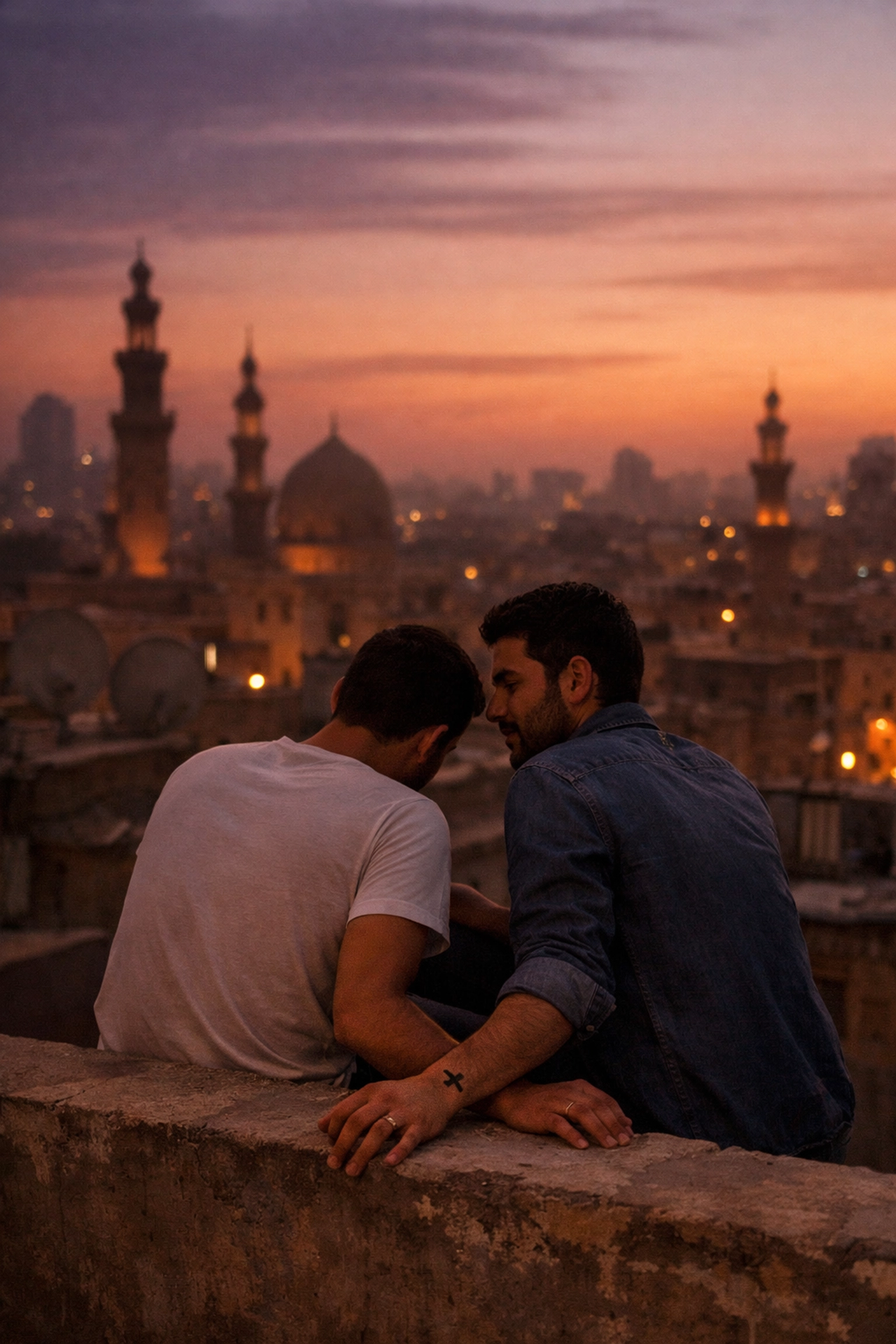
We need more gay romance books set in contexts like Egypt's Coptic community. Stories where faith and queerness must somehow coexist, even when theology says they can't. Where cultural heritage matters deeply, even when that same culture rejects you. Where the stakes of being discovered aren't just heartbreak: they're imprisonment, violence, exile from everything you've ever known.
These are the MM novels that will break you open and rebuild you. The ones that remind us love isn't always a choice between yes and no: sometimes it's a choice between impossible and more impossible, and you choose love anyway.
The Eternal Circle
Here's what strikes me most about the Coptic Cross: that circle symbolizing eternal love didn't make loving any easier. Copts still faced persecution, forced conversion, marginalization. The cross didn't protect them from suffering. It just reminded them that their love: their faith, their identity: was worth protecting.
Queer Copts carry that same truth. The love they feel doesn't make life easier. In fact, it makes everything infinitely more complicated. But like their ancestors who refused to remove their crosses even when it meant death, many refuse to let their capacity for love be extinguished.
Some flee to Cairo's relative anonymity. Some emigrate if they can afford it, joining diaspora communities in Canada, Australia, the United States. Some remain, living double lives that would exhaust anyone who tried to understand the mental gymnastics required to survive. And some: the bravest or most desperate: try to create change from within, starting quiet conversations, challenging interpretations, asking their priests uncomfortable questions about love and judgment.
Reading Into the Resistance
The LGBTQ+ fiction we consume shapes our understanding of what's possible. When you've only seen queer love portrayed in Western contexts: New York apartments, San Francisco weddings, London pride parades: it's easy to forget that queer people exist everywhere, loving against odds that would crush most people.
That's why we curate gay fiction that spans cultures, religions, and levels of acceptance. Stories set in Egypt, Pakistan, Poland, Uganda, Brazil: places where being queer isn't a quirky personality trait but a daily negotiation with danger. Where slow burn isn't just a trope but a survival strategy.
These MM romance books won't always give you the fantasy. They'll give you something more valuable: truth. The kind that makes you grateful for whatever freedoms you have, and furious about the freedoms others are denied. The kind that transforms empathy from abstract concept to visceral understanding.
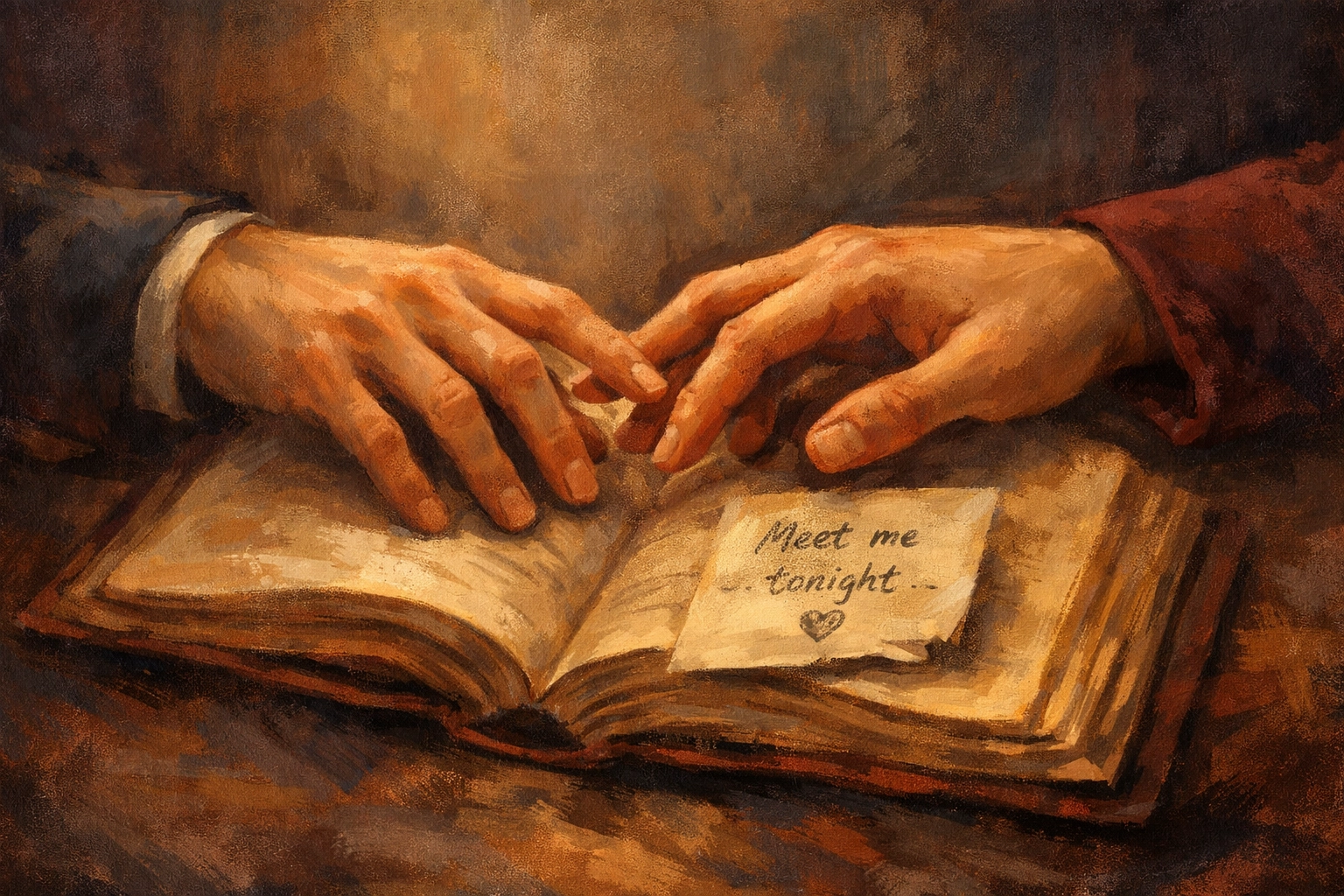
Because here's the thing about love against the grain: it's stubborn. It refuses logic. It defies self-preservation. Two Coptic boys who know exactly what they risk, who've seen what happens to men caught in raids, who understand that their love could destroy their families' standing in an already persecuted community: they still find ways to steal moments together. They still hope. They still dream of a future that might never come.
That's the power of the eternal circle. That's the promise encoded in the Coptic Cross. Love doesn't promise safety. It promises endurance.
Finding Your Next Read
Exploring queer fiction from different cultural and religious contexts isn't just about expanding your reading list: it's about recognizing the full spectrum of queer experience. The courage it takes to love when everything tells you not to. The creativity required to build a life in the margins.
Whether you're drawn to these stories because they reflect your own experience, or because you want to understand realities different from yours, they matter. Every download, every review, every social media share tells publishers that these stories have an audience. That queer readers everywhere deserve to see themselves, and that allies are paying attention.
Check out more diverse LGBTQ+ romance collections at Readwithpride.com, where we celebrate love in all its complicated, beautiful, dangerous forms.
The Coptic Cross reminds us: love that survives persecution becomes sacred. And sometimes the slowest burn creates the most lasting flame.
#ReadWithPride #MMRomance #SlowBurnRomance #LGBTQBooks #GayRomance #QueerFiction #CopticChristians #LoveAgainstTheGrain #MMBooks #GayLiterature #LGBTQFiction #QueerStories #GayRomanceBooks #MMRomanceBooks #DiverseLGBTQ #GlobalQueerStories #GayNovels #QueerLove #AuthenticStories #GayFiction
Follow us for more diverse LGBTQ+ stories:
📘 Facebook
🐦 X/Twitter
📸 Instagram
🌐 Readwithpride.com

Leave a Reply
You must be logged in to post a comment.