

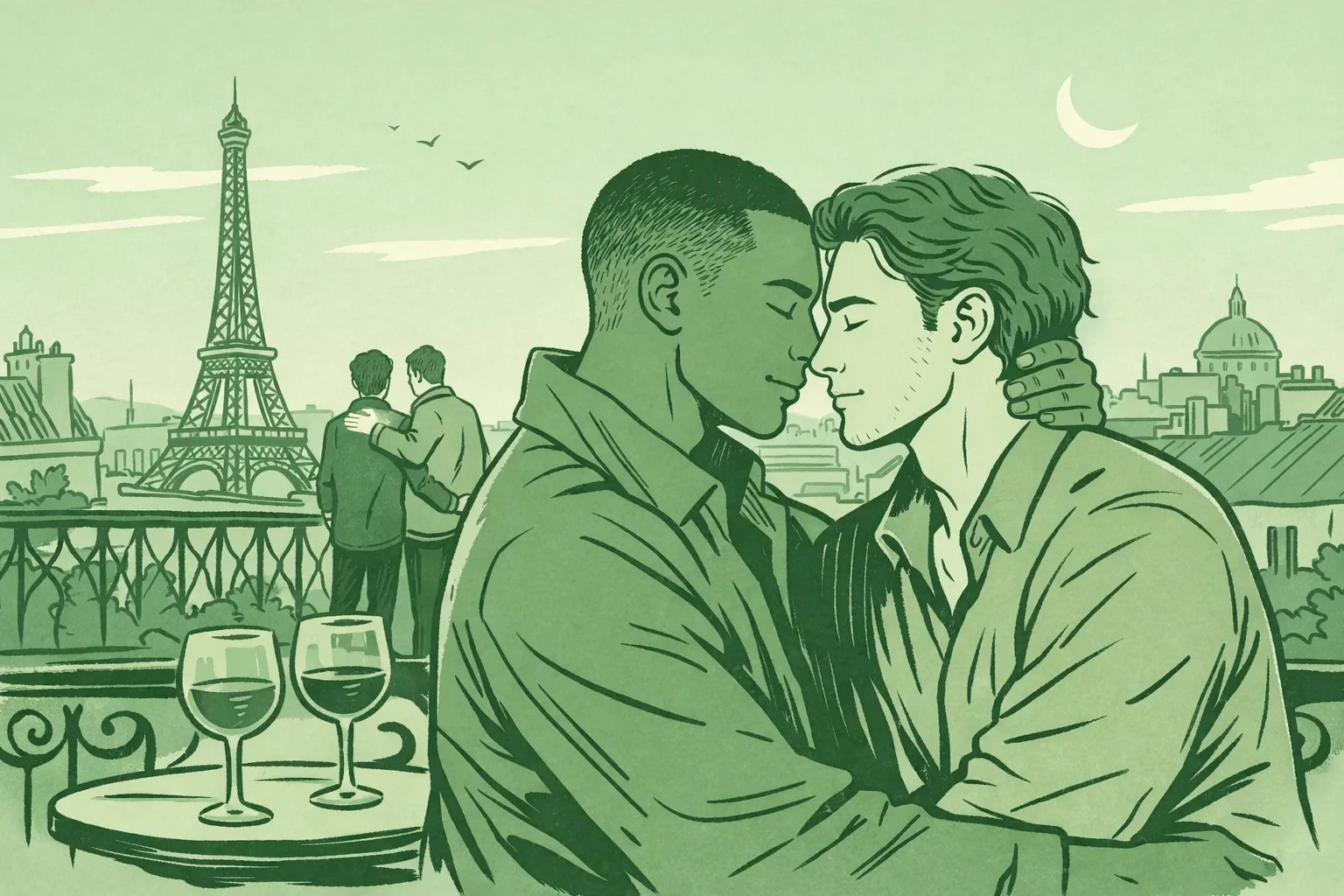
Explore Parisian Lesbian History | LGBTQ+ Fiction Collection Available
Discover the legacy of Paris' most iconic lesbian venues. Shop gay romance books and LGBTQ+ fiction exploring queer history and culture. Limited-time offers on MM romance and lesbian fiction available now.
Paris has always been more than just the City of Light: it's been a beacon of freedom, artistic revolution, and unapologetic self-expression. For over a century, the city's lesbian community has carved out sophisticated spaces where women could love, create, and exist without apology. From the legendary salons of the 1920s to today's chic gathering spots, Paris' lesbian legacy is woven into the very fabric of its cultural identity.
Visit readwithpride.com for curated LGBTQ+ ebooks celebrating queer history and culture.
The Golden Age: Paris-Lesbos (1900-1940)
The early 20th century transformed Paris into what became known as "Paris-Lesbos": a golden era when lesbian visibility reached unprecedented heights. American expatriate women fled restrictive social norms back home and found refuge in the city's bohemian neighborhoods, particularly the Left Bank. These weren't just bars or clubs; they were salons, intellectual gatherings, and creative hubs where queer women shaped modernist literature and art.
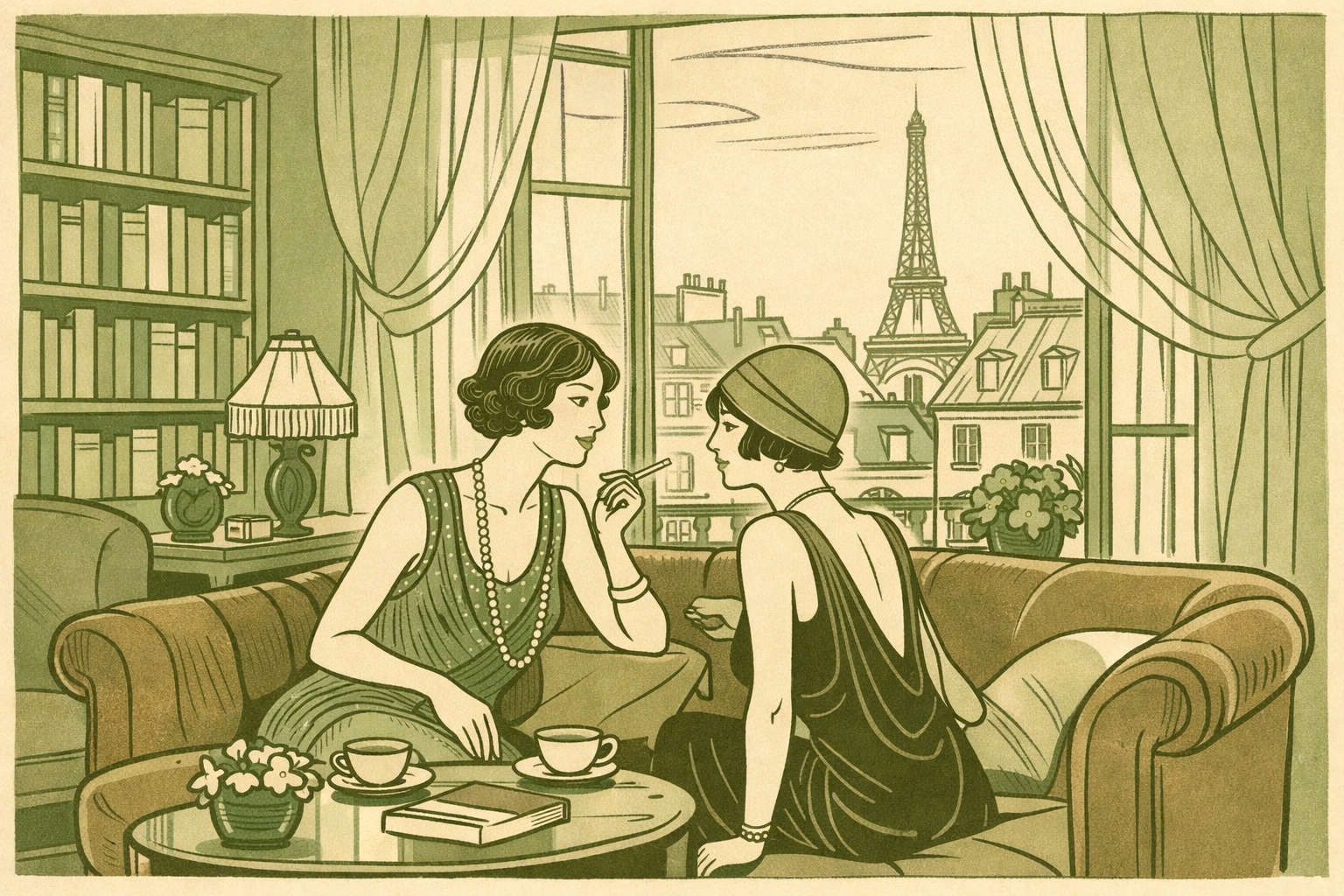
Natalie Clifford Barney established what would become Paris' most famous lesbian salon by the 1920s. Her Friday gatherings at 20 rue Jacob weren't just social events: they were "a Paris institution, and a centre for socially progressive thought." Barney deliberately created an international space where expatriate Modernists mingled with members of the French Academy, where "lesbian assignations and appointments with academics could coexist."
In 1927, Barney took things further by establishing her own "Women's Academy" to honor female writers the male-dominated French literary establishment systematically ignored: including luminaries like Colette and Gertrude Stein. This wasn't just about creating safe spaces; it was about demanding cultural recognition.
Shop The Berlin Companions and other gay historical romance novels exploring LGBTQ+ history in Europe.
Suzy Solidor: The Nightlife Revolutionary
While Barney cultivated intellectual circles, Suzy Solidor revolutionized Parisian nightlife. In 1932, she opened "La Vie Parisienne," a nightclub celebrated for its "liberal atmosphere" that welcomed both queer and heterosexual communities. Solidor wasn't hiding: she recorded an album called Paris-Lesbien and became "the most painted woman in the world," sitting for over 200 artists who captured her androgynous beauty and magnetic presence.
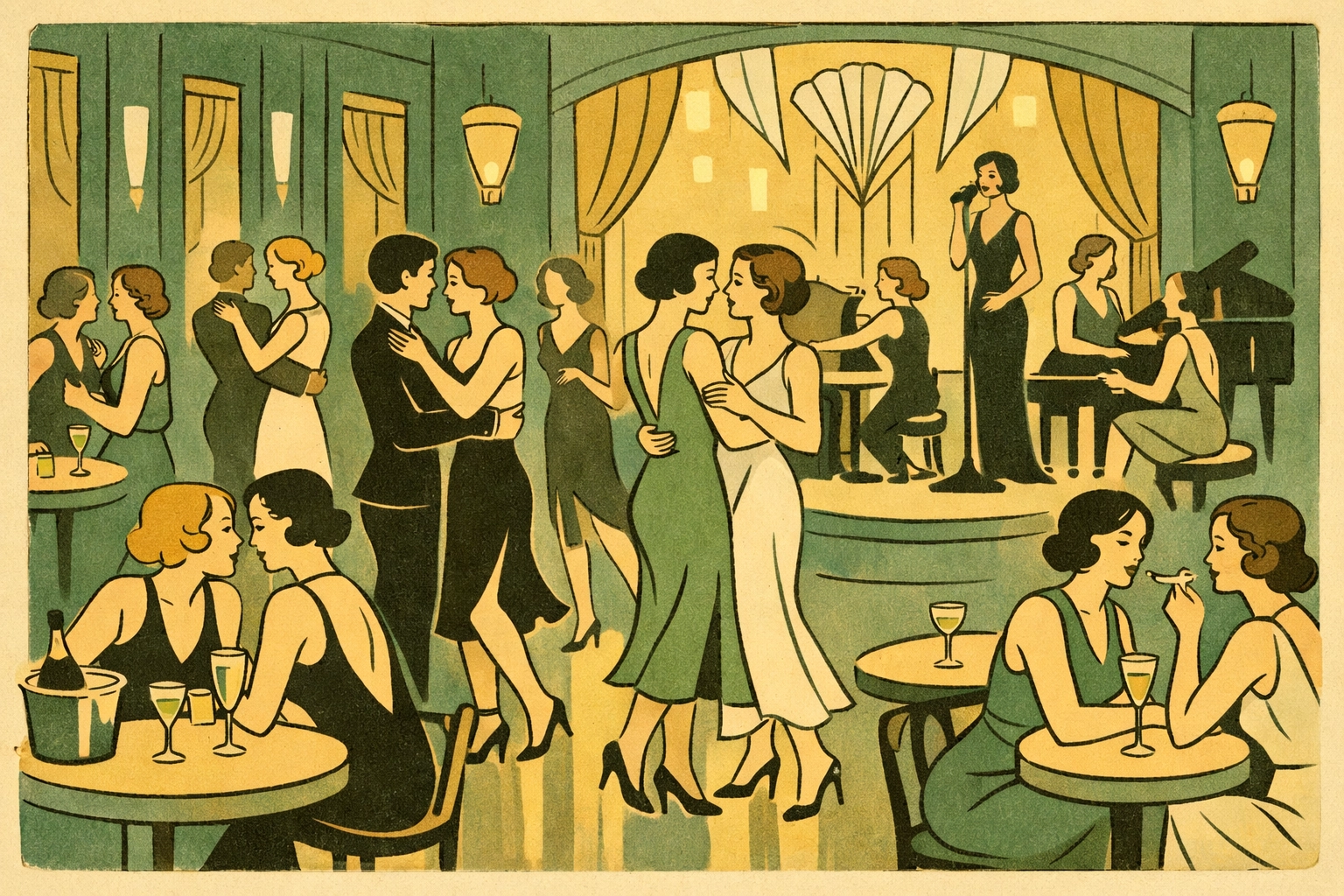
Solidor represented a different kind of lesbian visibility: one rooted in performance, glamour, and unashamed sensuality. Her club became a template for the sophisticated lesbian venues that would follow, spaces where sexuality and artistry weren't just tolerated but celebrated as inseparable elements of identity.
The Evolution of Parisian Lesbian Spaces
Post-war Paris saw lesbian spaces evolve from private salons to more public venues, though always maintaining that distinctive Parisian sophistication. The city's lesbian bars have never been about loud declarations or rainbow flags plastered on every surface. Instead, they embody a particularly French approach to queer culture: understated elegance, intellectual engagement, and an emphasis on conversation and connection over spectacle.
Browse LGBTQ+ fiction and MM romance exploring contemporary queer life and historical LGBTQ+ communities.
Modern Parisian Lesbian Culture
Today's Parisian lesbian scene carries forward this legacy of sophistication while adapting to contemporary queer culture. The city's lesbian venues tend toward intimate wine bars, art gallery spaces, and cultural centers rather than mega-clubs. Places like Les Piaules in Belleville or events at La Mutinerie in the Marais continue the tradition of blending intellectual discourse with social gathering.
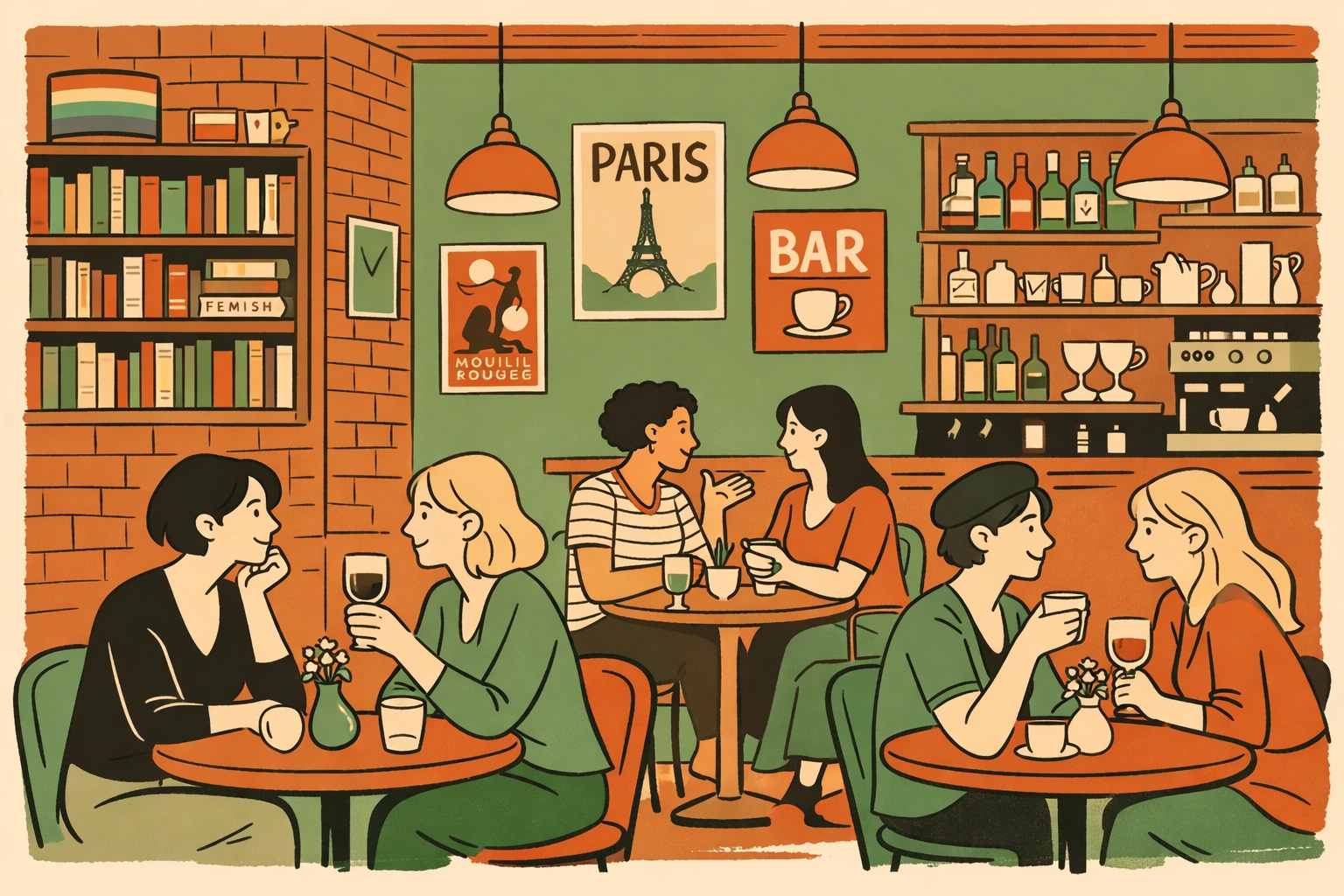
La Mutinerie, a feminist and queer café-bar in the 3rd arrondissement, exemplifies this evolution. It's simultaneously a bookshop, cultural center, and gathering space: remarkably similar in spirit to Natalie Barney's salon a century earlier, just with better Wi-Fi. The space hosts readings, film screenings, and discussions, maintaining that essential Parisian connection between lesbian identity and cultural production.
The modern scene also includes periodic parties and events that pop up in unexpected venues: rooftop terraces, converted warehouses, even houseboats along the Seine. This nomadic quality echoes the way early 20th-century lesbian culture survived: adaptable, creative, and always finding new spaces to claim.
The Marais: Still the Heart of Queer Paris
While gay men dominated the Marais' commercial gay scene for decades, lesbian-focused venues and events have increasingly reclaimed space in this historic neighborhood. The district's narrow medieval streets have witnessed centuries of outsider cultures finding refuge, from Jewish communities to artists to LGBTQ+ Parisians.
Discover gay romance series set in European cities and explore LGBTQ+ urban culture through fiction.
Why Parisian Lesbian Spaces Matter
The sophistication of Parisian lesbian culture isn't about elitism: it's about refusing to be marginalized into secondary spaces or treated as merely a niche within broader gay culture. From Barney's salon to modern venues, Parisian lesbian spaces have insisted on being taken seriously as cultural and intellectual centers, not just as bars where women happen to meet.
This legacy matters because it demonstrates that queer women's spaces can be whatever they choose to be: literary salons, nightclubs, political organizing centers, or all three simultaneously. The Parisian model rejects the binary between "serious" cultural spaces and "frivolous" nightlife, insisting that desire, intellect, art, and community are inseparable.
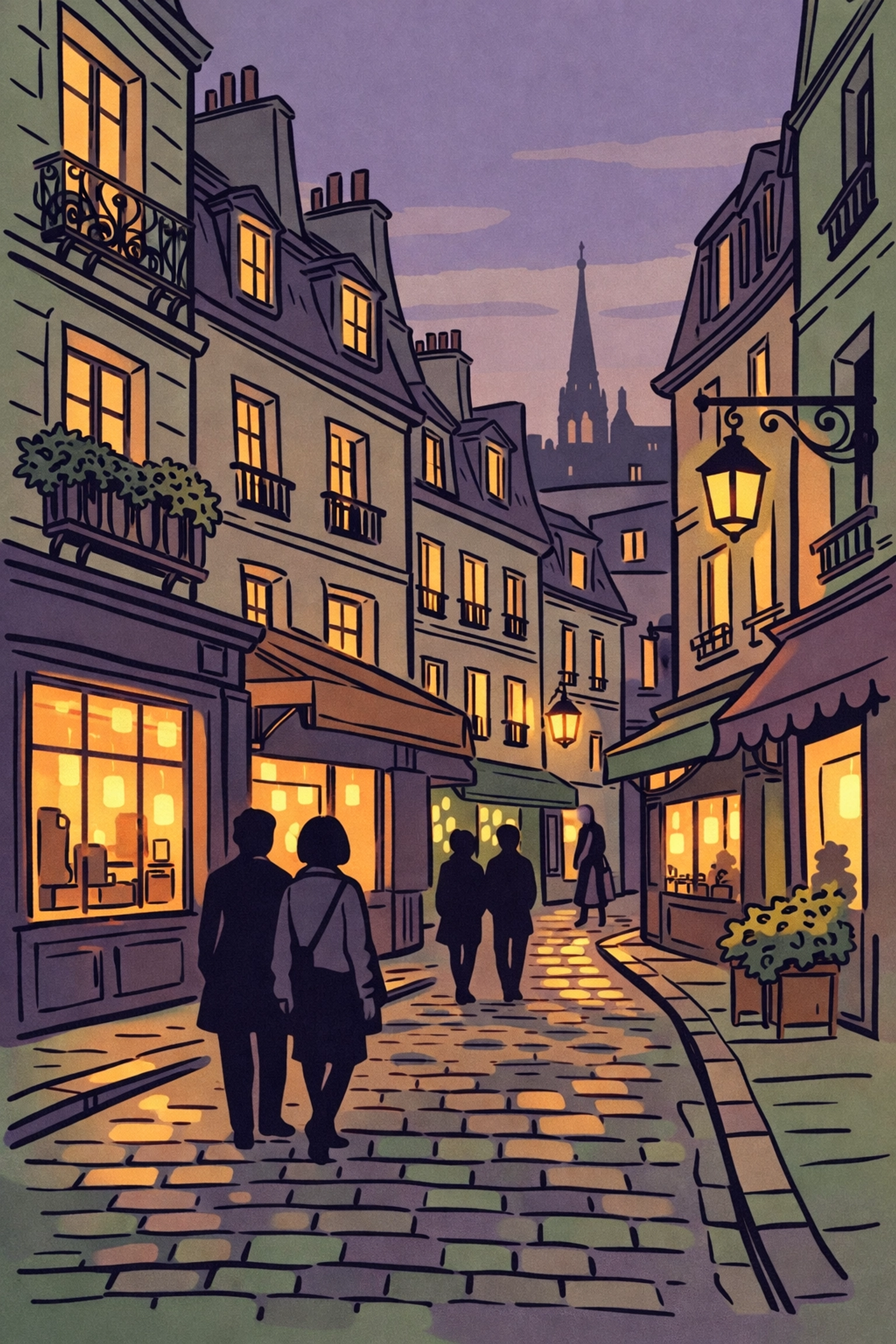
Reading the Legacy
The literary tradition established in Paris-Lesbos continues through contemporary LGBTQ+ fiction. Authors writing lesbian romance, queer historical fiction, and bisexual characters draw inspiration from this rich cultural heritage. Explore MM romance novels and LGBTQ+ fiction that honor queer history while telling contemporary stories.
Visit dickfergusonwriter.com for award-winning gay fiction and lesbian literature celebrating queer love and identity.
Experience the Legacy Yourself
Paris' lesbian legacy isn't confined to history books. The city continues to nurture sophisticated queer women's spaces where conversation flows as freely as wine, where new relationships spark over discussions of literature and art, and where being a lesbian is treated not as a marginalized identity but as an essential part of the city's cultural fabric.
Whether you're exploring Parisian lesbian history through books or planning to experience the city's contemporary scene firsthand, you're connecting with over a century of women who refused to hide, who demanded cultural recognition, and who created spaces of extraordinary sophistication and freedom.
Shop LGBTQ+ ebooks celebrating lesbian and bisexual stories at readwithpride.com.
Follow Read with Pride on social media for daily LGBTQ+ content, book recommendations, and queer culture insights:
Instagram: @dickfergusonwriter
X/Twitter: @DickFergus94902
Facebook: Dick Ferguson Writer
#ReadWithPride #LGBTQBooks #LesbianHistory #ParisLesbos #QueerParis #LesbianFiction #WLWBooks #SapphicRomance #LGBTQHistory #QueerLiterature #LesbianRomance #WLWRomance #SapphicBooks #QueerWomen #LGBTQCulture #ParisianCulture #LesbianLegacy #ReadingWithPride #GayBooks #QueerFiction

Leave a Reply
You must be logged in to post a comment.