

SPECIAL OFFER: Explore LGBTQ+ stories and gay romance set in iconic locations. Visit Read with Pride for MM romance books celebrating queer spaces worldwide. New releases available now at dickfergusonwriter.com.
A French Quarter Legend Now Preserved in Memory
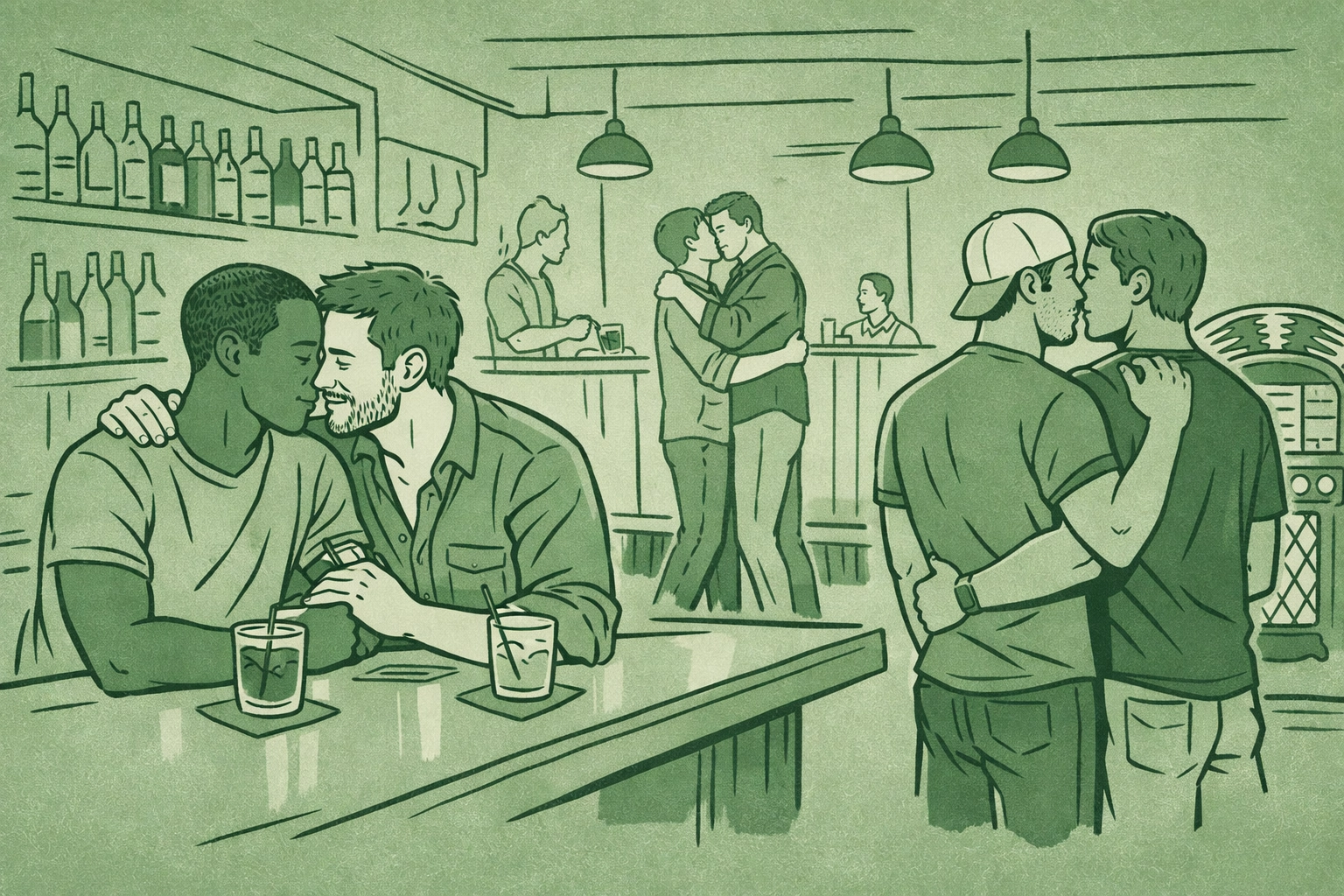
The 700 Club at 700 Burgundy Street stood as one of New Orleans' most authentic gay-friendly neighborhood bars: a place where locals gathered away from the tourist chaos of Bourbon Street. Though permanently closed, its legacy continues to resonate through the stories of those who found community, connection, and comfort within its welcoming walls.
This wasn't a flashy dance club or a themed tourist trap. The 700 Club represented something more valuable: a genuine neighborhood social hub where LGBTQ+ locals and allies could drink affordably, eat well, and simply be themselves without pretense.
The Neighborhood Alternative
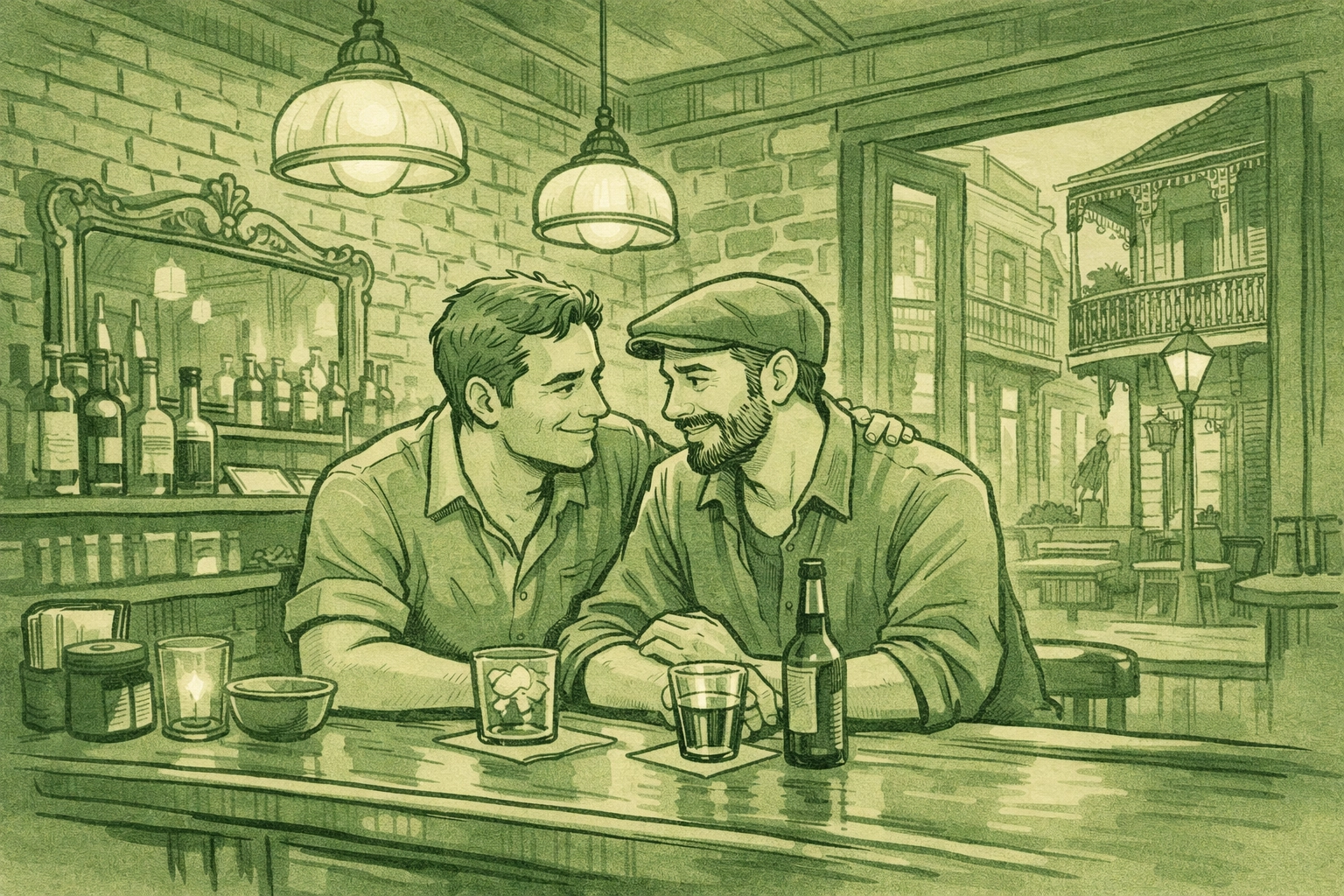
Located in the heart of the French Quarter, the 700 Club offered what many commercial gay bars couldn't: authenticity. While Bourbon Street catered to bachelorette parties and convention crowds, 700 Burgundy Street served the people who actually lived in New Orleans.
The atmosphere was unpretentious. Affordable drinks flowed freely, with a happy hour running from noon to 9 p.m. that attracted regulars throughout the afternoon. The attached grill served solid food at reasonable prices, making it a destination for dinner and drinks rather than just a quick stop.
DISCOVER MM ROMANCE: Our collection features gay contemporary romance celebrating real LGBTQ+ spaces and communities. Browse titles exploring gay literature and queer fiction now.
Open Arms, Open Hours
The 700 Club operated 24/7 on weekends: a testament to New Orleans' anything-goes spirit and the bar's commitment to serving its community whenever they needed a place to gather. Whether you stopped by for lunch on a Tuesday or arrived at 3 a.m. on a Saturday, the doors were open and the welcome was genuine.
Reviewers consistently praised the friendly bartenders who remembered your name and your drink. This personal touch transformed casual visitors into regulars and regulars into family. The staff understood they weren't just serving cocktails: they were creating a space where people felt seen and valued.
A Building with Many Lives
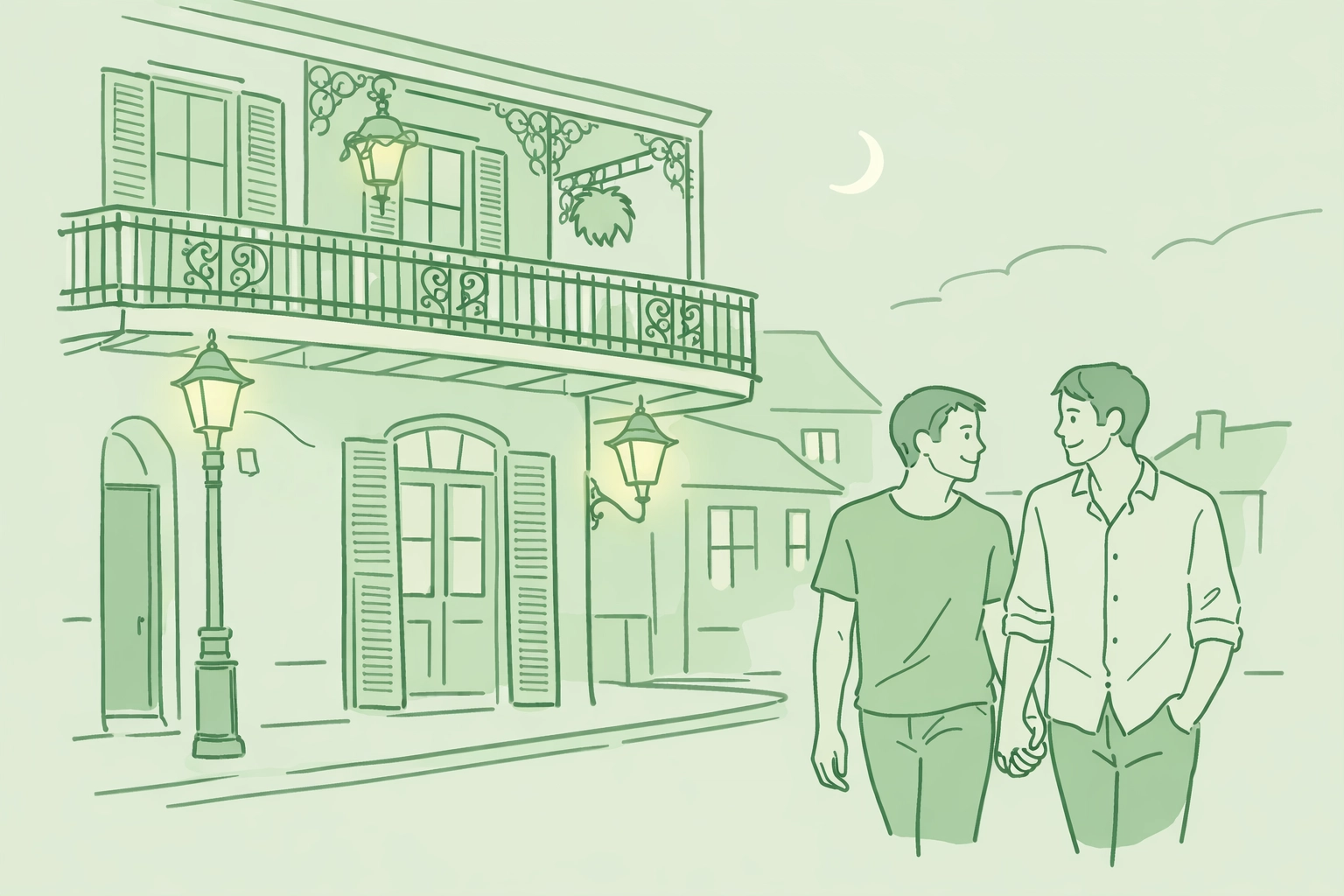
The location at 700 Burgundy Street has housed multiple LGBTQ+-friendly establishments over the decades, each contributing to the French Quarter's rich queer history. Before the 700 Club, the building was home to the Burgundy House Restaurant, Lelido, Paw Paw's, and Trocadero. After the 700 Club closed, Betty's Bar and Bistro took over the space before also closing permanently due to COVID-19 restrictions.
Today, the Schooner Saloon operates at the location, described as a sports bar and kitchen for locals. While the names have changed, the building continues serving the neighborhood: a fitting continuation of its decades-long tradition.
SUBSCRIBE FOR UPDATES: Sign up at readwithpride.com for new MM romance releases and LGBTQ+ ebooks featuring stories set in historic gay bars and queer community spaces.
The Food and Drink Experience
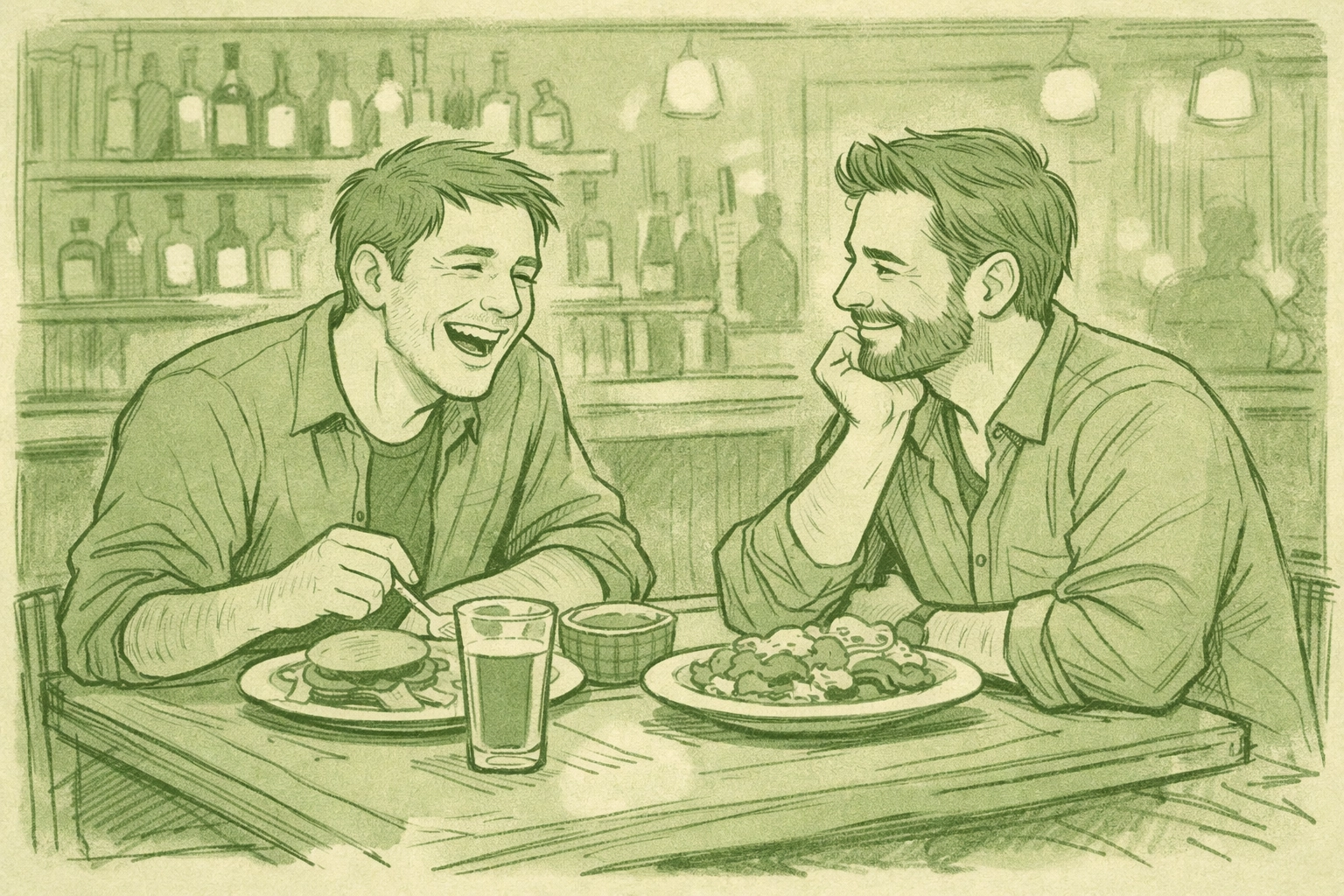
The 700 Club's attached grill was more than an afterthought: it was a core part of the experience. Patrons praised the quality and value, noting that you could get a proper meal without breaking the bank. This combination of good food, strong drinks, and fair prices made it a practical choice for locals who wanted to stretch their dollars while enjoying a night out.
The menu offered classic bar fare with New Orleans flair. Nothing pretentious, nothing overpriced: just solid food served by people who cared about getting it right. In a tourist-heavy neighborhood where many establishments charged premium prices for mediocre meals, this commitment to value built lasting loyalty.
Why Neighborhood Bars Matter
The closure of the 700 Club represents a broader challenge facing LGBTQ+ community spaces. These venues serve purposes beyond entertainment: they provide safe gathering places, foster connections, and create local history. When they close, communities lose more than a bar; they lose a piece of their collective identity.
The French Quarter's LGBTQ+ scene has evolved considerably over the decades. While some historic venues have disappeared, the neighborhood continues attracting queer residents and visitors who appreciate its accepting atmosphere and rich cultural heritage.
EXPLORE GAY HISTORICAL ROMANCE: Read The Berlin Companions and other MM historical romance titles capturing LGBTQ+ community spaces across different eras. New gay novels and MM fiction available.
The French Quarter's Queer Legacy
New Orleans has long been a refuge for LGBTQ+ people seeking acceptance and community. The French Quarter, with its bohemian atmosphere and live-and-let-live attitude, became a natural gathering place for queer residents and visitors alike.
Venues like the 700 Club contributed to this legacy by providing spaces where sexual orientation was simply not an issue. You could be yourself, meet friends, make new connections, and enjoy New Orleans' legendary hospitality without judgment or pretense.
Preserving Community Memories
Though the 700 Club no longer operates, its story deserves preservation. The memories created there: first dates, birthday celebrations, chance meetings that became lifelong friendships: represent important pieces of LGBTQ+ history worth documenting and sharing.
These neighborhood bars and restaurants form the social infrastructure of queer communities. They're where activists met to organize, where couples celebrated anniversaries, where young people found their first sense of belonging in LGBTQ+ spaces.
LIMITED COLLECTION: Browse gay love stories and MM novels celebrating community, connection, and queer joy. Top LGBTQ+ books and best MM romance available at readwithpride.com.
The COVID-19 Impact
The closure of Betty's Bar and Bistro, which followed the 700 Club at the same location, highlights the devastating impact of COVID-19 on LGBTQ+ community spaces. Pandemic restrictions hit bars and restaurants particularly hard, and many venues lacked the financial reserves to survive extended closures.
This loss extends beyond New Orleans. Cities worldwide have seen historic LGBTQ+ bars and gathering places close permanently, erasing decades of community history and leaving gaps in social infrastructure that may never be adequately replaced.
Finding Community Today
While venues like the 700 Club may be gone, the need for LGBTQ+ community spaces remains constant. Today's queer community continues creating and supporting spaces: both physical and virtual: where people can connect, celebrate, and simply exist without explanation or apology.
The French Quarter continues hosting LGBTQ+ establishments, though the landscape constantly evolves. Supporting these venues, sharing their stories, and documenting their history ensures that future generations understand the importance of these community gathering places.
VISIT OUR COLLECTION: Discover gay romance books and MM contemporary titles exploring LGBTQ+ community, identity, and connection. New gay fiction and queer literature updated regularly.
Explore more LGBTQ+ stories and gay romance at Read with Pride | Shop MM romance books at dickfergusonwriter.com
Follow Us on Social Media
Stay connected for new releases, LGBTQ+ ebooks, and MM romance recommendations:
📸 Instagram: @dickfergusonwriter
🐦 X/Twitter: @DickFergus94902
📘 Facebook: Dick Ferguson Writer
📚 Website: www.readwithpride.com
#ReadWithPride #LGBTQBooks #MMRomance #GayRomance #QueerFiction #GayLiterature #MMNovels #GayLoveStories #LGBTQHistory #GayBars #NewOrleansHistory #FrenchQuarter #QueerCommunity #GayFiction #MMContemporary #GayNovels #LGBTQEbooks #GayRomanceBooks #ReadingWithPride #700Club #QueerHistory

Leave a Reply
You must be logged in to post a comment.