

EXPLORE LGBTQ+ HISTORY. DISCOVER MM ROMANCE. SHOP NOW AT READWITHPRIDE.COM.
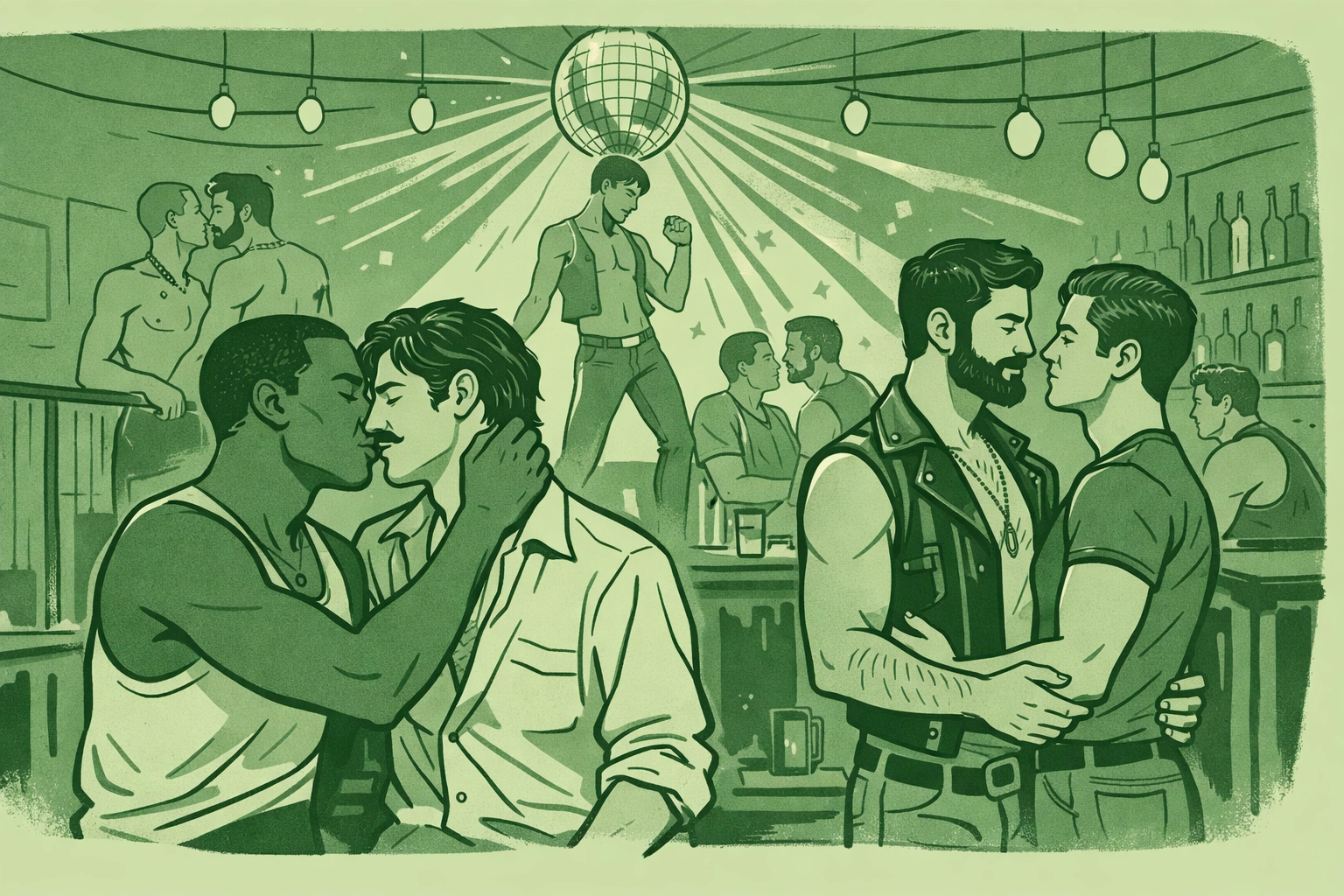
From 1974 to 1985, one address defined queer liberation in Manhattan: 500 West 14th Street. The Anvil wasn't just a bar: it was a declaration. A place where gay men could shed every expectation society placed on them and exist in their rawest, most unfiltered form. This was the Meatpacking District before gentrification, before boutique hotels, before brunch spots. This was New York at its grittiest, and The Anvil was the beating heart of it all.
SAVE 15% ON LGBTQ+ FICTION. USE CODE PRIDE15 AT DICKFERGUSONWRITER.COM.
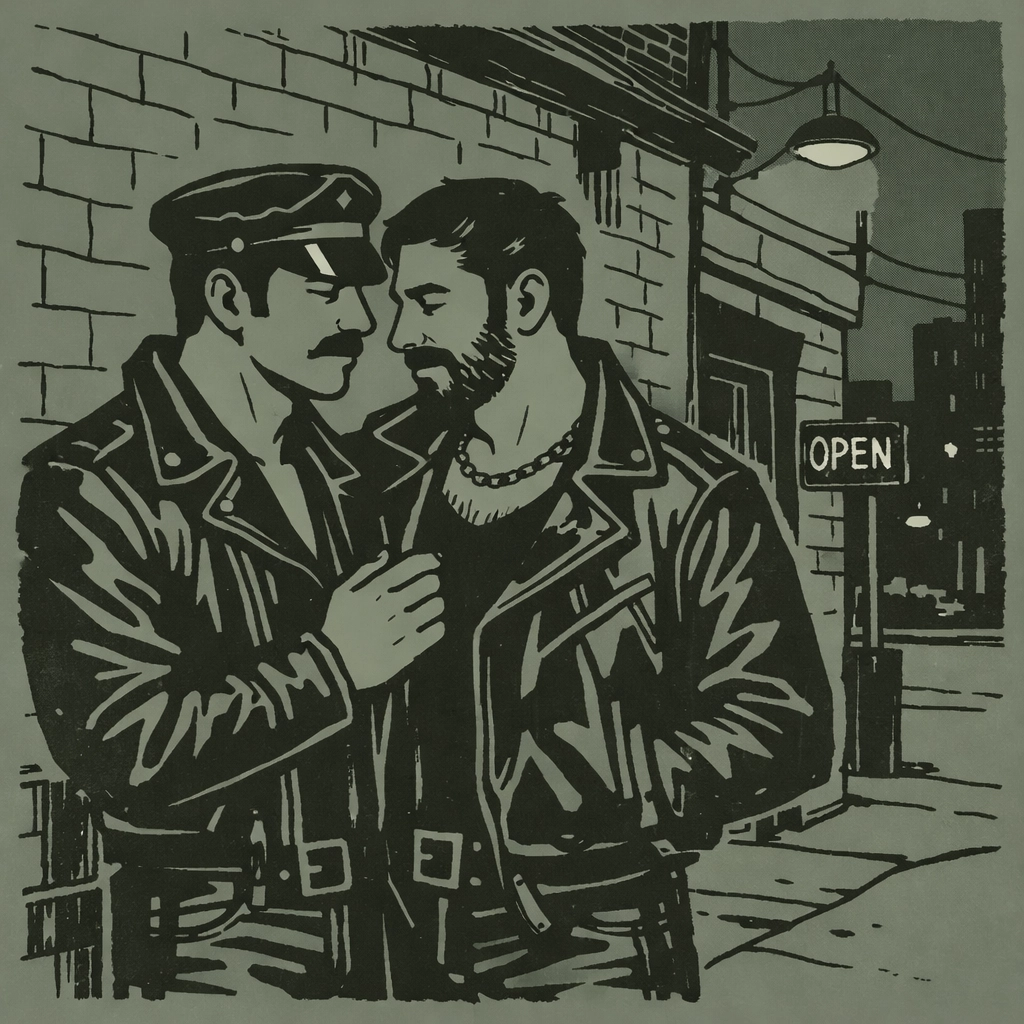
The Meatpacking District's Underground Empire
The Anvil opened its doors in 1974, right when gay liberation was finding its footing post-Stonewall. The West Village was transforming into a queer mecca, and the Meatpacking District: then a rough industrial neighborhood of slaughterhouses and loading docks: became the perfect cover for after-hours liberation. The Anvil operated as a private membership club, a legal workaround to dodge liquor authorities and maintain control over who entered.
Bouncers at the door had one preference: masculine men who understood what they were walking into. Women were prohibited: except for the occasional celebrity who'd sneak in wearing disguise. This was a space carved out specifically for gay men to explore desire, kink, and freedom without apology.
READ HISTORICAL GAY ROMANCE. DISCOVER THE BERLIN COMPANIONS AND MORE.
Two Floors, Two Worlds
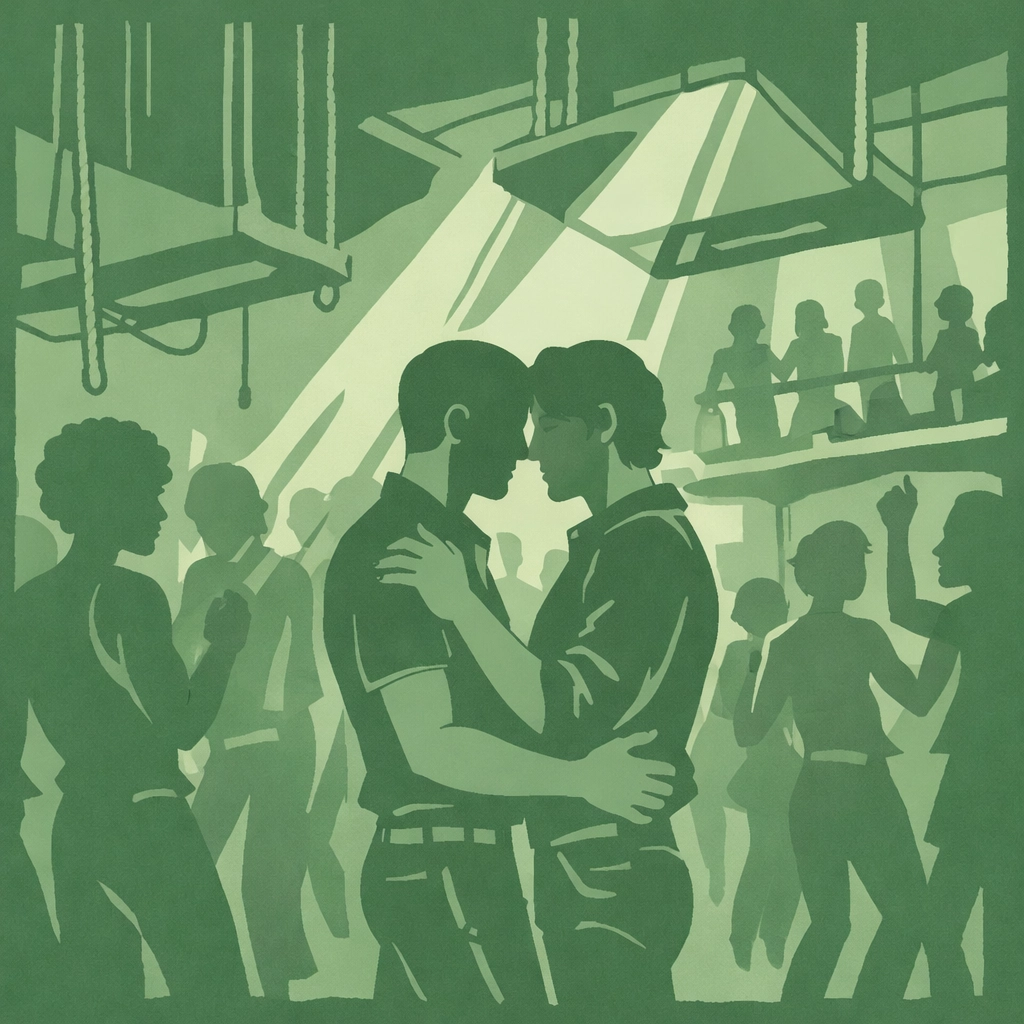
Step inside The Anvil and you entered a deliberately raw space. Money wasn't wasted on fancy décor: it went straight into the sound system. The triangular floor plan was maximized for movement, for bodies, for heat.
The ground floor featured a main bar, a dance floor, and the club's infamous performance area. Male dancers swung from ropes and hooks suspended above the bar, their bodies glistening under dim lights. Go-go boys moved to pounding beats while drag queens delivered theatrical performances that ranged from campy to confrontational. But the real draw came after 4:00 a.m., when the crowd swelled with men who'd already hit other venues and were ready for something more intense, more uninhibited.
Downstairs was a different universe. A smaller bar. Pornographic films projected on a large screen. And behind it all, a cavernous backroom where men engaged in exactly what they came for: no judgment, no shame, just raw sexual expression. The Anvil became notorious for its mock crucifixions, golden showers, and public displays of BDSM that shocked even seasoned clubgoers.
SHOP MM ROMANCE BOOKS EXPLORING DESIRE AND IDENTITY. VISIT DICKFERGUSONWRITER.COM.
A Drug-Fueled Frenzy
Let's be honest: The Anvil was fueled by more than just liberation. Cocaine, poppers, quaaludes: drugs were as much a part of the experience as the music and the men. The atmosphere was frantic, electric, dangerous. Patrons described a sensory overload of sweat, leather, music, and bodies moving in ways that defied description.
This wasn't a place for casual drinks. The Anvil demanded commitment. You showed up ready to lose yourself, to blur boundaries, to push limits. For many gay men in the seventies, it represented the ultimate freedom: a space where societal rules didn't apply, where pleasure was the only currency that mattered.
Police Raids and Padlock Laws
Freedom always comes with risk. The Anvil faced multiple police raids throughout its eleven-year run. Despite operating as a private club, authorities used the Police Padlock Law to surveil and threaten closure. The club represented everything conservative New York feared about the growing visibility of gay culture: unbridled sexuality, public displays of kink, and a refusal to hide.
But The Anvil survived longer than many expected. It weathered raids, legal battles, and moral panic. What finally closed its doors in 1985 wasn't police pressure: it was the AIDS crisis.
DISCOVER LGBTQ+ STORIES OF RESILIENCE. EXPLORE THE PHOENIX OF LUDGATE.
The AIDS Crisis and Voluntary Closure
By 1985, the AIDS epidemic was devastating New York's gay community. Bathhouses and sex clubs became targets for city officials who blamed these venues for the spread of HIV. Many were forcibly shut down. The Anvil chose to close voluntarily, recognizing that the landscape had fundamentally changed.
The closure marked the end of an era. The seventies had been defined by liberation, by the belief that sexual freedom was a radical political act. But as friends and lovers began dying, as hospital wards filled with young men wasting away, the party couldn't continue unchanged. The Anvil's closure symbolized a painful transition from the ecstatic freedom of the post-Stonewall decade to the grief and activism of the AIDS years.
Cultural Impact and Legacy
The Anvil's influence extended far beyond its West Village location. It appeared in films, memoirs, and art that documented gay life in the seventies. Photographer Peter Hujar captured images of the club's dancers. Writers referenced it as shorthand for extreme sexual liberation. For many gay men who lived through that era, The Anvil represented a moment when anything felt possible, before tragedy changed everything.
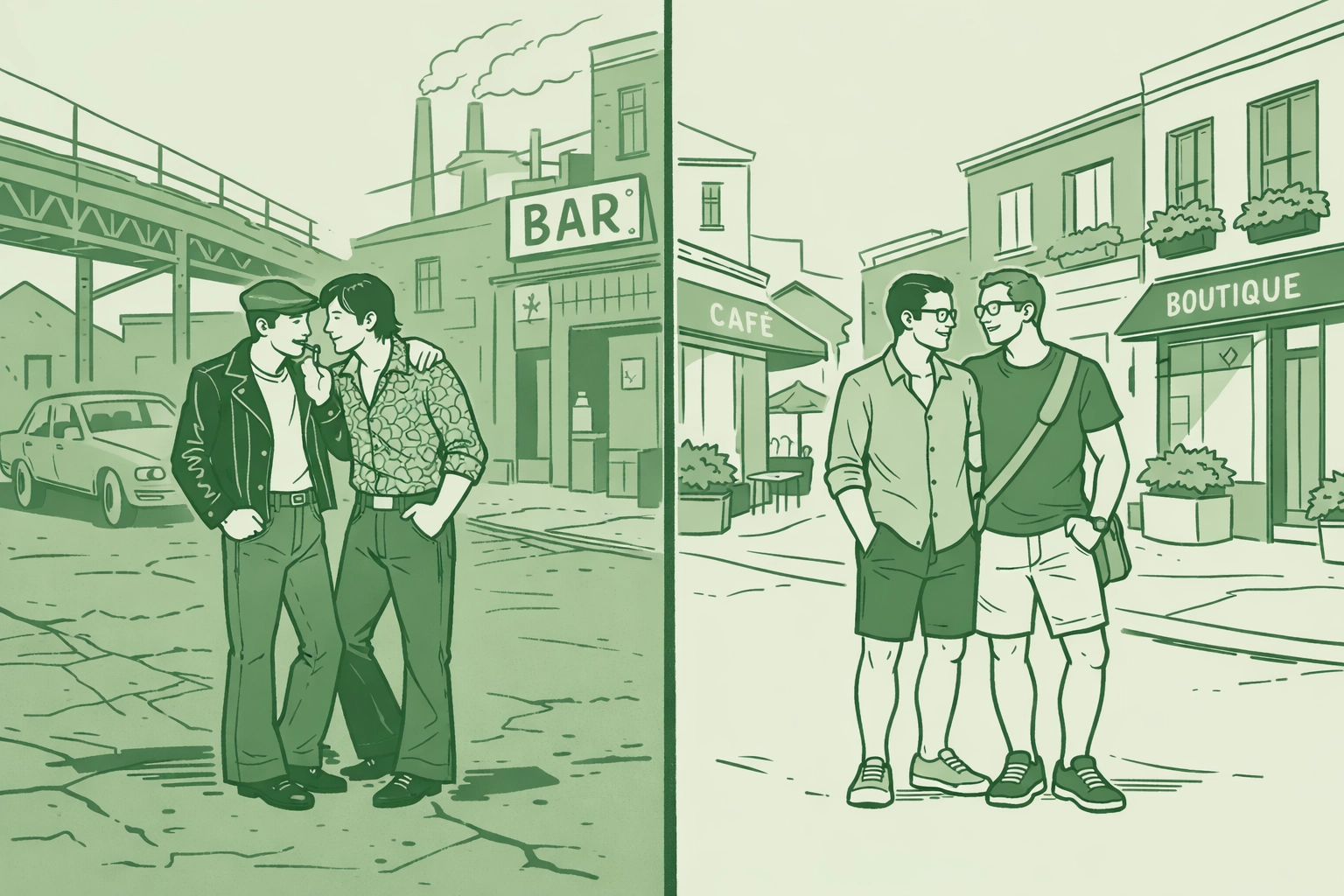
Today, the Meatpacking District is unrecognizable. Luxury hotels, designer boutiques, and upscale restaurants occupy spaces where clubs like The Anvil once thrived. That rough industrial edge has been polished away, gentrified into oblivion. But the memory persists: in stories shared by survivors, in archives documenting queer history, in the ongoing conversation about sexuality, freedom, and community.
EXPLORE GAY HISTORICAL ROMANCE AND CONTEMPORARY MM FICTION AT READWITHPRIDE.COM.
Why The Anvil Still Matters
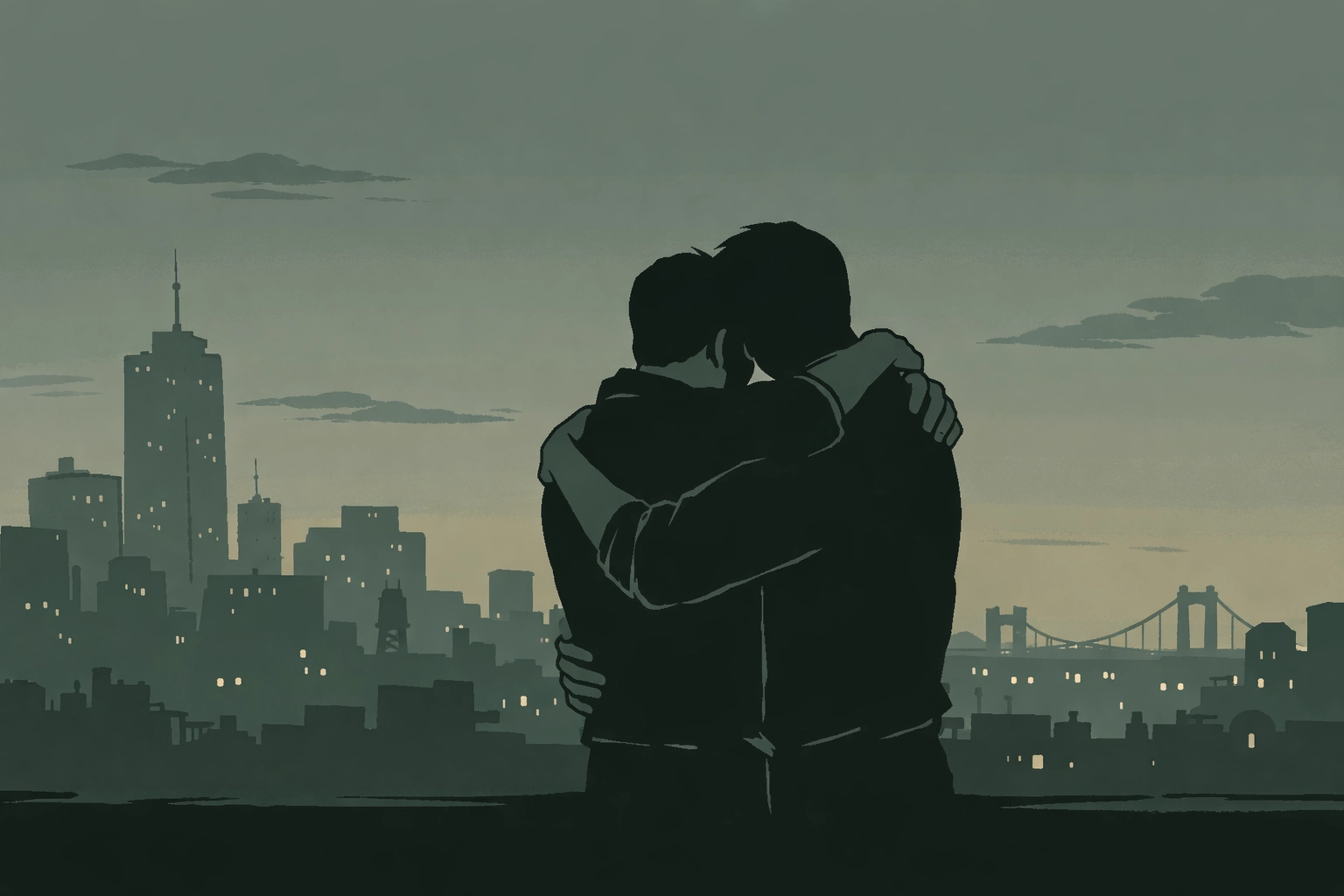
The Anvil represents a crucial chapter in LGBTQ+ history. It reminds us that queer liberation wasn't polite or sanitized: it was messy, sexual, defiant, and absolutely necessary. These spaces weren't just about hedonism; they were about claiming the right to exist authentically, to explore desire without shame, to build community in a hostile world.
For contemporary queer people, especially younger generations who've grown up with marriage equality and increased visibility, The Anvil offers important perspective. The freedoms we enjoy today were carved out by people who risked arrest, violence, and social ostracization. They created spaces like The Anvil not because they were reckless, but because they refused to live in hiding.
SIGN UP FOR THE READ WITH PRIDE NEWSLETTER. GET EXCLUSIVE MM ROMANCE RECOMMENDATIONS AND DISCOUNTS.
Connecting Past and Present
Stories like The Anvil's belong in the broader narrative of gay literature and MM romance. Whether you're reading historical gay fiction that explores the seventies liberation movement or contemporary romance that deals with sexual identity and freedom, understanding this history enriches the experience.
Books like The Berlin Companions and The Campaign for Us explore similar themes: desire, identity, the courage to live authentically despite societal pressure. When we read gay romance and LGBTQ+ fiction, we're continuing conversations that started in spaces like The Anvil.
BROWSE TOP LGBTQ+ BOOKS AND MM ROMANCE SERIES AT DICKFERGUSONWRITER.COM/COLLECTIONS/ALL.
The Spirit Lives On
The Anvil is gone, but its spirit survives. In every queer space that prioritizes community over profit. In every pride celebration that refuses to be family-friendly. In every piece of MM romance that depicts gay men as sexual beings, not sanitized stereotypes. In the ongoing fight for LGBTQ+ rights and visibility.
When you explore gay fiction, gay novels, and MM romance books, you're engaging with a tradition of storytelling that honors this history. From steamy MM romance to literary LGBTQ+ fiction, these stories carry forward the defiance and joy that defined places like The Anvil.
DISCOVER AWARD-WINNING GAY FICTION. SHOP NEW GAY RELEASES 2026. VISIT READWITHPRIDE.COM NOW.
Follow us on social media for daily LGBTQ+ book recommendations, MM romance updates, and queer history highlights:
�Instagram: https://www.instagram.com/dickfergusonwriter
🐦 X/Twitter: https://www.x.com/DickFergus94902
📘 Facebook: https://www.facebook.com/profile.php?id=61572869844598
Shop LGBTQ+ eBooks, gay romance books, and MM fiction: www.readwithpride.com | dickfergusonwriter.com
#ReadWithPride #MMRomance #GayRomance #LGBTQBooks #GayFiction #MMBooks #QueerFiction #GayLoveStories #GayNovels #LGBTQRomance #GayHistoricalRomance #GayLiterature #MMNovels #SteamyMMRomance #QueerAuthors #GayBookClub #LGBTQHistory #GayLiberation #TheAnvil #1970sGayHistory #GayNYC #LGBTQEbooks #NewGayReleases2026 #BestMMRomance #ReadingWithPride #WriteWithPride

Leave a Reply
You must be logged in to post a comment.