

EXCLUSIVE OFFER: Save 15% on all LGBTQ+ fiction at Read with Pride – Use code PRIDE15 at checkout. Discover queer fiction, lesbian romance, and MM romance books celebrating authentic stories.
The Pink Palace That Changed Everything
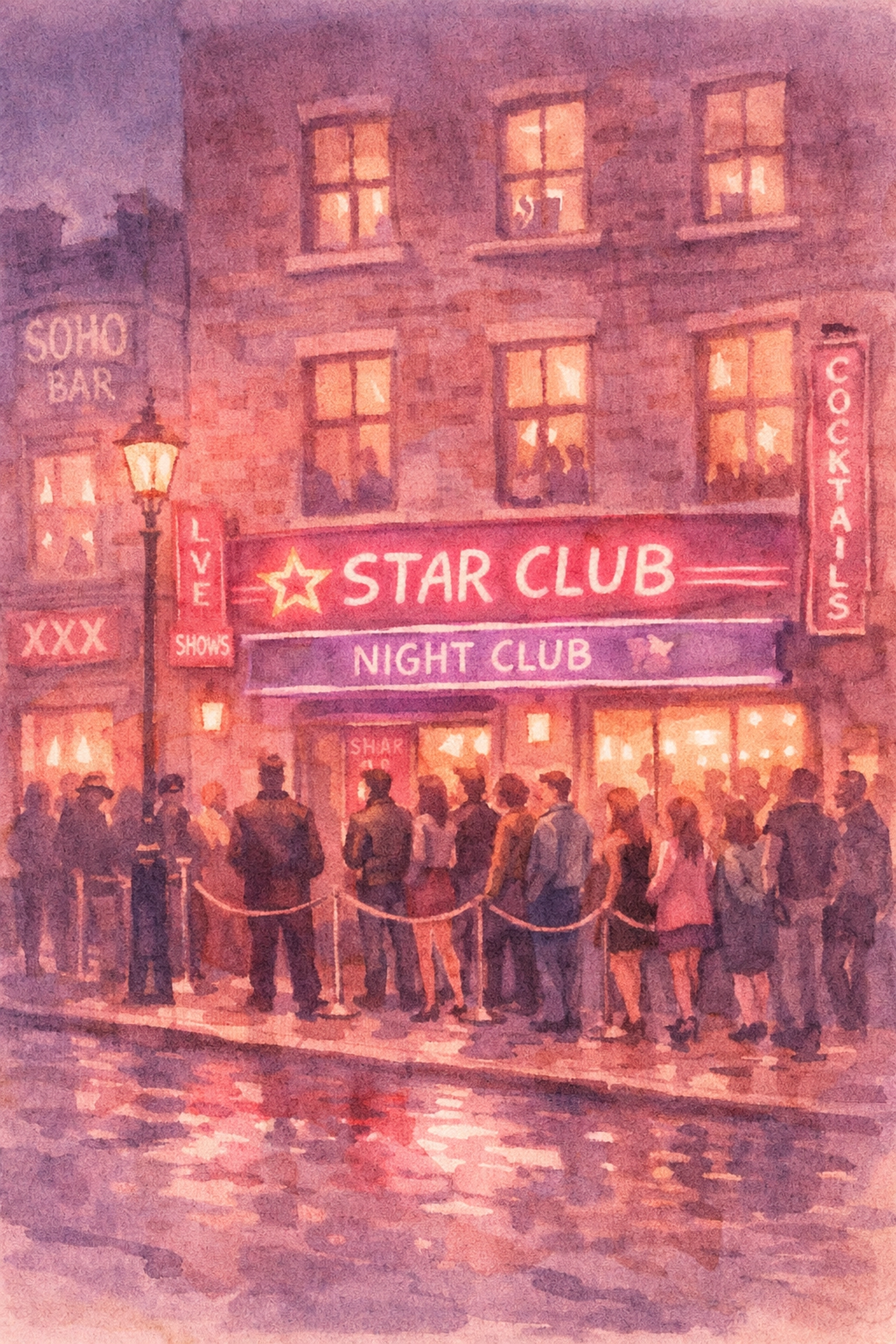
If you walked down Carlisle Street in Soho between 1996 and 2014, you couldn't miss it. The Candy Bar wasn't just bright pink on the inside, it was a beacon for London's lesbian community, a safe haven painted in the colour of defiance and celebration.
Founded by Kim Lucas in 1996, The Candy Bar became London's premier dedicated lesbian venue at a time when queer women desperately needed their own space. While gay men had dozens of bars and clubs across the capital, lesbians had precious few places to call home. The Candy Bar filled that void spectacularly.
More Than Just a Bar
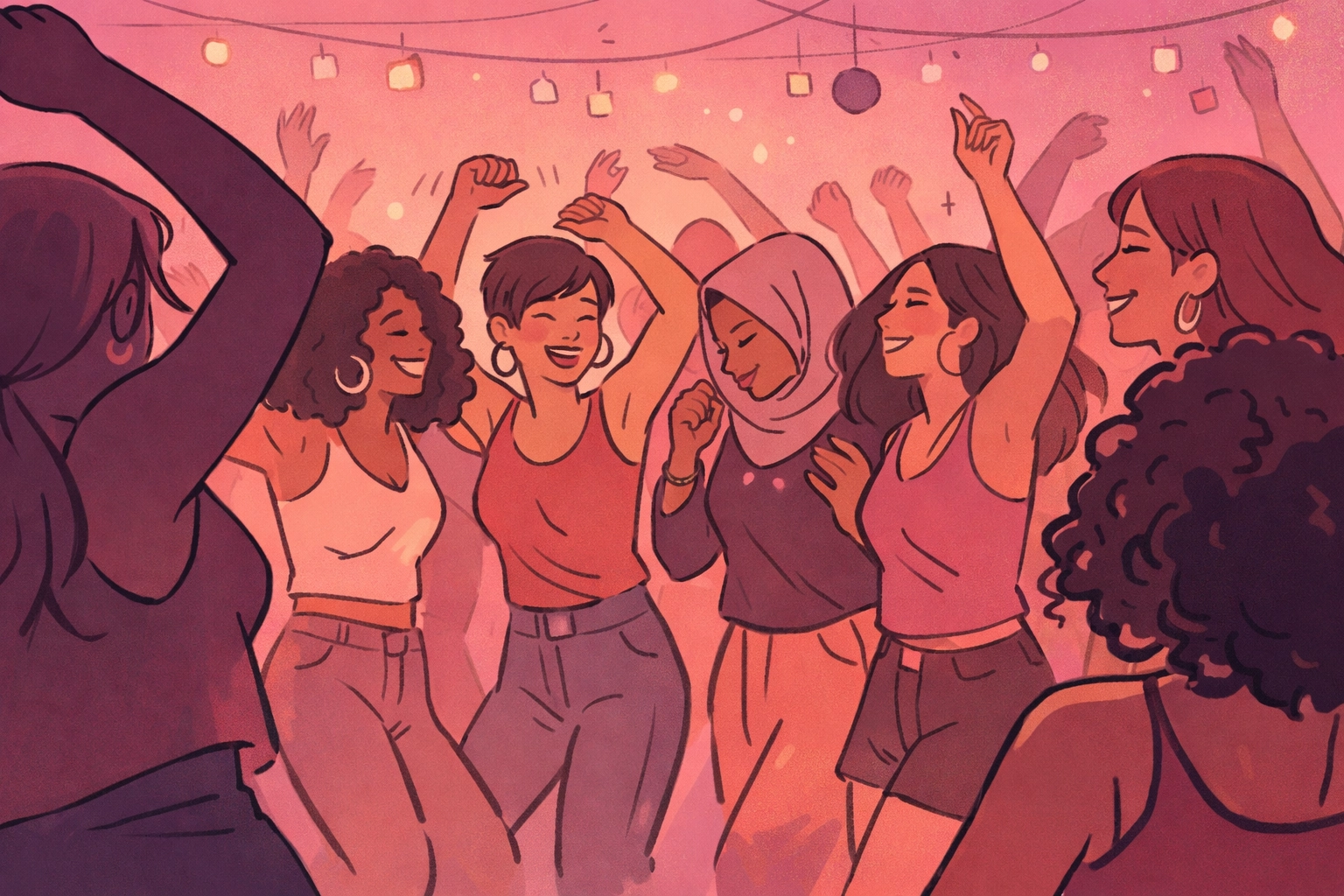
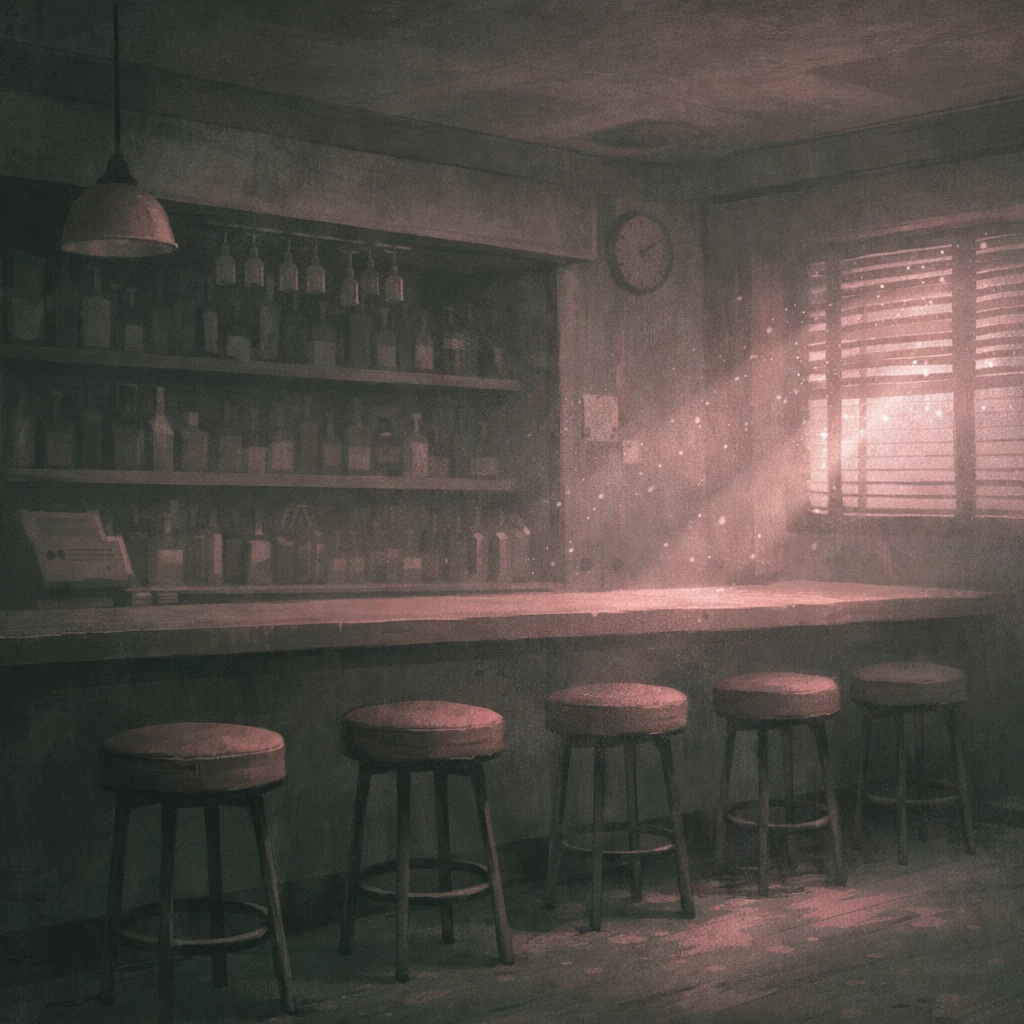
The Candy Bar wasn't subtle, and that was precisely the point. Lucas decorated the interior in unapologetic bright pink, creating an atmosphere that screamed visibility and pride. This was a space where queer women could be themselves without apology, without filtering their identity through a hetero lens or navigating predominantly male gay spaces.
The venue offered lap and pole dancing performances, creating an entertainment experience that celebrated female sexuality on its own terms. While maintaining an inclusive policy, men could enter if accompanied by a woman, The Candy Bar remained firmly woman-centric in its identity and energy.
Shop LGBTQ+ Fiction: Browse our collection of gay romance books, lesbian fiction, and queer literature that honour authentic experiences. Free shipping on orders over £30.
Cultural Impact and Recognition
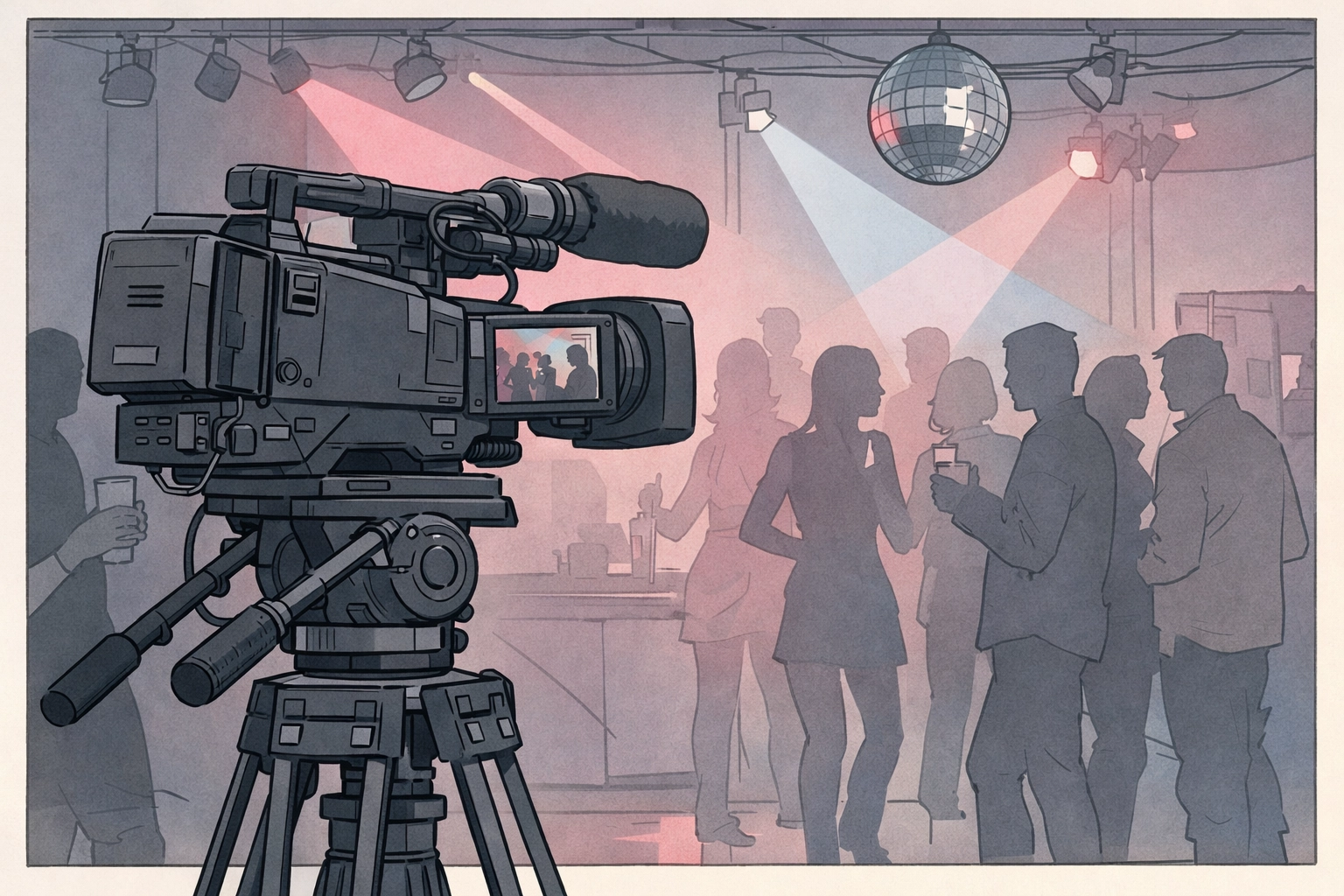
By the early 2010s, The Candy Bar had become such a cultural landmark that Channel 5 commissioned a six-part documentary series called Candy Bar Girls in 2011. The show pulled back the curtain on lesbian nightlife in London, introducing mainstream audiences to the vibrant community that gathered under those pink lights.
This media attention represented something significant: lesbian visibility was reaching new heights. The Candy Bar wasn't hiding in the shadows, it was front and centre, celebrating queer women's lives and loves for everyone to see.
The 2011 Transition
When Kim Lucas sold The Candy Bar to Gary Henshaw of the Ku chain in 2011, some regulars worried about losing the venue's distinctive character. The new management toned down the iconic bright pink décor, marking a shift away from the bar's original aesthetic identity.
While the venue continued operating, this change reflected broader tensions in LGBTQ+ spaces: the balance between commercial viability and community identity, between mainstream appeal and radical visibility. The bright pink wasn't just decoration, it was a statement.
The Economics of Queer Space
The Candy Bar's closure in January 2014 wasn't about declining popularity. The venue remained well-loved and well-attended right up to its final night. Instead, it fell victim to something far more mundane and devastating: rent costs increased by nearly 50%, making the venue economically unsustainable.
This wasn't an isolated incident. The 2000s and 2010s witnessed mass closures of LGBTQ+ venues across London. Glass Bar closed. Rush Bar closed. One by one, dedicated lesbian spaces disappeared from the capital's landscape, victims of soaring Soho rents and changing nightlife economics.
When The Candy Bar shut its doors, it was London's only bar primarily catering to lesbians. Its closure left a gaping hole in the city's queer infrastructure.
Explore Lesbian Romance: Discover heartfelt stories celebrating women loving women. Visit readwithpride.com for curated LGBTQ+ ebooks featuring authentic lesbian characters and relationships.
What We Lost
The closure of The Candy Bar represented more than just losing a drinking establishment. It meant losing:
A safe space where queer women could meet potential partners without apps or awkward guessing games about orientation.
A community hub where friendships formed over sticky dance floors and overpriced cocktails, where celebrating birthdays and breakups and coming outs became communal experiences.
A cultural landmark that said to lesbian and bisexual women: you deserve your own space, unapologetically queer and distinctly yours.
A piece of history that connected younger queer women to the generations who fought for visibility and acceptance.
The Broader Pattern
The Candy Bar's closure reflected troubling trends in LGBTQ+ nightlife. As acceptance grew and mainstream venues became more welcoming, dedicated queer spaces faced paradoxical pressure. Why maintain expensive specialized venues when gay people could theoretically go anywhere?
But this logic misses something crucial: there's a profound difference between being tolerated in straight spaces and thriving in queer ones. The Candy Bar offered something mainstream venues never could, a space built by and for lesbian and bisexual women, where their experiences centred the entire atmosphere.
New Release: Check out The Private Self: A Guide to Honoring Your Truth in Your Own Time, a thoughtful resource for LGBTQ+ individuals navigating identity and community.
Legacy and Memory
Today, former Candy Bar regulars share memories online, swapping stories about significant nights under those pink lights. First kisses. First times feeling truly safe being yourself. Meeting partners who became wives. Dancing until sunrise with people who genuinely understood.
These memories matter. They're part of LGBTQ+ history that often goes unrecorded, the everyday magic of queer spaces that existed, thrived, and eventually disappeared.
The Candy Bar proved that lesbian nightlife could be spectacular, successful, and culturally significant. It demonstrated that queer women deserved dedicated spaces designed around their experiences and desires. For nearly two decades, it delivered on that promise.
What Now?
The Candy Bar's closure raises important questions about preserving LGBTQ+ spaces in increasingly expensive cities. How do we maintain community hubs when property developers see only profit potential? How do we honour the importance of queer spaces while navigating modern economic realities?
These questions remain urgent as LGBTQ+ venues continue closing across the UK and globally. Each closure represents lost community infrastructure that's nearly impossible to rebuild once gone.
Sign up for our newsletter at dickfergusonwriter.com to receive updates on new LGBTQ+ fiction releases, special offers, and stories celebrating queer history and culture.
Remembering Forward
The Candy Bar deserves to be remembered: not just as a bar, but as a crucial piece of London's LGBTQ+ history. It represented what's possible when queer women claim space for themselves, when visibility becomes celebration rather than risk.
For everyone who danced under those pink lights, who found community on Carlisle Street, who felt genuinely seen and celebrated: The Candy Bar mattered. It was yours. And its legacy lives on in the memories you carry and the stories you share.
Discover more LGBTQ+ stories: Browse our complete collection of gay fiction, lesbian romance, and MM romance books celebrating diverse queer experiences.
Follow us on social media for daily LGBTQ+ content, book recommendations, and community stories:
📷 Instagram: @dickfergusonwriter
🐦 X/Twitter: @DickFergus94902
📘 Facebook: Dick Ferguson Writer
🌐 Website: readwithpride.com
#TheCandyBar #LesbianHistory #LGBTQHistory #QueerSpaces #LesbianBars #SohoLondon #LGBTQLondon #QueerCommunity #LesbianCulture #ReadWithPride #ReadingWithPride #LGBTQeBooks #LesbianFiction #QueerFiction #LGBTQNightlife #LesbianRomance #QueerWomen #LGBTQPride #LesbianBooks #QueerAuthors #LGBTQCommunity #PrideHistory #LGBTQVenues #LesbianCommunity

Leave a Reply
You must be logged in to post a comment.